
 EN
EN
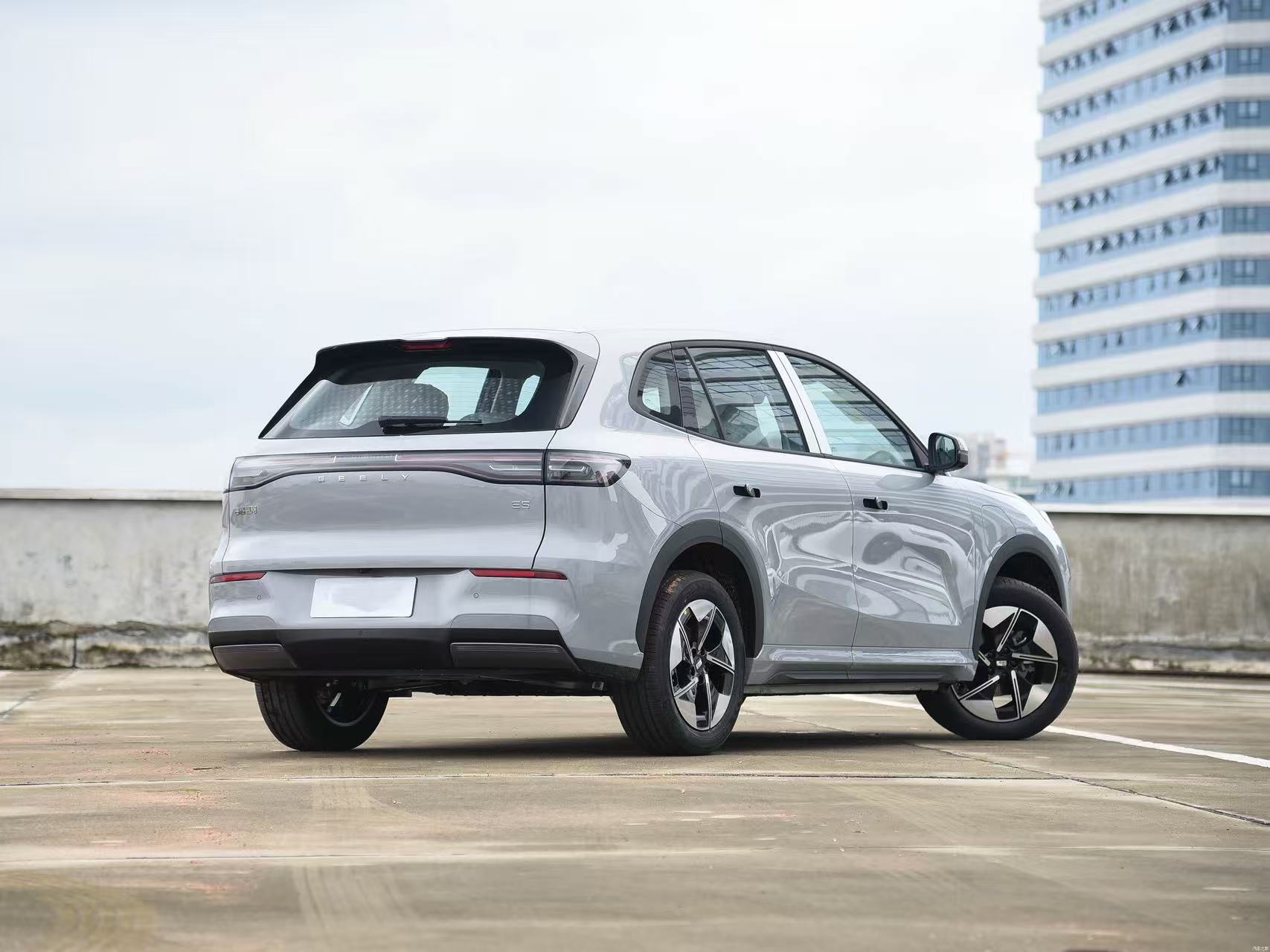
The global automotive industry is entering a period of significant structural change, and Chinese automobile exports are at the center of that transformation. Over the past several years, Chinese automobile exports have grown at a pace that few industry analysts predicted, moving China from a modest regional supplier to a major force in global vehicle distribution. As Chinese automobile exports continue to expand in volume and geographic reach, procurement teams, logistics planners, and automotive executives worldwide are asking the same question: could this trend fundamentally reshape how international automotive supply chains are structured?

The short answer is yes. Chinese automobile exports are already influencing sourcing decisions, shifting trade corridors, and prompting established automotive markets to reconsider their supply chain assumptions. Understanding how Chinese automobile exports create this kind of systemic impact requires looking at three critical dimensions: production scale and cost positioning, geographic market penetration, and the downstream effects on parts and components sourcing. Each of these dimensions reveals why Chinese automobile exports are not a temporary fluctuation but a structural force that global supply chains must adapt to.
Production Scale and Cost Positioning
How Volume Drives Supply Chain Leverage
Chinese automobile exports benefit from an industrial base that has spent two decades scaling up domestic production capacity. China is now the world's largest vehicle-producing nation, and that scale advantage flows directly into Chinese automobile exports. When manufacturers produce at volumes that dwarf most competitors, unit costs fall, tooling investments are amortized more efficiently, and logistics networks become denser and more cost-effective. This scale advantage means that Chinese automobile exports can enter international markets at price points that challenge established competitors and force importers to reconsider their total cost of ownership calculations.
Electric Vehicles as an Export Catalyst
Chinese automobile exports have gained particular momentum in the electric vehicle segment. China's domestic EV ecosystem — covering battery manufacturing, power electronics, and software integration — has matured faster than most global markets anticipated. As a result, Chinese automobile exports in the EV category carry a built-in supply chain advantage: vertically integrated production that reduces component dependency on overseas suppliers. For international buyers, this means Chinese automobile exports often arrive with more predictable lead times and fewer upstream bottlenecks than vehicles assembled from globally dispersed supply chains. That supply chain coherence is one reason why Chinese automobile exports are increasingly attractive to fleet operators and large-scale importers.
Geographic Market Penetration
Emerging Markets as the First Wave
Chinese automobile exports initially concentrated on emerging markets across Southeast Asia, the Middle East, Latin America, and Africa. These markets shared common characteristics: high price sensitivity, underdeveloped domestic manufacturing, and growing middle-class demand. Chinese automobile exports filled a structural gap in these regions by offering modern, feature-rich vehicles at accessible price points. As Chinese automobile exports established distribution networks, after-sales service infrastructure, and brand recognition in these markets, they created a foundation that now supports further geographic expansion. The lessons learned from early emerging market penetration are informing how Chinese automobile exports are approaching more competitive developed markets today.
European and Developed Market Entry
Chinese automobile exports are increasingly entering European and other developed markets, a development that signals a new phase of supply chain disruption. European importers sourcing Chinese automobile exports must navigate regulatory compliance requirements, homologation processes, and evolving tariff structures. Despite these barriers, Chinese automobile exports continue to gain traction because the underlying value proposition remains compelling. As Chinese automobile exports grow their presence in developed markets, established original equipment manufacturers are being forced to reassess their own supply chain configurations, either by sourcing more components from China or by accelerating domestic cost-reduction initiatives to remain competitive. Either response confirms that Chinese automobile exports are a genuine supply chain reshaping force.
Downstream Effects on Parts and Components
Supplier Network Reconfiguration
The rise of Chinese automobile exports does not only affect vehicle trade flows. Chinese automobile exports carry with them an entire ecosystem of components, sub-assemblies, and technology platforms. When Chinese automobile exports penetrate a new market, they often bring preferred supplier relationships from the domestic Chinese supply chain with them. This creates pressure on local parts suppliers in destination markets who previously relied on established automaker relationships. Over time, the growth of Chinese automobile exports encourages international procurement teams to evaluate Chinese component suppliers directly, broadening the influence of Chinese automobile exports well beyond the vehicles themselves and into the deeper layers of the global parts economy.
Logistics and Distribution Infrastructure
Chinese automobile exports require purpose-built logistics infrastructure, including roll-on/roll-off vessel capacity, vehicle processing centers, and last-mile distribution networks. As Chinese automobile exports grow in volume, logistics providers are investing in dedicated vehicle export terminals and expanding Ro-Ro shipping routes from Chinese ports. This infrastructure investment creates new trade lanes and logistics capabilities that benefit not only Chinese automobile exports but also the broader movement of vehicles and parts across global supply chains. Procurement professionals working with Chinese automobile exports should evaluate logistics readiness — including port handling capacity, transit times, and customs clearance efficiency — as part of their supply chain planning process.
FAQ
What industries are most directly affected by the growth of Chinese automobile exports?
The industries most directly affected include automotive retail, fleet management, logistics and shipping, parts distribution, and after-sales service. As Chinese automobile exports grow, each of these sectors must adapt sourcing strategies, inventory planning, and service infrastructure to accommodate new vehicle platforms and supply chain rhythms introduced by Chinese automobile exports.
How do tariffs and trade policies affect Chinese automobile exports entering international markets?
Tariffs and trade policies create variable cost structures for Chinese automobile exports depending on the destination market. Some markets have imposed additional duties on Chinese automobile exports in response to competitive pressure, while others maintain open trade frameworks. Importers sourcing Chinese automobile exports must monitor policy changes closely and factor regulatory risk into long-term supply chain planning, as tariff adjustments can significantly affect the landed cost and competitiveness of Chinese automobile exports.
What should procurement teams evaluate when sourcing Chinese automobile exports?
Procurement teams should evaluate total landed cost, compliance requirements, after-sales support availability, logistics lead times, and supplier financial stability when sourcing Chinese automobile exports. Conducting factory audits, reviewing certification documentation, and establishing clear quality standards are essential steps. Given the rapid pace of product development among Chinese automobile exports suppliers, procurement teams should also assess technology roadmaps to ensure long-term platform alignment and supply chain continuity.