
 EN
EN
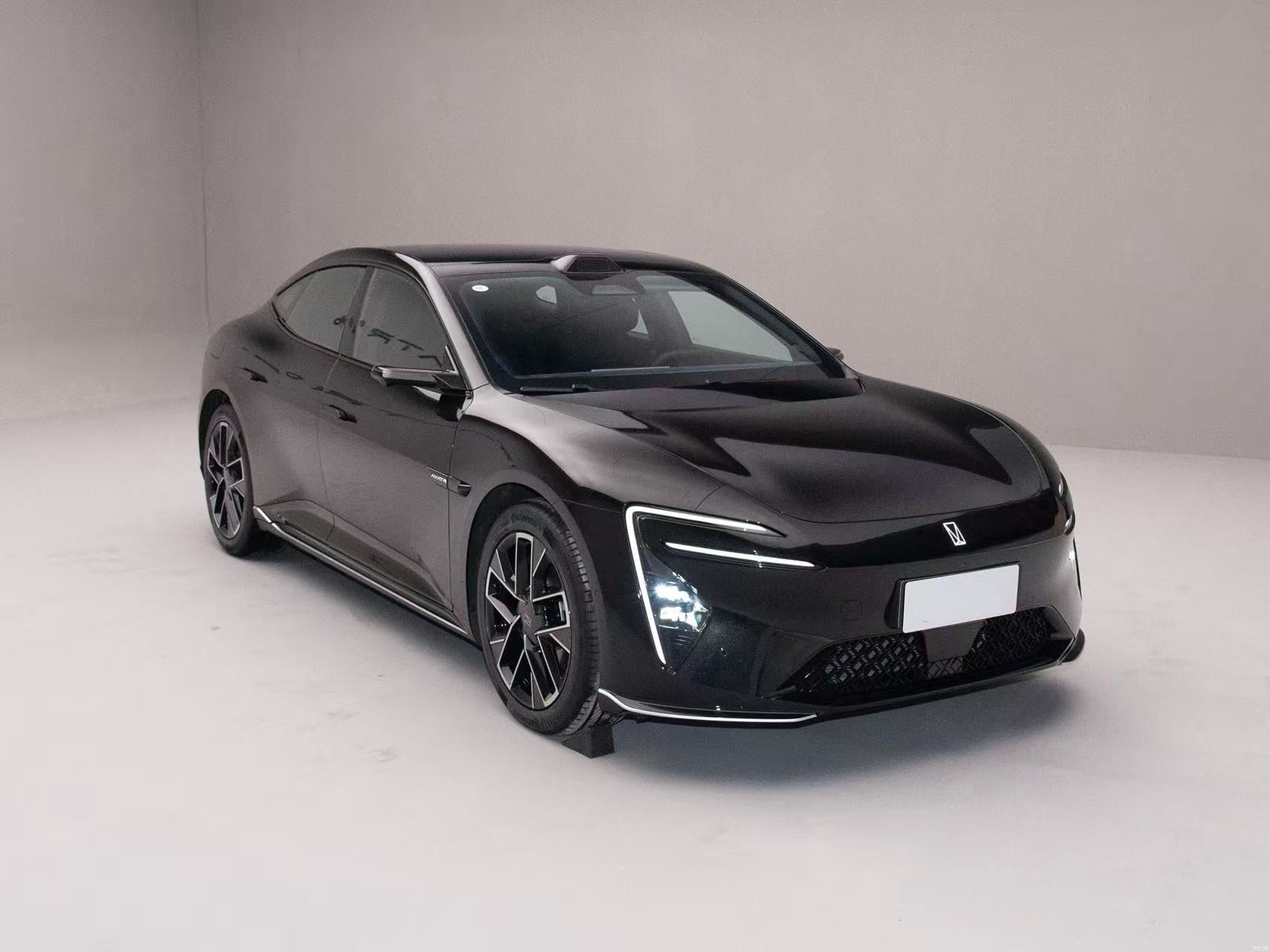
The global shift toward new energy vehicles is not a trend driven by novelty alone. Cities around the world are facing mounting pressure from congestion, pollution, and aging transport infrastructure, and new energy vehicles are emerging as a direct response to those systemic challenges. Understanding why new energy vehicles are reshaping urban transportation requires a close look at the forces driving adoption, the technology enabling the shift, and the urban planning decisions being made around them.

New energy vehicles include battery electric vehicles, plug-in hybrids, and hydrogen fuel cell vehicles, all of which reduce or eliminate dependence on conventional fossil fuels. As cities grow denser and environmental regulations tighten, new energy vehicles offer urban planners and commuters a viable, scalable alternative. The transformation happening in urban transport today is not simply about swapping engines — it is about reimagining how cities move, breathe, and function at every level.
Environmental Pressures Driving the Urban Shift
Air Quality and Emission Reduction Goals
Urban air quality has become a defining public health issue across major metropolitan areas. Conventional combustion vehicles remain one of the largest contributors to nitrogen oxide and particulate matter emissions in dense city environments. New energy vehicles produce zero tailpipe emissions, which makes them directly aligned with the emission reduction mandates that city governments are increasingly enforcing. As municipalities commit to carbon neutrality timelines, new energy vehicles are becoming a policy priority rather than an optional upgrade.
Regulators in many regions are setting hard deadlines for phasing out combustion-only vehicles in urban zones. These regulatory signals are accelerating fleet transitions for public transport operators, logistics providers, and private car buyers alike. New energy vehicles are not simply cleaner alternatives — they are becoming the required standard for urban compliance. This regulatory momentum is one of the strongest structural reasons why new energy vehicles are reshaping city transportation so rapidly.
Noise Reduction and Urban Livability
Beyond emissions, new energy vehicles contribute to reduced urban noise pollution. Electric drivetrains operate significantly more quietly than combustion engines, particularly at lower speeds common in city driving. This acoustic benefit improves quality of life in residential districts, near schools, and in commercial pedestrian zones. As city planners consider livability alongside mobility, new energy vehicles represent a meaningful upgrade in the day-to-day urban experience. The quieter streets enabled by new energy vehicles are increasingly factored into smart city design frameworks.
Technology Enabling Urban Mobility Transformation
Battery Performance and Charging Infrastructure
Early concerns about range and charging convenience were significant barriers to urban adoption of new energy vehicles. Those barriers are diminishing rapidly as battery energy density improves and charging networks expand into residential zones, commercial districts, and transit corridors. Modern new energy vehicles designed for urban use offer sufficient range for daily commuting without requiring overnight charging at every stop. Fast-charging stations are being integrated into parking facilities, shopping centers, and transit hubs, making new energy vehicles increasingly practical for the average urban resident.
The reliability of new energy vehicles in stop-and-go urban traffic has also improved substantially. Regenerative braking systems recover energy during deceleration, which is frequent in city driving, extending effective range and reducing brake wear. New energy vehicles are now engineered specifically around urban duty cycles, making them more efficient in dense traffic than conventional vehicles. This technical alignment between new energy vehicles and city driving patterns is a critical factor in their accelerating urban adoption rate.
Smart Connectivity and Integrated Urban Systems
New energy vehicles are increasingly designed with advanced connectivity features that integrate with smart city infrastructure. Vehicle-to-grid technology allows new energy vehicles to interact with power networks, supporting grid stability during peak demand periods. Intelligent navigation systems in new energy vehicles can communicate with traffic management platforms to optimize routing, reduce congestion, and improve overall urban traffic flow. This level of system integration makes new energy vehicles not just transportation tools but active participants in urban energy and mobility ecosystems.
Connected new energy vehicles also generate data that urban planners use to refine infrastructure investments. Usage patterns from new energy vehicles help cities identify where charging points are most needed, which routes carry the heaviest electric vehicle traffic, and how mobility demand shifts across different times of day. The data intelligence embedded in modern new energy vehicles is reshaping how cities plan, monitor, and adjust their transportation networks in real time.
Economic and Policy Momentum Behind the Transition
Total Cost of Ownership and Urban Fleet Economics
For urban fleet operators — including taxi services, ride-hailing platforms, delivery companies, and municipal transit agencies — new energy vehicles offer compelling total cost of ownership advantages. Electricity costs per kilometer are consistently lower than fuel costs for equivalent combustion vehicles. New energy vehicles also require less maintenance due to fewer moving parts, no oil changes, and reduced brake system wear from regenerative braking. Over a multi-year operating horizon, these savings make new energy vehicles the financially rational choice for high-utilization urban fleets.
Governments around the world are further reducing the cost barrier by offering purchase incentives, tax exemptions, and preferential licensing for new energy vehicles. In many cities, new energy vehicles benefit from exemptions on congestion charges, access to restricted low-emission zones, and priority parking. These policy advantages stack on top of operating savings to create a strong economic case that is accelerating the replacement of combustion vehicles with new energy vehicles in urban fleets at a pace that would have seemed unlikely just a decade ago.
Industry Investment and Model Availability
Automotive manufacturers are committing unprecedented capital to new energy vehicles development. The rapid expansion of available models — from compact city cars to full-size SUVs and commercial vans — means that new energy vehicles now serve virtually every urban transport need. Consumers and fleet buyers no longer face limited choices. The growing diversity of new energy vehicles on the market reflects industry confidence that urban transport electrification is permanent and accelerating. As production scales and competition intensifies, new energy vehicles are becoming more affordable and more capable with each model generation.
FAQ
Why are new energy vehicles better suited for urban environments than rural ones?
New energy vehicles perform most efficiently in stop-and-go traffic, where regenerative braking recovers energy that would otherwise be lost. Urban driving cycles align closely with the strengths of new energy vehicles, including short trip distances, frequent deceleration, and access to charging at fixed locations. Rural long-distance driving can still challenge battery range, though this gap is narrowing as new energy vehicles continue to improve.
How do new energy vehicles contribute to smarter city planning?
New energy vehicles generate mobility and energy data that city planners use to improve infrastructure decisions. Charging demand patterns from new energy vehicles help municipalities allocate grid capacity, plan charging station placement, and forecast future energy needs. Smart connectivity in new energy vehicles also supports traffic management systems, reducing congestion and improving overall urban efficiency.
What makes new energy vehicles a long-term investment for urban fleet operators?
New energy vehicles offer lower fuel and maintenance costs compared to combustion alternatives, which compounds significantly over high-utilization operating periods. Regulatory trends strongly favor new energy vehicles, meaning fleets that transition early avoid future compliance costs and access current incentive programs. As energy costs remain volatile, the stability of electricity pricing for new energy vehicles adds further financial predictability for urban fleet operators.