
 EN
EN
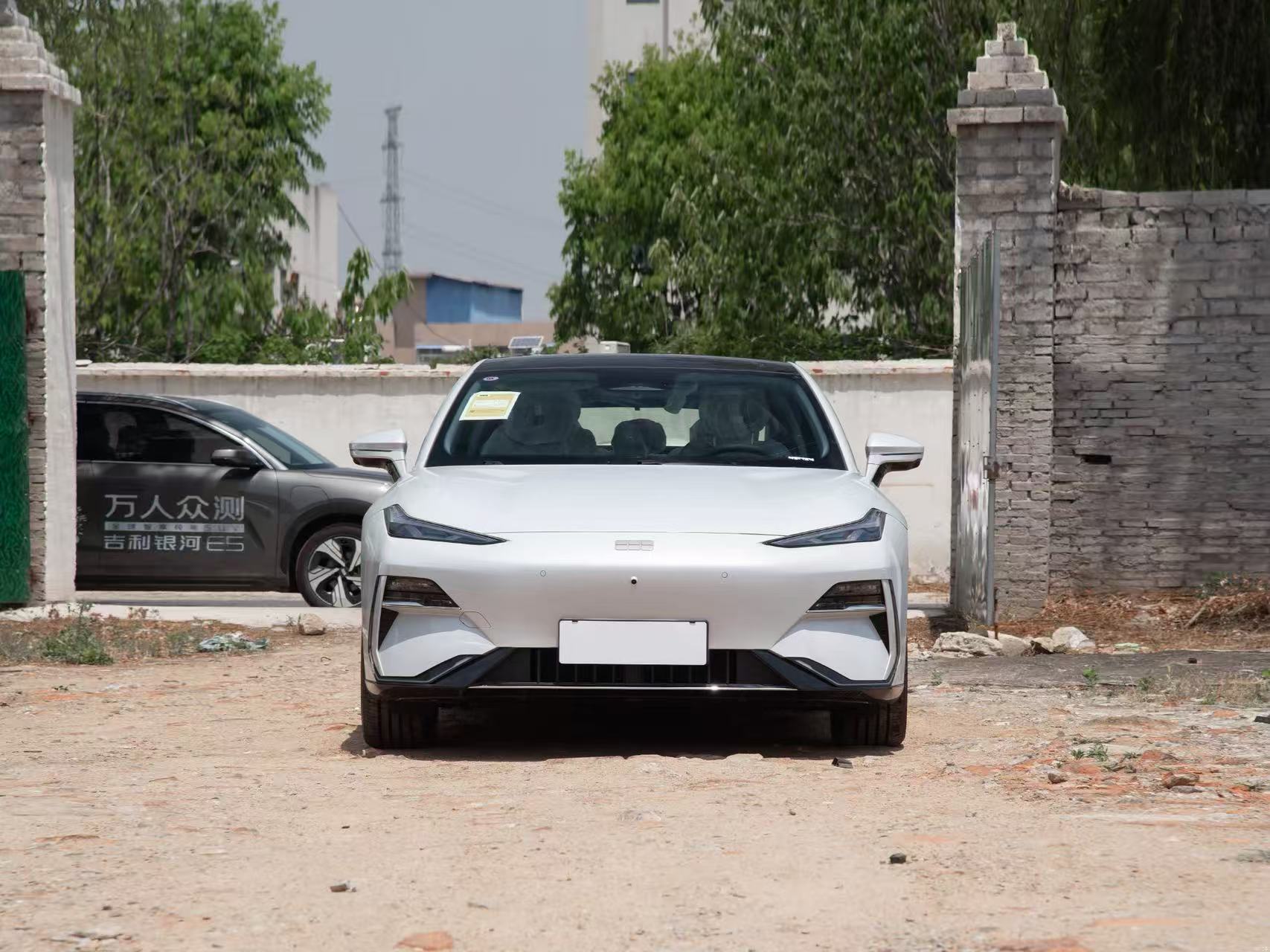
Across the African continent, a quiet but powerful shift is reshaping how businesses move goods, serve clients, and build fleets. More companies, from logistics startups in Lagos to delivery services in Nairobi, are choosing chinese cars as their preferred mobility solution. This trend is not accidental. It reflects a calculated business decision driven by cost, performance, and availability that chinese cars consistently deliver in markets where budgets are tight and demand is high.

The rise of chinese cars in Africa is one of the most significant automotive developments of the past decade. Chinese cars now appear in urban fleets, rural transport networks, and corporate vehicle pools throughout Sub-Saharan Africa, North Africa, and East Africa. Understanding why so many businesses are making this switch requires examining what chinese cars actually offer that traditional alternatives do not.
The Cost Advantage of Chinese Cars in African Markets
Purchase Price and Total Ownership Cost
One of the most compelling reasons African businesses gravitate toward chinese cars is the purchase price. Chinese cars are priced significantly lower than their European, Japanese, or American counterparts with comparable specifications. For a business operating across multiple locations or managing a delivery fleet, the ability to acquire more chinese cars within a fixed budget directly translates into greater operational capacity. Chinese cars allow companies to scale their fleets without the capital strain that premium-brand vehicles impose.
Beyond the sticker price, chinese cars also offer lower total cost of ownership. Spare parts for chinese cars have become increasingly available across African markets as importers respond to growing demand. Maintenance costs for chinese cars are lower because the parts ecosystem has matured rapidly, and local mechanics have gained experience servicing chinese cars in cities and towns throughout the continent.
Financing and Import Accessibility
Chinese cars are also easier to import in volume, particularly through established trade corridors between China and African nations. Many suppliers of chinese cars offer flexible payment terms that suit small and medium enterprises. Governments in several African countries have also reduced import duties on chinese cars as part of bilateral trade agreements, further lowering the barrier for business buyers. This accessibility makes chinese cars a practical first-choice for entrepreneurs and fleet managers who need vehicles quickly and cost-effectively.
Performance and Feature Sets That Match African Conditions
Durability in Challenging Road Environments
Critics once questioned whether chinese cars could handle Africa's demanding road conditions. That perception has changed dramatically. Modern chinese cars are engineered with ground clearance, suspension tuning, and powertrain configurations that perform reliably on unpaved roads, in dusty environments, and in high-temperature climates. Chinese cars designed for emerging markets often incorporate reinforced chassis components and cooling systems that suit conditions commonly found across African regions.
Businesses that have deployed chinese cars in logistics, agriculture, and passenger transport report that these vehicles maintain consistent performance over extended periods. The newer generations of chinese cars incorporate lessons learned from global markets, resulting in vehicles that are both reliable and practical for African business use cases.
Technology and Modern Features at Accessible Prices
Chinese cars today are not the basic, stripped-down products of earlier years. Contemporary chinese cars come equipped with touchscreen infotainment systems, advanced driver assistance features, fuel-efficient engines, and even fully electric powertrains. For African businesses that want modern fleet vehicles without paying premium prices, chinese cars represent an outstanding value proposition. Electric chinese cars, in particular, are gaining traction in urban business fleets where fuel costs are a major operational expense.
Strategic Reasons Behind the Growing Business Preference
Fleet Scalability and Brand Diversity
One strategic advantage that chinese cars provide is the sheer variety of models available. Whether a business needs compact city vehicles, mid-size SUVs, commercial vans, or electric passenger cars, chinese cars span every segment. This variety allows businesses to standardize on one supplier while fulfilling diverse operational needs. A transport company can build an entire fleet using chinese cars configured for different roles, simplifying procurement, training, and maintenance operations.
Chinese cars also offer the flexibility to match growing businesses. A startup can begin with a small number of affordable chinese cars and scale up as revenues grow, benefiting from consistent parts compatibility and service familiarity across the fleet. This scalability is something businesses value deeply when planning multi-year mobility strategies.
After-Sales Support and Local Dealer Networks
The after-sales infrastructure for chinese cars in Africa has grown considerably in recent years. Major brands producing chinese cars have invested in dealer networks, service centers, and parts warehouses across key African markets. Businesses that choose chinese cars today can expect warranty support, trained technicians, and accessible spare parts in ways that were not possible even five years ago. This improving support structure reduces operational risk and gives business owners greater confidence in their decision to adopt chinese cars as fleet vehicles.
FAQ
Are chinese cars reliable enough for commercial fleet use in Africa?
Yes. Modern chinese cars are engineered to perform in demanding environments including the road conditions found across much of Africa. Many businesses report consistent reliability from chinese cars used in logistics, delivery, and passenger transport roles, particularly when routine maintenance schedules are followed.
How do chinese cars compare in cost to other imported vehicles for business fleets?
Chinese cars are generally priced 20 to 40 percent lower than equivalent European or Japanese models. For fleet purchases, this price gap means businesses can acquire significantly more chinese cars within the same budget, increasing operational capacity without increasing capital expenditure.
Are electric chinese cars a viable option for African businesses?
Electric chinese cars are increasingly viable for urban African business fleets, especially where charging infrastructure is developing. Several electric chinese cars offer low running costs and modern features that appeal to businesses managing fuel expenses. As infrastructure improves, the case for electric chinese cars in Africa will only grow stronger.