
 EN
EN
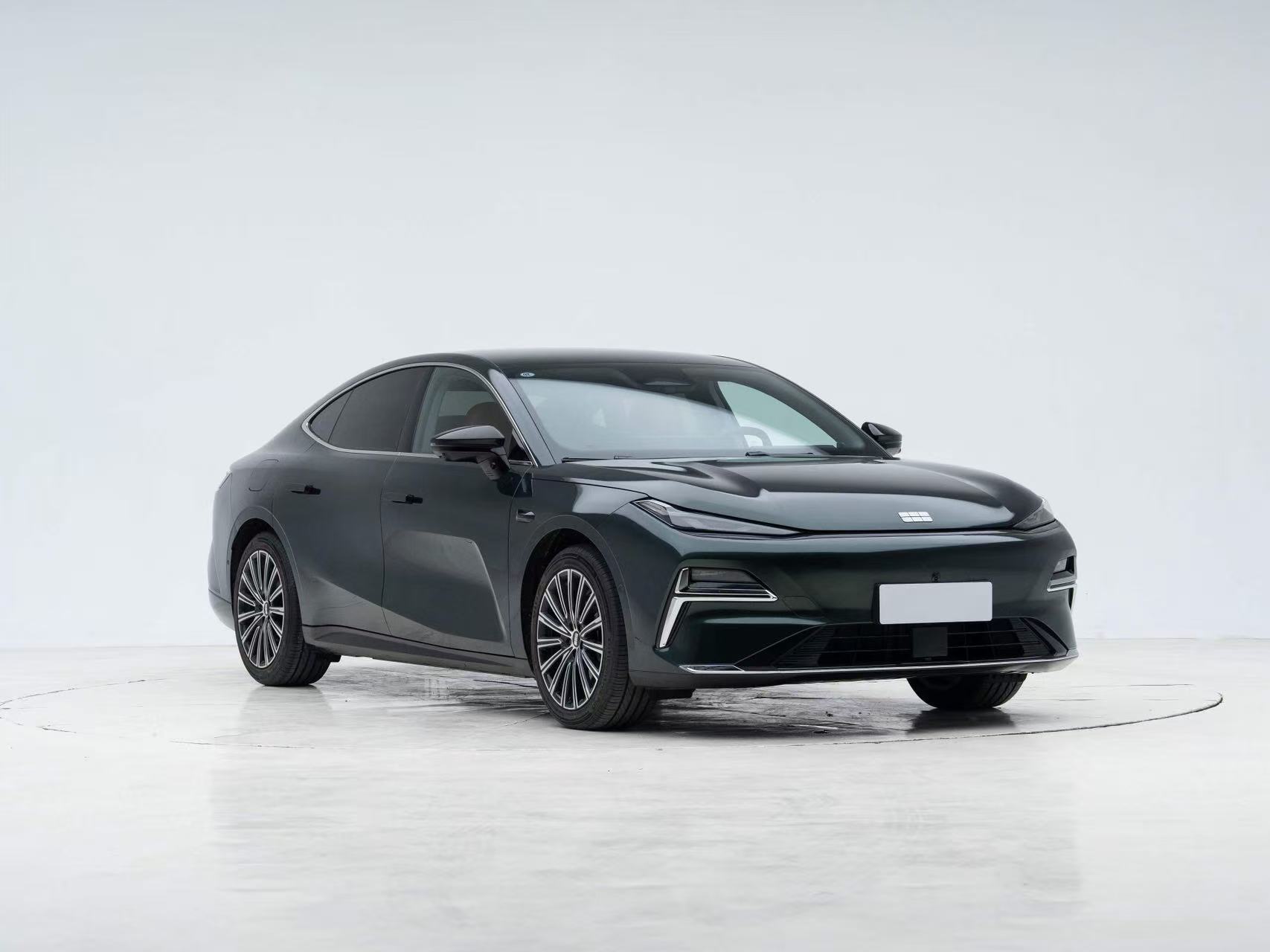
The global push toward electric mobility has found an unexpected accelerator in the rise of Chinese automobiles. Once regarded primarily as a domestic manufacturing story, Chinese automobiles have evolved into a formidable export force, carrying with them advanced battery technology, competitive pricing, and long-range capability that few regions can match at scale. As more markets open their doors to Chinese automobiles, industry analysts are asking a serious question: could this export wave be the catalyst that truly globalizes EV adoption?
Chinese automobiles now represent one of the fastest-growing segments in global vehicle trade. Brands producing Chinese automobiles have invested heavily in new energy vehicle platforms, delivering models with impressive range, smart connectivity, and accessible price points. The widespread availability of Chinese automobiles in emerging and developed markets alike is reshaping buyer expectations and putting real pressure on legacy automakers to accelerate their own EV timelines. Understanding why Chinese automobiles carry so much potential for global EV adoption requires looking at the structural advantages they bring to the table.
The Competitive Edge of Chinese Automobiles in Global Markets
Cost Efficiency and Manufacturing Scale
One of the most defining characteristics of Chinese automobiles is their ability to deliver high-value electric mobility at a lower price point than many Western or Japanese counterparts. Chinese automobiles benefit from a deeply integrated domestic supply chain, including battery cell production, electric motor manufacturing, and semiconductor components, all concentrated within China's industrial ecosystem. This vertical integration allows Chinese automobiles to absorb cost pressures that would otherwise raise retail prices significantly. For buyers in Southeast Asia, Latin America, the Middle East, and parts of Europe, Chinese automobiles offer an affordable entry into EV ownership that simply was not accessible before.
Technology Investment in Chinese Automobiles
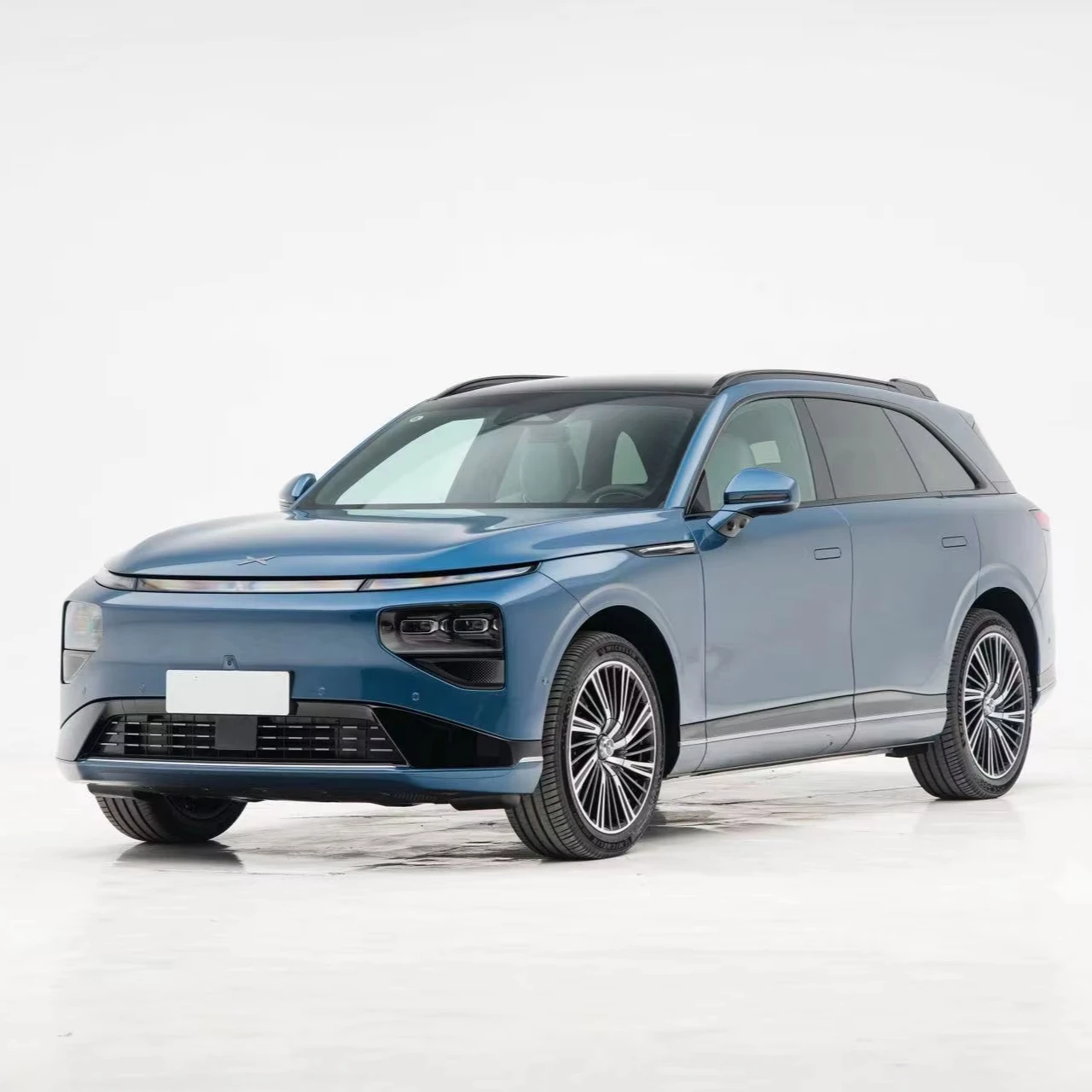
Modern Chinese automobiles are no longer defined by budget specifications. Leading Chinese automobiles now feature advanced driver assistance systems, over-the-air software updates, fast-charging infrastructure compatibility, and battery ranges exceeding 600 kilometers on a single charge. The Xiaopeng G9, a strong example among current Chinese automobiles, demonstrates how premium performance and intelligent systems can coexist at a competitive price. Chinese automobiles like this model signal a technological maturity that is changing international perceptions and making Chinese automobiles a credible option for discerning B2B fleet operators and retail buyers globally.
How Chinese Automobile Exports Are Influencing EV Policy Worldwide
Market Penetration and Policy Response
The growing volume of Chinese automobiles entering international markets has prompted governments and trade blocs to reconsider their own EV adoption strategies. When Chinese automobiles arrive with competitive pricing and strong range performance, local policymakers face pressure to either match import terms or accelerate domestic EV incentives to keep pace. In this way, Chinese automobiles are indirectly catalyzing policy reform in multiple regions. The visibility of Chinese automobiles on city streets in Europe, Southeast Asia, and the Gulf region normalizes EV ownership and helps dismantle range anxiety narratives that have slowed adoption for years.
Chinese Automobiles and the Charging Infrastructure Debate
A recurring concern when Chinese automobiles enter new markets is whether charging infrastructure can support demand. Interestingly, the export of Chinese automobiles has itself become a driver of infrastructure investment. Importers, fleet operators, and distributors of Chinese automobiles frequently negotiate charging network agreements as part of their market entry strategy. The business case for deploying charging stations strengthens as Chinese automobiles increase their share of local EV markets. This creates a positive feedback loop where Chinese automobiles drive infrastructure, and infrastructure drives further adoption of Chinese automobiles.
What Chinese Automobiles Mean for B2B Buyers and Fleet Operators
Total Cost of Ownership for Chinese Automobiles
For B2B procurement teams evaluating Chinese automobiles, total cost of ownership is often the decisive factor. Chinese automobiles typically carry lower acquisition costs than equivalent Western EVs, and their electric drivetrains reduce ongoing fuel and maintenance expenses. Fleet operators who have deployed Chinese automobiles report significant reductions in per-kilometer running costs. Chinese automobiles designed for commercial and fleet use also tend to offer long warranty coverage on battery systems, reducing the financial risk associated with transitioning large fleets from internal combustion to electric. The economic argument for Chinese automobiles in B2B contexts is increasingly difficult to ignore.
Long-Range Models Among Chinese Automobiles
Long-range capability is a top priority for fleet operators, and Chinese automobiles have made significant progress in this area. Several Chinese automobiles currently available for export offer ranges well above 500 kilometers under real-world conditions. This makes Chinese automobiles suitable for intercity logistics, executive transport, and regional fleet operations without the operational interruptions caused by frequent recharging. As Chinese automobiles with extended range become more widely available through international distributors, the practical barriers to large-scale fleet electrification continue to shrink. Chinese automobiles are positioning themselves not just as urban commuter options, but as viable long-haul fleet solutions.
FAQ
Why are Chinese automobiles expanding their global export presence so rapidly?
Chinese automobiles benefit from a combination of mature battery supply chains, government-backed research investment, and competitive manufacturing costs. These structural advantages allow Chinese automobiles to be priced attractively in international markets while maintaining strong technical specifications. As global demand for EVs grows, Chinese automobiles are well-positioned to capture market share in regions where affordable EV options have previously been limited.
Are Chinese automobiles suitable for fleet procurement in international markets?
Yes. Chinese automobiles have become increasingly relevant for fleet procurement due to their lower acquisition costs, reduced running expenses, and improving after-sales support networks. Many Chinese automobiles now meet the safety, connectivity, and range standards required by commercial fleet operators. B2B buyers evaluating Chinese automobiles should review warranty terms, local service availability, and charging compatibility before finalizing procurement decisions.
How do Chinese automobiles impact EV adoption rates in emerging markets?
Chinese automobiles introduce price-accessible EV options to markets where high vehicle costs have historically blocked electrification. When Chinese automobiles enter markets with limited prior EV penetration, they raise awareness, stimulate infrastructure investment, and encourage policy development. The presence of Chinese automobiles in these markets accelerates the overall EV adoption curve by making electric mobility a realistic choice for a much broader segment of the population.