
 EN
EN
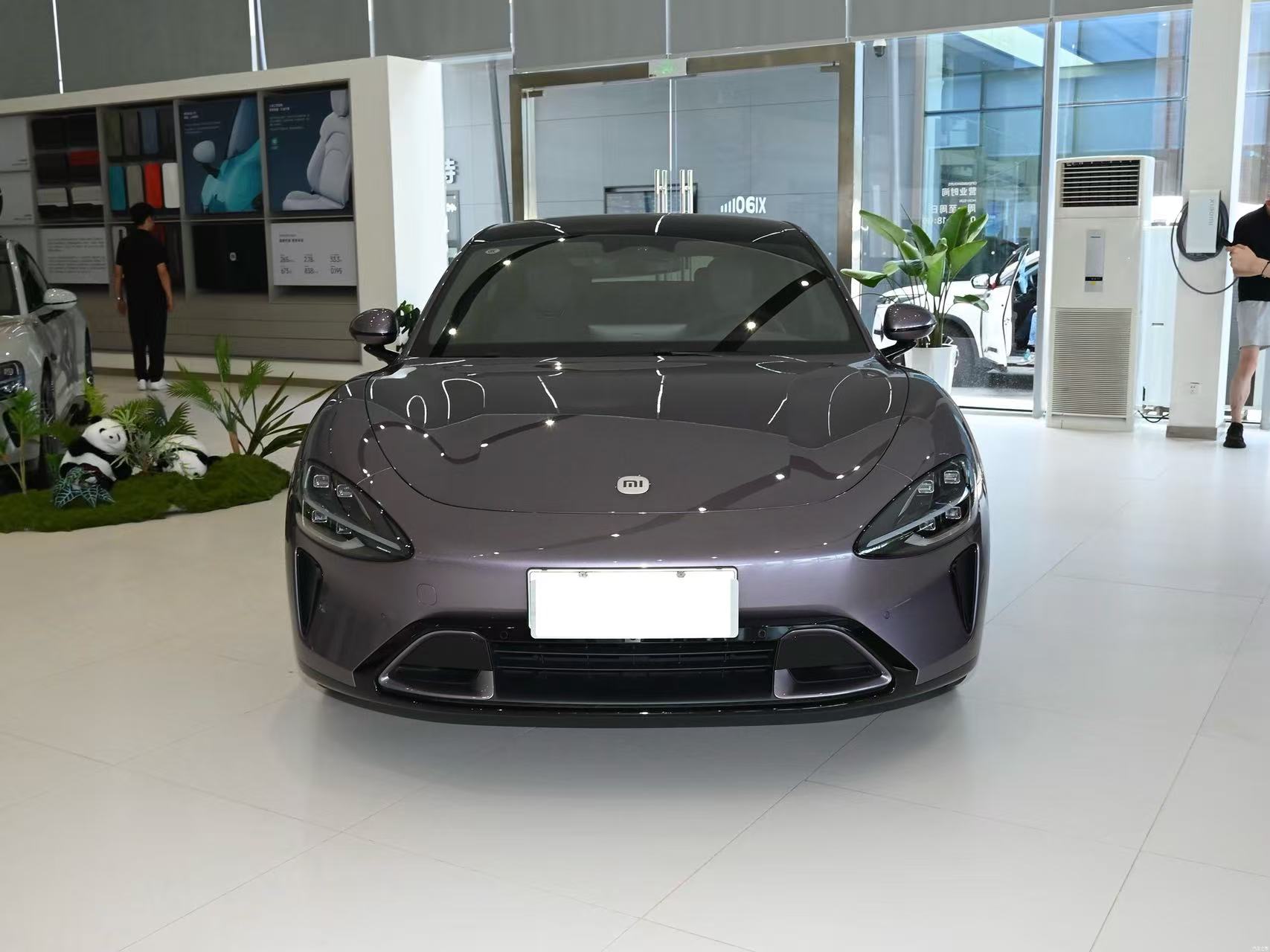
The modern car purchase is no longer driven primarily by engine size or brand loyalty. Today, buyers approach every car purchase with a detailed checklist of technology features, from advanced driver-assistance systems to smart connectivity and energy management tools. This shift in car purchase behavior reflects a broader change in consumer priorities, where digital intelligence and safety innovation carry as much weight as performance or aesthetics in any car purchase decision.
Understanding why technology comparison has become central to the car purchase process requires looking at how buyers research vehicles, what they value most, and how manufacturers are responding. Whether a buyer is considering a luxury electric vehicle or a standard commuter car, the car purchase journey now involves deep feature analysis across multiple platforms before a final decision is ever made. This article explores the key reasons behind this technology-first car purchase mindset.
The Evolving Expectations Behind Every Car Purchase
Technology as a Primary Car Purchase Driver
In previous decades, a car purchase was largely influenced by horsepower, fuel economy, and brand reputation. Today, buyers entering a car purchase process rank technology features among the top three decision factors. Infotainment systems, over-the-air software updates, autonomous driving capabilities, and integrated smart home connectivity have transformed what buyers expect from a car purchase. A vehicle that lacks modern tech features is increasingly viewed as an incomplete car purchase investment, regardless of its mechanical quality.
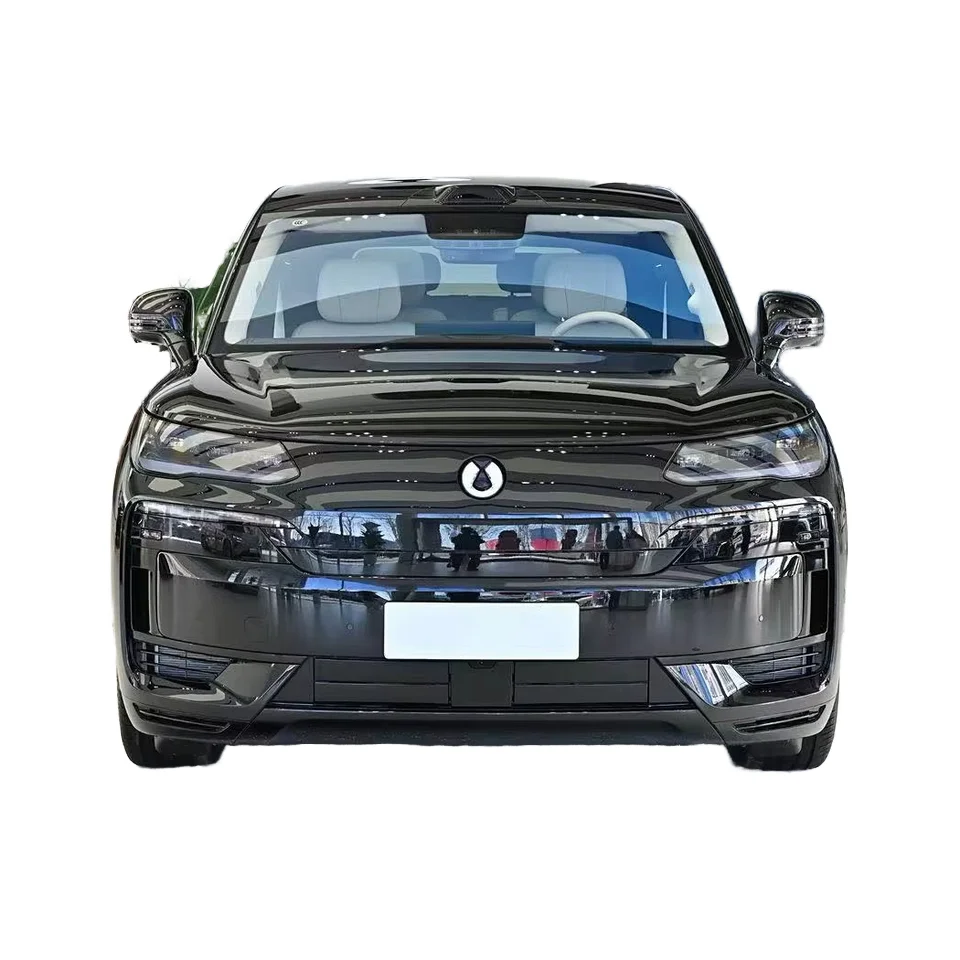
This is especially visible in the new energy vehicle market, where a car purchase often involves comparing battery management systems, regenerative braking intelligence, and charging network compatibility. The car purchase of a vehicle like the Tengshi N9 2025 Luxury Edition illustrates this perfectly, as buyers evaluate its premium intelligent features alongside its electric powertrain before committing. Technology integration is no longer a bonus in any car purchase — it is a baseline requirement.
Digital Research and the Pre-Purchase Comparison Habit
Before visiting any showroom, most buyers conduct extensive online research as part of their car purchase preparation. Comparison websites, owner forums, and official specification pages are all consulted during the car purchase research phase. Buyers cross-reference technology features such as head-up display resolution, voice assistant responsiveness, and driver-monitoring system accuracy. This pre-visit car purchase research significantly shapes what buyers expect when they finally sit in a vehicle, making technology literacy a key part of the car purchase conversation between buyers and dealers.
Why Technology Comparison Matters More in EV Car Purchases
The Higher Stakes of an EV Car Purchase Decision
An electric vehicle car purchase carries unique considerations that make technology comparison even more critical. Unlike a traditional car purchase where mechanical reliability is relatively predictable, an EV car purchase involves evaluating software ecosystems, battery health monitoring, and charging infrastructure support. Buyers making an EV car purchase want assurance that the vehicle's technology will remain current through software updates and that its intelligent energy systems will deliver consistent real-world range. These factors make every EV car purchase a more research-intensive process than a conventional one.
For premium EV buyers, a car purchase also involves examining features like adaptive suspension tuning, multi-screen cockpit design, and AI-powered navigation. A luxury EV car purchase such as the Tengshi N9 2025 allows buyers to evaluate how intelligent vehicle systems combine with high-end comfort, making the car purchase feel like an investment in a connected lifestyle rather than simply a transportation decision. The sophistication of these technology layers justifies the time buyers spend comparing options before finalizing any car purchase.
Safety Technology as a Non-Negotiable in Any Car Purchase
Modern safety systems have become one of the most compared technology categories in a car purchase. Buyers now evaluate automatic emergency braking, lane-keeping assistance, blind-spot monitoring, and pedestrian detection as standard expectations in a car purchase. When two vehicles are similarly priced, the depth and reliability of their safety technology stack can become the single deciding factor in a car purchase. This safety-first car purchase logic is especially strong among families, frequent highway drivers, and buyers in urban environments where traffic complexity demands advanced assistance systems.
Beyond passive safety, buyers exploring a car purchase today also evaluate proactive safety intelligence, including driver fatigue detection and risk-anticipation algorithms. These systems represent the frontier of car purchase value, as they directly protect occupants rather than merely adding convenience. The expectation that a car purchase should deliver genuinely intelligent safety technology has become deeply embedded in how buyers evaluate and justify their car purchase choices.
How Manufacturers Are Responding to Technology-Driven Car Purchase Behavior
Feature Transparency and the Car Purchase Experience
Automakers are now investing heavily in making technology features transparent and accessible before the car purchase is complete. Detailed specification pages, interactive configurators, and technology demonstration videos are all designed to support the car purchase research process. Manufacturers understand that a buyer who feels fully informed about technology features during the car purchase journey is more likely to commit and less likely to experience post-purchase regret. This transparency is reshaping how the car purchase experience is designed from first contact to final delivery.
Dealers are also training staff to walk buyers through technology demonstrations as a core part of the car purchase consultation. A hands-on car purchase experience that showcases AI cockpit features, wireless connectivity, and driver-assistance calibration gives buyers the confidence they need. When buyers can directly interact with the technology before completing a car purchase, satisfaction levels rise significantly. This practical demonstration approach is now a standard part of how dealerships support the car purchase process for technology-forward vehicles.
Long-Term Value and the Car Purchase Investment Mindset
Buyers today view a car purchase as a long-term technology investment, not just a transportation transaction. The ability to receive software upgrades, expand functionality over time, and maintain compatibility with evolving digital ecosystems gives a car purchase lasting value. This investment mindset motivates buyers to spend more time comparing technology features before a car purchase, because the right technology choice can extend the vehicle's relevance and performance for years beyond delivery. The car purchase decision is therefore increasingly evaluated on future-readiness, not just current specifications.
FAQ
Why do technology features matter so much in a car purchase today?
Technology features now directly affect safety, convenience, long-term value, and the overall driving experience. Buyers approaching a car purchase recognize that intelligent systems like ADAS, smart connectivity, and energy management can significantly improve daily use, making technology comparison an essential part of any informed car purchase decision.
How should buyers evaluate technology before a car purchase?
Buyers should research official specifications, read independent reviews, and request hands-on demonstrations during the car purchase process. Comparing how technology systems perform in real-world conditions, rather than relying solely on marketing claims, helps buyers make a car purchase that genuinely meets their needs and lifestyle requirements.
Does investing in advanced technology make a car purchase more worthwhile?
Yes, a car purchase that includes advanced technology tends to offer better long-term value through software updates, enhanced safety, and compatibility with future digital ecosystems. Buyers who prioritize technology during a car purchase are more likely to remain satisfied with their vehicle over time, reducing the likelihood of an early replacement car purchase.