
 EN
EN
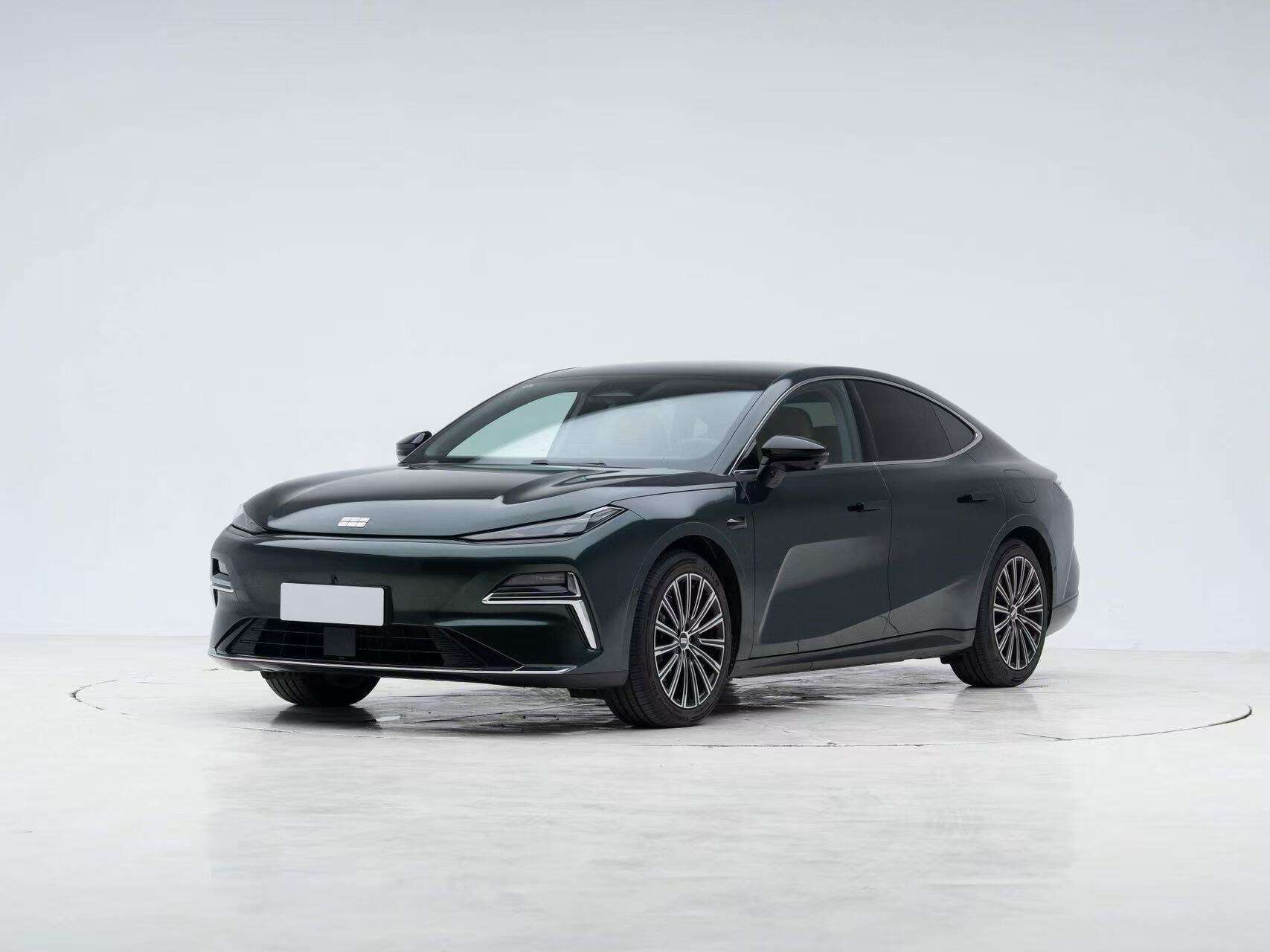
Fleet operators across the globe are experiencing an unprecedented transformation in their vehicle acquisition strategies, with many rapidly transitioning from traditional combustion engines to advanced electric and hybrid powertrains. This dramatic shift represents more than just a trend; it signals a fundamental change in how commercial transportation will operate in the coming decades. The acceleration toward sustainable mobility solutions is being driven by a convergence of economic, environmental, and technological factors that make the business case for electrification increasingly compelling for fleet managers.

The momentum behind this transition continues to build as fleet operators discover that electric and hybrid vehicles offer tangible operational advantages that extend far beyond environmental benefits. From reduced maintenance requirements to improved driver satisfaction, the comprehensive value proposition of modern electric fleets is reshaping industry expectations. Understanding the driving forces behind this rapid adoption provides valuable insights into the future of commercial transportation and the strategic decisions that successful fleet operators are making today.
Economic Drivers Behind Fleet Electrification
Total Cost of Ownership Advantages
Fleet operators are discovering that the total cost of ownership for electric vehicles has reached a tipping point where it often surpasses traditional vehicles in economic efficiency. Initial purchase prices, while historically higher, are declining rapidly due to increased production volumes and technological improvements. When combined with significantly lower fuel costs, reduced maintenance requirements, and various government incentives, the financial equation strongly favors electric adoption for many fleet applications.
Maintenance cost reductions represent one of the most significant economic advantages of electric fleet vehicles. Electric powertrains contain fewer moving parts compared to internal combustion engines, eliminating the need for oil changes, transmission repairs, and many other routine maintenance procedures. This reduction in maintenance complexity translates directly into lower operating costs and increased vehicle availability, as fleet vehicles spend less time in service bays and more time generating revenue for their operators.
Energy Cost Predictability
Electricity pricing offers fleet operators a level of cost predictability that traditional fuel markets cannot match. While petroleum prices fluctuate based on geopolitical events, seasonal demand, and market speculation, electricity rates tend to remain relatively stable over longer periods. This stability allows fleet managers to develop more accurate long-term budgets and reduces the financial uncertainty associated with fuel cost volatility.
Many fleet operators are also taking advantage of time-of-use electricity pricing to further reduce their energy costs. By scheduling vehicle charging during off-peak hours when electricity rates are lowest, fleets can achieve substantial savings compared to daytime charging or traditional fueling. Some operators have reported energy cost reductions of 60-70% compared to gasoline or diesel fuel, making the economic case for electrification even more compelling.
Environmental and Regulatory Pressures
Emission Reduction Requirements
Increasingly stringent emission regulations at local, national, and international levels are creating strong incentives for fleet electrification. Many cities and regions have implemented or announced plans for low-emission zones that restrict or penalize the operation of conventional vehicles in urban areas. These regulatory frameworks make electric vehicle adoption not just environmentally responsible, but operationally necessary for fleets that need to maintain access to all areas of their service territories.
Corporate sustainability commitments are also driving rapid adoption of electric fleet vehicles as companies seek to reduce their carbon footprints and meet environmental goals. Many organizations have established aggressive targets for reducing greenhouse gas emissions, and fleet electrification represents one of the most effective strategies for achieving these objectives. The visibility of fleet vehicles also makes them powerful symbols of corporate environmental responsibility, enhancing brand reputation while delivering practical emission reductions.
Public Health Considerations
The public health benefits of reduced vehicle emissions are becoming increasingly recognized and valued by communities and government agencies. Electric vehicles produce zero direct emissions, significantly improving local air quality in urban areas where fleet vehicles typically operate. This improvement in air quality has measurable health benefits, particularly for vulnerable populations such as children and individuals with respiratory conditions.
Fleet operators serving communities with high levels of air pollution are finding that electric vehicle adoption enhances their social license to operate and strengthens relationships with customers and stakeholders. The elimination of tailpipe emissions from fleet operations demonstrates a tangible commitment to community health and environmental stewardship that resonates with both public and private sector clients.
Technological Advancement and Performance Benefits
Battery Technology Improvements
Rapid advances in battery technology have addressed many of the early concerns about electric vehicle performance and practicality for fleet applications. Modern lithium-ion batteries offer significantly improved energy density, allowing vehicles to achieve ranges that meet the operational requirements of most fleet applications. Battery costs have decreased by more than 80% over the past decade, making electric vehicles increasingly cost-competitive with conventional alternatives.
Battery durability and longevity have also improved dramatically, with many manufacturers now offering warranties of eight years or more on battery systems. This extended warranty coverage provides fleet operators with confidence in the long-term reliability of their electric vehicles and reduces concerns about expensive battery replacement costs. Advanced battery management systems optimize charging and discharging cycles to maximize battery life and maintain performance over the vehicle's operational lifetime.
Charging Infrastructure Development
The expansion of charging infrastructure has eliminated range anxiety as a significant barrier to fleet electrification. Public charging networks have grown exponentially, with fast-charging stations now available along major transportation corridors and in urban areas. Many fleet operators are also investing in their own charging infrastructure, providing greater control over charging schedules and costs while ensuring vehicle availability.
Smart charging technologies allow fleet operators to optimize their energy usage and reduce electricity costs through intelligent load management. These systems can automatically schedule charging during off-peak hours, balance electrical loads across multiple vehicles, and even integrate with renewable energy sources to further reduce operating costs and environmental impact. The integration of vehicle-to-grid technology also creates opportunities for fleets to generate revenue by providing grid services during peak demand periods.
Operational Efficiency and Driver Experience
Performance Characteristics
Electric vehicles offer superior performance characteristics that translate into operational advantages for fleet applications. Instant torque delivery provides excellent acceleration and responsiveness, particularly beneficial for delivery vehicles that frequently stop and start in urban environments. The quiet operation of electric vehicles reduces noise pollution and enables extended operating hours in noise-sensitive areas, potentially increasing revenue opportunities for some fleet operators.
Regenerative braking systems in electric vehicles capture energy during deceleration, extending vehicle range while reducing brake wear and maintenance requirements. This technology is particularly effective in stop-and-go driving conditions common in urban fleet operations. The precise control possible with electric powertrains also enables advanced vehicle dynamics systems that enhance safety and efficiency.
Driver Satisfaction and Retention
Fleet drivers consistently report higher satisfaction levels when operating electric vehicles compared to conventional alternatives. The smooth, quiet operation of electric powertrains creates a more comfortable driving experience, reducing fatigue during long shifts. Lower vibration levels and absence of engine noise contribute to reduced stress and improved working conditions for professional drivers.
The advanced technology features typically found in modern new energy vehicle platforms also enhance driver satisfaction and safety. Features such as advanced driver assistance systems, integrated connectivity, and intuitive interfaces make vehicles easier and safer to operate. These technological advantages can be significant factors in driver recruitment and retention, particularly important considerations in today's competitive labor market.
Market Trends and Future Outlook
Vehicle Availability and Model Diversity
The expanding variety of electric vehicle models available for fleet applications has accelerated adoption by providing options suitable for diverse operational requirements. Commercial van segments now offer multiple electric options with varying cargo capacities and range capabilities. Light-duty truck segments are experiencing rapid growth in electric offerings, with several manufacturers launching purpose-built commercial electric vehicles designed specifically for fleet applications.
Medium and heavy-duty electric vehicles are also entering the market, extending electrification opportunities to larger fleet segments. These vehicles incorporate advanced battery systems and charging technologies specifically designed for the demanding duty cycles of commercial operations. The increasing availability of specialized fleet vehicles, from delivery vans to utility trucks, ensures that fleet operators can find electric alternatives that meet their specific operational needs.
Industry Ecosystem Development
A comprehensive ecosystem of support services has emerged to facilitate fleet electrification, reducing barriers to adoption and improving operational outcomes. Specialized fleet management software now includes electric vehicle-specific features such as charge monitoring, range optimization, and energy cost tracking. These tools enable fleet operators to maximize the efficiency and cost-effectiveness of their electric vehicle operations.
Financial services tailored to electric fleet vehicles have also developed, including specialized leasing programs, battery warranties, and energy service contracts. These financial products reduce the complexity and risk associated with electric vehicle adoption, making it easier for fleet operators to transition from conventional vehicles. Insurance products specifically designed for electric fleets offer competitive rates that reflect the lower accident and maintenance costs associated with electric vehicles.
Implementation Strategies and Best Practices
Pilot Program Approaches
Successful fleet electrification typically begins with carefully planned pilot programs that allow operators to gain experience with electric vehicles while minimizing risk. These pilot programs focus on vehicle applications with predictable routes and duty cycles that align well with current electric vehicle capabilities. Starting with a small number of vehicles enables fleet operators to develop operational expertise, train maintenance staff, and optimize charging infrastructure before scaling their electrification efforts.
Data collection and analysis during pilot phases provide valuable insights that inform broader electrification strategies. Fleet operators track metrics such as energy consumption, maintenance costs, driver feedback, and operational efficiency to quantify the benefits of electric vehicle adoption. This data-driven approach enables informed decision-making about vehicle specifications, charging infrastructure requirements, and operational procedures for larger-scale deployments.
Infrastructure Planning and Development
Strategic planning for charging infrastructure is critical to successful fleet electrification, requiring careful consideration of vehicle duty cycles, route patterns, and facility constraints. Many fleet operators start by installing Level 2 charging stations at their primary operating facilities to support overnight charging of vehicles with predictable daily mileage. Fast-charging capability may be added for vehicles with higher daily mileage requirements or unpredictable schedules.
Electrical infrastructure upgrades often represent a significant component of fleet electrification costs, requiring coordination with utility companies and electrical contractors. Forward-thinking fleet operators plan for future expansion by installing electrical capacity beyond their immediate needs, reducing the cost and complexity of adding additional charging stations as their electric fleets grow. Integration with renewable energy sources, such as solar panels, can further reduce operating costs and enhance sustainability benefits.
FAQ
How long does it take for electric fleet vehicles to pay for themselves through fuel and maintenance savings
The payback period for electric fleet vehicles typically ranges from 2-4 years, depending on factors such as vehicle utilization, local electricity and fuel prices, and available incentives. High-mileage vehicles with predictable routes often achieve payback in less than 3 years due to substantial fuel cost savings and reduced maintenance requirements. Fleet operators should conduct detailed total cost of ownership analyses based on their specific operational patterns to determine expected payback periods for their applications.
What are the main challenges fleet operators face when transitioning to electric vehicles
The primary challenges include upfront capital investment for vehicles and charging infrastructure, range limitations for certain applications, and the need for staff training on electric vehicle operations and maintenance. Charging infrastructure planning and utility coordination can also present logistical challenges, particularly for operators with limited facility space or older electrical systems. However, these challenges are becoming less significant as technology improves, costs decrease, and support ecosystems develop.
How do electric fleet vehicles perform in extreme weather conditions
Modern electric fleet vehicles incorporate advanced battery thermal management systems that maintain performance across a wide range of temperatures. While extreme cold can reduce battery range by 10-20%, this impact is predictable and can be managed through route planning and charging strategies. Many fleet operators find that the reliability advantages of electric powertrains outweigh weather-related range considerations, particularly when vehicles are garaged and pre-conditioned before use.
What government incentives are available to support fleet electrification
Government incentives for fleet electrification vary by location but commonly include purchase rebates, tax credits, utility incentives, and grants for charging infrastructure. Federal programs in many countries offer substantial incentives for commercial electric vehicle adoption, while state and local programs may provide additional benefits. Fleet operators should work with qualified advisors to identify and maximize available incentive opportunities, as these programs can significantly improve the economics of electric vehicle adoption.
Table of Contents
- Economic Drivers Behind Fleet Electrification
- Environmental and Regulatory Pressures
- Technological Advancement and Performance Benefits
- Operational Efficiency and Driver Experience
- Market Trends and Future Outlook
- Implementation Strategies and Best Practices
-
FAQ
- How long does it take for electric fleet vehicles to pay for themselves through fuel and maintenance savings
- What are the main challenges fleet operators face when transitioning to electric vehicles
- How do electric fleet vehicles perform in extreme weather conditions
- What government incentives are available to support fleet electrification