 EN
EN
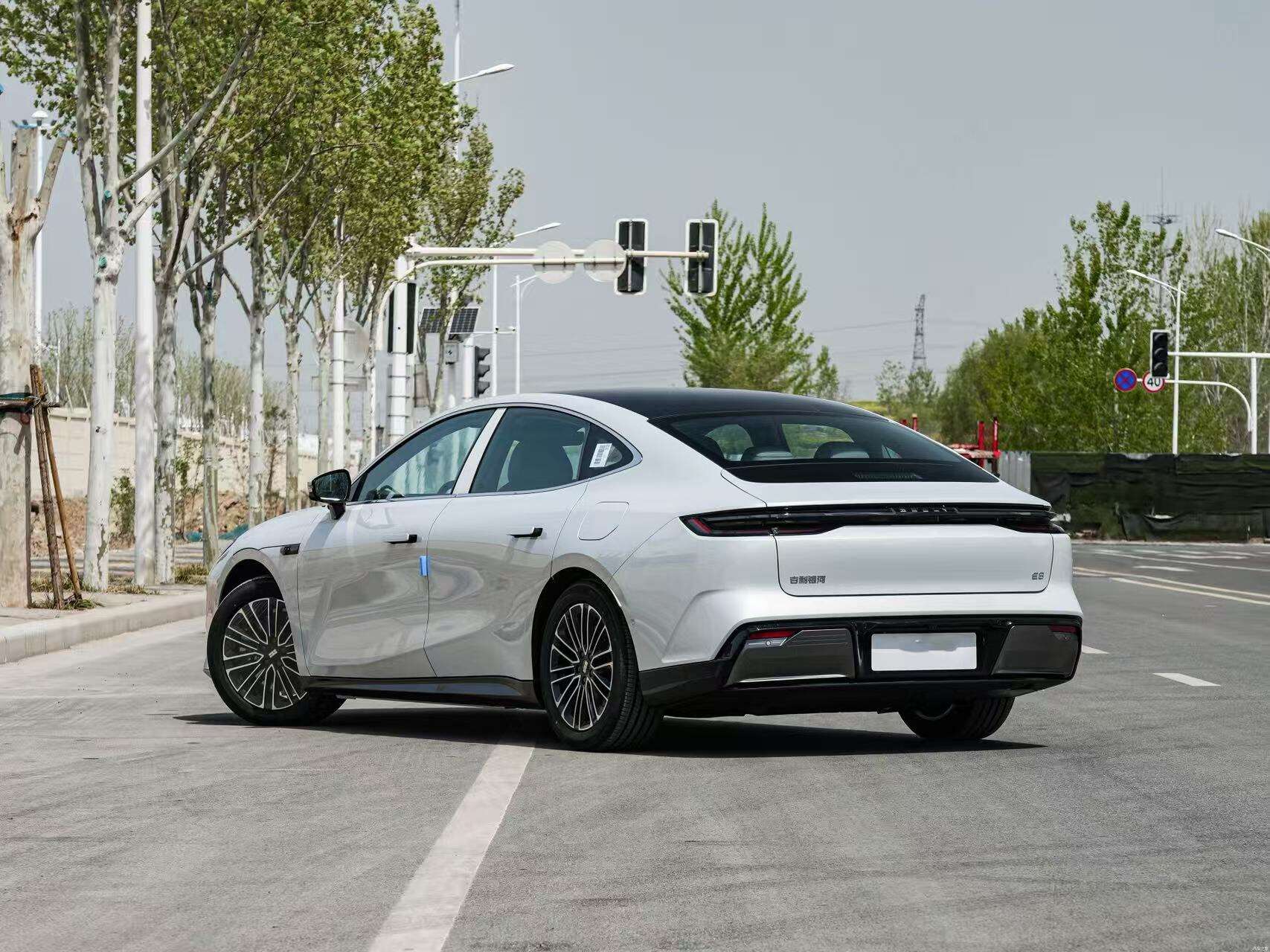
The automotive landscape has witnessed a remarkable transformation in recent years, with Chinese cars emerging as formidable competitors in global markets. Once dismissed as low-quality alternatives, these vehicles have evolved dramatically, combining advanced technology, competitive pricing, and innovative design to capture the attention of consumers worldwide. The shift represents more than just market expansion; it signals a fundamental change in how the automotive industry operates and competes on an international scale.

This surge in popularity stems from multiple factors that have converged to create perfect market conditions. From technological advancement and government support to strategic partnerships and changing consumer preferences, Chinese automotive manufacturers have positioned themselves as serious players in the global arena. Understanding these driving forces reveals why traditional automotive powerhouses are taking notice and adapting their strategies accordingly.
Technological Innovation and Quality Improvements
Advanced Manufacturing Processes
Modern Chinese automotive factories have adopted cutting-edge manufacturing technologies that rival those found in established automotive hubs. These facilities incorporate automated assembly lines, precision robotics, and sophisticated quality control systems that ensure consistent production standards. The investment in manufacturing infrastructure has been substantial, with billions of dollars allocated to creating world-class production capabilities.
Quality management systems implemented by Chinese manufacturers now meet international standards, including ISO certifications and rigorous testing protocols. This commitment to excellence has resulted in vehicles that compete directly with established brands in terms of build quality, reliability, and durability. The transformation from quantity-focused to quality-driven production has been instrumental in changing global perceptions.
Electric Vehicle Leadership
The electric vehicle revolution has provided Chinese automakers with a unique opportunity to leapfrog traditional competitors. Companies have invested heavily in battery technology, charging infrastructure, and electric powertrain development, creating vehicles that offer impressive range, performance, and features. This focus on electrification has positioned Chinese cars at the forefront of the industry's future direction.
Battery technology innovations have been particularly significant, with Chinese manufacturers achieving breakthroughs in energy density, charging speed, and longevity. These advances have translated into practical benefits for consumers, including longer driving ranges, shorter charging times, and lower total ownership costs. The expertise gained in electric vehicle development has become a competitive advantage that extends beyond domestic markets.
Competitive Pricing and Value Proposition
Cost-Effective Production
Chinese automotive manufacturers benefit from economies of scale and optimized production costs that allow them to offer competitive pricing without sacrificing quality. Lower labor costs, efficient supply chains, and government incentives contribute to this advantage, enabling companies to price their vehicles attractively in international markets. This cost efficiency extends throughout the entire production process, from research and development to final assembly.
The value proposition extends beyond initial purchase price to include comprehensive warranty packages, competitive financing options, and extensive service networks. Many Chinese brands offer longer warranty periods than traditional competitors, demonstrating confidence in their product quality while providing additional value to consumers. This approach has resonated particularly well with cost-conscious buyers seeking reliable transportation solutions.
Feature-Rich Offerings
Modern Chinese vehicles often include advanced features and technologies as standard equipment that might be considered premium options from other manufacturers. Touchscreen infotainment systems, advanced driver assistance features, and connectivity options are commonly found across various price segments. This approach of including more features for the price has appealed to consumers who want modern conveniences without paying premium prices.
The integration of smart technology has been particularly impressive, with many Chinese cars featuring over-the-air updates, smartphone connectivity, and intelligent navigation systems. These technological inclusions reflect the manufacturers' understanding of modern consumer expectations and their ability to deliver sophisticated solutions at accessible price points.
Strategic Market Expansion
Global Partnership Networks
Chinese automotive companies have formed strategic partnerships with established international brands, distributors, and technology providers to accelerate their global expansion. These collaborations provide access to local market knowledge, distribution networks, and regulatory expertise that would be difficult to develop independently. Joint ventures and strategic alliances have proven particularly effective in navigating complex international markets.
The partnership approach has also facilitated technology transfer and knowledge sharing, enabling Chinese manufacturers to incorporate global best practices while contributing their own innovations. These relationships have created win-win scenarios that benefit all parties involved and have accelerated the acceptance of Chinese automotive brands in new markets.
Targeted Market Entry
Rather than attempting to enter all markets simultaneously, Chinese automakers have pursued carefully planned expansion strategies that target specific regions and market segments. This focused approach allows companies to allocate resources effectively and build brand recognition gradually. Emerging markets have often served as initial targets, where price sensitivity and feature expectations align well with Chinese offerings.
The sequential market entry strategy has enabled manufacturers to learn from each expansion, refining their approaches based on real-world feedback and market responses. This iterative process has improved their ability to succeed in subsequent markets and has built confidence among international consumers and business partners.
Government Support and Industry Development
Policy Framework
The Chinese government has implemented comprehensive policies to support automotive industry development, including research and development incentives, export promotion programs, and infrastructure investments. These initiatives have created a favorable environment for automotive innovation and have helped companies compete more effectively in global markets. Regulatory support has been particularly strong in emerging technologies like electric vehicles and autonomous driving systems.
Financial incentives, tax benefits, and subsidies have enabled Chinese manufacturers to invest heavily in technology development and market expansion. This government backing has provided stability and resources that have accelerated the industry's evolution and global competitiveness. The coordinated approach between government policy and industry development has created synergies that benefit the entire ecosystem.
Infrastructure Investment
Massive infrastructure investments in manufacturing facilities, research centers, and supporting industries have created a comprehensive automotive ecosystem in China. This infrastructure includes everything from specialized component suppliers to testing facilities and design centers. The integrated approach has reduced costs, improved efficiency, and accelerated innovation throughout the industry.
The infrastructure development has also included international components, with Chinese companies establishing manufacturing facilities, research centers, and service networks in target markets. This global infrastructure strategy has improved their ability to serve international customers effectively while demonstrating long-term commitment to these markets.
Changing Consumer Attitudes
Quality Perception Shift
Consumer perceptions of Chinese automotive quality have evolved significantly as actual product quality has improved. Early experiences with Chinese vehicles were often negative, but recent models have demonstrated substantial improvements in reliability, durability, and overall quality. Positive reviews from automotive journalists and satisfied customers have contributed to changing public opinion.
The quality improvement has been measurable through various metrics, including warranty claims, customer satisfaction surveys, and independent quality assessments. These objective measures have provided evidence that supports the changing perception and has helped overcome initial skepticism among potential buyers.
Value-Conscious Decision Making
Modern consumers are increasingly value-conscious, seeking vehicles that provide the best combination of features, quality, and price. This shift in purchasing behavior has favored Chinese cars, which often deliver exceptional value propositions. Economic uncertainties and changing priorities have made value considerations more important than brand prestige for many buyers.
The focus on practical benefits over brand heritage has opened opportunities for newer automotive brands to compete effectively with established names. Consumers are more willing to consider alternatives when they offer clear advantages in terms of features, warranty coverage, or total ownership costs.
FAQ
Are Chinese cars reliable for long-term use
Modern Chinese vehicles have demonstrated significant improvements in reliability and durability, with many models now offering comprehensive warranties that reflect manufacturer confidence in their products. Independent testing and customer feedback indicate that quality levels have reached competitive standards with established brands. However, long-term reliability data is still accumulating as these improved models have been in markets for a relatively short period.
How do Chinese cars perform in international safety tests
Many Chinese vehicles have achieved strong performance in international safety testing programs, including Euro NCAP and other regional assessment protocols. Manufacturers have invested heavily in safety technology and structural design to meet or exceed global safety standards. The commitment to safety has been demonstrated through the inclusion of advanced safety features and the achievement of high safety ratings in various markets.
What kind of after-sales support do Chinese car brands provide
Chinese automotive brands have established comprehensive after-sales support networks in their target markets, including authorized service centers, parts availability, and customer service programs. Many brands offer extended warranty periods and competitive service packages to support their customers throughout the ownership experience. The expansion of service infrastructure continues to grow as these brands establish stronger market presence.
How do Chinese cars compare in terms of resale value
Resale values for Chinese vehicles vary by market and model, with newer and more established brands typically maintaining better value retention. As brand recognition and reputation continue to improve, resale values are expected to strengthen over time. The competitive initial pricing often means that depreciation rates, while present, may still result in favorable total ownership costs compared to more expensive alternatives.