 EN
EN

The global automotive landscape is experiencing a seismic shift as Chinese automakers rapidly expand their international presence and challenge traditional Western dominance. Over the past decade, companies like BYD, Geely, and XPeng have evolved from domestic manufacturers to formidable global competitors, leveraging advanced electric vehicle technology, competitive pricing strategies, and innovative design approaches. This transformation represents more than just market expansion; it signifies a fundamental restructuring of how the world views automotive manufacturing excellence and technological innovation.
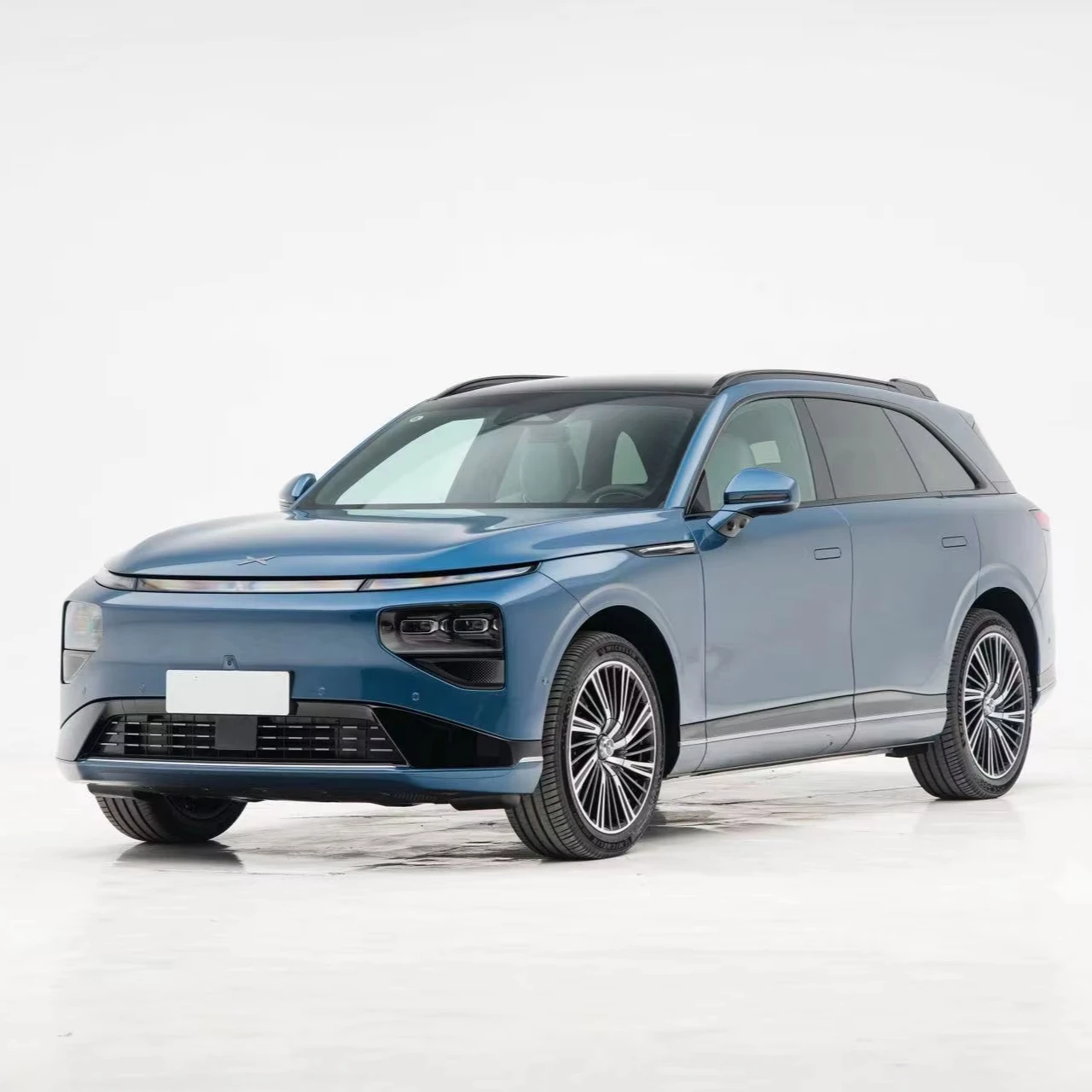
The emergence of Chinese automotive brands in international markets has been facilitated by substantial government investment in electric vehicle infrastructure, research and development initiatives, and strategic partnerships with global technology companies. These manufacturers have successfully positioned themselves at the forefront of the electric vehicle revolution, offering consumers worldwide access to cutting-edge automotive technologies at competitive price points. The strategic focus on sustainability, innovation, and market accessibility has enabled these companies to capture significant market share across multiple continents.
Market Penetration Strategies and Global Expansion
Strategic Entry into European Markets
European markets have become primary targets for Chinese automotive expansion, with manufacturers establishing local production facilities, distribution networks, and service centers across key European Union countries. Companies have invested billions of dollars in manufacturing plants in countries like Hungary, Poland, and Germany, creating local employment opportunities while reducing shipping costs and import tariffs. This localization strategy has proven essential for building consumer trust and meeting stringent European safety and environmental regulations.
The approach to European market entry has been methodical and data-driven, with manufacturers conducting extensive market research to understand consumer preferences, regulatory requirements, and competitive dynamics. Many Chinese automakers have partnered with established European dealership networks and automotive service providers to ensure comprehensive customer support and maintenance services. These partnerships have accelerated market penetration while providing valuable insights into European consumer behavior and preferences.
Expansion into Southeast Asian and Latin American Markets
Southeast Asian and Latin American markets represent significant growth opportunities for Chinese automotive manufacturers, offering large populations of price-conscious consumers seeking reliable and affordable transportation solutions. These regions have experienced rapid economic development and urbanization, creating increased demand for personal vehicles and commercial transportation options. Chinese manufacturers have capitalized on these trends by establishing assembly plants, training local technicians, and developing region-specific vehicle variants tailored to local climate conditions and infrastructure requirements.
The success in these emerging markets has been driven by comprehensive market adaptation strategies, including the development of right-hand drive vehicles for countries like Thailand and Malaysia, as well as modifications for high-altitude operations in Latin American mountain regions. Chinese companies have also invested in local supply chain development, partnering with regional component manufacturers to reduce production costs and create economic opportunities for local communities. These initiatives have strengthened diplomatic and economic relationships between China and partner countries.
Technological Innovation and Electric Vehicle Leadership
Battery Technology and Energy Efficiency Advancements
Chinese automotive manufacturers have achieved remarkable breakthroughs in battery technology, developing lithium iron phosphate and lithium-ion battery systems that offer extended range, faster charging capabilities, and improved safety characteristics. These technological advancements have positioned Chinese companies as global leaders in electric vehicle battery manufacturing, with companies like CATL and BYD supplying batteries to international automotive brands. The focus on battery technology has created competitive advantages in terms of vehicle range, charging infrastructure compatibility, and overall cost-effectiveness.
The integration of artificial intelligence and machine learning technologies into vehicle systems has enabled Chinese manufacturers to offer advanced driver assistance features, predictive maintenance capabilities, and personalized user experiences. These innovations have attracted tech-savvy consumers worldwide who value connectivity, automation, and smart vehicle features. The emphasis on software development and over-the-air updates has created ongoing revenue opportunities and enhanced customer satisfaction through continuous vehicle improvement and feature enhancement.
Autonomous Driving and Smart Vehicle Technologies
Investment in autonomous driving research and development has positioned Chinese automakers at the forefront of self-driving vehicle technology, with companies conducting extensive real-world testing programs and developing sophisticated sensor and processing systems. These initiatives have resulted in vehicles equipped with advanced cruise control, lane-keeping assistance, and parking automation features that rival or exceed those offered by traditional luxury automotive brands. The integration of 5G connectivity and cloud computing has enabled real-time data processing and vehicle-to-infrastructure communication capabilities.
The development of smart vehicle ecosystems has created opportunities for Chinese manufacturers to offer integrated mobility solutions, including ride-sharing platforms, vehicle subscription services, and comprehensive maintenance programs. These service-oriented approaches have generated additional revenue streams while improving customer retention and satisfaction rates. The focus on creating holistic transportation solutions rather than simply manufacturing vehicles has differentiated Chinese brands in increasingly competitive global markets.
Supply Chain Optimization and Manufacturing Excellence
Vertical Integration and Cost Management
Chinese automakers have implemented comprehensive vertical integration strategies, controlling everything from raw material sourcing to final vehicle assembly, which has resulted in significant cost advantages and improved quality control capabilities. This approach has enabled manufacturers to respond quickly to market demands, customize products for specific regions, and maintain competitive pricing while preserving profit margins. The control over supply chain elements has proven particularly valuable during global supply chain disruptions and semiconductor shortages.
The emphasis on lean manufacturing principles and continuous improvement processes has resulted in production facilities that achieve high efficiency rates, minimal waste generation, and consistent product quality. Chinese manufacturers have invested heavily in automation, robotics, and quality assurance systems that meet or exceed international manufacturing standards. These operational improvements have enhanced brand reputation and consumer confidence in Chinese automotive products globally.
Supplier Network Development and Partnership Strategies
The establishment of comprehensive supplier networks has enabled Chinese automakers to access high-quality components while supporting local economic development in target markets. These partnerships have facilitated technology transfer, skill development, and innovation collaboration between Chinese companies and international suppliers. The collaborative approach has resulted in improved product quality, reduced manufacturing costs, and enhanced supply chain resilience across multiple geographic regions.
Strategic partnerships with international technology companies have provided Chinese manufacturers access to advanced automotive technologies, software platforms, and design expertise. These collaborations have accelerated product development timelines and enabled the integration of cutting-edge features that appeal to global consumers. The willingness to form strategic alliances has demonstrated the adaptability and openness of Chinese automotive companies to international cooperation and knowledge exchange.
Brand Building and Market Positioning
Premium Brand Development and Luxury Market Entry
Chinese automotive companies have successfully developed premium and luxury vehicle segments, challenging established European and American luxury brands through superior technology, innovative design, and competitive pricing strategies. Brands like NIO, Li Auto, and XPeng have positioned themselves as technology-forward alternatives to traditional luxury vehicles, attracting consumers who prioritize innovation and environmental sustainability. The focus on electric powertrains and advanced connectivity features has resonated with environmentally conscious luxury consumers worldwide.
The development of distinctive brand identities and design languages has helped Chinese manufacturers differentiate their products in crowded automotive markets. Investment in world-class design studios, employment of international talent, and collaboration with renowned design firms have resulted in vehicles that compete aesthetically with established luxury brands. These efforts have contributed to changing global perceptions about Chinese automotive design and manufacturing capabilities.
Marketing Strategies and Consumer Engagement
Comprehensive digital marketing campaigns and social media engagement strategies have enabled Chinese automakers to build brand awareness and connect with target consumers across multiple platforms and geographic regions. The use of influencer partnerships, virtual reality showroom experiences, and interactive online configurators has created engaging customer touchpoints that facilitate informed purchasing decisions. These digital-first approaches have proven particularly effective with younger consumers who research and purchase vehicles through online channels.
Participation in international automotive exhibitions, motor shows, and industry conferences has provided Chinese manufacturers platforms to showcase their latest technologies, announce new partnerships, and demonstrate their commitment to global market expansion. These events have facilitated direct interactions with consumers, journalists, and industry professionals, building credibility and generating positive media coverage for Chinese automotive brands worldwide.
Economic Impact and Market Transformation
Job Creation and Economic Development
The global expansion of Chinese automakers has generated significant employment opportunities in manufacturing, research and development, sales, and service sectors across multiple countries. The establishment of production facilities has created thousands of direct jobs while supporting numerous indirect employment opportunities through supplier networks and service providers. These economic contributions have been welcomed by governments seeking to attract foreign investment and develop their domestic automotive industries.
The transfer of manufacturing technologies and best practices has enhanced local industrial capabilities and workforce skills in countries hosting Chinese automotive investments. Training programs, technical education initiatives, and knowledge sharing arrangements have improved local manufacturing competencies and created opportunities for career advancement. These capacity-building efforts have strengthened bilateral economic relationships and promoted sustainable industrial development.
Competitive Pressure on Established Manufacturers
The emergence of competitive Chinese automotive brands has compelled traditional manufacturers to accelerate their electric vehicle development programs, improve cost efficiency, and enhance customer value propositions. This competitive pressure has benefited consumers through increased product options, improved features, and more competitive pricing across all vehicle segments. The market dynamics have forced established brands to reconsider their strategies and invest more heavily in innovation and customer satisfaction.
The success of Chinese automakers has demonstrated that automotive excellence is not limited to traditional manufacturing centers, inspiring emerging markets worldwide to develop their own automotive industries. This global dispersion of automotive manufacturing capabilities has created more resilient supply chains and increased competition, ultimately benefiting consumers through improved products and services. The transformation has reshaped global automotive trade patterns and challenged long-standing assumptions about automotive manufacturing leadership.
FAQ
What factors have contributed to the success of Chinese automakers in global markets?
The success of Chinese automakers in global markets stems from several key factors including substantial government support for electric vehicle development, significant investment in research and development, competitive pricing strategies, and strategic partnerships with international companies. Additionally, their early focus on electric vehicle technology, advanced manufacturing capabilities, and willingness to adapt products for local markets have enabled rapid international expansion and consumer acceptance.
How do Chinese automakers compete with established global brands?
Chinese automakers compete through superior electric vehicle technology, competitive pricing, innovative features, and comprehensive customer service programs. They leverage advanced battery technology, autonomous driving capabilities, and smart connectivity features to differentiate their products. Additionally, they offer extended warranties, comprehensive service networks, and financing options that appeal to cost-conscious consumers while maintaining high quality standards.
What challenges do Chinese automakers face in international markets?
Chinese automakers face challenges including brand perception issues, regulatory compliance requirements, established dealer network competition, and geopolitical tensions affecting trade relationships. They must also navigate different safety standards, environmental regulations, and consumer preferences across various markets. Building brand trust and recognition while managing supply chain complexities and currency fluctuations presents ongoing operational challenges.
What is the future outlook for Chinese automakers in global markets?
The future outlook for Chinese automakers appears positive, with continued growth expected in electric vehicle segments, autonomous driving technology development, and market share expansion globally. Their technological leadership in battery technology and electric powertrains positions them well for the industry transition toward sustainable transportation. However, success will depend on their ability to maintain innovation leadership, build strong brand recognition, and navigate evolving international trade relationships effectively.