 EN
EN
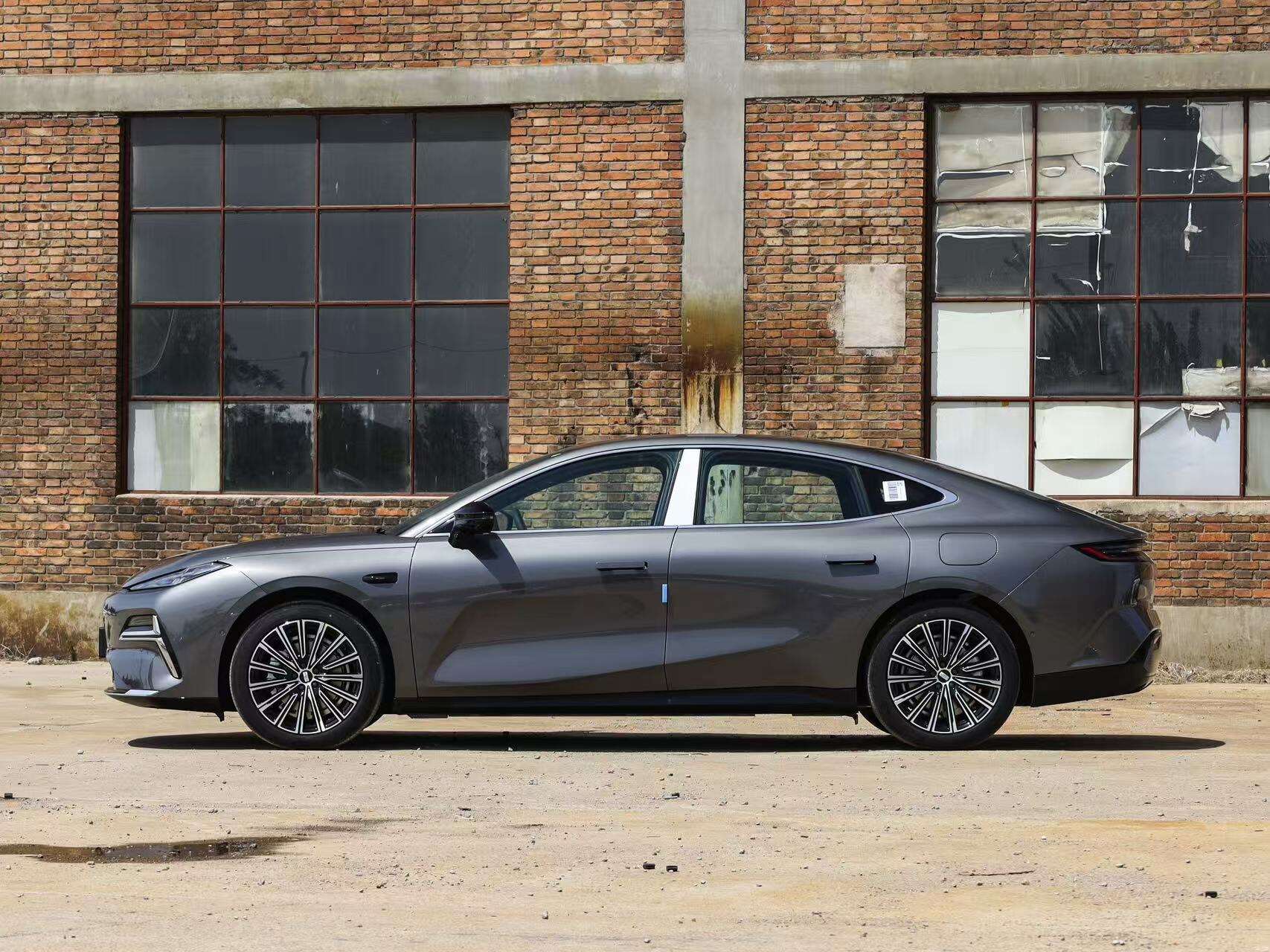
The automotive landscape has witnessed a remarkable transformation over the past decade, with Chinese electric vehicles emerging as formidable competitors in the global market. This shift represents more than just technological advancement; it signifies a complete reimagining of what modern transportation can offer. Chinese manufacturers have invested billions in research and development, creating vehicles that challenge traditional automotive powerhouses while delivering cutting-edge battery technology and innovative design elements that capture consumer attention worldwide.
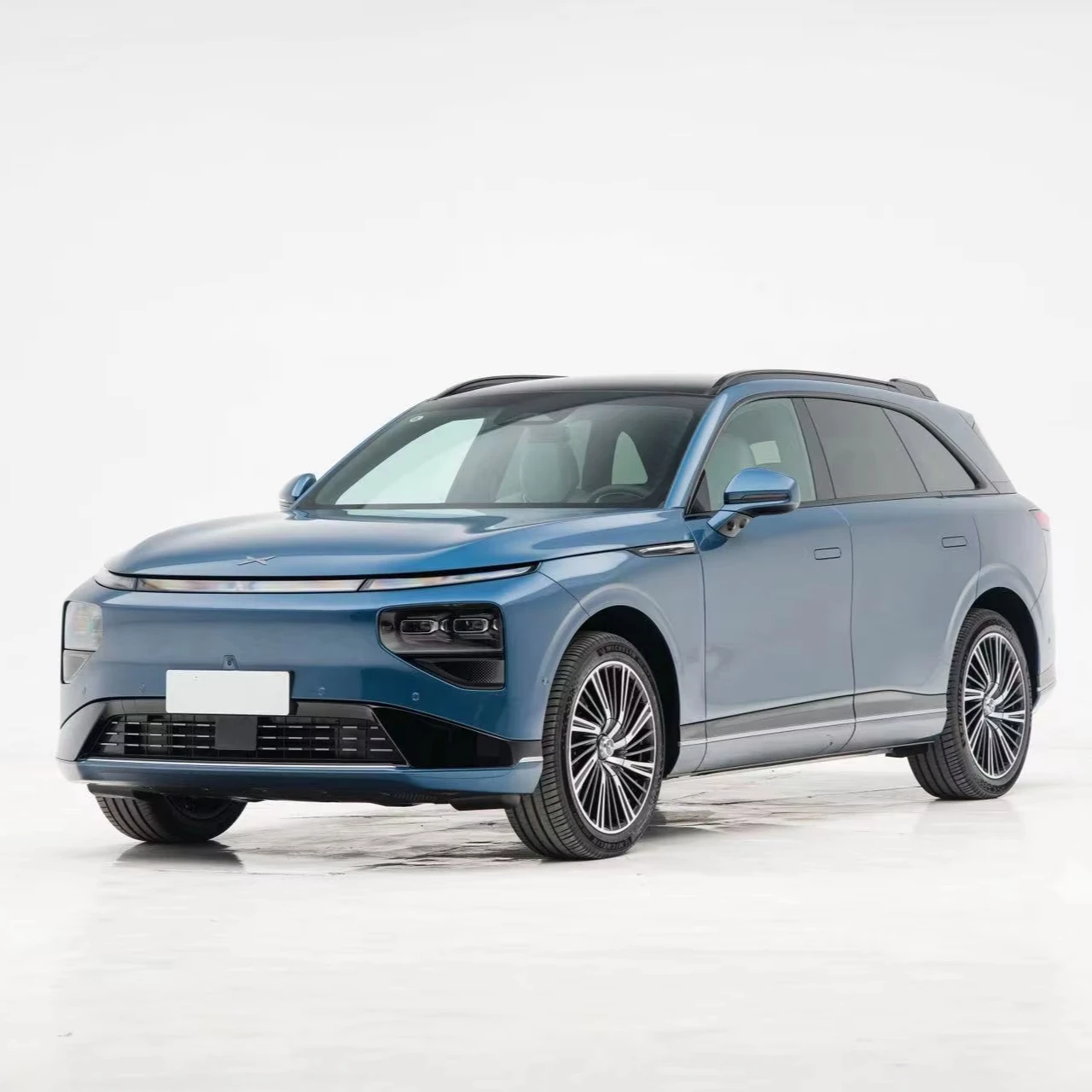
The rise of Chinese electric vehicle manufacturers has fundamentally altered industry dynamics, introducing breakthrough technologies that were previously considered theoretical possibilities. These companies have successfully bridged the gap between concept and reality, delivering practical solutions that address real-world transportation challenges. The combination of government support, private investment, and technological expertise has created an ecosystem where innovation flourishes and traditional automotive boundaries are continuously pushed.
Revolutionary Battery Technology Transforming Electric Mobility
Advanced Lithium Iron Phosphate Chemistry
Chinese manufacturers have pioneered the development of lithium iron phosphate batteries that offer superior safety characteristics and extended operational lifespans compared to conventional lithium-ion alternatives. These batteries demonstrate exceptional thermal stability, reducing fire risks while maintaining consistent performance across diverse operating conditions. The chemistry behind these power systems allows for faster charging cycles without compromising long-term battery health, making daily usage more convenient for consumers.
The manufacturing process for these advanced batteries incorporates proprietary techniques that enhance energy density while reducing overall weight. This optimization directly translates to improved vehicle range and performance characteristics. Chinese companies have invested heavily in automated production facilities that maintain strict quality control standards, ensuring each battery cell meets rigorous performance specifications before integration into vehicle systems.
Breakthrough Energy Density Achievements
Recent developments in battery technology have achieved energy density levels that significantly extend driving ranges while maintaining compact form factors. These advancements allow vehicles to travel over 600 kilometers on a single charge, effectively eliminating range anxiety that previously hindered electric vehicle adoption. The improved energy storage capabilities result from innovative cell architecture and advanced material science applications.
Manufacturing scalability has enabled Chinese producers to implement these high-density solutions across multiple vehicle segments without prohibitive cost increases. The combination of improved performance and competitive pricing positions Chinese electric vehicles as attractive alternatives to traditional automotive options. This technological progression continues accelerating as research teams develop next-generation solutions that promise even greater efficiency improvements.
Innovative Design Philosophy Reshaping Automotive Aesthetics
Aerodynamic Excellence Through Computational Design
Contemporary Chinese vehicle designs utilize sophisticated computational fluid dynamics modeling to achieve optimal aerodynamic performance while maintaining distinctive visual appeal. These design methodologies result in drag coefficients that rival or exceed those of established luxury manufacturers. The integration of aerodynamic principles into aesthetic considerations creates vehicles that are both visually striking and functionally superior.
The design process incorporates extensive wind tunnel testing combined with advanced simulation software to refine every surface detail. This meticulous attention to aerodynamic efficiency contributes directly to extended range capabilities and improved energy consumption. The resulting vehicles demonstrate how technical requirements can enhance rather than compromise aesthetic appeal when properly integrated into the design philosophy.
Minimalist Interior Architecture
Interior design concepts emphasize clean lines and functional elegance while incorporating advanced technology interfaces seamlessly into the cabin environment. The absence of traditional mechanical controls creates spacious, uncluttered environments that prioritize user experience and comfort. Premium materials and precise manufacturing tolerances deliver luxury-level fit and finish that competes directly with established premium brands.
Digital integration extends throughout the cabin, with large touchscreen displays serving as primary interface points for vehicle functions and entertainment systems. The intuitive software design reduces learning curves while providing comprehensive functionality that adapts to individual user preferences. This approach creates personalized driving experiences that evolve with usage patterns and individual requirements.
Smart Manufacturing Excellence Driving Quality Improvements
Automated Production Systems
State-of-the-art manufacturing facilities employ robotics and artificial intelligence to maintain consistent quality standards while achieving impressive production volumes. These automated systems perform precision assembly operations that exceed human capabilities in terms of accuracy and repeatability. The integration of quality control sensors throughout production lines enables real-time monitoring and immediate correction of any deviations from specifications.
The manufacturing philosophy emphasizes continuous improvement through data analysis and process optimization. Machine learning algorithms analyze production data to identify potential improvements and predict maintenance requirements before issues affect product quality. This proactive approach minimizes downtime while ensuring each vehicle meets stringent quality standards throughout the manufacturing process.
Supply Chain Integration and Vertical Control
Chinese manufacturers have developed comprehensive supply chain strategies that provide greater control over component quality and production scheduling. By establishing strategic partnerships with key suppliers or developing internal production capabilities for critical components, these companies reduce dependency on external factors while maintaining competitive pricing. This vertical integration approach enables rapid implementation of design changes and quality improvements.
The supply chain strategy extends beyond traditional automotive components to include semiconductor manufacturing and software development capabilities. This comprehensive approach ensures availability of critical components while maintaining technological leadership in rapidly evolving markets. The integration of multiple disciplines within single organizations accelerates innovation cycles and reduces time-to-market for new technologies.
Global Market Expansion and Competitive Positioning
International Standards Compliance
Chinese electric vehicle manufacturers have invested substantial resources in achieving international safety and quality certifications that enable global market access. These certifications demonstrate compliance with stringent European, American, and other international standards that validate product quality and safety characteristics. The certification process requires extensive testing and documentation that proves vehicles meet or exceed established international requirements.
The commitment to international standards extends beyond regulatory compliance to encompass customer expectations for reliability and performance. Chinese manufacturers have recognized that global success requires products that perform consistently across diverse operating conditions and usage patterns. This understanding drives continuous improvement initiatives that enhance product durability and customer satisfaction levels.
Competitive Pricing Strategies
Strategic pricing approaches leverage manufacturing efficiencies and integrated supply chains to deliver premium features at accessible price points. This value proposition challenges traditional automotive pricing models while maintaining healthy profit margins through operational excellence. The combination of advanced technology and competitive pricing creates compelling alternatives to established brands across multiple market segments.
Market positioning strategies emphasize technology leadership and innovative features rather than competing solely on price considerations. Chinese manufacturers demonstrate that advanced technology and competitive pricing are not mutually exclusive when supported by efficient operations and strategic planning. This approach builds brand recognition and customer loyalty while establishing sustainable competitive advantages in evolving markets.
Future Technology Development and Innovation Roadmaps
Solid-State Battery Research
Ongoing research initiatives focus on solid-state battery technologies that promise significant improvements in energy density, safety, and charging performance. These next-generation batteries eliminate liquid electrolytes that present safety concerns while enabling faster charging and longer operational lifespans. The development timeline for commercial solid-state battery implementation continues accelerating through increased research investment and technological breakthroughs.
The transition to solid-state technology requires substantial manufacturing process modifications and quality control enhancements. Chinese manufacturers are investing in pilot production facilities that enable testing and refinement of manufacturing processes before full-scale implementation. This methodical approach ensures successful technology transfer from research laboratories to commercial production environments.
Autonomous Driving Integration
Advanced driver assistance systems and autonomous driving capabilities represent key differentiators in competitive markets. Chinese electric vehicle manufacturers are developing comprehensive sensor suites and artificial intelligence systems that enable increasingly sophisticated autonomous functions. The integration of these technologies requires careful coordination between hardware and software development teams to ensure reliable performance across diverse operating scenarios.
The development of autonomous driving capabilities extends beyond individual vehicle systems to include vehicle-to-infrastructure communication and coordinated traffic management. Chinese manufacturers are participating in smart city initiatives that enable vehicles to interact with traffic management systems for improved efficiency and safety. This comprehensive approach positions Chinese electric vehicles as integral components of future transportation ecosystems.
FAQ
What makes Chinese electric vehicle batteries superior to competitors?
Chinese electric vehicle batteries excel through advanced lithium iron phosphate chemistry that provides superior safety characteristics, extended operational lifespans, and faster charging capabilities. The manufacturing processes incorporate proprietary techniques that enhance energy density while reducing weight, resulting in improved vehicle range and performance. Automated production facilities maintain strict quality control standards, ensuring consistent performance across all battery cells.
How do Chinese manufacturers achieve competitive pricing while maintaining quality?
Competitive pricing results from integrated supply chains, automated manufacturing processes, and strategic vertical integration of key components. Chinese manufacturers have developed comprehensive supply chain strategies that reduce dependency on external suppliers while maintaining component quality. The combination of manufacturing efficiency, economies of scale, and strategic planning enables delivery of premium features at accessible price points without compromising quality standards.
What international standards do Chinese electric vehicles meet?
Chinese electric vehicle manufacturers achieve compliance with stringent European, American, and international safety and quality certifications that validate product performance and reliability. The certification process requires extensive testing and documentation that proves vehicles meet or exceed established international requirements. This commitment to international standards ensures consistent performance across diverse global markets and operating conditions.
What future technologies are Chinese manufacturers developing?
Future technology development focuses on solid-state battery systems that promise improved energy density, safety, and charging performance while eliminating current limitations of liquid electrolyte systems. Additionally, autonomous driving capabilities and vehicle-to-infrastructure communication systems are being developed to create integrated transportation ecosystems. These technologies represent significant advancement opportunities that will further distinguish Chinese electric vehicles in competitive markets.