
 EN
EN
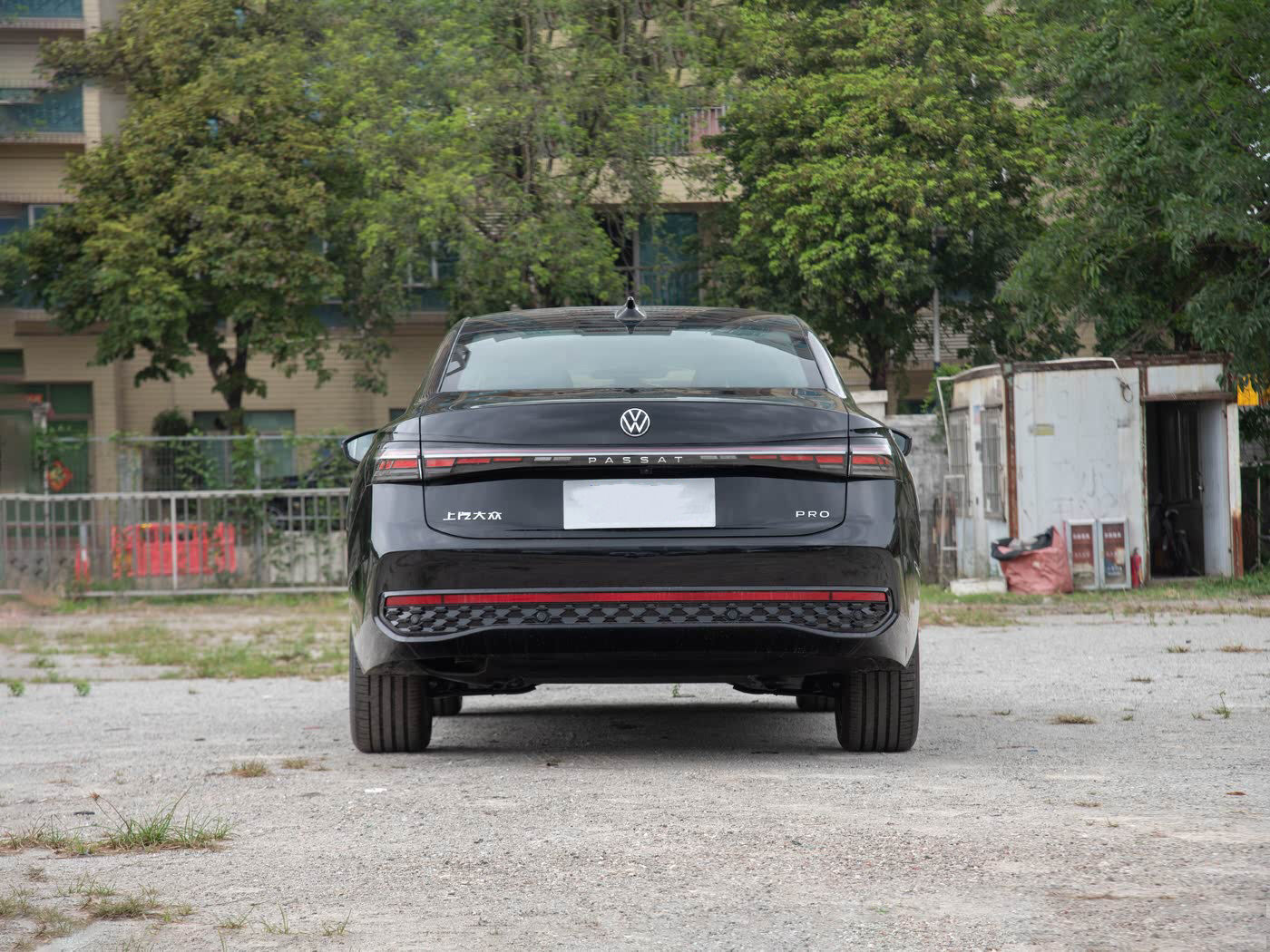
The automotive landscape has witnessed a remarkable transformation in recent years, with Chinese cars emerging as serious contenders in the global market. Once dismissed as low-quality alternatives, Chinese vehicles have undergone a dramatic evolution, now challenging established manufacturers with impressive reliability ratings, advanced technology, and competitive pricing. This shift represents one of the most significant developments in the automotive industry, fundamentally changing consumer perceptions and market dynamics worldwide.

The journey of Chinese automotive manufacturers from budget-focused producers to reliability-conscious innovators reflects broader changes in manufacturing philosophy, technological capabilities, and quality control standards. Today's Chinese cars incorporate cutting-edge engineering, sophisticated manufacturing processes, and rigorous testing protocols that rival those of traditional automotive powerhouses. This transformation has not happened overnight but represents years of strategic investment, partnerships with international suppliers, and a fundamental commitment to elevating product quality across all vehicle segments.
Technological Advancement and Innovation
Integration of Advanced Manufacturing Systems
Modern Chinese automotive manufacturers have invested heavily in state-of-the-art production facilities that incorporate Industry 4.0 principles and advanced automation technologies. These facilities utilize precision robotics, artificial intelligence-driven quality control systems, and real-time monitoring capabilities that ensure consistent manufacturing standards across all production lines. The implementation of these technologies has significantly reduced human error, improved component precision, and enhanced overall vehicle reliability.
Leading Chinese manufacturers have also adopted lean manufacturing principles borrowed from Japanese automotive excellence, combining them with innovative Chinese approaches to production efficiency. This hybrid methodology has resulted in manufacturing processes that are both cost-effective and quality-focused, enabling producers to maintain competitive pricing while delivering vehicles that meet international reliability standards. The continuous refinement of these processes has created a foundation for sustained quality improvements across the entire Chinese automotive sector.
Research and Development Investment
Chinese automotive companies have dramatically increased their research and development expenditures, often allocating percentages of revenue that exceed those of established international competitors. This investment has facilitated the development of proprietary technologies, advanced powertrain systems, and innovative safety features that directly contribute to vehicle reliability. Many Chinese manufacturers now operate multiple research centers globally, attracting international talent and fostering innovation ecosystems that drive continuous improvement.
The focus on electric vehicle technology has particularly accelerated innovation within the Chinese automotive industry. Battery technology advancements, electric motor efficiency improvements, and sophisticated energy management systems developed for electric vehicles have created spillover benefits for traditional internal combustion engine vehicles. This technological cross-pollination has enhanced the overall reliability and performance characteristics of all Chinese cars, regardless of their powertrain configuration.
Quality Control and Manufacturing Excellence
Implementation of International Standards
Chinese automotive manufacturers have systematically adopted and exceeded international quality standards, including ISO 9001, TS 16949, and various regional automotive quality certifications. This commitment to standardization has required comprehensive restructuring of manufacturing processes, supplier relationships, and quality assurance protocols. The rigorous implementation of these standards has created measurable improvements in component reliability, assembly consistency, and overall vehicle durability.
The adoption of Six Sigma methodologies and Total Quality Management principles has further enhanced the reliability of chinese cars by systematically identifying and eliminating sources of variation in manufacturing processes. These quality improvement initiatives have resulted in dramatic reductions in defect rates, warranty claims, and customer complaints, demonstrating tangible improvements in vehicle reliability and customer satisfaction.
Supplier Ecosystem Development
The development of a sophisticated supplier ecosystem has been crucial to the reliability improvements seen in Chinese cars. Leading manufacturers have established long-term partnerships with both domestic and international component suppliers, creating collaborative relationships focused on continuous quality improvement. This approach has enabled Chinese automakers to access world-class components while maintaining cost competitiveness and supply chain efficiency.
Tier-one suppliers working with Chinese automotive manufacturers have been required to meet increasingly stringent quality standards, often necessitating significant investments in their own manufacturing capabilities and quality systems. This upstream quality improvement has created a multiplier effect, where improvements in component reliability translate directly into enhanced vehicle reliability. The maturation of this supplier ecosystem represents a fundamental shift from the cost-focused procurement strategies of the past to quality-focused partnerships that prioritize long-term reliability.
Market Competition and Consumer Expectations
Domestic Market Pressure
The intense competition within the Chinese domestic automotive market has created powerful incentives for manufacturers to prioritize reliability and quality. Chinese consumers have become increasingly sophisticated and demanding, expecting vehicles that match international standards in terms of durability, performance, and reliability. This market pressure has forced manufacturers to abandon strategies based solely on low pricing in favor of comprehensive value propositions that include proven reliability.
The presence of international automotive brands within the Chinese market has established clear benchmarks for quality and reliability that domestic manufacturers must meet or exceed to remain competitive. This competitive environment has accelerated innovation cycles, quality improvement initiatives, and customer-focused design processes throughout the Chinese automotive industry. The result has been a continuous elevation of standards that benefits all consumers of Chinese cars.
Global Market Expansion
As Chinese automotive manufacturers have expanded into international markets, they have encountered even more stringent quality expectations and regulatory requirements. Meeting these international standards has necessitated comprehensive improvements in vehicle reliability, safety systems, and manufacturing quality. The process of adapting vehicles for global markets has created feedback loops that improve the quality of all Chinese cars, including those sold domestically.
Export market success has become a crucial measure of manufacturing excellence for Chinese automotive companies, creating additional incentives for reliability improvements. The reputational risks associated with quality problems in international markets have motivated manufacturers to implement comprehensive quality assurance programs that exceed minimum requirements. This global perspective has fundamentally transformed the approach to vehicle development and manufacturing throughout the Chinese automotive sector.
Strategic Partnerships and Knowledge Transfer
Joint Ventures with International Manufacturers
Strategic partnerships and joint ventures with established international automotive manufacturers have provided Chinese companies with direct access to proven manufacturing methodologies, quality control systems, and reliability engineering practices. These collaborative relationships have facilitated rapid knowledge transfer and capability development, enabling Chinese manufacturers to compress the typical learning curves associated with automotive excellence.
The integration of international best practices with Chinese innovation and manufacturing efficiency has created hybrid approaches that often exceed the performance of either partner's individual capabilities. These partnerships have particularly benefited the reliability characteristics of Chinese cars by combining proven international engineering standards with innovative Chinese manufacturing technologies and cost optimization strategies.
Technology Acquisition and Licensing
Chinese automotive manufacturers have strategically acquired technologies, patents, and even entire companies to rapidly enhance their technical capabilities and reliability standards. These acquisitions have provided immediate access to advanced powertrain technologies, safety systems, and manufacturing processes that would have required years to develop independently. The integration of acquired technologies has significantly accelerated the reliability improvements seen in Chinese cars.
Licensing agreements with international technology providers have enabled Chinese manufacturers to incorporate proven reliability solutions while maintaining design and manufacturing flexibility. These arrangements have been particularly valuable in areas such as transmission technology, engine management systems, and advanced safety features, where proven reliability is essential for consumer acceptance and regulatory compliance.
Investment in Testing and Validation
Comprehensive Testing Protocols
Modern Chinese automotive manufacturers have established comprehensive testing and validation programs that often exceed those of traditional automotive companies. These programs include extensive durability testing, environmental stress testing, and real-world validation procedures that ensure vehicles can withstand diverse operating conditions while maintaining reliability. The investment in testing infrastructure represents a fundamental commitment to product quality that directly benefits consumers of Chinese cars.
Advanced testing facilities now operated by Chinese manufacturers incorporate climate chambers, vibration testing equipment, crash test facilities, and sophisticated measurement systems that enable precise validation of vehicle reliability under controlled conditions. These facilities enable manufacturers to identify and address potential reliability issues during the development phase, preventing problems that could affect customers and reducing warranty costs.
Real-World Validation Programs
Extensive real-world testing programs have become standard practice among leading Chinese automotive manufacturers, involving thousands of vehicles operated under diverse conditions to validate reliability and durability. These programs provide valuable data on component performance, system reliability, and maintenance requirements that inform design improvements and manufacturing optimizations. The insights gained from real-world validation directly contribute to the enhanced reliability of Chinese cars.
Customer feedback integration systems have been developed to capture and analyze reliability data from actual vehicle owners, creating continuous improvement loops that address real-world performance issues. This customer-focused approach to reliability improvement has enabled Chinese manufacturers to identify and resolve potential problems quickly, often before they become widespread issues affecting multiple customers.
FAQ
What specific improvements have made Chinese cars more reliable?
Chinese cars have become more reliable through comprehensive improvements in manufacturing quality control, adoption of international standards, strategic partnerships with global suppliers, and significant investments in research and development. Modern Chinese manufacturers utilize advanced automation, sophisticated testing protocols, and proven engineering practices that have dramatically reduced defect rates and improved component durability. Additionally, the implementation of Six Sigma methodologies and continuous improvement programs has systematically eliminated sources of variation that previously affected reliability.
How do Chinese cars compare to established international brands in terms of reliability?
Contemporary Chinese cars increasingly match or exceed the reliability standards of many established international brands, particularly in specific market segments and price ranges. Independent reliability studies and consumer reports indicate that leading Chinese automotive manufacturers have achieved quality levels comparable to traditional automotive powerhouses. However, reliability can vary significantly between different Chinese manufacturers and model lines, making it important for consumers to research specific vehicles rather than making generalizations about all Chinese cars.
What role has government policy played in improving Chinese car reliability?
Government policies have significantly influenced the reliability improvements in Chinese cars through regulatory frameworks that mandate safety standards, environmental requirements, and quality certifications. Additionally, government support for research and development, electric vehicle innovation, and international expansion has provided manufacturers with resources and incentives to prioritize quality and reliability. The implementation of increasingly stringent domestic automotive standards has also created market pressures that drive continuous improvement throughout the industry.
Are Chinese cars reliable enough for long-term ownership?
Modern Chinese cars from reputable manufacturers are increasingly suitable for long-term ownership, with many models offering comprehensive warranties, established service networks, and proven durability records. However, long-term reliability can vary significantly between different manufacturers, model years, and specific vehicle configurations. Potential buyers should research specific models, review reliability ratings, and consider factors such as local service availability and parts accessibility when evaluating Chinese cars for long-term ownership.