
 EN
EN
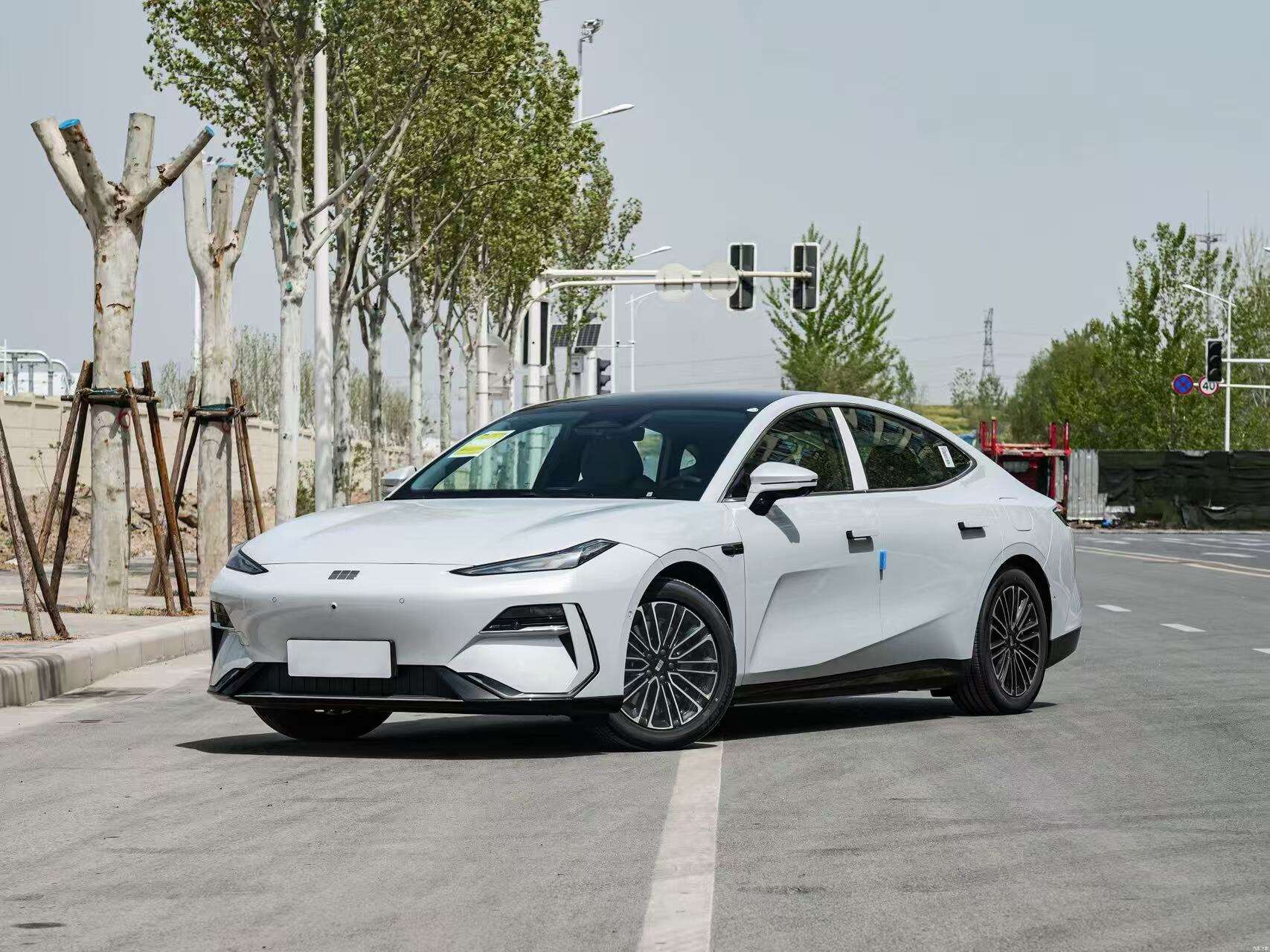
The automotive landscape has undergone a dramatic transformation in recent years, with cheap Chinese cars emerging as formidable competitors in the global marketplace. These vehicles have captured international attention not merely for their competitive pricing, but for their remarkable balance of affordability, technology, and reliability. Understanding the factors behind their cost-effectiveness reveals a complex ecosystem of manufacturing excellence, strategic market positioning, and innovative business practices that have redefined industry standards.

Manufacturing Excellence and Scale Economics
Advanced Production Facilities
Chinese automotive manufacturers have invested heavily in state-of-the-art production facilities that leverage automation and cutting-edge technology. These modern factories operate with remarkable efficiency, incorporating robotics, artificial intelligence, and lean manufacturing principles that minimize waste and maximize output. The integration of Industry 4.0 technologies allows manufacturers to maintain consistent quality while reducing labor costs and production time. This technological advancement directly contributes to making cheap Chinese cars more accessible to consumers worldwide.
The scale of operations in Chinese automotive manufacturing is unprecedented, with single facilities capable of producing hundreds of thousands of vehicles annually. This massive production volume creates significant economies of scale, allowing manufacturers to negotiate better prices for raw materials, components, and manufacturing equipment. The cost savings achieved through bulk purchasing and streamlined operations are then passed on to consumers, making these vehicles more affordable without compromising on essential features or safety standards.
Strategic Supply Chain Management
Chinese automotive companies have developed sophisticated supply chain networks that span across multiple regions and leverage domestic suppliers extensively. This strategic approach reduces dependency on expensive imported components and creates a more resilient manufacturing ecosystem. Local sourcing of materials and parts not only reduces transportation costs but also enables faster response times to market demands and design modifications.
The integration of suppliers into the manufacturing process allows for better quality control and cost management. Many Chinese automakers have established long-term partnerships with component manufacturers, creating mutual benefits through shared technology development and volume commitments. This collaborative approach results in cost efficiencies that make cheap Chinese cars more competitive in international markets while maintaining acceptable quality standards.
Government Support and Policy Framework
Industrial Development Incentives
The Chinese government has implemented comprehensive policies to support automotive industry growth, including tax incentives, research grants, and infrastructure development programs. These initiatives reduce the operational burden on manufacturers and enable them to invest more resources in product development and cost optimization. Government support extends to electric vehicle development, battery technology advancement, and charging infrastructure expansion, creating a favorable environment for innovation.
Subsidies and tax benefits provided to both manufacturers and consumers have accelerated the adoption of new automotive technologies while maintaining affordability. Export promotion policies and trade agreements have also facilitated the global expansion of Chinese automotive brands, enabling them to access international markets more effectively. This government backing provides a stable foundation for companies to pursue aggressive pricing strategies that make cheap Chinese cars attractive to budget-conscious consumers globally.
Regulatory Environment and Standards
China has developed a comprehensive regulatory framework that balances safety requirements with manufacturing flexibility. While maintaining essential safety and environmental standards, the regulatory approach allows manufacturers to optimize their designs for cost-effectiveness without unnecessary complexity. This pragmatic regulatory stance enables companies to focus resources on core functionality and performance rather than excessive compliance costs.
The standardization of testing procedures and certification processes has reduced the time and cost associated with bringing new vehicles to market. Streamlined approval processes for new models and technologies allow manufacturers to respond quickly to market opportunities and consumer preferences. This efficiency in regulatory compliance contributes to the overall cost structure that makes cheap Chinese cars more affordable for end consumers.
Technology Innovation and Cost Optimization
Platform Sharing and Modular Design
Chinese automotive manufacturers have embraced platform sharing strategies that allow multiple vehicle models to utilize common underlying architectures and components. This approach significantly reduces development costs and manufacturing complexity while enabling economies of scale across different product lines. By sharing platforms, companies can spread research and development expenses across multiple models, making each individual vehicle more cost-effective to produce.
Modular design principles enable manufacturers to offer various configurations and feature levels while maintaining standardized production processes. This flexibility allows companies to target different market segments with cheap chinese cars that meet specific customer needs without requiring completely separate manufacturing lines. The result is improved production efficiency and reduced per-unit costs that benefit consumers through lower pricing.
Battery Technology and Electric Vehicle Integration
Chinese companies have made significant breakthroughs in battery technology, particularly in lithium iron phosphate batteries that offer good performance at lower costs compared to traditional lithium-ion alternatives. These technological advances have made electric versions of cheap Chinese cars more accessible to mainstream consumers while reducing operational costs through lower energy consumption and maintenance requirements.
The vertical integration of battery manufacturing with vehicle production has created additional cost savings and supply chain efficiencies. Many Chinese automakers have established partnerships or subsidiaries focused on battery technology, ensuring consistent supply and competitive pricing for energy storage components. This strategic approach to battery integration supports the development of affordable electric vehicles that compete effectively with traditional internal combustion engine alternatives.
Market Strategy and Consumer Focus
Target Market Identification
Chinese automotive companies have demonstrated exceptional skill in identifying and serving underserved market segments, particularly first-time car buyers and budget-conscious consumers. By focusing on essential features and practical functionality rather than luxury amenities, manufacturers can offer cheap Chinese cars that meet basic transportation needs at accessible price points. This market-focused approach allows companies to optimize their designs for specific consumer requirements.
The emphasis on value engineering ensures that every component and feature contributes meaningfully to the overall vehicle performance and user experience. Rather than including expensive features that may not be utilized by target customers, manufacturers concentrate on reliability, fuel efficiency, and essential safety features. This disciplined approach to feature selection enables significant cost savings that translate into more affordable pricing for consumers.
Distribution and Sales Efficiency
Chinese automakers have developed innovative distribution models that reduce traditional dealership overhead costs while maintaining customer service quality. Direct sales approaches, online platforms, and streamlined dealer networks minimize the markup between manufacturer and consumer. These efficiency improvements in the sales process contribute to making cheap Chinese cars more accessible to price-sensitive buyers.
Digital marketing strategies and online sales platforms have reduced advertising costs and enabled more targeted customer outreach. By leveraging social media, digital advertising, and direct customer engagement, manufacturers can build brand awareness and drive sales without the high costs associated with traditional marketing channels. This cost-effective approach to marketing and sales supports competitive pricing strategies across product lines.
Quality Control and Continuous Improvement
Manufacturing Process Optimization
Chinese automotive manufacturers have implemented rigorous quality control systems that ensure consistent production standards while maintaining cost efficiency. Advanced monitoring systems, statistical process control, and continuous improvement methodologies help identify and eliminate inefficiencies in the manufacturing process. These quality initiatives reduce waste, minimize rework costs, and improve overall productivity.
Investment in employee training and skill development has created a workforce capable of operating sophisticated manufacturing equipment and maintaining quality standards. The focus on human capital development ensures that cheap Chinese cars benefit from skilled craftsmanship and attention to detail throughout the production process. This commitment to quality helps build consumer confidence and supports long-term market success.
Testing and Validation Procedures
Comprehensive testing protocols ensure that cheap Chinese cars meet safety and performance standards while identifying opportunities for cost optimization. Rigorous validation procedures help manufacturers understand component durability and system reliability, enabling them to specify appropriate materials and designs that balance cost and performance effectively. This scientific approach to product development supports competitive pricing without compromising essential quality attributes.
Feedback loops from testing and real-world performance data enable continuous refinement of manufacturing processes and product designs. By analyzing field performance and customer feedback, manufacturers can identify areas for improvement and cost reduction in future model iterations. This commitment to continuous improvement helps maintain the competitive advantage of cheap Chinese cars in global markets.
Global Market Expansion and Competitiveness
International Market Entry Strategies
Chinese automotive companies have pursued strategic international expansion through partnerships, joint ventures, and direct market entry initiatives. These approaches enable manufacturers to access global markets while learning from local consumer preferences and regulatory requirements. The experience gained from international operations contributes to product development and cost optimization strategies that benefit cheap Chinese cars across all markets.
Adaptation to local market conditions while maintaining core cost advantages has proven successful in various international markets. By understanding regional preferences and requirements, manufacturers can modify their offerings appropriately without losing the fundamental cost benefits that make cheap Chinese cars attractive to consumers. This flexibility in market approach supports sustainable growth and competitive positioning.
Competitive Positioning and Value Proposition
The value proposition of cheap Chinese cars extends beyond simple affordability to include reliability, functionality, and modern features at competitive prices. Manufacturers have successfully positioned their products as practical alternatives that offer essential transportation capabilities without unnecessary premium features. This clear positioning helps consumers understand the benefits and make informed purchasing decisions.
Competitive analysis and benchmarking against established automotive brands have enabled Chinese manufacturers to identify opportunities for differentiation and improvement. By understanding competitor strengths and weaknesses, companies can position cheap Chinese cars effectively in various market segments while maintaining their cost advantages. This strategic approach to competition supports long-term market success and growth.
FAQ
Are cheap Chinese cars reliable for long-term use?
Modern cheap Chinese cars have significantly improved in reliability through advanced manufacturing processes, quality control systems, and continuous improvement programs. Many manufacturers now offer comprehensive warranties and have established service networks to support long-term vehicle ownership. While individual models may vary, the overall trend shows substantial improvements in durability and dependability compared to earlier generations of Chinese vehicles.
What safety features are included in affordable Chinese vehicles?
Contemporary cheap Chinese cars typically include essential safety features such as airbags, anti-lock braking systems, electronic stability control, and reinforced safety cage construction. Many models now incorporate advanced driver assistance systems, backup cameras, and collision warning systems as standard equipment. Manufacturers have prioritized safety compliance with international standards while maintaining cost-effectiveness through efficient design and production methods.
How do maintenance costs compare for Chinese vehicles versus other brands?
Maintenance costs for cheap Chinese cars are generally competitive due to affordable parts availability, simplified service procedures, and growing service network coverage. The standardization of components across multiple models helps reduce parts costs and improve availability. Many manufacturers have established training programs for service technicians and provide comprehensive technical support to ensure efficient maintenance and repair services.
What is the resale value of cheap Chinese cars?
Resale values for cheap Chinese cars have been improving as brand recognition increases and product quality continues to develop. While historically lower than established brands, the depreciation rates are becoming more competitive, particularly for popular models with proven reliability records. The growing acceptance of Chinese automotive brands in international markets is contributing to better residual value performance over time.