
 EN
EN
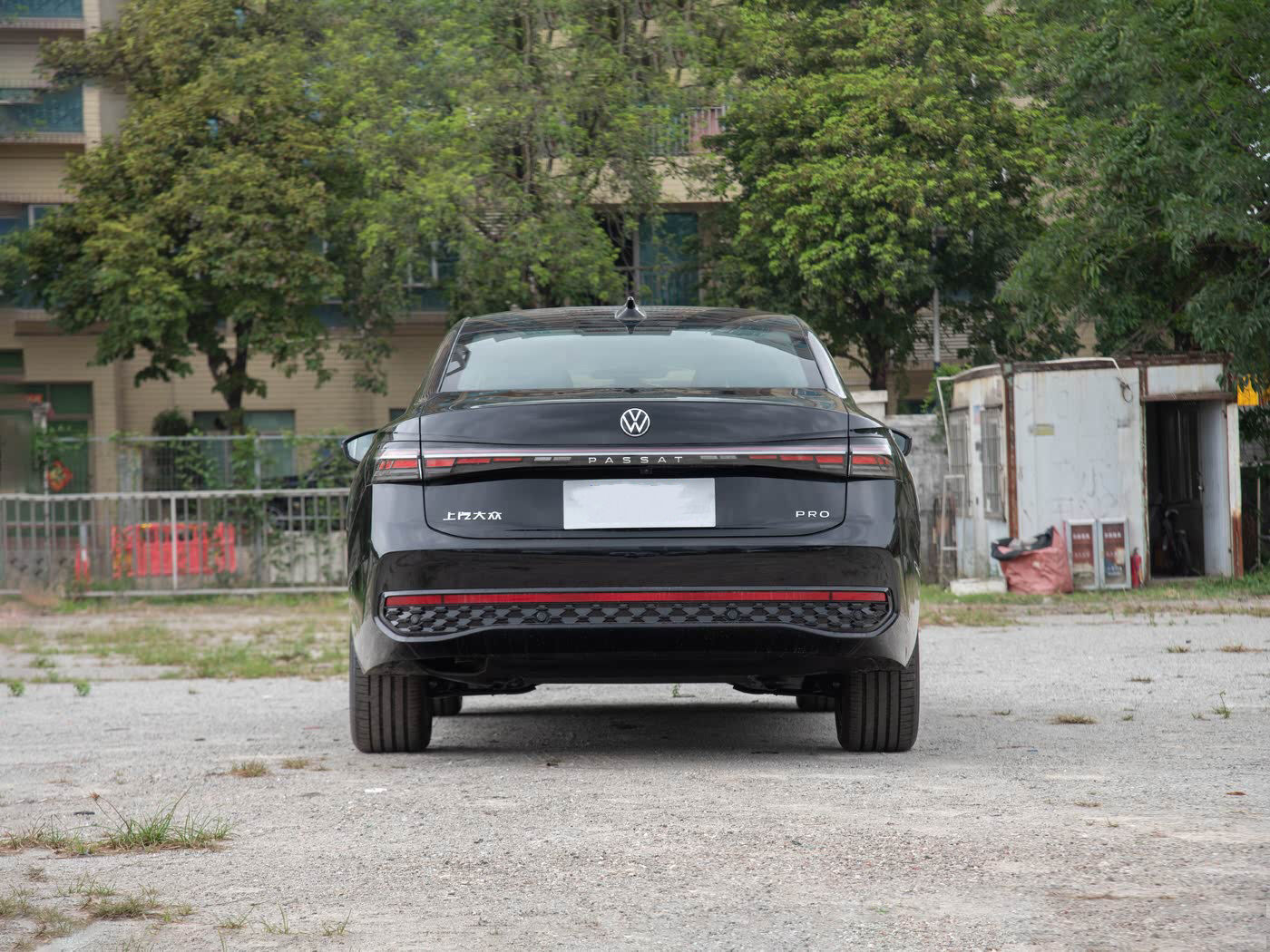
The automotive landscape has transformed dramatically over the past decade, with chinese cars emerging as formidable competitors in the global market. Once dismissed as low-quality alternatives, today's chinese cars demonstrate remarkable engineering sophistication, advanced technology integration, and compelling value propositions that challenge established automotive hierarchies. Understanding how chinese cars stack up against other imports requires examining multiple dimensions including build quality, technological innovation, pricing strategies, and market positioning across different regions worldwide.

International automotive markets have witnessed unprecedented shifts as chinese cars gain traction through strategic partnerships, aggressive research and development investments, and rapid manufacturing scale-up. This comprehensive analysis explores the competitive positioning of chinese cars relative to Japanese, German, Korean, and American imports across key performance indicators that matter most to contemporary consumers seeking reliable, feature-rich, and cost-effective transportation solutions.
Manufacturing Quality and Engineering Standards
Production Excellence and Quality Control Systems
Modern chinese cars benefit from state-of-the-art manufacturing facilities that rival or exceed international standards established by traditional automotive powerhouses. Leading Chinese manufacturers have invested billions in automated production lines, precision robotics, and comprehensive quality assurance protocols that ensure consistent build quality across vehicle lineups. These investments have yielded measurable improvements in manufacturing tolerances, paint quality, interior fit and finish, and overall vehicle durability that directly compete with established import brands.
Comparative analysis reveals that contemporary chinese cars demonstrate significantly improved panel gaps, interior material quality, and assembly precision when measured against previous generations. Independent quality assessments conducted by international automotive testing organizations consistently show narrowing gaps between chinese cars and traditional import vehicles in categories such as initial quality ratings, long-term reliability metrics, and customer satisfaction scores across diverse market segments.
Materials and Component Sourcing Strategies
Strategic partnerships with tier-one global suppliers have enabled chinese cars to incorporate premium components and materials traditionally associated with luxury import vehicles. These collaborations ensure access to advanced steel alloys, high-grade plastics, sophisticated electronic systems, and cutting-edge safety technologies that enhance overall vehicle performance and consumer appeal while maintaining competitive pricing structures.
Supply chain optimization represents another critical advantage for chinese cars, as manufacturers leverage domestic production capabilities alongside international sourcing to achieve optimal cost-performance ratios. This hybrid approach allows chinese cars to offer premium features and materials at price points significantly below comparable import vehicles, creating compelling value propositions for cost-conscious consumers without compromising quality expectations.
Technological Innovation and Feature Integration
Advanced Driver Assistance Systems
Contemporary chinese cars increasingly feature sophisticated driver assistance technologies that match or exceed capabilities found in premium import vehicles. Advanced cruise control systems, lane departure warnings, automatic emergency braking, parking assistance, and blind spot monitoring have become standard equipment across many Chinese vehicle lineups, representing significant technological advancement compared to entry-level import alternatives.
Integration of artificial intelligence and machine learning capabilities distinguishes modern chinese cars from traditional imports through enhanced user experiences and predictive functionality. Voice recognition systems, intelligent climate control, adaptive navigation, and personalized driver profiles demonstrate technological sophistication that rivals premium German and Japanese imports while remaining accessible at more affordable price points for mainstream consumers.
Connectivity and Infotainment Systems
Chinese automotive manufacturers have pioneered innovative connectivity solutions that leverage domestic technology expertise from leading companies in telecommunications, software development, and consumer electronics. Large touchscreen displays, wireless device integration, over-the-air software updates, and comprehensive smartphone connectivity represent standard features in many chinese cars that often require premium trim levels or expensive option packages in comparable import vehicles.
Real-time traffic integration, cloud-based services, remote vehicle monitoring, and advanced navigation systems demonstrate how chinese cars leverage domestic technological ecosystems to deliver enhanced user experiences. These capabilities often surpass those available in traditional import vehicles, particularly in markets where Chinese technology platforms maintain strong consumer adoption and infrastructure support.
Pricing Strategies and Value Propositions
Competitive Pricing Analysis
Price competitiveness remains a fundamental strength for chinese cars when compared against import alternatives across virtually every vehicle segment. Typical pricing advantages range from fifteen to thirty percent below comparable Japanese, German, or American import vehicles while offering similar or superior feature content, warranty coverage, and standard equipment levels that enhance overall ownership value propositions.
Cost advantages stem from multiple factors including lower labor costs, efficient manufacturing processes, government subsidies for electric vehicle development, and strategic vertical integration that reduces component costs. These structural advantages enable chinese cars to maintain healthy profit margins while offering compelling pricing that attracts price-sensitive consumers without compromising product quality or feature content.
Total Cost of Ownership Considerations
Beyond initial purchase prices, chinese cars often demonstrate favorable total ownership costs through competitive maintenance requirements, readily available spare parts, and comprehensive warranty programs that reduce long-term expenses for consumers. Fuel efficiency ratings frequently match or exceed those of comparable import vehicles, contributing to reduced operating costs over typical ownership periods.
Insurance costs for chinese cars have decreased significantly as safety ratings improve and claims history data demonstrates reliability comparable to established import brands. Extended warranty options, roadside assistance programs, and authorized service network expansion further enhance ownership value propositions while addressing historical concerns about long-term support and maintenance accessibility.
Market Positioning and Consumer Perception
Global Market Penetration Strategies
Chinese automotive manufacturers have pursued aggressive international expansion strategies that challenge traditional import vehicle dominance in key markets worldwide. Strategic partnerships with local distributors, joint venture arrangements with established automotive companies, and direct investment in overseas manufacturing facilities demonstrate commitment to global market development beyond domestic Chinese operations.
Export success for chinese cars varies significantly across different regions, with strongest performance in developing markets where price sensitivity outweighs brand preferences, and emerging acceptance in developed markets where quality improvements and feature content justify consideration alongside traditional import alternatives. European and Southeast Asian markets have shown particular receptivity to chinese cars as quality perceptions improve and competitive pricing attracts value-conscious consumers.
Brand Recognition and Consumer Acceptance
Consumer perception of chinese cars continues evolving as quality improvements, technological innovation, and positive ownership experiences gradually overcome historical skepticism about Chinese automotive capabilities. Independent automotive journalism, professional reviews, and consumer advocacy organizations increasingly recognize chinese cars as legitimate alternatives to traditional import vehicles across multiple market segments.
Marketing strategies emphasizing technology leadership, environmental responsibility, and value propositions resonate with younger consumers who prioritize features and functionality over traditional brand heritage. This demographic shift supports continued market share growth for chinese cars as brand loyalty patterns evolve and purchase decisions increasingly focus on objective performance criteria rather than established brand preferences.
Environmental Impact and Sustainability
Electric Vehicle Leadership
Chinese automotive manufacturers have established global leadership in electric vehicle development, production, and market adoption that positions chinese cars advantageously against traditional import alternatives still transitioning from internal combustion engines. Comprehensive electric vehicle lineups, advanced battery technologies, and extensive charging infrastructure support demonstrate commitment to sustainable transportation solutions that exceed efforts by many established import brands.
Battery technology innovations developed by Chinese companies provide chinese cars with competitive advantages in electric vehicle range, charging speed, and overall performance characteristics. These technological capabilities enable chinese cars to offer compelling electric vehicle alternatives that often surpass specifications available from traditional import manufacturers while maintaining significant pricing advantages that accelerate consumer adoption.
Manufacturing Sustainability Initiatives
Environmental responsibility initiatives implemented by Chinese automotive manufacturers include renewable energy adoption in manufacturing facilities, sustainable material sourcing, waste reduction programs, and carbon footprint minimization efforts that demonstrate commitment to environmental stewardship comparable to or exceeding practices among traditional import vehicle manufacturers.
Lifecycle assessment improvements for chinese cars encompass manufacturing processes, component sourcing, vehicle operation, and end-of-life recycling considerations that address environmental concerns across complete vehicle lifecycles. These comprehensive sustainability approaches position chinese cars favorably for environmentally conscious consumers seeking responsible transportation alternatives without compromising performance or affordability expectations.
FAQ
Are chinese cars reliable compared to Japanese and German imports
Reliability of modern chinese cars has improved dramatically and now approaches levels demonstrated by established Japanese and German import vehicles. Independent testing organizations report that contemporary chinese cars show significantly reduced defect rates, improved long-term durability, and enhanced customer satisfaction scores compared to previous generations. While traditional imports maintain slight advantages in some reliability metrics, the gap continues narrowing as Chinese manufacturers implement advanced quality control systems and benefit from partnerships with global tier-one suppliers.
How do warranty programs for chinese cars compare to other imports
Chinese automotive manufacturers typically offer more comprehensive warranty coverage than traditional import brands, with many providing longer coverage periods, more extensive component protection, and additional benefits such as roadside assistance and loaner vehicle programs. These enhanced warranty programs reflect manufacturer confidence in product quality while addressing consumer concerns about long-term support and maintenance availability for chinese cars in international markets.
What safety ratings do chinese cars achieve in international testing
Leading chinese cars consistently earn high safety ratings from international testing organizations including Euro NCAP, IIHS, and regional safety assessment programs. Advanced safety technologies, robust structural designs, and comprehensive airbag systems enable chinese cars to achieve safety performance comparable to premium import vehicles. Many models receive maximum five-star ratings that demonstrate safety capabilities meeting or exceeding standards established by traditional automotive manufacturers.
Do chinese cars hold their resale value like traditional imports
Resale values for chinese cars have improved steadily as quality perceptions enhance and market acceptance grows, though they typically remain below levels achieved by established Japanese and German imports. However, lower initial purchase prices often offset reduced resale values, resulting in total cost of ownership that remains competitive with import alternatives. As brand recognition increases and long-term reliability data accumulates, resale values for chinese cars are expected to continue improving relative to traditional import vehicles.