
 EN
EN
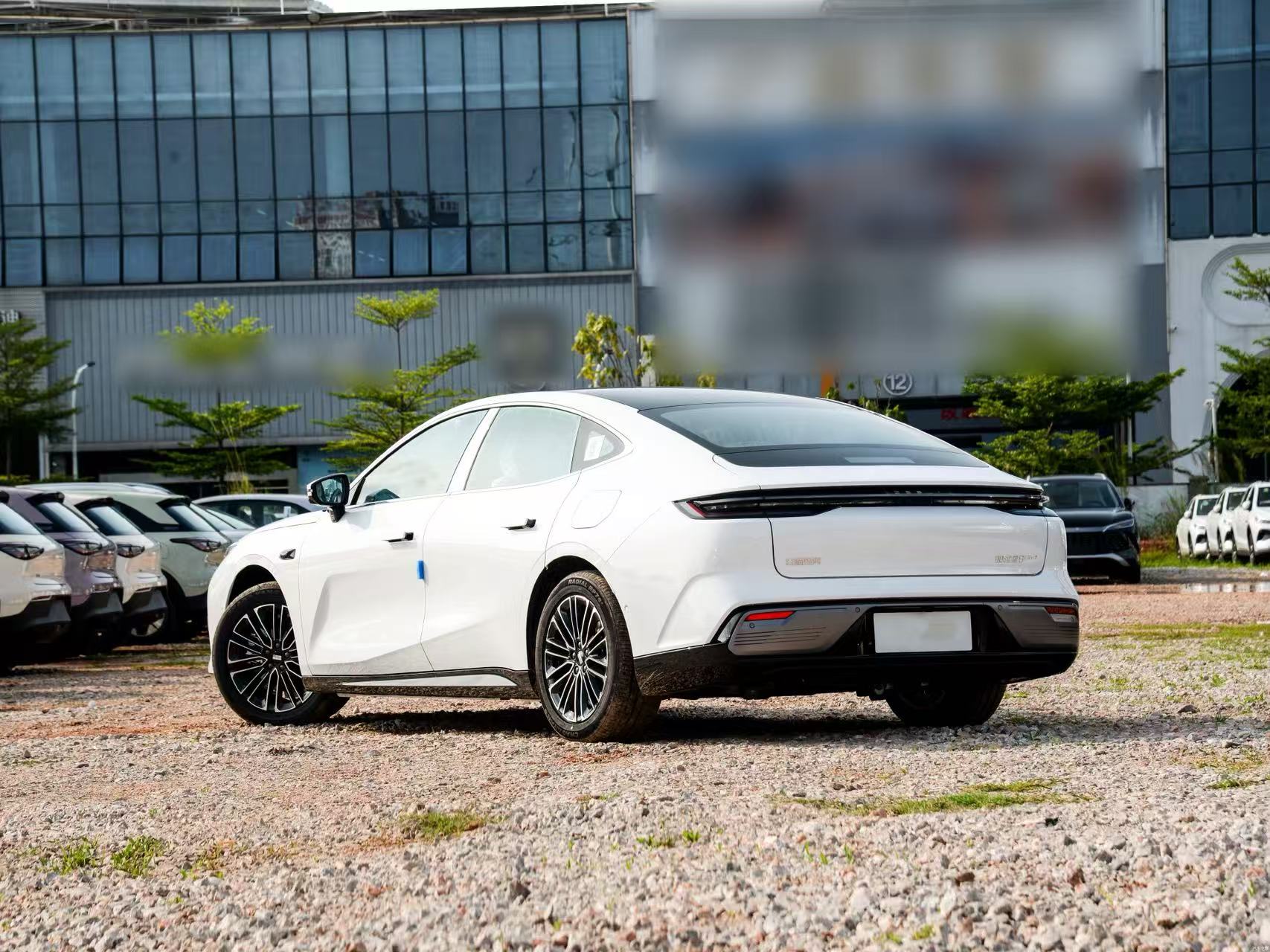
The rise of electric vehicles has reshaped conversations around mobility, energy, and urban planning. Yet widespread adoption still depends heavily on one foundational question: does the infrastructure exist to support electric vehicles at scale? For buyers, fleet operators, and city planners, understanding which infrastructure developments can truly accelerate electric vehicles is essential for making confident, forward-looking decisions.
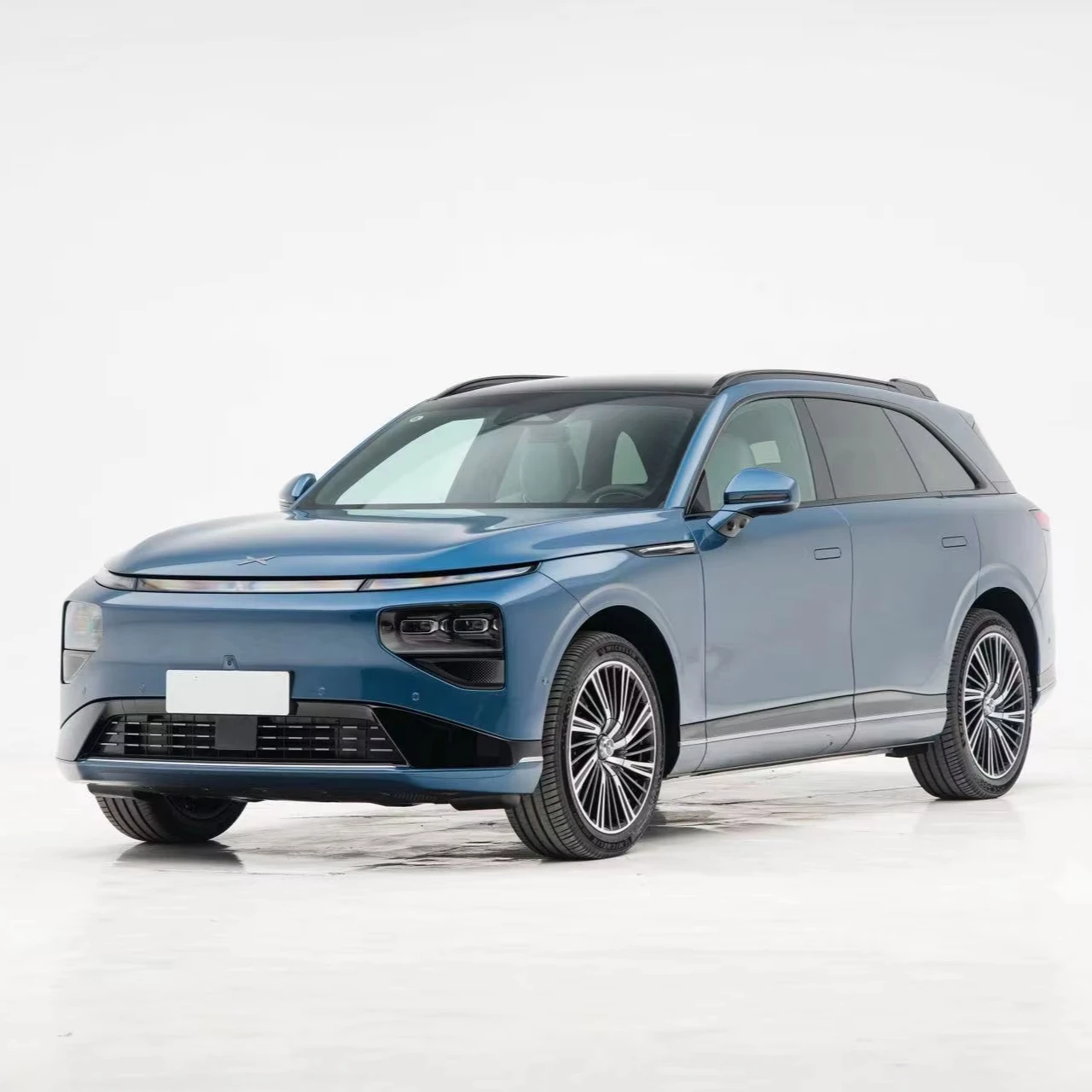
Infrastructure is not a single solution but a layered ecosystem. Electric vehicles depend on charging networks, grid reliability, data systems, and physical road environments working in harmony. When any one of these layers is underdeveloped, it slows the broader transition. This article examines the specific infrastructure categories that, when developed strategically, hold the greatest potential to accelerate electric vehicles growth globally and regionally.
Charging Network Expansion and Its Role in Electric Vehicles Adoption
Public Fast-Charging Corridors
One of the most direct barriers holding back electric vehicles adoption is the lack of fast-charging corridors along major highways and intercity routes. Electric vehicles that can achieve long driving ranges on a single charge still require accessible charging stops for longer journeys. Without dense, reliable fast-charging coverage, drivers of electric vehicles experience range anxiety, which remains a significant psychological barrier even when actual range statistics are strong. Expanding DC fast-charging stations along freight and travel corridors would immediately improve the practical utility of electric vehicles for both private users and commercial fleets.
Urban and Residential Charging Access
City-level infrastructure must also address the needs of residents who do not have access to private parking. Apartment dwellers represent a large share of potential electric vehicles owners, yet they lack overnight charging options. Installing curbside charging points, integrating charging into public parking structures, and enabling smart metering in multi-unit housing are all critical steps. These investments directly lower the everyday friction of owning electric vehicles and convert latent interest into actual purchasing decisions. Cities that prioritize residential charging access consistently see faster growth in electric vehicles registrations.
Grid Modernization to Support Electric Vehicles at Scale
Smart Grid Technology and Demand Management
Electric vehicles do not just consume electricity — they interact with the grid in complex ways. As the number of electric vehicles on the road increases, peak demand events become a significant challenge for energy operators. Smart grid technology enables dynamic load balancing, allowing electric vehicles to charge during off-peak hours and even return stored energy to the grid through vehicle-to-grid systems. When grid operators can coordinate charging behavior across thousands of electric vehicles simultaneously, the overall stability and efficiency of the energy system improves. Smart grid investment is therefore not just an energy project but a direct enabler of electric vehicles scalability.
Renewable Energy Integration
The environmental case for electric vehicles weakens considerably if the electricity powering them comes primarily from fossil fuels. Renewable energy integration — particularly solar and wind — is a crucial infrastructure layer for electric vehicles to fulfill their sustainability promise. Regions that pair electric vehicles growth with clean energy expansion deliver both lower emissions and lower operating costs for drivers. Infrastructure planning that connects electric vehicles charging hubs with renewable energy generation creates a self-reinforcing cycle where electric vehicles become cleaner and cheaper over time. This alignment is especially attractive to corporate fleets with sustainability commitments.
Digital and Policy Infrastructure Enabling Electric Vehicles Growth
Connected Mobility Platforms and Data Standards
Electric vehicles generate and rely on substantial volumes of data — from battery state monitoring to route optimization and charging station availability. Without standardized data protocols, the ecosystem around electric vehicles becomes fragmented, making it harder for drivers to find available chargers, for operators to manage fleets efficiently, and for cities to plan infrastructure upgrades. Open data standards and interoperable platforms allow different electric vehicles models, charging networks, and fleet systems to communicate seamlessly. This digital infrastructure layer is often overlooked but is vital for the reliable, user-friendly experience that makes electric vehicles a practical choice for everyday users and large organizations alike.
Regulatory Frameworks and Incentive Structures
Policy infrastructure plays an equally important role in accelerating electric vehicles. Government regulations that require new buildings to include charging-ready conduit, mandate a percentage of fleet procurement to include electric vehicles, or set clear timelines for phasing out internal combustion engines all create structural market demand. Financial incentives such as purchase subsidies, tax credits, and reduced registration fees directly lower the cost of acquiring electric vehicles. When policy signals are consistent and long-term, investors in charging infrastructure, grid upgrades, and electric vehicles manufacturing gain the confidence needed to commit capital. Regulatory clarity is therefore a form of infrastructure in its own right.
FAQ
Why does charging infrastructure matter most for electric vehicles growth?
Charging infrastructure removes the most immediate practical barrier for potential electric vehicles owners. When people know they can charge electric vehicles conveniently at home, at work, and on the road, purchase hesitation drops significantly. Dense, reliable charging networks make electric vehicles a realistic choice for a far wider population.
How does grid modernization support electric vehicles adoption?
A modernized grid ensures that large numbers of electric vehicles can charge simultaneously without causing power outages or inefficiencies. Smart grid systems allow electric vehicles to charge during periods of low demand, which reduces costs and strain on the network. Without grid upgrades, the infrastructure cannot support the volume of electric vehicles projected for the coming decade.
What role do government policies play in electric vehicles infrastructure?
Government policies create the conditions under which private investment in electric vehicles infrastructure becomes viable. Mandates, standards, and financial incentives align public and private interests, accelerating the pace at which charging networks, grid systems, and digital platforms are built out to support electric vehicles at every level of the market.