
 EN
EN
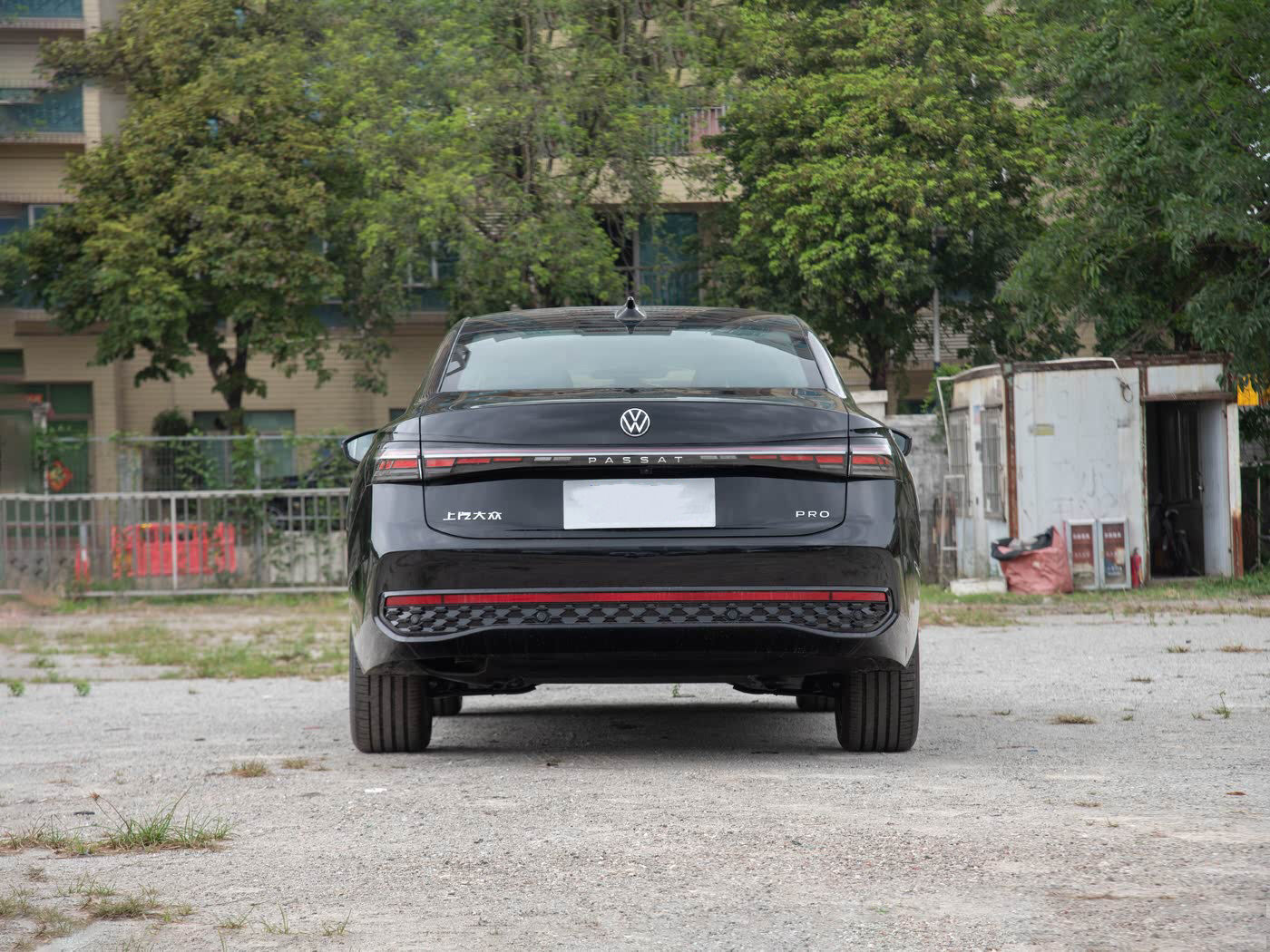
The automotive landscape has witnessed a remarkable transformation over the past decade, with chinese cars emerging as formidable competitors in the global marketplace. What once was considered a niche segment primarily focused on domestic markets has evolved into a worldwide phenomenon that challenges traditional automotive powerhouses. The rise of chinese cars represents more than just manufacturing prowess; it embodies technological innovation, strategic market positioning, and an understanding of evolving consumer preferences that has captivated buyers across continents.
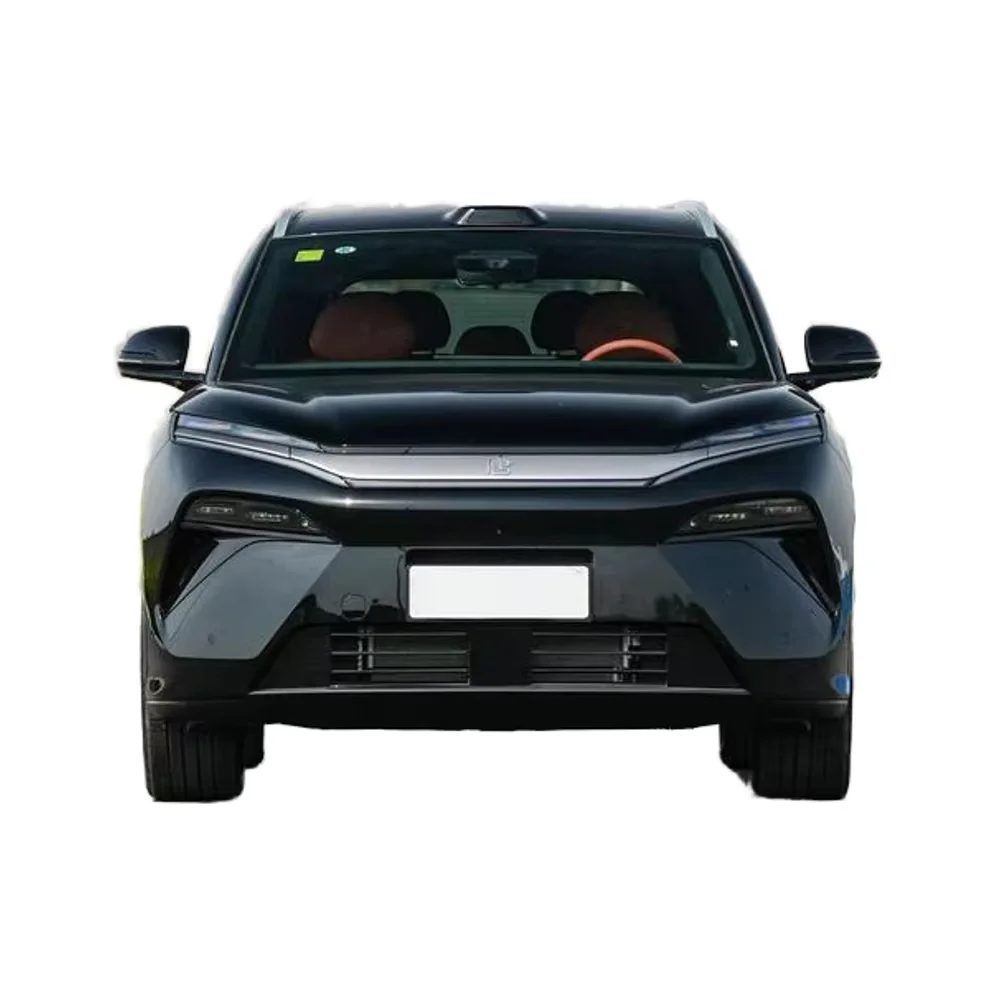
The global popularity surge of chinese cars stems from a perfect confluence of factors including competitive pricing strategies, advanced electric vehicle technology, comprehensive feature sets, and aggressive international expansion initiatives. These vehicles have successfully penetrated markets traditionally dominated by European, American, and Japanese manufacturers, offering consumers compelling alternatives that deliver exceptional value propositions without compromising on quality or performance standards.
Technological Innovation Driving Market Penetration
Electric Vehicle Leadership and Battery Technology
Chinese automotive manufacturers have positioned themselves at the forefront of electric vehicle development, leveraging substantial government investments in battery technology and charging infrastructure. The integration of cutting-edge lithium-ion battery systems, advanced motor configurations, and sophisticated energy management solutions has enabled chinese cars to achieve impressive range capabilities and charging speeds that rival established luxury brands.
Battery manufacturing expertise developed through strategic partnerships with technology companies has resulted in cost-effective energy storage solutions that significantly reduce vehicle pricing while maintaining performance standards. This technological advantage allows chinese cars to offer electric vehicles at price points that make sustainable transportation accessible to broader consumer segments, accelerating global adoption rates across diverse economic demographics.
The implementation of advanced battery management systems, thermal regulation technologies, and regenerative braking mechanisms demonstrates the sophisticated engineering capabilities that define modern chinese cars. These innovations contribute to enhanced vehicle efficiency, extended operational lifespans, and reduced maintenance requirements that appeal to cost-conscious consumers worldwide.
Autonomous Driving and Smart Connectivity Features
Integration of artificial intelligence, machine learning algorithms, and comprehensive sensor arrays has enabled chinese cars to deliver advanced autonomous driving capabilities that compete with premium automotive brands. The development of proprietary software platforms, real-time navigation systems, and predictive maintenance technologies showcases the technological sophistication embedded within these vehicles.
Smart connectivity features including seamless smartphone integration, voice-activated controls, over-the-air software updates, and comprehensive infotainment systems position chinese cars as technologically advanced alternatives to traditional automotive offerings. These digital capabilities resonate particularly well with younger consumer demographics who prioritize connectivity and technological integration in their purchasing decisions.
The incorporation of LiDAR technology, advanced camera systems, and sensor fusion capabilities enables chinese cars to deliver semi-autonomous driving experiences that enhance safety, convenience, and overall driving satisfaction. These technological implementations demonstrate the commitment to innovation that drives global market acceptance and consumer confidence.
Competitive Pricing and Value Proposition
Manufacturing Efficiency and Cost Optimization
The remarkable cost competitiveness of chinese cars results from streamlined manufacturing processes, efficient supply chain management, and strategic vertical integration approaches that minimize production expenses. Advanced automation technologies, lean manufacturing principles, and optimized production workflows enable manufacturers to deliver high-quality vehicles at significantly reduced price points compared to international competitors.
Economies of scale achieved through large domestic market volumes provide chinese cars with substantial cost advantages that translate into competitive international pricing strategies. The ability to amortize research and development investments across extensive production runs enables manufacturers to offer feature-rich vehicles with advanced technologies at accessible price points that attract global consumers.
Strategic partnerships with component suppliers, investment in automated production facilities, and implementation of digital manufacturing technologies contribute to the cost-effectiveness that makes chinese cars attractive alternatives in international markets. These operational efficiencies enable manufacturers to maintain healthy profit margins while offering competitive pricing that challenges established automotive brands.
Feature-Rich Offerings and Standard Equipment
Chinese cars consistently deliver comprehensive feature sets as standard equipment, including advanced safety systems, premium interior materials, sophisticated infotainment technologies, and comfort amenities that typically require expensive option packages from traditional manufacturers. This approach provides exceptional value propositions that resonate with budget-conscious consumers seeking premium experiences.
The inclusion of advanced driver assistance systems, premium audio equipment, climate control technologies, and connectivity features as standard offerings positions chinese cars as attractive alternatives to base model vehicles from established brands. This strategy effectively eliminates the additional costs associated with option packages while delivering comprehensive functionality that meets diverse consumer needs.
Quality improvements in interior materials, build consistency, and attention to detail demonstrate the commitment to delivering premium experiences that justify the growing global popularity of chinese cars. These enhancements address previous perceptions regarding quality standards while maintaining the competitive pricing advantages that drive international market penetration.
Global Market Expansion Strategies
Strategic International Partnerships and Distribution Networks
Chinese automotive manufacturers have implemented sophisticated international expansion strategies involving strategic partnerships with established dealership networks, joint ventures with regional distributors, and comprehensive market entry approaches tailored to specific geographic regions. These partnerships provide essential local market knowledge, regulatory compliance expertise, and customer service capabilities necessary for successful market penetration.
The establishment of regional assembly facilities, service centers, and parts distribution networks demonstrates the long-term commitment that chinese cars manufacturers have toward building sustainable international market presence. These investments in local infrastructure enhance customer confidence, reduce delivery times, and provide comprehensive support services that rival established automotive brands.
Collaborative relationships with financial institutions, insurance providers, and government agencies facilitate market entry by addressing regulatory requirements, financing solutions, and consumer protection standards that vary across international markets. These partnerships enable chinese cars to navigate complex regulatory environments while maintaining competitive advantages in pricing and feature offerings.
Regulatory Compliance and Safety Certifications
Achievement of international safety certifications, emissions compliance standards, and regulatory approvals demonstrates the commitment of chinese cars manufacturers to meeting stringent global automotive standards. These certifications provide essential credibility that supports market acceptance and consumer confidence in diverse international markets.
Investment in comprehensive testing facilities, quality assurance programs, and certification processes ensures that chinese cars meet or exceed safety standards established by regulatory agencies worldwide. This commitment to safety and quality addresses previous concerns regarding manufacturing standards while demonstrating the maturation of the Chinese automotive industry.
Proactive engagement with regulatory agencies, participation in industry standards development, and transparent compliance reporting contribute to the growing acceptance of chinese cars in international markets. These efforts support long-term market development strategies while building trust with consumers, dealers, and regulatory authorities.
Consumer Preferences and Market Dynamics
Evolving Automotive Preferences and Sustainability Focus
Global consumer preferences have shifted toward sustainable transportation solutions, advanced technology integration, and value-oriented purchasing decisions that align with the strengths of chinese cars. The growing emphasis on environmental responsibility, fuel efficiency, and reduced carbon footprints creates favorable market conditions for electric and hybrid vehicles manufactured by Chinese companies.
Younger consumer demographics particularly value technological innovation, connectivity features, and sustainable transportation options that chinese cars deliver through comprehensive electric vehicle offerings and advanced digital integration. These preferences support market acceptance and drive demand growth across diverse geographic regions and consumer segments.
The increasing importance of total cost of ownership considerations, including fuel costs, maintenance expenses, and depreciation rates, positions chinese cars as attractive alternatives that deliver long-term value propositions. These economic factors influence purchasing decisions and contribute to growing market share in price-sensitive consumer segments.
Brand Perception Evolution and Quality Improvements
Systematic improvements in build quality, design aesthetics, and customer service experiences have transformed perceptions of chinese cars from budget alternatives to legitimate competitors in global automotive markets. These enhancements address historical concerns regarding quality standards while maintaining competitive advantages in pricing and feature content.
Strategic marketing initiatives, participation in international automotive exhibitions, and positive media coverage contribute to evolving brand perceptions that support market acceptance of chinese cars. These efforts demonstrate the maturation of the industry and the commitment to building sustainable international market presence.
Customer satisfaction improvements, warranty programs, and comprehensive service support demonstrate the commitment of chinese cars manufacturers to building long-term customer relationships. These initiatives contribute to positive word-of-mouth marketing and repeat purchasing behavior that supports sustained market growth.
FAQ
Are chinese cars reliable for long-term ownership
Modern chinese cars have demonstrated significant improvements in reliability and durability through advanced manufacturing processes, quality control systems, and comprehensive testing programs. Many manufacturers now offer extensive warranty coverage and have established service networks that support long-term ownership experiences comparable to established automotive brands.
How do chinese cars compare in safety ratings
Leading chinese cars consistently achieve high safety ratings from international testing organizations including Euro NCAP and IIHS through implementation of advanced safety systems, robust structural design, and comprehensive crash protection technologies. These achievements demonstrate compliance with stringent global safety standards.
What after-sales support is available for chinese cars internationally
Chinese automotive manufacturers have established comprehensive international service networks including authorized dealerships, certified service centers, and parts distribution systems that provide maintenance support, warranty services, and technical assistance comparable to traditional automotive brands in most major markets.
How do chinese cars perform in different climate conditions
Chinese cars undergo extensive testing in diverse climate conditions and incorporate technologies designed to perform reliably in extreme temperatures, humidity levels, and environmental conditions. Battery thermal management systems, climate-adapted materials, and comprehensive environmental testing ensure reliable operation across diverse geographic regions.