
 EN
EN
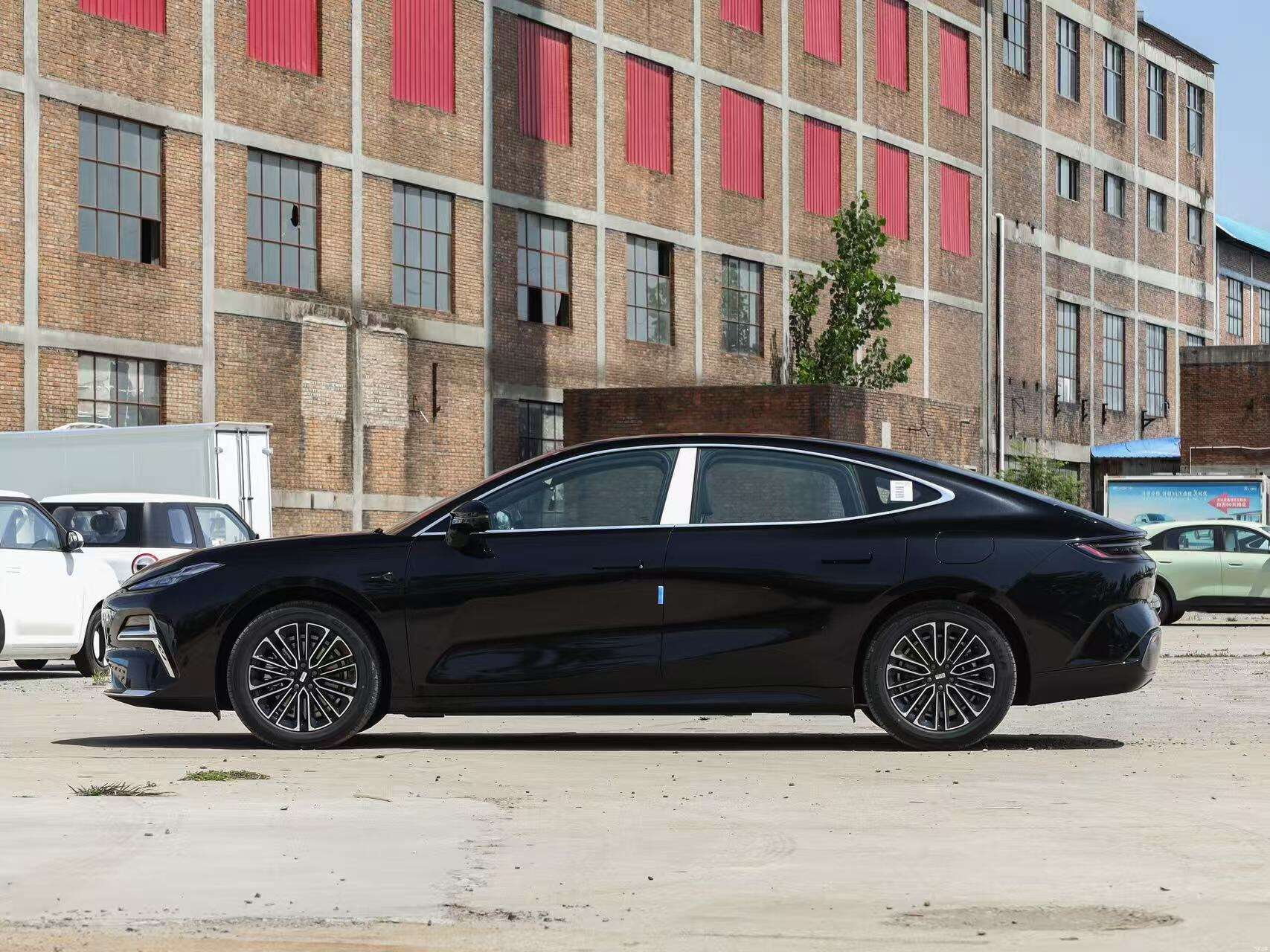
Fleet operators worldwide are increasingly recognizing the transformative potential of new energy vehicles in revolutionizing transportation efficiency and sustainability. The transition from traditional fossil fuel-powered fleets to electric and hybrid alternatives represents more than just an environmental consideration—it fundamentally reshapes operational strategies, cost structures, and performance metrics. Understanding how charging time and scheduling directly impact fleet efficiency has become crucial for businesses seeking to maximize their investment in new energy vehicles while maintaining optimal service levels and profitability.

The complexity of fleet management increases significantly when incorporating new energy vehicles due to the intricate relationship between charging infrastructure, vehicle utilization rates, and operational schedules. Unlike conventional vehicles that can be refueled within minutes at virtually any location, new energy vehicles require strategic planning around charging times, battery capacity, and energy availability. This paradigm shift demands a comprehensive understanding of how these variables interconnect to influence overall fleet performance and economic viability.
Understanding Charging Time Variables in Fleet Operations
Battery Technology and Charging Speed Fundamentals
The charging characteristics of new energy vehicles vary dramatically based on battery chemistry, capacity, and charging infrastructure capabilities. Lithium-ion batteries, which power most modern electric vehicles, exhibit different charging curves that affect operational planning. During the initial charging phase, new energy vehicles can accept higher charging rates, but this gradually decreases as the battery approaches full capacity. Fleet managers must understand these charging profiles to optimize vehicle rotation and minimize downtime.
Fast-charging capabilities have evolved significantly, with some new energy vehicles supporting DC fast charging that can restore 80% battery capacity within 30-45 minutes under optimal conditions. However, the practical implementation of fast charging in fleet operations requires consideration of infrastructure costs, grid capacity, and battery longevity impacts. Repeated fast charging can accelerate battery degradation, potentially affecting the long-term economics of new energy vehicles deployment.
Infrastructure Capacity and Charging Logistics
The availability and capacity of charging infrastructure directly influence how efficiently fleets can operate their new energy vehicles. Commercial charging stations often have varying power outputs, from standard Level 2 chargers delivering 3-7 kW to high-power DC fast chargers capable of 150 kW or more. Fleet operators must carefully map charging locations, assess power availability, and coordinate vehicle schedules to ensure optimal utilization without creating bottlenecks.
Smart charging systems integrated with fleet management software can automatically optimize charging schedules based on electricity rates, grid demand, and operational requirements. These systems enable new energy vehicles to charge during off-peak hours when electricity costs are lower, while ensuring vehicles are ready for scheduled departures. The implementation of such systems requires initial investment but can significantly improve the economic efficiency of new energy vehicles operations.
Strategic Scheduling Approaches for Maximum Efficiency
Route Optimization and Range Management
Effective scheduling of new energy vehicles requires sophisticated route optimization that considers battery range, charging opportunities, and operational priorities. Unlike traditional vehicles with consistent refueling patterns, new energy vehicles demand dynamic scheduling that adapts to varying battery levels, charging availability, and energy consumption patterns. Advanced fleet management systems use real-time data to continuously adjust routes and schedules, ensuring optimal vehicle utilization while preventing range anxiety scenarios.
The integration of telematics systems provides valuable insights into actual energy consumption patterns, allowing fleet managers to refine scheduling algorithms based on real-world performance data. This data-driven approach enables more accurate predictions of charging needs and helps identify opportunities for operational improvements. Fleet operators can leverage this information to optimize the deployment of their new energy vehicles while maintaining service reliability.
Load Balancing and Peak Demand Management
Intelligent scheduling systems can distribute charging loads across available infrastructure to prevent grid overloading and reduce demand charges. By staggering charging sessions and prioritizing vehicles based on operational requirements, fleet managers can maintain continuous operations while minimizing energy costs. This approach becomes particularly important for large fleets where simultaneous charging could strain local electrical infrastructure.
Peak demand management strategies involve scheduling charging activities during periods of lower electricity rates and reduced grid demand. Smart charging controllers can automatically delay or accelerate charging based on utility pricing signals and operational schedules. This sophisticated approach to energy management can result in substantial cost savings while ensuring that new energy vehicles are ready when needed for scheduled operations.
Economic Impact Analysis of Charging Strategies
Total Cost of Ownership Considerations
The economic efficiency of new energy vehicles fleets extends beyond simple fuel cost comparisons to encompass charging infrastructure investments, maintenance savings, and operational flexibility benefits. Charging time optimization directly affects vehicle utilization rates, which influence the return on investment for each unit in the fleet. Longer charging times can reduce effective vehicle availability, potentially requiring larger fleet sizes to maintain service levels.
Maintenance cost reductions associated with new energy vehicles can offset some charging infrastructure expenses, but the timing and scheduling of charging activities significantly impact these economics. Proper battery management through optimized charging schedules can extend battery life, reduce replacement costs, and maintain vehicle performance over extended periods. Fleet operators must consider these long-term financial implications when designing charging and scheduling strategies.
Operational Revenue and Service Quality
The ability to maintain consistent service levels while operating new energy vehicles directly affects customer satisfaction and revenue generation. Effective charging schedules ensure vehicle availability during peak demand periods, preventing service disruptions that could damage customer relationships. The reliability of new energy vehicles operations depends heavily on proactive scheduling that anticipates charging needs and prevents unexpected downtime.
Service quality metrics such as on-time performance, vehicle availability, and route reliability are all influenced by charging time management and scheduling efficiency. Fleet operators who successfully optimize these factors can often provide superior service while benefiting from the environmental and economic advantages of new energy vehicles. This competitive advantage becomes increasingly important as sustainability considerations influence customer purchasing decisions.
Technology Integration and Fleet Management Systems
Advanced Analytics and Predictive Modeling
Modern fleet management platforms incorporate sophisticated analytics capabilities that enable predictive modeling of charging needs and optimal scheduling scenarios. These systems analyze historical usage patterns, weather impacts on battery performance, and operational requirements to generate intelligent charging schedules. Machine learning algorithms continuously improve prediction accuracy, resulting in more efficient utilization of new energy vehicles and charging infrastructure.
Predictive maintenance capabilities integrated with charging management systems can identify potential battery issues before they impact operations. Early detection of battery degradation or charging system problems allows fleet managers to proactively schedule maintenance and prevent unexpected vehicle downtime. This predictive approach enhances the reliability and efficiency of new energy vehicles operations while reducing maintenance costs.
Real-Time Monitoring and Adaptive Management
Real-time monitoring systems provide continuous visibility into vehicle status, battery levels, and charging progress across entire fleets of new energy vehicles. This information enables dynamic schedule adjustments based on actual conditions rather than static planning assumptions. Fleet managers can respond quickly to unexpected events, reroute vehicles as needed, and optimize charging schedules based on real-time electricity pricing and grid conditions.
Integration with external data sources such as traffic conditions, weather forecasts, and utility pricing enables more sophisticated optimization of new energy vehicles operations. These systems can automatically adjust charging schedules to take advantage of favorable electricity rates while ensuring vehicles are charged and ready for scheduled departures. The result is improved operational efficiency and reduced operating costs.
Future Trends and Emerging Technologies
Ultra-Fast Charging and Battery Innovations
Emerging ultra-fast charging technologies promise to dramatically reduce charging times for new energy vehicles, potentially approaching the convenience of conventional fuel refilling. Solid-state batteries and advanced lithium-ion chemistries are enabling charging speeds that could restore significant range in just a few minutes. These technological advances will fundamentally change fleet scheduling requirements and operational strategies.
Battery swapping technologies offer an alternative approach that could eliminate charging time concerns entirely for certain types of new energy vehicles fleets. Automated battery swapping stations can replace depleted batteries with fully charged units in under five minutes, enabling continuous operations without traditional charging delays. This technology is particularly promising for high-utilization commercial fleets where downtime directly impacts revenue.
Vehicle-to-Grid Integration and Energy Storage
The integration of new energy vehicles with electrical grid systems opens new possibilities for fleet operators to generate revenue through energy storage and grid services. Vehicle-to-grid technology allows parked vehicles to discharge stored energy back to the grid during peak demand periods, creating additional income streams while supporting grid stability. This capability adds complexity to scheduling but can significantly improve the economic case for new energy vehicles adoption.
Smart grid integration enables more sophisticated energy management strategies that benefit both fleet operators and utility companies. New energy vehicles can serve as distributed energy storage resources, helping to balance renewable energy supply fluctuations while providing backup power capabilities. These advanced applications require careful coordination between charging schedules, operational requirements, and grid service commitments.
FAQ
How does charging time affect the total number of vehicles needed in a fleet?
Charging time directly impacts vehicle utilization rates, which determines how many new energy vehicles are required to maintain service levels. Longer charging times reduce effective vehicle availability, potentially requiring 10-20% more vehicles compared to conventional fleets to compensate for charging downtime. However, strategic scheduling and fast-charging infrastructure can minimize this impact and may even allow for smaller fleet sizes in some applications.
What are the optimal charging strategies for different types of commercial fleets?
Optimal charging strategies vary based on operational patterns, with delivery fleets benefiting from opportunity charging during breaks, while long-haul applications may require strategic fast-charging stops. Urban transit fleets often use overnight depot charging supplemented by fast charging during layovers. The key is matching charging capabilities with operational schedules to minimize downtime while taking advantage of favorable electricity rates for new energy vehicles.
How do weather conditions affect charging schedules for new energy vehicles?
Weather significantly impacts both charging efficiency and energy consumption of new energy vehicles, requiring adaptive scheduling strategies. Cold temperatures can reduce battery capacity by 20-30% and slow charging speeds, while hot weather may require thermal management that increases energy consumption. Fleet management systems must account for seasonal variations and real-time weather conditions when optimizing charging schedules and route planning.
What role does artificial intelligence play in optimizing fleet charging operations?
Artificial intelligence enables sophisticated optimization of new energy vehicles charging by analyzing vast amounts of operational data, predicting energy needs, and automatically adjusting schedules based on changing conditions. AI systems can optimize charging times to minimize costs, reduce grid impact, and ensure vehicle availability while continuously learning from operational patterns to improve efficiency over time. This technology is essential for managing complex fleets with hundreds of new energy vehicles and diverse operational requirements.
Table of Contents
- Understanding Charging Time Variables in Fleet Operations
- Strategic Scheduling Approaches for Maximum Efficiency
- Economic Impact Analysis of Charging Strategies
- Technology Integration and Fleet Management Systems
- Future Trends and Emerging Technologies
-
FAQ
- How does charging time affect the total number of vehicles needed in a fleet?
- What are the optimal charging strategies for different types of commercial fleets?
- How do weather conditions affect charging schedules for new energy vehicles?
- What role does artificial intelligence play in optimizing fleet charging operations?