 EN
EN
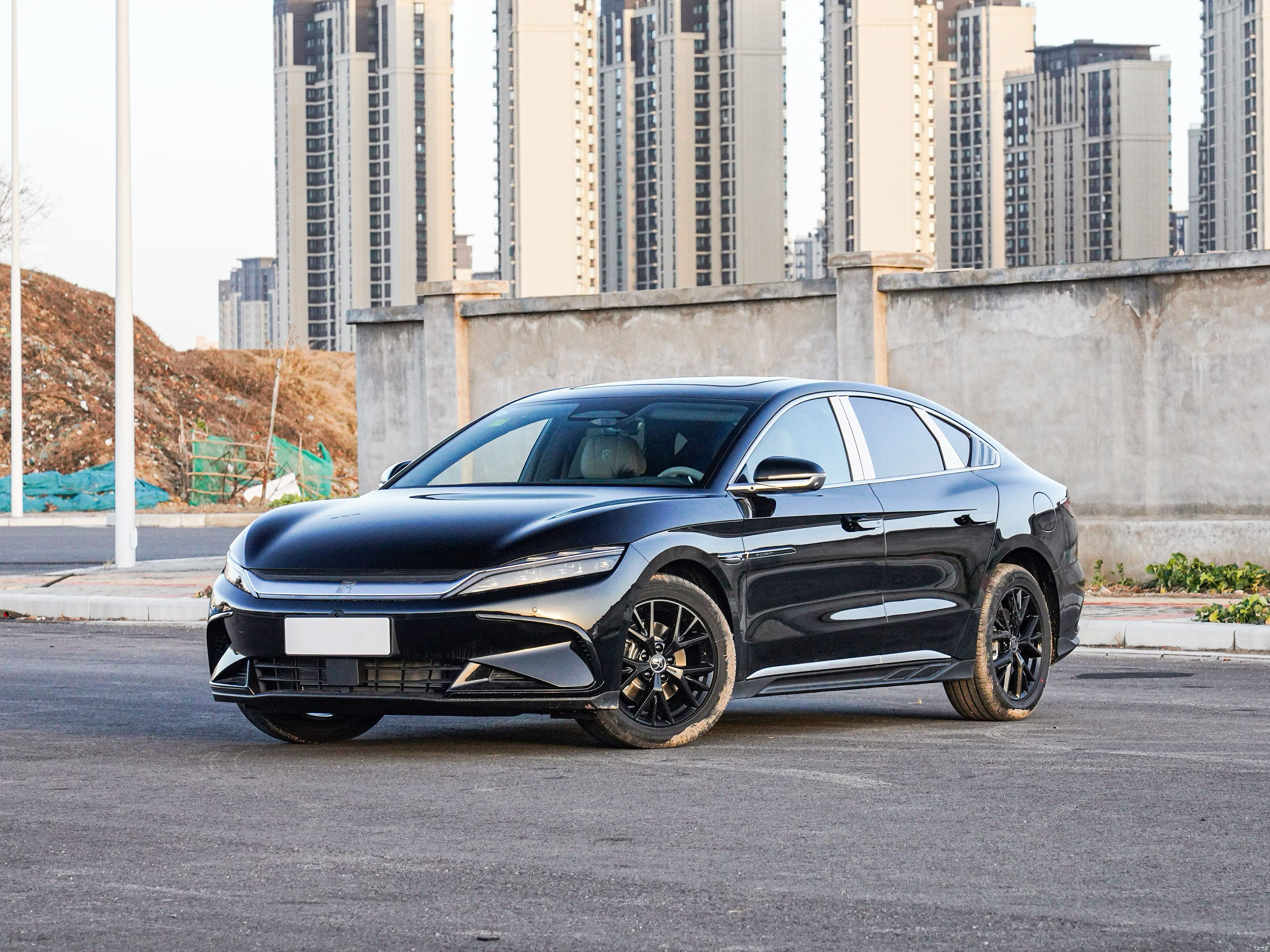
The China automobile industry has experienced unprecedented growth and transformation over the past two decades, evolving from a primarily domestic market to a global powerhouse that influences automotive trends worldwide. This remarkable journey reflects not only the country's economic development but also its strategic focus on innovation, sustainability, and technological advancement. As the world's largest automotive market, China has become a testing ground for cutting-edge technologies and a breeding ground for revolutionary automotive concepts that are reshaping the global landscape.
The transformation of the China automobile industry represents one of the most significant industrial success stories of the 21st century. From producing fewer than 2 million vehicles annually in 2000 to manufacturing over 25 million vehicles today, China has not only achieved scale but has also pioneered innovations that are setting new standards for the global automotive sector. This growth trajectory has been supported by strategic government policies, massive investments in research and development, and a consumer base that eagerly embraces new technologies and sustainable transportation solutions.
Electric Vehicle Revolution and New Energy Transformation
Government Policy Framework and Market Incentives
The Chinese government's commitment to new energy vehicles has been a cornerstone of the China automobile industry's evolution toward sustainability. Through comprehensive policy frameworks including purchase subsidies, tax exemptions, and infrastructure development programs, authorities have created an ecosystem that encourages both manufacturers and consumers to embrace electric mobility. These initiatives have resulted in China becoming the world's largest electric vehicle market, accounting for more than half of global EV sales and production.
The New Energy Vehicle mandate requires automakers to ensure that a certain percentage of their annual sales consist of electric or hybrid vehicles, creating a regulatory environment that drives innovation and investment in clean technologies. This policy approach has accelerated the development of advanced battery technologies, charging infrastructure, and smart manufacturing processes that position Chinese companies at the forefront of the global transition to sustainable transportation.
Battery Technology Breakthroughs and Manufacturing Excellence
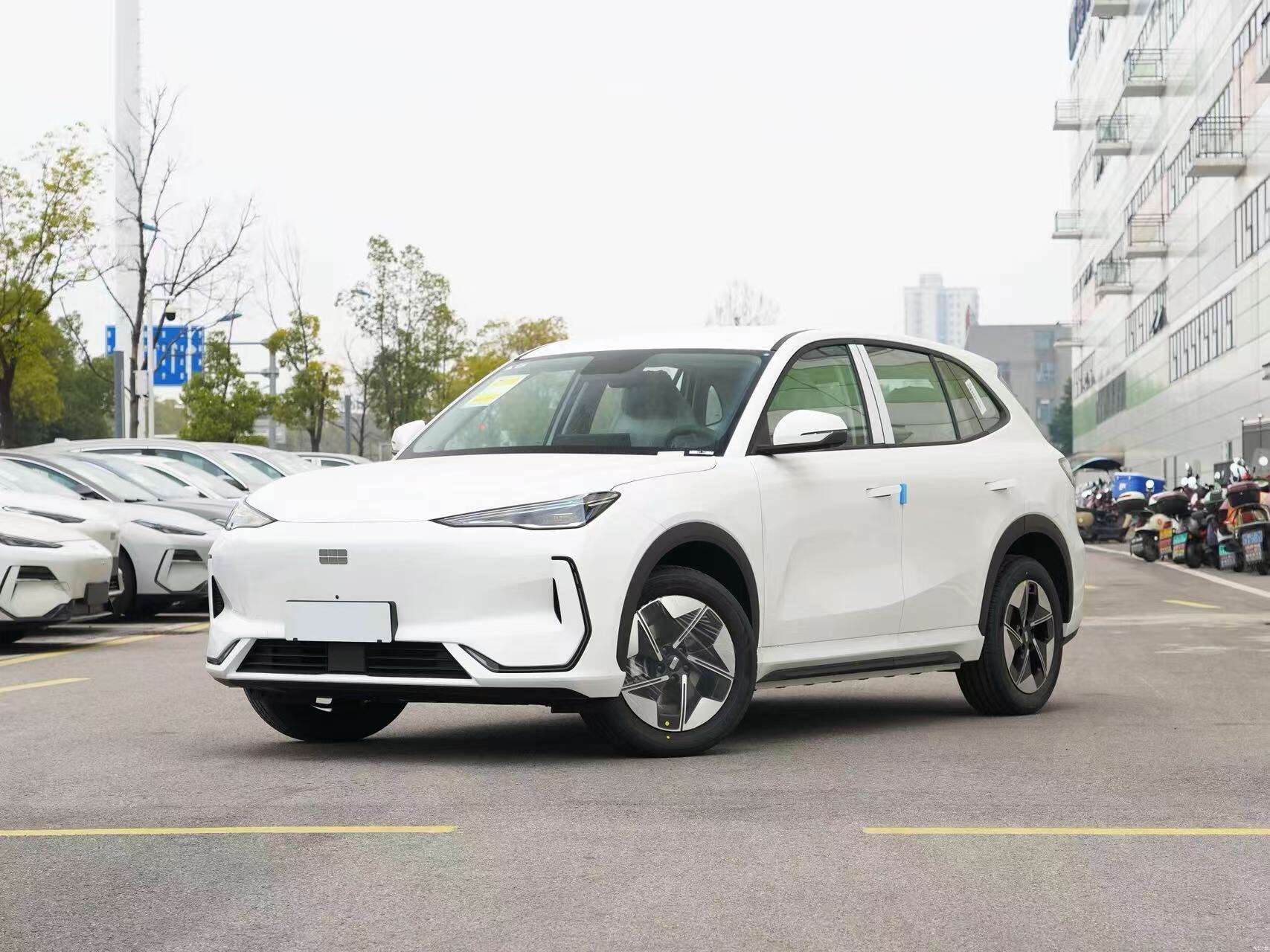
Chinese companies have achieved remarkable breakthroughs in battery technology, particularly in lithium-ion and emerging solid-state battery systems. The China automobile industry has benefited from massive investments in battery research and development, resulting in significant improvements in energy density, charging speed, and overall battery life. These technological advances have made electric vehicles more practical and appealing to consumers while reducing manufacturing costs.
The integration of advanced battery management systems and thermal regulation technologies has enabled Chinese manufacturers to produce vehicles with extended range capabilities and faster charging times. Companies like CATL and BYD have become global leaders in battery technology, supplying not only domestic manufacturers but also international automotive brands seeking reliable and cost-effective energy storage solutions for their electric vehicle programs.
Smart Manufacturing and Industry 4.0 Integration
Automated Production Systems and Digital Transformation
The modernization of manufacturing processes has been fundamental to the success of the China automobile industry, with companies investing heavily in automated production systems and digital transformation initiatives. Advanced robotics, artificial intelligence, and machine learning technologies have been integrated into assembly lines, resulting in improved quality control, reduced production costs, and enhanced manufacturing flexibility that allows for rapid adaptation to market demands.
Smart manufacturing platforms enable real-time monitoring and optimization of production processes, predictive maintenance scheduling, and quality assurance protocols that ensure consistent product excellence. These technological implementations have allowed Chinese manufacturers to achieve production efficiency levels that compete with established global automotive brands while maintaining the flexibility to introduce new models and features rapidly in response to consumer preferences and market trends.
Supply Chain Innovation and Vertical Integration
Chinese automotive companies have developed sophisticated supply chain management systems that leverage digital technologies to optimize component sourcing, inventory management, and logistics coordination. The integration of blockchain technology, IoT sensors, and data analytics platforms has created transparent and efficient supply networks that reduce costs and improve reliability across the entire production ecosystem.
Vertical integration strategies have enabled many companies in the China automobile industry to control critical components of the manufacturing process, from semiconductor production to battery manufacturing and software development. This approach has proven particularly valuable during global supply chain disruptions, allowing Chinese manufacturers to maintain production schedules and deliver products to market while competitors faced significant delays and shortages.
Autonomous Driving Technology and Artificial Intelligence
Advanced Driver Assistance Systems Development
The development of autonomous driving capabilities has become a major focus area for the China automobile industry, with companies investing billions of dollars in research and development of advanced driver assistance systems. Chinese manufacturers have partnered with technology companies and research institutions to develop sophisticated sensor systems, computer vision algorithms, and machine learning platforms that enable vehicles to navigate complex traffic environments safely and efficiently.
The integration of LiDAR technology, high-definition cameras, and radar systems has enabled Chinese vehicles to achieve higher levels of autonomous functionality, with many models now offering Level 2 and Level 3 autonomous driving capabilities. These technological advances have been supported by extensive testing programs on public roads and dedicated testing facilities that simulate various driving conditions and scenarios.
Artificial Intelligence Integration and Smart Connectivity
Artificial intelligence has become deeply integrated into modern Chinese vehicles, powering everything from predictive maintenance systems to personalized user experiences and intelligent traffic management. Voice recognition systems, natural language processing, and machine learning algorithms enable vehicles to understand and respond to driver commands while continuously learning from user behavior patterns to improve performance and functionality.
Smart connectivity features allow vehicles to communicate with infrastructure systems, other vehicles, and cloud-based services, creating an integrated transportation ecosystem that optimizes traffic flow, reduces congestion, and enhances safety. These innovations position the China automobile industry at the forefront of the connected vehicle revolution, with Chinese manufacturers often introducing advanced connectivity features ahead of their international competitors.
Market Expansion and Global Competitiveness
International Market Penetration Strategies
Chinese automotive companies have developed comprehensive international expansion strategies that leverage their technological capabilities, cost competitiveness, and manufacturing expertise to penetrate global markets. These efforts have included establishing manufacturing facilities in key international markets, forming strategic partnerships with local distributors, and adapting products to meet regional preferences and regulatory requirements.
The success of Chinese brands in international markets demonstrates the maturation of the China automobile industry and its ability to compete effectively with established global manufacturers. Companies like Geely, BYD, and Great Wall Motor have established significant market presence in Europe, Southeast Asia, and South America, often focusing on electric vehicles and advanced technology features that differentiate their products from traditional competitors.
Brand Development and Consumer Perception
The evolution of Chinese automotive brands from low-cost alternatives to premium technology leaders represents a fundamental shift in global consumer perceptions and market positioning. Through investments in design, quality improvement, and brand marketing, Chinese manufacturers have successfully elevated their brand images and expanded their target market segments to include premium and luxury vehicle categories.
Strategic acquisitions of international brands and partnerships with renowned design firms have accelerated the brand development process, allowing Chinese companies to leverage established reputations and expertise while infusing their products with innovative technologies and competitive pricing strategies. This approach has proven particularly effective in markets where consumers prioritize technology features and value proposition over traditional brand heritage.
Sustainable Development and Environmental Innovation
Carbon Neutrality Goals and Environmental Responsibility
The commitment to achieving carbon neutrality by 2060 has driven significant innovation in sustainable manufacturing processes and environmental responsibility initiatives throughout the China automobile industry. Companies have implemented comprehensive sustainability programs that address not only vehicle emissions but also manufacturing processes, supply chain operations, and end-of-life vehicle recycling programs.
Investment in renewable energy sources for manufacturing facilities, implementation of circular economy principles, and development of biodegradable materials have become standard practices among leading Chinese automotive manufacturers. These initiatives demonstrate the industry's commitment to environmental stewardship while creating competitive advantages in markets where consumers increasingly prioritize sustainability and environmental responsibility.
Alternative Fuel Technologies and Energy Diversification
Beyond electric vehicles, the China automobile industry has invested in diverse alternative fuel technologies including hydrogen fuel cells, biofuels, and synthetic fuels that offer different advantages for various transportation applications. Hydrogen fuel cell technology has received particular attention for commercial vehicle applications, with several Chinese companies developing advanced fuel cell systems and supporting infrastructure.
The diversification of energy sources and propulsion technologies ensures that the China automobile industry remains adaptable to different market requirements and regulatory environments while maintaining its leadership position in clean transportation solutions. Research and development efforts continue to focus on improving the efficiency, reliability, and cost-effectiveness of these alternative technologies to accelerate their commercial adoption and market penetration.
FAQ
What factors have contributed most significantly to the rapid growth of China's automobile industry
The rapid growth of China's automobile industry has been driven by a combination of government policy support, massive domestic market demand, strategic investments in technology and infrastructure, and the industry's focus on innovation and quality improvement. Government incentives for new energy vehicles, comprehensive industrial policies, and significant investments in research and development have created an environment conducive to rapid growth and technological advancement.
How has the focus on electric vehicles impacted the competitiveness of Chinese automotive companies globally
The focus on electric vehicles has significantly enhanced the global competitiveness of Chinese automotive companies by positioning them as leaders in next-generation automotive technologies. Chinese manufacturers have achieved cost advantages, technological capabilities, and manufacturing scale in electric vehicle production that allow them to compete effectively with established international brands while often offering superior technology features and value propositions.
What role does artificial intelligence play in the development of Chinese automobiles
Artificial intelligence plays a crucial role in Chinese automobile development, powering autonomous driving systems, predictive maintenance capabilities, personalized user experiences, and smart connectivity features. AI integration enables vehicles to learn from user behavior, optimize performance, enhance safety, and provide intelligent responses to various driving conditions and user requirements, creating a more sophisticated and user-friendly driving experience.
How sustainable are the manufacturing processes and business practices of China's automobile industry
The sustainability of China's automobile industry has improved significantly through investments in renewable energy, implementation of circular economy principles, development of environmentally friendly materials, and comprehensive recycling programs. Many companies have established carbon neutrality goals and implemented sustainable manufacturing processes that reduce environmental impact while maintaining competitive production costs and quality standards.
Table of Contents
- Electric Vehicle Revolution and New Energy Transformation
- Smart Manufacturing and Industry 4.0 Integration
- Autonomous Driving Technology and Artificial Intelligence
- Market Expansion and Global Competitiveness
- Sustainable Development and Environmental Innovation
-
FAQ
- What factors have contributed most significantly to the rapid growth of China's automobile industry
- How has the focus on electric vehicles impacted the competitiveness of Chinese automotive companies globally
- What role does artificial intelligence play in the development of Chinese automobiles
- How sustainable are the manufacturing processes and business practices of China's automobile industry