 EN
EN
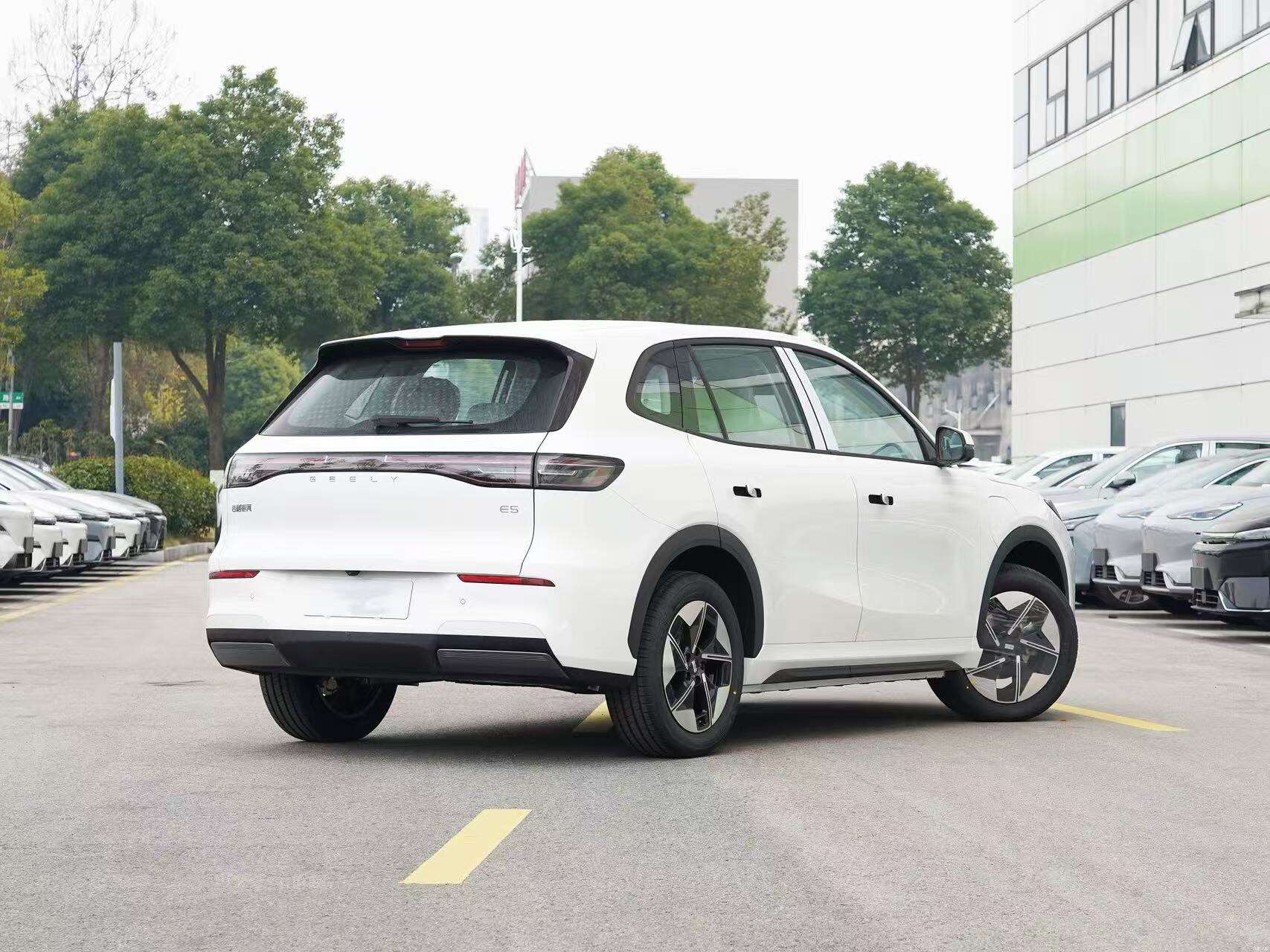
The global automotive landscape has witnessed a remarkable transformation over the past decade, with China's automobiles emerging as formidable competitors in international markets. Once perceived primarily as budget alternatives, Chinese vehicles have evolved into sophisticated, technologically advanced products that appeal to discerning buyers worldwide. This shift represents more than just improved manufacturing capabilities; it reflects China's strategic investment in research, development, and innovation across the automotive sector. The growing international acceptance of China's automobiles stems from their compelling combination of affordability, advanced features, and increasingly reliable performance standards.
Technological Innovation and Advanced Features
Electric Vehicle Technology Leadership
Chinese manufacturers have positioned themselves at the forefront of electric vehicle development, offering cutting-edge battery technology and energy management systems. Companies like BYD, NIO, and XPeng have invested billions in developing proprietary battery technologies that deliver impressive range and charging capabilities. These innovations have resulted in electric vehicles that often outperform their international counterparts in terms of efficiency and technological sophistication. The integration of artificial intelligence, autonomous driving features, and smart connectivity has made China's automobiles particularly attractive to tech-savvy consumers seeking the latest automotive innovations.
The rapid advancement in battery technology has enabled Chinese automakers to offer electric vehicles with ranges exceeding 400 miles on a single charge, addressing one of the primary concerns of potential electric vehicle buyers. Additionally, the development of fast-charging infrastructure and battery swapping technologies has created a comprehensive ecosystem that supports long-distance travel and convenient ownership experiences. These technological breakthroughs have positioned Chinese electric vehicles as viable alternatives to traditional internal combustion engines and established international electric vehicle brands.
Smart Manufacturing and Quality Control
Modern Chinese automotive manufacturing facilities utilize Industry 4.0 principles, incorporating robotics, IoT sensors, and artificial intelligence to ensure consistent quality and precision. These smart manufacturing processes have dramatically improved build quality, reducing defects and enhancing overall vehicle reliability. The implementation of rigorous quality control measures throughout the production process has helped Chinese manufacturers achieve international quality standards that meet or exceed consumer expectations in global markets.
Advanced manufacturing technologies have enabled Chinese automakers to achieve remarkable efficiency in production while maintaining strict quality standards. Automated assembly lines, precision robotics, and real-time quality monitoring systems ensure that every vehicle meets stringent specifications. This commitment to manufacturing excellence has resulted in vehicles that demonstrate improved durability, refined fit and finish, and enhanced long-term reliability, factors that are crucial for building consumer confidence in international markets.
Competitive Pricing and Value Proposition
Cost-Effective Manufacturing Advantages
The competitive pricing of China's automobiles stems from several structural advantages, including lower labor costs, efficient supply chain management, and economies of scale achieved through large domestic market volumes. Chinese manufacturers have optimized their production processes to minimize waste and maximize efficiency, resulting in cost savings that can be passed on to consumers without compromising quality. This pricing advantage becomes particularly pronounced in the electric vehicle segment, where Chinese brands often offer comparable or superior features at significantly lower prices than established international brands.
The vertical integration of many Chinese automotive companies allows them to control costs more effectively by managing component production in-house. This approach reduces dependency on external suppliers and enables more flexible pricing strategies. Additionally, government incentives and support for the automotive industry have helped Chinese manufacturers invest in advanced technologies while maintaining competitive pricing structures that appeal to budget-conscious consumers worldwide.
Feature-Rich Value Offerings
Chinese automotive brands have adopted a strategy of offering feature-rich vehicles that provide exceptional value for money. These vehicles often include premium amenities, advanced safety systems, and cutting-edge infotainment technologies as standard equipment, features that might be considered optional extras in vehicles from established international brands. This comprehensive approach to value creation has resonated strongly with overseas buyers who appreciate getting more functionality and features for their investment.
The emphasis on delivering comprehensive value propositions extends beyond basic transportation needs to encompass lifestyle and convenience features. Chinese manufacturers have recognized that modern consumers expect their vehicles to serve as mobile technology platforms, incorporating smartphone integration, advanced navigation systems, and entertainment capabilities that enhance the overall ownership experience. This holistic approach to value creation has made Chinese vehicles particularly appealing to younger demographics and tech-oriented consumers in international markets.
Design Innovation and Aesthetic Appeal
Contemporary Design Philosophy
Chinese automakers have invested heavily in design capabilities, hiring renowned international designers and establishing design studios in major automotive centers worldwide. This global approach to design has resulted in vehicles that exhibit sophisticated styling, contemporary aesthetics, and cultural sensitivity to different market preferences. The evolution of Chinese automotive design has moved beyond mere functionality to embrace emotional appeal and brand identity, creating vehicles that resonate with diverse consumer tastes across international markets.
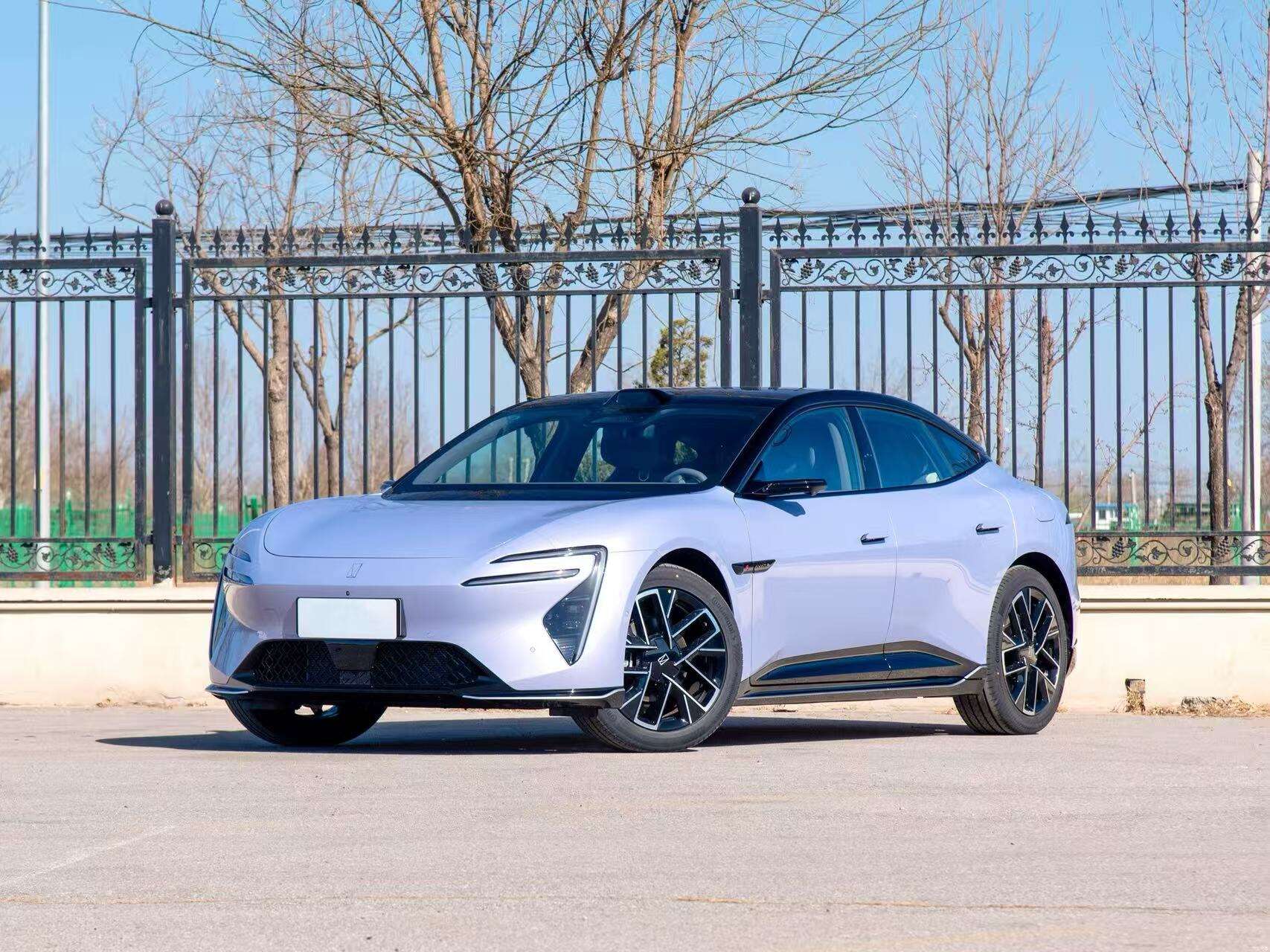
The design philosophy embraced by Chinese manufacturers emphasizes clean lines, modern proportions, and innovative use of materials and colors. These design elements create vehicles that appear fresh and contemporary compared to some established brands that may be perceived as conservative or evolutionary in their styling approaches. The willingness to experiment with bold design concepts while maintaining practical functionality has resulted in vehicles that stand out in crowded marketplaces and attract attention from style-conscious consumers.
Interior Comfort and User Experience
Interior design and user experience have become particular strengths of Chinese automotive brands, with many vehicles featuring spacious cabins, premium materials, and intuitive control interfaces. The focus on creating comfortable and technologically advanced interior environments has resulted in vehicles that often exceed consumer expectations for their price points. Attention to ergonomics, noise reduction, and climate control systems has enhanced the overall driving and passenger experience.
Chinese manufacturers have recognized that interior space and comfort are critical factors for many international buyers, particularly in markets where vehicles serve as family transportation. The optimization of interior packaging, creative storage solutions, and flexible seating arrangements have created vehicles that maximize utility while maintaining aesthetic appeal. Advanced infotainment systems, ambient lighting, and premium audio systems contribute to creating luxurious environments that rival more expensive international alternatives.
Market Expansion and Global Strategy
Strategic International Partnerships
Chinese automotive companies have pursued strategic partnerships and joint ventures with established international brands to accelerate their global expansion and enhance their technological capabilities. These collaborations have facilitated knowledge transfer, improved manufacturing processes, and provided access to established distribution networks in key international markets. The strategic approach to partnership development has enabled Chinese manufacturers to overcome traditional barriers to entry and establish credible presences in competitive markets.
International partnerships have also provided Chinese automakers with valuable insights into local market preferences, regulatory requirements, and consumer behavior patterns. This knowledge has informed product development strategies and marketing approaches, resulting in vehicles that are better tailored to specific regional needs and preferences. The collaborative approach has accelerated the learning curve for Chinese manufacturers entering sophisticated international markets where consumer expectations and regulatory standards may differ significantly from domestic requirements.
Localization and Market Adaptation
Successful international expansion has required Chinese automotive companies to adapt their products and strategies to local market conditions, regulatory environments, and consumer preferences. This localization approach encompasses everything from vehicle specifications and feature sets to marketing messages and service support structures. The willingness to invest in market-specific adaptations demonstrates the commitment of Chinese manufacturers to building sustainable international businesses rather than simply exporting existing products.
Market adaptation strategies have included establishing local assembly operations, developing region-specific vehicle variants, and creating comprehensive after-sales support networks. These investments in local market presence have helped build consumer confidence and trust, addressing concerns about product support and service availability that might otherwise deter potential buyers. The comprehensive approach to market entry has positioned Chinese automotive brands as legitimate long-term competitors rather than opportunistic market entrants.
Environmental Sustainability and Green Technology
Electric Vehicle Leadership
The global shift toward environmental sustainability has created opportunities for Chinese automotive manufacturers to leverage their leadership in electric vehicle technology. Chinese companies have developed comprehensive electric vehicle ecosystems that include not only the vehicles themselves but also charging infrastructure, battery recycling programs, and renewable energy integration. This holistic approach to sustainability has resonated with environmentally conscious consumers worldwide who view transportation choices as important elements of their environmental impact.
Chinese electric vehicle manufacturers have achieved remarkable progress in battery technology, developing solutions that offer improved energy density, faster charging capabilities, and longer lifespans. These technological advances have addressed many of the traditional concerns associated with electric vehicle ownership, such as range anxiety and charging convenience. The commitment to continuous innovation in sustainable transportation technologies has positioned Chinese brands as leaders in the global transition toward cleaner mobility solutions.
Sustainable Manufacturing Practices
Environmental responsibility extends beyond vehicle technology to encompass sustainable manufacturing practices and supply chain management. Chinese automotive manufacturers have implemented green manufacturing initiatives that reduce energy consumption, minimize waste generation, and decrease environmental impact throughout the production process. These sustainability efforts have created additional appeal for consumers and organizations that prioritize environmental responsibility in their purchasing decisions.
The integration of renewable energy sources, water conservation measures, and recycling programs into manufacturing operations demonstrates the comprehensive commitment of Chinese automakers to environmental stewardship. These initiatives not only reduce the environmental footprint of vehicle production but also create operational efficiencies that contribute to cost competitiveness. The alignment of environmental responsibility with business objectives has created sustainable competitive advantages that appeal to socially conscious consumers worldwide.
FAQ
What makes Chinese automobiles competitive in international markets?
Chinese automobiles have become competitive through significant investments in technology, design, and manufacturing quality. They offer advanced features, particularly in electric vehicle technology, at competitive price points. The combination of modern manufacturing processes, strategic international partnerships, and focus on consumer value has enabled Chinese brands to meet and often exceed international quality standards while maintaining cost advantages.
How reliable are Chinese-manufactured vehicles compared to established international brands?
Modern Chinese vehicles have achieved reliability standards that are comparable to established international brands, thanks to advanced manufacturing technologies and rigorous quality control processes. Many Chinese manufacturers have implemented Industry 4.0 production methods and have achieved international quality certifications. While historical perceptions may suggest otherwise, current Chinese vehicles demonstrate improved durability and long-term reliability that meets consumer expectations in global markets.
What role does electric vehicle technology play in the appeal of Chinese automobiles?
Electric vehicle technology has become a significant differentiator for Chinese automobiles, with many manufacturers leading in battery technology, charging solutions, and smart connectivity features. Chinese electric vehicles often offer superior range, faster charging capabilities, and advanced autonomous driving features compared to competitors. This technological leadership has positioned Chinese brands as attractive options for consumers seeking cutting-edge sustainable transportation solutions.
How do Chinese automotive manufacturers ensure quality and safety standards for international markets?
Chinese manufacturers ensure quality and safety through comprehensive testing programs, international certification processes, and adherence to regional regulatory standards. Many companies have established quality management systems that meet or exceed international standards, including ISO certifications and compliance with safety regulations in target markets. Continuous investment in R&D and manufacturing technology has enabled Chinese automakers to achieve the quality standards required for successful international expansion.
Table of Contents
- Technological Innovation and Advanced Features
- Competitive Pricing and Value Proposition
- Design Innovation and Aesthetic Appeal
- Market Expansion and Global Strategy
- Environmental Sustainability and Green Technology
-
FAQ
- What makes Chinese automobiles competitive in international markets?
- How reliable are Chinese-manufactured vehicles compared to established international brands?
- What role does electric vehicle technology play in the appeal of Chinese automobiles?
- How do Chinese automotive manufacturers ensure quality and safety standards for international markets?