 EN
EN
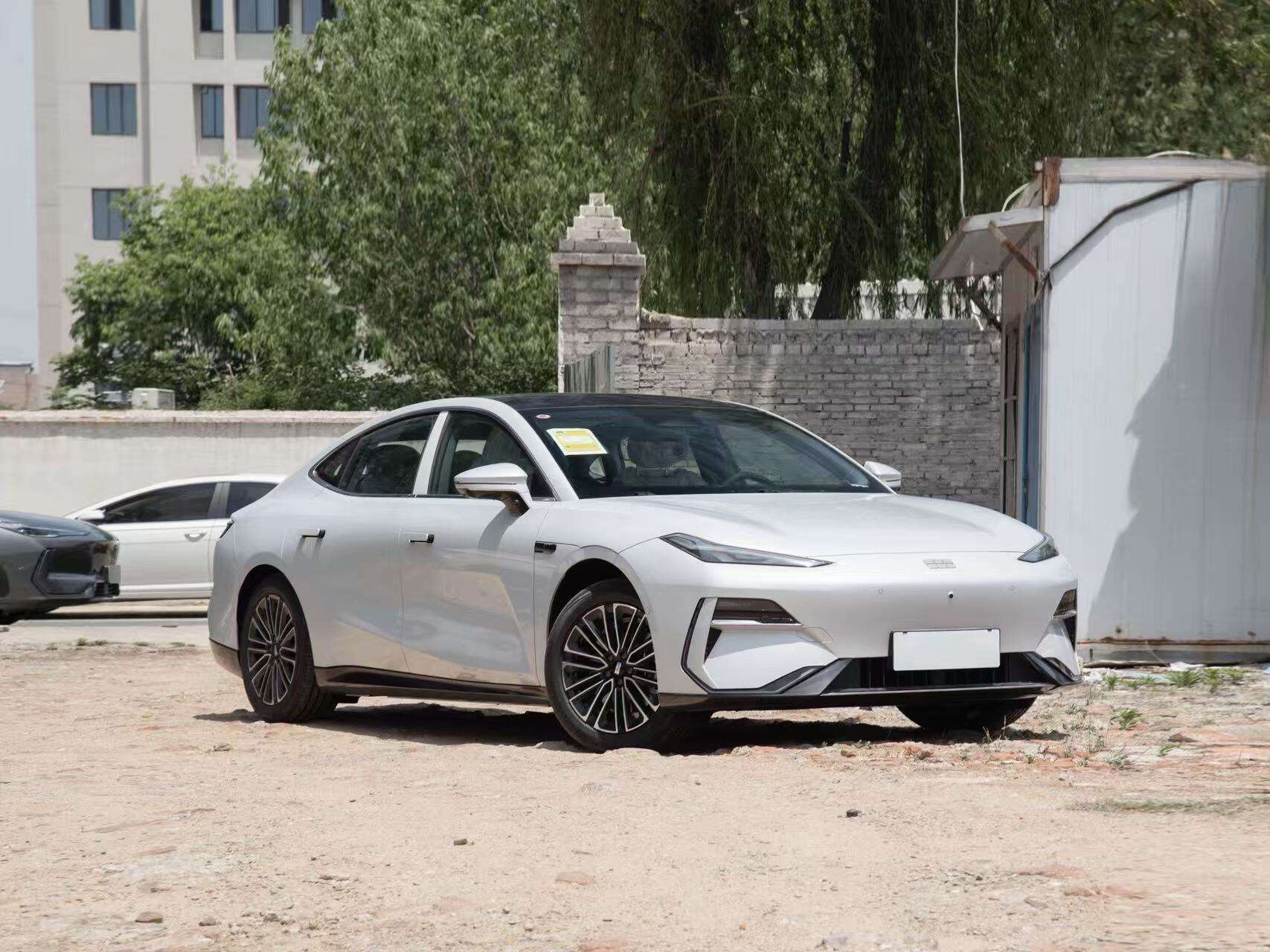
The global automotive landscape has undergone a remarkable transformation in recent years, with electric vehicles emerging as the dominant force shaping future mobility. At the center of this revolution stands China, whose rapid advancement in electric vehicle technology and manufacturing has fundamentally altered international market dynamics. The nation's strategic investments in battery technology, charging infrastructure, and policy support have positioned Chinese manufacturers as formidable competitors in the worldwide electric vehicle sector, influencing everything from pricing strategies to technological innovation across continents.
China's emergence as a global electric vehicle powerhouse represents one of the most significant shifts in automotive history since the introduction of mass production techniques. The country's comprehensive approach to electric mobility encompasses not only vehicle manufacturing but also the entire ecosystem supporting electric transportation. This holistic strategy has enabled Chinese companies to achieve unprecedented scale and efficiency, creating ripple effects that extend far beyond domestic borders and reshape competitive dynamics in established automotive markets worldwide.
China's Strategic Position in Global Electric Vehicle Manufacturing
Government Policy and Industrial Support
The Chinese government's unwavering commitment to electric vehicle development has created an environment where innovation thrives and manufacturing scales rapidly. Through substantial subsidies, tax incentives, and regulatory frameworks favoring electric mobility, Beijing has established the foundation for sustained growth in the electric vehicle sector. These policies have not only accelerated domestic adoption but also provided Chinese manufacturers with the resources and market conditions necessary to develop competitive advantages that translate into global market success.
State-backed investment programs have channeled billions of dollars into research and development, enabling Chinese companies to advance battery technology, electric drivetrains, and autonomous driving capabilities at unprecedented speeds. This governmental support extends beyond financial assistance to include infrastructure development, with China building the world's largest network of charging stations and implementing urban planning policies that prioritize electric vehicle adoption in major metropolitan areas.
Manufacturing Scale and Cost Advantages
The scale of Chinese electric vehicle production has reached levels that fundamentally alter global cost structures and competitive dynamics. By leveraging massive manufacturing capacity and integrated supply chains, Chinese producers have achieved cost efficiencies that enable them to offer competitive pricing in international markets while maintaining healthy profit margins. This manufacturing prowess extends throughout the value chain, from battery cell production to final vehicle assembly, creating comprehensive competitive advantages that are difficult for international competitors to replicate quickly.
Advanced automation and lean manufacturing principles have been systematically implemented across Chinese electric vehicle facilities, resulting in production efficiency levels that rival or exceed those of established automotive manufacturers. The integration of artificial intelligence and machine learning technologies into manufacturing processes has further enhanced quality control and operational efficiency, enabling Chinese companies to scale production rapidly while maintaining consistent product quality standards that meet international market requirements.
Technological Innovation and Battery Technology Leadership
Battery Chemistry and Energy Density Advances
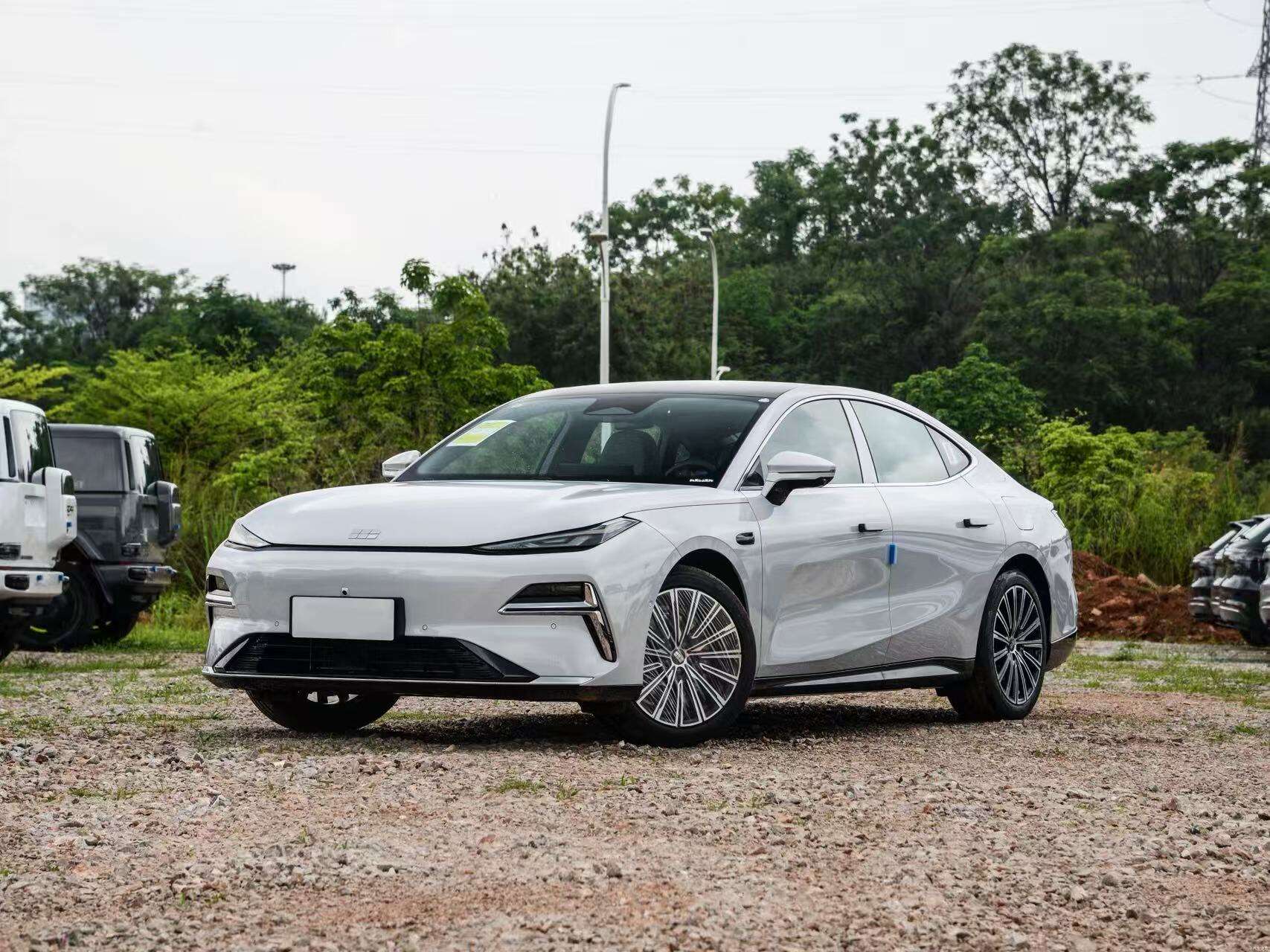
Chinese companies have emerged as global leaders in battery technology innovation, developing advanced lithium-ion chemistries that offer superior energy density, faster charging capabilities, and enhanced safety characteristics. These technological breakthroughs have directly contributed to the improved performance and market appeal of China electric vehicles, enabling longer driving ranges and shorter charging times that address key consumer concerns about electric mobility adoption.
The development of lithium iron phosphate batteries by Chinese manufacturers has revolutionized the industry by providing cost-effective solutions that maintain excellent safety profiles and longevity characteristics. These innovations have enabled Chinese electric vehicle manufacturers to offer competitive products at various price points, from affordable urban commuter vehicles to premium luxury models that compete directly with established international brands in sophisticated markets.
Charging Infrastructure and Smart Grid Integration
China's comprehensive approach to electric vehicle ecosystem development includes revolutionary advances in charging infrastructure and smart grid integration technologies. Chinese companies have pioneered ultra-fast charging solutions that significantly reduce charging times while developing intelligent charging networks that optimize energy distribution and grid stability. These technological capabilities have been successfully exported to international markets, where Chinese charging equipment manufacturers now compete effectively with established players.
The integration of renewable energy sources with electric vehicle charging infrastructure represents another area where Chinese innovation has global implications. By developing systems that seamlessly connect solar and wind power generation with electric vehicle charging networks, Chinese companies have created sustainable mobility solutions that appeal to environmentally conscious consumers and governments worldwide, further accelerating the adoption of electric vehicles across diverse international markets.
International Market Penetration and Competitive Strategies
European Market Expansion
Chinese electric vehicle manufacturers have achieved remarkable success in European markets through strategic partnerships, localized production facilities, and products specifically designed to meet European consumer preferences and regulatory requirements. This expansion has intensified competition in premium electric vehicle segments while introducing new pricing paradigms that challenge established market structures and force traditional manufacturers to reassess their strategic positioning and cost structures.
The establishment of European manufacturing facilities by Chinese companies demonstrates their commitment to long-term market presence and helps address concerns about supply chain security and trade barriers. These investments have created employment opportunities in European markets while enabling Chinese manufacturers to respond more quickly to local market demands and regulatory changes, further strengthening their competitive position against established European automotive brands.
Emerging Market Penetration
Chinese electric vehicle companies have successfully penetrated emerging markets across Asia, Africa, and Latin America by offering affordable electric mobility solutions tailored to local economic conditions and infrastructure capabilities. This market expansion strategy has created new pathways for electric vehicle adoption in regions where traditional premium electric vehicles were previously inaccessible due to cost constraints, thereby accelerating global electric vehicle penetration rates.
The adaptation of Chinese electric vehicles to diverse climatic conditions and infrastructure limitations in emerging markets has demonstrated the versatility and robustness of Chinese electric vehicle technology. By developing products that perform reliably in challenging environments while maintaining cost competitiveness, Chinese manufacturers have established strong market positions that provide platforms for continued expansion as these markets develop economically.
Impact on Traditional Automotive Industry
Pricing Pressure and Market Disruption
The entry of Chinese electric vehicle manufacturers into global markets has created significant pricing pressure that has forced traditional automotive companies to accelerate their electric vehicle development programs and reassess their pricing strategies. This competitive pressure has ultimately benefited consumers by making electric vehicles more accessible while spurring innovation across the entire automotive industry as companies compete to differentiate their products and maintain market share.
Traditional automotive manufacturers have responded to Chinese competition by forming strategic partnerships, investing heavily in battery technology development, and restructuring their operations to achieve greater efficiency and cost competitiveness. This industry-wide transformation has accelerated the transition to electric mobility while creating new opportunities for collaboration and technology sharing between Chinese and international companies.
Supply Chain Transformation
The dominance of Chinese companies in critical electric vehicle components, particularly batteries and electric motors, has fundamentally altered global automotive supply chains and created new dependencies that influence strategic planning across the industry. This supply chain transformation has prompted governments and companies worldwide to develop strategies for securing critical material supplies and reducing dependencies on single-source suppliers.
The vertical integration strategies employed by Chinese electric vehicle manufacturers have demonstrated the advantages of controlling key components of the electric vehicle value chain, inspiring similar approaches among international competitors and reshaping industry structure toward more integrated business models that prioritize control over critical technologies and manufacturing processes.
Environmental and Sustainability Implications
Carbon Emission Reduction
The massive scale of Chinese electric vehicle production and adoption has contributed significantly to global carbon emission reduction efforts, with millions of electric vehicles replacing internal combustion engines in both domestic and international markets. This environmental impact extends beyond vehicle operations to include improvements in urban air quality and reductions in petroleum consumption that have global implications for climate change mitigation efforts.
Chinese manufacturers have increasingly focused on sustainable manufacturing practices and renewable energy integration in their production processes, demonstrating that large-scale electric vehicle manufacturing can be accomplished with minimal environmental impact. These sustainability initiatives have set new industry standards that influence practices among international competitors and contribute to overall environmental improvements across the automotive sector.
Circular Economy and Battery Recycling
Chinese companies have emerged as leaders in battery recycling and circular economy practices, developing technologies and processes that recover valuable materials from end-of-life electric vehicle batteries for use in new battery production. These innovations address critical concerns about the long-term sustainability of electric vehicle adoption while creating economic value from what would otherwise be waste materials.
The development of comprehensive recycling networks and second-life battery applications by Chinese companies has created new business models that extend the economic value of electric vehicle batteries beyond their automotive applications. These circular economy approaches have been successfully implemented in international markets, demonstrating scalable solutions for sustainable electric vehicle lifecycle management.
Future Outlook and Global Implications
Technological Evolution and Next-Generation Vehicles
Chinese electric vehicle manufacturers continue to invest heavily in next-generation technologies including solid-state batteries, autonomous driving systems, and vehicle-to-grid integration capabilities that promise to further transform the automotive landscape. These technological developments position Chinese companies at the forefront of automotive innovation while creating new competitive advantages that may be difficult for international competitors to match.
The integration of artificial intelligence, 5G connectivity, and advanced driver assistance systems in Chinese electric vehicles represents a comprehensive approach to future mobility that extends beyond traditional automotive boundaries. These technological capabilities are being rapidly deployed in international markets, influencing global standards for electric vehicle functionality and creating new expectations among consumers worldwide.
Market Consolidation and Strategic Partnerships
The continued success of Chinese electric vehicle manufacturers is likely to drive further market consolidation as smaller players struggle to compete with the scale and technological capabilities of leading Chinese companies. This consolidation may result in strategic partnerships between Chinese and international companies as the industry seeks to leverage complementary strengths and share development costs for advanced technologies.
International expansion by Chinese electric vehicle manufacturers will likely continue accelerating as these companies establish local production facilities and develop region-specific products that meet diverse market requirements. This expansion will further intensify global competition while potentially creating new opportunities for technology transfer and collaborative development that benefit the entire electric vehicle industry.
FAQ
How have Chinese electric vehicles achieved cost competitiveness in global markets?
Chinese electric vehicles have achieved cost competitiveness through massive manufacturing scale, integrated supply chains, government subsidies, and technological innovations in battery production. The combination of these factors has enabled Chinese manufacturers to offer competitive pricing while maintaining quality standards that meet international market requirements.
What role does government policy play in China's electric vehicle success?
Government policy has been crucial to China's electric vehicle success through substantial subsidies, tax incentives, charging infrastructure development, and regulatory frameworks that favor electric mobility. These policies have created market conditions that support rapid growth and innovation while providing companies with resources necessary for international expansion.
How are Chinese electric vehicles impacting environmental sustainability globally?
Chinese electric vehicles contribute to global environmental sustainability through large-scale carbon emission reductions, improved urban air quality, and innovations in battery recycling and circular economy practices. The massive adoption of Chinese electric vehicles worldwide has significantly accelerated the transition away from fossil fuel-powered transportation.
What technological advantages do Chinese electric vehicle manufacturers possess?
Chinese electric vehicle manufacturers possess technological advantages in battery chemistry, manufacturing automation, charging infrastructure, and smart grid integration. These capabilities, combined with rapid innovation cycles and substantial research and development investments, have positioned Chinese companies as global leaders in electric vehicle technology development and deployment.
Table of Contents
- China's Strategic Position in Global Electric Vehicle Manufacturing
- Technological Innovation and Battery Technology Leadership
- International Market Penetration and Competitive Strategies
- Impact on Traditional Automotive Industry
- Environmental and Sustainability Implications
- Future Outlook and Global Implications
-
FAQ
- How have Chinese electric vehicles achieved cost competitiveness in global markets?
- What role does government policy play in China's electric vehicle success?
- How are Chinese electric vehicles impacting environmental sustainability globally?
- What technological advantages do Chinese electric vehicle manufacturers possess?