
 EN
EN
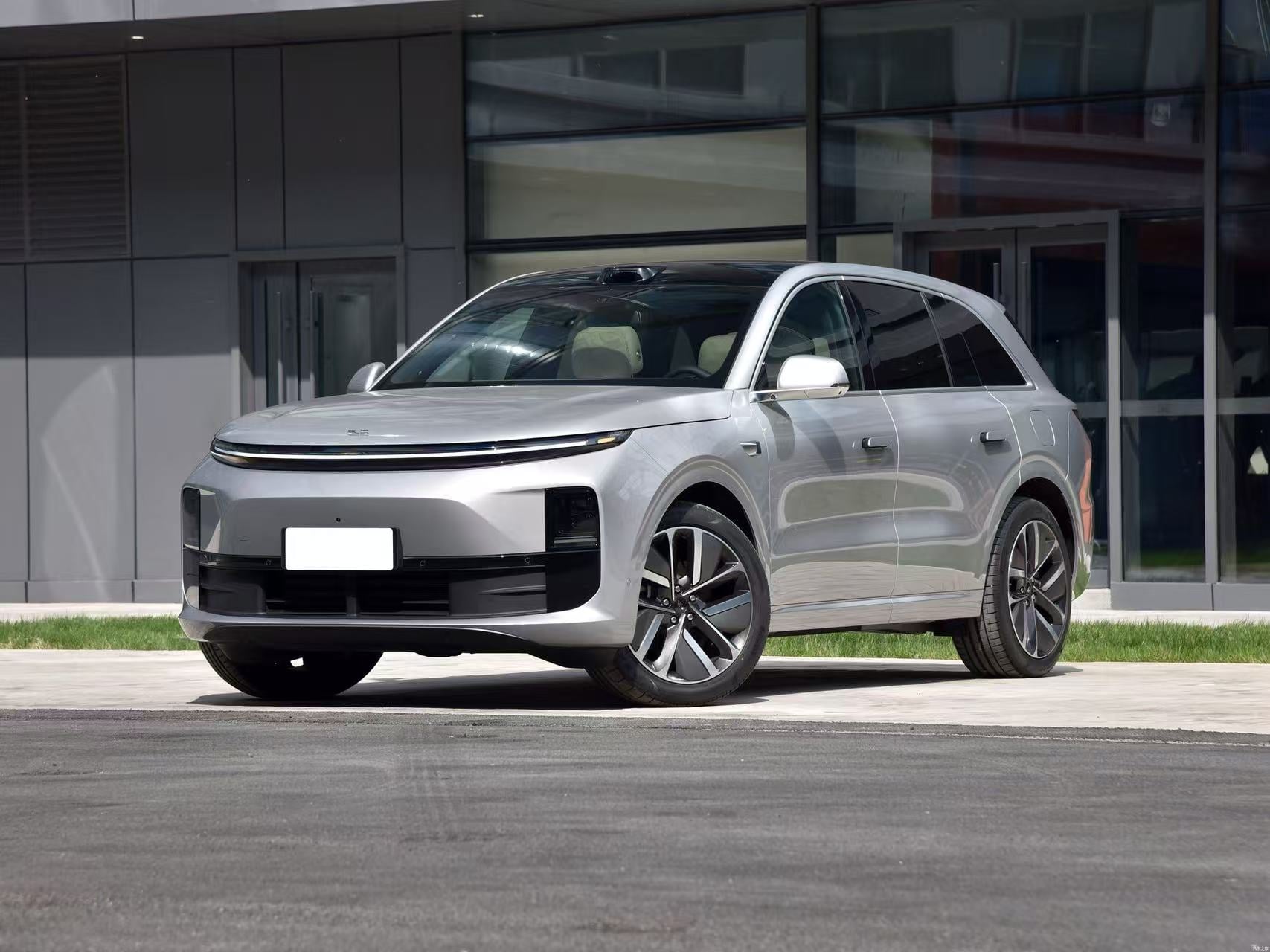
In regions where electric charging infrastructure remains sparse or unreliable, fuel-powered vehicles continue to dominate. Drivers and fleet operators in rural zones, remote industrial areas, and developing markets consistently choose fuel-powered vehicles because they offer a level of operational certainty that battery-electric alternatives simply cannot match in these contexts. Understanding why fuel-powered vehicles hold this preference requires a close look at infrastructure realities, performance needs, and total cost of ownership.

The preference for fuel-powered vehicles in low-charging-access areas is not simply a matter of habit or tradition. It reflects genuine, practical decision-making based on where refueling stations exist, how long a vehicle needs to operate between stops, and what kind of terrain or climate must be handled. Fuel-powered vehicles address each of these concerns directly, making them the rational default for millions of drivers worldwide.
Infrastructure Advantages of Fuel-Powered Vehicles
Widespread Refueling Networks
One of the strongest reasons fuel-powered vehicles are preferred in areas with limited charging access is the depth and reach of existing fuel distribution networks. Petrol and diesel stations are present in virtually every town, along major highways, and even in remote communities where electricity grids may be inconsistent. For drivers relying on fuel-powered vehicles, refueling is typically a five-minute stop rather than a multi-hour charging session. This operational speed is critical for commercial drivers, long-distance travelers, and anyone whose livelihood depends on vehicle availability throughout the day.
Fuel-powered vehicles benefit from a global logistics system that has been built and refined over more than a century. Fuel storage, transport, and dispensing infrastructure exist at a scale that electric charging networks in low-access areas simply have not yet reached. For communities where the nearest charging point might be dozens of kilometers away, fuel-powered vehicles represent the only practical solution for daily transportation needs.
Energy Density and Range Reliability
Fuel-powered vehicles carry a significant advantage in energy density. Liquid fuels store a large amount of energy in a compact, lightweight form, allowing fuel-powered vehicles to cover substantial distances on a single tank. In areas where refueling stops are infrequent, this range reliability means that drivers of fuel-powered vehicles face far less anxiety about reaching their destination. A full tank in a modern fuel-powered vehicle typically provides 500 to 700 kilometers of range, a figure that current battery-electric options struggle to match affordably in the same market segment.
Operational Resilience in Challenging Conditions
Performance Across Climates and Terrain
Fuel-powered vehicles demonstrate consistent performance across a wide range of environmental conditions. Cold climates that drastically reduce battery efficiency have minimal impact on the performance of fuel-powered vehicles, as internal combustion engines generate their own heat during operation. Similarly, fuel-powered vehicles maintain reliable performance in high-altitude regions, on unpaved roads, and in areas prone to extreme heat or humidity. For drivers in such environments, fuel-powered vehicles offer a dependability that directly translates to safety and productivity.
Off-road and semi-urban operators frequently choose fuel-powered vehicles because their powertrains are well-suited to variable load conditions. Whether carrying heavy cargo, climbing steep grades, or navigating rough terrain, fuel-powered vehicles respond predictably and can be serviced using skills and parts available almost anywhere. This broad serviceability is itself a major advantage in low-infrastructure regions where specialized electric vehicle technicians may not be available.
Maintenance and Repair Accessibility
The mechanical nature of fuel-powered vehicles means that local mechanics with conventional training can diagnose and repair most common issues. Spare parts for fuel-powered vehicles are widely stocked, even in markets with limited automotive supply chains. This accessibility reduces downtime significantly compared to scenarios where an electric vehicle requires proprietary diagnostic tools or components that must be shipped from distant suppliers. For small business owners, agricultural workers, and community transport operators, the ease of maintaining fuel-powered vehicles is a decisive practical consideration.
Economic Considerations Favoring Fuel-Powered Vehicles
Lower Upfront Acquisition Cost
In markets with limited charging access, fuel-powered vehicles generally carry a lower purchase price compared to equivalently capable electric vehicles. This lower upfront cost makes fuel-powered vehicles accessible to a wider range of buyers, including small businesses and individual consumers in price-sensitive markets. When the infrastructure required to support electric vehicles — home charging units, grid upgrades, and public fast chargers — is not yet in place, the total cost of transitioning away from fuel-powered vehicles becomes even more prohibitive. Fuel-powered vehicles, by contrast, require no additional infrastructure investment from the buyer.
Predictable Total Cost of Ownership
Owners of fuel-powered vehicles can plan fuel expenses based on well-established pricing models and consumption figures. While fuel prices fluctuate, the cost structure of running fuel-powered vehicles is transparent and familiar to buyers across all income levels. Resale values for fuel-powered vehicles in regions without charging infrastructure remain strong, as local demand sustains a healthy used market. This combination of predictable operating costs and reliable residual value makes fuel-powered vehicles a financially sound choice for buyers who cannot yet benefit from the running-cost savings that electric vehicles promise in better-served markets.
FAQ
Are fuel-powered vehicles being phased out globally?
Fuel-powered vehicles face regulatory pressure in certain markets, but in regions with limited charging infrastructure, they remain the dominant and practical choice for the foreseeable future. Many governments continue to support fuel-powered vehicles in underserved areas because no viable mass-market alternative is yet available at scale.
Can fuel-powered vehicles be used as a long-term investment in low-charging areas?
Yes. In areas where charging infrastructure is unlikely to expand rapidly, fuel-powered vehicles retain strong resale value and offer reliable service for many years. Buyers in these regions can confidently invest in fuel-powered vehicles knowing that local servicing, fuel supply, and demand for used units will remain stable.
What type of fuel-powered vehicles suits drivers in remote or rural areas best?
For remote and rural drivers, fuel-powered vehicles with proven petrol or diesel engines, generous fuel tank capacity, and straightforward mechanical systems tend to perform best. Models designed for durability and ease of maintenance ensure that fuel-powered vehicles remain operational even when professional service centers are not nearby.