
 EN
EN
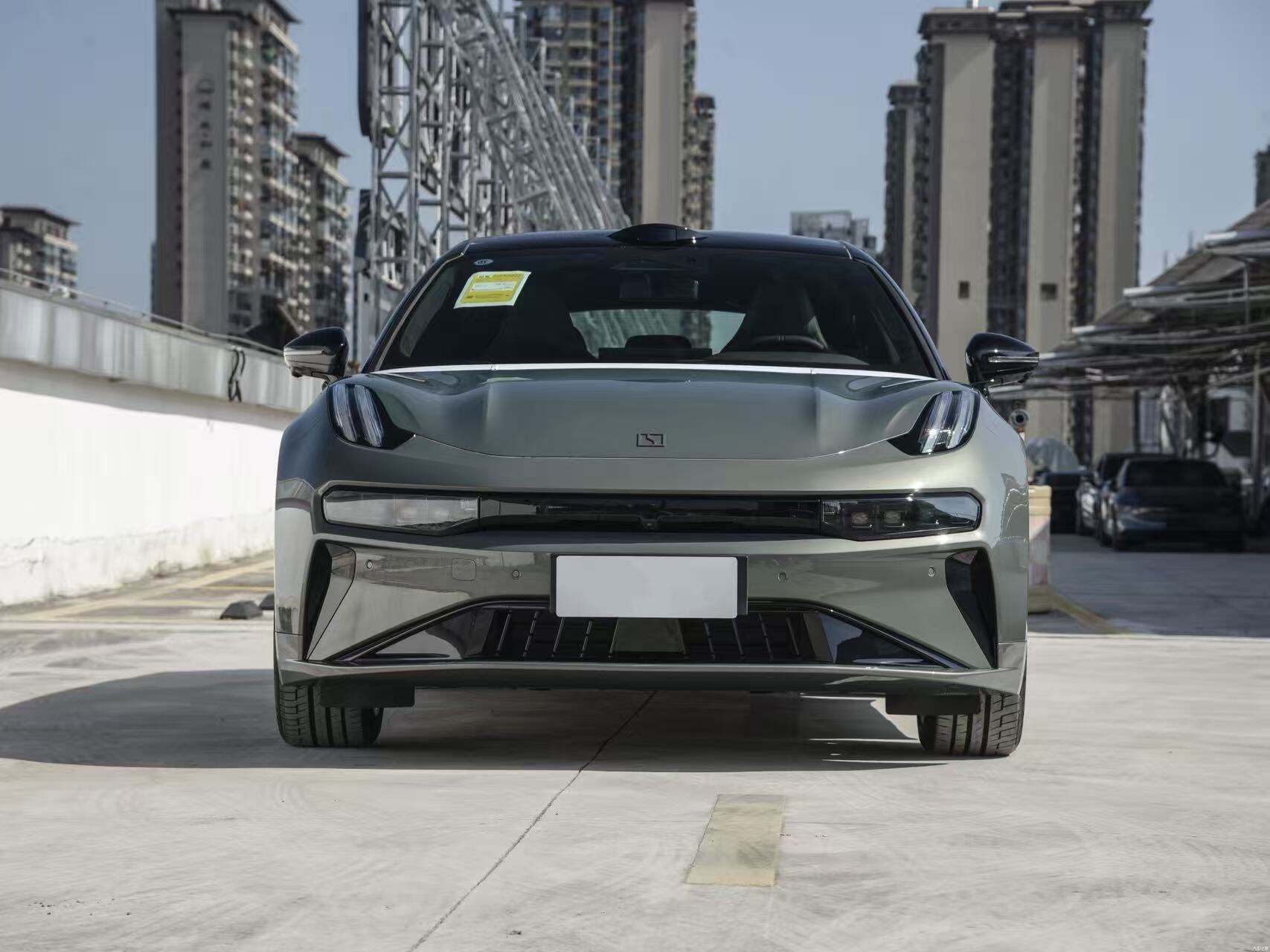
The global automotive landscape is undergoing a profound transformation as new energy vehicles rapidly gain traction in emerging markets across Asia, Latin America, Africa, and Eastern Europe. These regions, characterized by growing middle classes, urbanization pressures, and increasing environmental awareness, are creating unique demand patterns that differ significantly from established markets. Understanding how new energy vehicles are specifically adapting to meet these distinctive requirements reveals not only the technological evolution of electric mobility but also the strategic shifts in manufacturing, infrastructure development, and consumer engagement that define success in these dynamic economies.

Emerging automotive markets present a complex set of challenges and opportunities that demand tailored approaches from manufacturers of new energy vehicles. These markets often feature limited charging infrastructure, price-sensitive consumers, diverse terrain and climate conditions, and regulatory frameworks that are still evolving. Yet they also represent the fastest-growing segments of global vehicle demand, with millions of first-time car buyers entering the market annually. The ability of new energy vehicles to address local mobility needs, energy security concerns, and environmental goals while remaining economically accessible determines their market penetration and long-term viability in these crucial regions.
Addressing Infrastructure Limitations Through Vehicle Design Innovation
Extended Range Capabilities and Hybrid Solutions
Manufacturers of new energy vehicles have recognized that emerging markets often lack the comprehensive charging networks found in developed economies. To overcome this barrier, many are deploying extended-range electric vehicles and plug-in hybrid models that combine battery power with internal combustion engines. This dual-power approach allows vehicles to operate in pure electric mode for daily urban commuting while retaining the ability to use conventional fuel for longer journeys where charging stations remain scarce. The flexibility of these systems addresses range anxiety, which remains a primary concern among consumers in regions with developing infrastructure.
Advanced battery management systems in these new energy vehicles maximize the usable range from each charge, employing intelligent algorithms that optimize power consumption based on driving patterns, terrain, and climate conditions. Regenerative braking systems capture energy during deceleration, particularly valuable in congested urban environments common in emerging market cities. Some manufacturers have engineered battery packs with modular designs that allow for easier maintenance and replacement in markets where specialized service networks are still developing, ensuring that vehicle longevity is not compromised by infrastructure gaps.
Home and Alternative Charging Solutions
Recognizing that many consumers in emerging markets live in multi-family housing or areas without dedicated parking, new energy vehicles are being designed with flexible charging capabilities. Portable charging units that work with standard household electrical outlets enable owners to charge vehicles wherever power is available, reducing dependence on public infrastructure. These systems typically include safety features that prevent electrical overload and can adapt to varying voltage standards found across different regions.
Battery swapping technology represents another innovative solution being deployed in select emerging markets, allowing drivers to exchange depleted batteries for fully charged units in minutes. This model addresses both infrastructure limitations and upfront cost barriers, as some manufacturers offer battery-as-a-service programs where consumers purchase the vehicle separately from the battery. Solar-assisted charging systems are also being integrated into certain new energy vehicles, particularly in regions with abundant sunlight, providing supplementary power that reduces charging frequency and enhances energy independence.
Economic Accessibility and Total Cost of Ownership Optimization
Competitive Pricing Strategies and Localization
Price sensitivity remains a defining characteristic of emerging automotive markets, where purchasing power varies significantly from developed economies. Manufacturers of new energy vehicles are addressing this through localized production facilities that reduce import duties, shipping costs, and currency exchange risks. By establishing assembly plants and sourcing components locally, companies can offer competitive pricing while stimulating local economies and creating employment opportunities that build political and consumer goodwill.
Strategic platform sharing and modular architectures enable manufacturers to produce multiple new energy vehicles from common components, achieving economies of scale that lower production costs. Some manufacturers have developed specific vehicle lines exclusively for emerging markets, eliminating features considered non-essential by local consumers while maintaining safety and performance standards. Government incentives, including purchase subsidies, tax exemptions, and preferential licensing policies, further improve affordability and are actively leveraged by manufacturers working in partnership with policymakers committed to promoting cleaner transportation.
Long-Term Ownership Economics
Beyond initial purchase price, new energy vehicles deliver compelling total cost of ownership advantages particularly relevant in emerging markets. Lower fuel costs represent significant savings in regions where petroleum products consume substantial portions of household income. Electric drivetrains require less frequent maintenance than conventional engines, with no oil changes, fewer moving parts subject to wear, and regenerative braking systems that extend brake life considerably.
Energy costs for charging new energy vehicles typically prove substantially lower than gasoline or diesel expenses, especially where electricity prices benefit from government subsidies or renewable energy sources. In markets with unstable fuel pricing or supply disruptions, the predictability of electricity costs provides additional economic security. Resale values are being supported through manufacturer battery warranty programs that guarantee minimum performance levels for extended periods, reducing buyer concerns about degradation and ensuring that used new energy vehicles remain attractive to subsequent owners.
Adapting to Diverse Climate and Terrain Conditions
Thermal Management for Extreme Environments
Emerging markets span diverse geographic and climatic zones, from tropical heat and humidity to high-altitude cold and mountainous terrain. New energy vehicles serving these markets incorporate sophisticated thermal management systems that maintain optimal battery temperatures across extreme conditions. Advanced heating and cooling mechanisms protect battery chemistry from degradation while ensuring consistent performance regardless of ambient temperature, a critical capability in regions where temperatures may exceed forty degrees Celsius or drop below freezing.
Heat pump technology in climate control systems minimizes energy consumption for cabin heating and cooling, preserving driving range even when environmental controls are operating. Insulated battery enclosures and intelligent pre-conditioning systems allow batteries to reach optimal operating temperature before driving begins, improving efficiency and longevity. These thermal innovations ensure that new energy vehicles maintain performance consistency across the varied climate zones characteristic of large emerging markets like India, Brazil, and Southeast Asian nations.
Powertrain Adaptation for Challenging Roads
Many emerging markets feature road infrastructure that varies dramatically from well-maintained highways to unpaved rural routes with significant elevation changes. New energy vehicles designed for these conditions incorporate robust suspension systems, increased ground clearance, and powerful electric motors that deliver high torque at low speeds, essential for navigating steep inclines and rough terrain. The instant torque delivery characteristic of electric drivetrains provides advantages in stop-and-go traffic common in congested urban centers while also enabling confident performance on challenging rural roads.
Underbody protection shields battery packs and electrical components from damage caused by road debris, potholes, and uneven surfaces. Dust and water ingress protection rated to international standards ensures that sensitive electronic systems remain reliable despite exposure to monsoon conditions, dust storms, or river crossings that may be encountered in less developed regions. These engineering adaptations make new energy vehicles practical for the full spectrum of driving conditions found in emerging markets rather than limiting them to urban applications.
Digital Integration and Connected Services
Smartphone-Centric User Experiences
Emerging markets frequently exhibit high smartphone penetration even where traditional automotive infrastructure lags, creating opportunities for new energy vehicles to leverage mobile connectivity. Manufacturers are developing comprehensive smartphone applications that enable remote vehicle monitoring, charging management, climate preconditioning, and diagnostic information access. These digital interfaces resonate with younger, tech-savvy consumers in emerging markets who expect seamless integration between their vehicles and digital lives.
Navigation systems in new energy vehicles incorporate real-time charging station location databases, availability status, and route optimization that accounts for battery state of charge and terrain. Over-the-air software updates allow manufacturers to continuously improve vehicle performance, add features, and address issues without requiring service center visits, particularly valuable in markets where dealer networks remain sparse. Digital payment integration enables seamless charging transactions, while vehicle-to-grid communication capabilities position new energy vehicles as potential energy storage resources in markets developing smart grid infrastructure.
Data-Driven Service and Support
Telematics systems embedded in new energy vehicles provide manufacturers with detailed operational data that informs predictive maintenance, allowing potential issues to be identified and addressed before failures occur. This proactive approach reduces unexpected downtime and builds consumer confidence in technology that may be unfamiliar to many first-time electric vehicle owners. Remote diagnostics enable technical support teams to troubleshoot problems without requiring immediate physical service, extending effective support reach in geographically dispersed markets.
Usage data collected from new energy vehicles operating in emerging markets provides valuable insights that drive continuous product improvement, helping manufacturers understand real-world performance, identify common usage patterns, and optimize future designs for local conditions. Privacy-conscious data management practices and transparent user consent protocols ensure that these connected capabilities enhance rather than compromise consumer trust, recognizing that attitudes toward data sharing vary across different cultural contexts.
Regulatory Alignment and Policy Partnership
Emission Standards and Environmental Goals
Many emerging markets face severe air quality challenges in rapidly growing urban centers, driving governments to adopt increasingly stringent emission regulations and promote new energy vehicles as solutions to public health crises. Manufacturers align product development with evolving regulatory frameworks, often exceeding minimum standards to future-proof their offerings and demonstrate environmental leadership. Zero-emission capabilities of battery electric vehicles directly address urban air quality mandates while hybrid configurations help markets transition gradually from conventional vehicles.
National energy security concerns motivate governments in import-dependent emerging markets to support new energy vehicles that reduce petroleum consumption and improve trade balances. Manufacturers partner with policymakers to develop supportive ecosystems including preferential taxation, import duty exemptions, and infrastructure investment programs that accelerate adoption. These collaborative relationships between industry and government create mutually beneficial outcomes where new energy vehicles contribute to policy objectives while manufacturers gain market access and regulatory clarity.
Safety Standards and Consumer Protection
As new energy vehicles enter markets with varying safety regulation maturity, manufacturers often voluntarily adopt international safety standards that exceed local requirements, building consumer confidence and differentiating their products. Comprehensive battery safety systems including thermal runaway prevention, crash-resistant pack designs, and automatic power disconnection in collision scenarios address concerns about electric vehicle safety that may be amplified by limited local experience with the technology.
Transparent warranty programs and consumer protection commitments demonstrate manufacturer confidence in new energy vehicles while providing recourse for buyers in markets where consumer protection frameworks are still developing. Extended battery warranties, guaranteed buyback programs, and performance assurance policies reduce perceived risk for early adopters, whose positive experiences create word-of-mouth marketing that accelerates broader market acceptance. Manufacturers actively engage with regulatory authorities to help develop appropriate standards for new energy vehicles, sharing technical expertise and global best practices that inform evidence-based policy development.
Building Consumer Confidence Through Education and Experience
Demonstration Programs and Test Drive Initiatives
Recognizing that many consumers in emerging markets have limited exposure to new energy vehicles, manufacturers implement extensive demonstration programs that provide hands-on experience with the technology. Mobile showrooms, extended test drive opportunities, and partnership programs with ride-sharing services allow potential customers to experience electric mobility firsthand, addressing misconceptions and building familiarity. These experiential marketing approaches prove particularly effective in markets where new energy vehicles represent unfamiliar technology that requires education beyond traditional advertising.
Fleet deployment programs with government agencies, corporate customers, and public transportation operators create visible examples of new energy vehicles in daily operation, demonstrating reliability and performance to broad audiences. Positive experiences among professional drivers and fleet managers who use these vehicles intensively provide credible testimonials that influence consumer perceptions. Manufacturers often publish detailed performance data from these fleet operations, offering transparent evidence of real-world capabilities under local conditions.
After-Sales Support and Service Network Development
Comprehensive service networks represent critical infrastructure for new energy vehicles in emerging markets, where consumer concerns about maintenance and repair capability significantly influence purchase decisions. Manufacturers invest in training programs that develop local technical expertise, establishing authorized service centers and mobile service units that bring support directly to customers in remote areas. Parts availability programs ensure that replacement components remain accessible even in markets with developing logistics infrastructure.
Customer education initiatives explain optimal charging practices, battery care, and maintenance requirements specific to new energy vehicles, empowering owners to maximize vehicle performance and longevity. Dedicated customer support channels including hotlines, chat services, and online resources provide assistance in local languages, addressing questions and concerns that arise during ownership. These comprehensive support systems reduce ownership anxiety and build brand loyalty that drives repeat purchases and positive recommendations within social networks that strongly influence buying decisions in many emerging market cultures.
FAQ
What makes emerging automotive markets different in terms of new energy vehicle requirements?
Emerging markets present unique combinations of limited charging infrastructure, price sensitivity, diverse climate and terrain conditions, and developing regulatory frameworks. New energy vehicles must address these factors through extended range capabilities, competitive pricing, robust engineering for challenging conditions, and flexible charging solutions. Consumer education needs are greater as electric vehicle familiarity is lower, while after-sales support infrastructure requires significant development. These markets also offer opportunities for innovative business models like battery swapping and subscription services that may not be necessary in developed markets with established infrastructure.
How do new energy vehicles remain affordable in price-sensitive emerging markets?
Affordability is achieved through multiple strategies including localized manufacturing that reduces import costs, platform sharing across model lines for economies of scale, and development of market-specific variants without non-essential features. Government incentives such as purchase subsidies and tax exemptions significantly reduce effective purchase prices. Total cost of ownership advantages including lower fuel and maintenance expenses improve long-term economics even when initial prices approach conventional vehicles. Battery-as-a-service models separate battery costs from vehicle purchase, reducing upfront investment while alternative financing programs increase accessibility for consumers with limited credit history.
Can new energy vehicles perform reliably in extreme climates found in emerging markets?
Modern new energy vehicles incorporate sophisticated thermal management systems specifically designed for extreme temperature operation, from tropical heat exceeding forty degrees to freezing mountain conditions. Advanced battery heating and cooling maintains optimal operating temperatures regardless of ambient conditions, preserving performance and longevity. Insulated battery enclosures, heat pump climate systems, and intelligent pre-conditioning ensure consistent operation across diverse climates. Extensive testing in target markets validates performance under local conditions, while real-world fleet data from existing deployments demonstrates reliability across the full range of environments found in emerging economies.
What infrastructure solutions help new energy vehicles succeed where charging networks are limited?
Multiple infrastructure approaches address limited public charging availability in emerging markets. Extended-range hybrid configurations reduce charging dependency while maintaining electric operation for daily use. Portable home charging units enable owners to charge from standard electrical outlets wherever they park. Battery swapping stations provide rapid energy replenishment in high-traffic corridors without requiring extensive charging infrastructure. Manufacturers partner with commercial locations, residential developments, and employers to install destination charging that builds network coverage organically. Solar-assisted charging in sunny regions reduces grid dependency while vehicle-to-home capabilities enable new energy vehicles to serve as backup power sources in markets with unreliable electricity supply.
Table of Contents
- Addressing Infrastructure Limitations Through Vehicle Design Innovation
- Economic Accessibility and Total Cost of Ownership Optimization
- Adapting to Diverse Climate and Terrain Conditions
- Digital Integration and Connected Services
- Regulatory Alignment and Policy Partnership
- Building Consumer Confidence Through Education and Experience
-
FAQ
- What makes emerging automotive markets different in terms of new energy vehicle requirements?
- How do new energy vehicles remain affordable in price-sensitive emerging markets?
- Can new energy vehicles perform reliably in extreme climates found in emerging markets?
- What infrastructure solutions help new energy vehicles succeed where charging networks are limited?