
 EN
EN
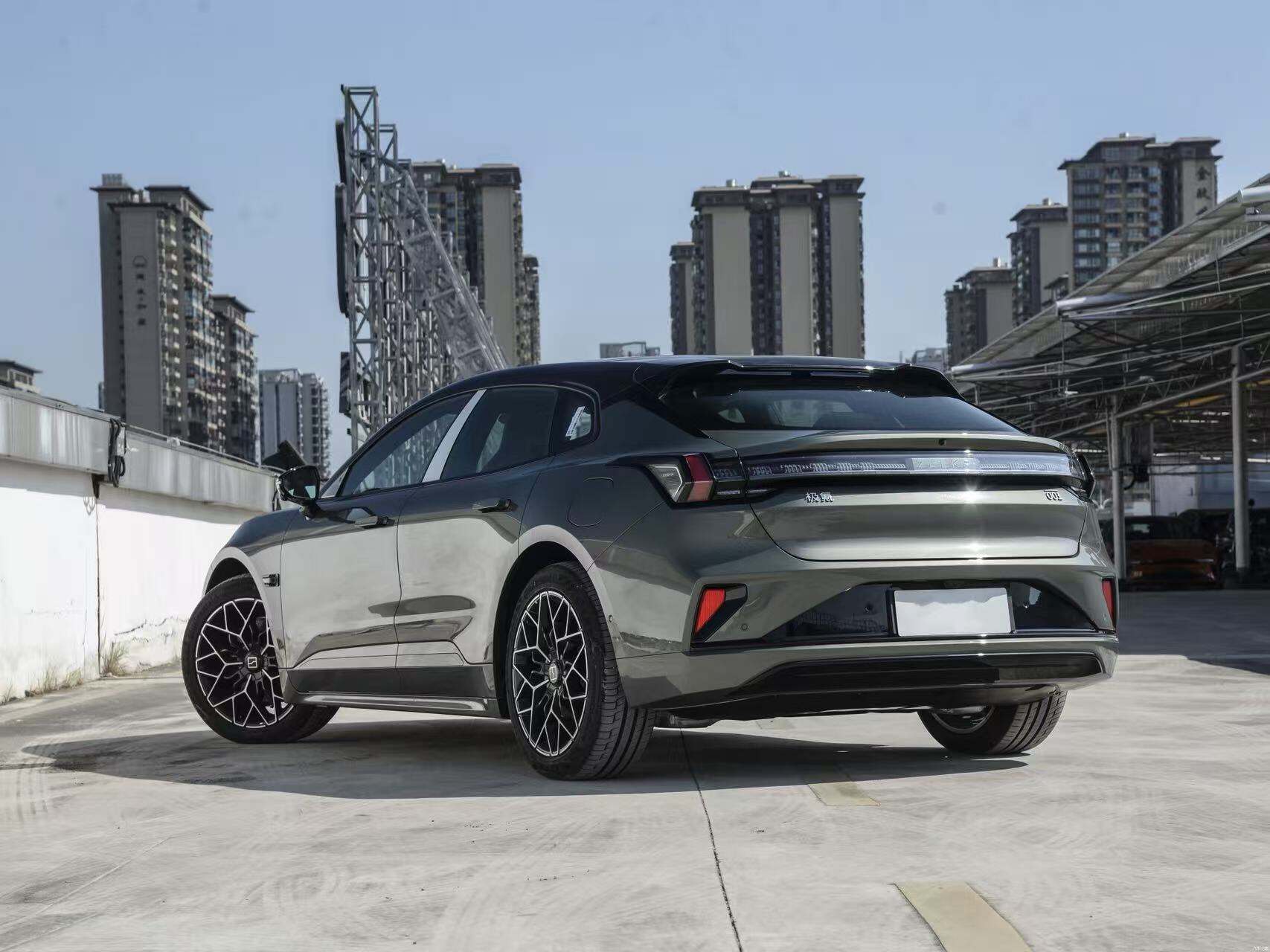
Developing transportation markets face a unique challenge: they require robust payload capacity to support growing commerce and infrastructure development, yet they also face increasing pressure to reduce emissions and operating costs. New energy vehicles have emerged as a transformative solution that addresses both demands simultaneously, offering commercial operators in emerging economies the ability to move substantial loads while transitioning away from fossil fuel dependency. The convergence of battery technology advances, electric motor torque characteristics, and hybrid powertrain engineering has created a new generation of vehicles specifically designed to handle high payload requirements in markets where transportation infrastructure is still evolving and fuel costs represent a significant operational burden.

The mechanism through which new energy vehicles serve high payload applications in developing markets involves several integrated technical and economic factors that distinguish them from traditional internal combustion vehicles. Electric and hybrid drivetrains deliver maximum torque instantly from zero RPM, providing exceptional load-moving capability without the power lag associated with conventional engines. This characteristic proves particularly valuable in developing markets where vehicles frequently operate on challenging terrain, navigate steep gradients, and require strong acceleration even when fully loaded. Furthermore, the operational cost structure of new energy vehicles aligns perfectly with the economic realities of emerging transportation markets, where fuel price volatility and limited refueling infrastructure create ongoing challenges for fleet operators who depend on reliable, predictable operating expenses to maintain profitability in competitive logistics environments.
Technical Architecture Enabling High Payload Performance
Electric Motor Torque Delivery and Load Management
The fundamental advantage that new energy vehicles bring to high payload applications stems from the inherent torque characteristics of electric motors. Unlike internal combustion engines that require high RPM to generate peak power, electric motors deliver maximum torque instantaneously across a wide speed range. This power delivery profile translates directly into superior load-moving capability, especially during vehicle launch and low-speed maneuvering situations common in urban delivery, construction site access, and agricultural transport scenarios prevalent in developing markets. Commercial operators benefit from this immediate power availability when navigating congested streets, climbing loading ramps, or traversing unpaved rural roads where conventional vehicles often struggle under heavy loads.
Advanced new energy vehicles designed for payload applications incorporate sophisticated motor control systems that optimize power distribution based on real-time load sensing. These systems monitor vehicle weight, road gradient, and driver demand to modulate motor output efficiently, preventing energy waste while ensuring adequate power remains available for demanding situations. The electronic control architecture allows for precise torque vectoring in multi-motor configurations, distributing power to individual wheels as needed to maintain traction and stability even when carrying maximum payload across uneven surfaces. This level of control sophistication exceeds what mechanical drivetrain systems can achieve, providing tangible safety and performance advantages in the variable operating conditions typical of developing market transportation environments.
Battery Capacity Scaling and Energy Density Optimization
Addressing high payload requirements in commercial applications demands substantial battery capacity to maintain acceptable range while moving heavy loads. Modern new energy vehicles employ advanced lithium-ion battery chemistries with improved energy density, allowing manufacturers to package sufficient capacity without compromising cargo space or exceeding weight regulations. The latest battery systems achieve energy densities exceeding 200 watt-hours per kilogram, enabling vehicles to carry both significant payload and adequate battery capacity within legal weight limits. This balance proves critical in developing markets where vehicle weight regulations often remain strictly enforced while transportation demands continue growing.
Thermal management systems integrated into contemporary new energy vehicles protect battery performance under the demanding duty cycles associated with heavy payload operation. Frequent acceleration, regenerative braking with loaded vehicles, and operation in hot climates characteristic of many developing regions generate substantial heat within battery packs. Advanced liquid cooling systems maintain optimal battery temperature ranges, preserving capacity, extending cycle life, and ensuring consistent performance regardless of ambient conditions or load status. This thermal stability translates into predictable range and power delivery that commercial operators can depend upon when planning routes and schedules, eliminating the performance degradation that compromises older electric vehicle designs under sustained heavy-duty use.
Structural Reinforcement and Chassis Engineering
High payload capability requires more than just adequate powertrain output; the entire vehicle structure must be engineered to withstand the mechanical stresses associated with carrying and moving heavy loads. New energy vehicles designed for commercial applications incorporate reinforced chassis frames, heavy-duty suspension systems, and upgraded braking components that match or exceed the structural capabilities of traditional commercial vehicles. The low center of gravity inherent in battery-electric vehicle design, with heavy battery packs mounted below the cargo floor, actually provides stability advantages when carrying high payloads, reducing rollover risk and improving handling characteristics compared to conventional vehicles with higher-mounted engines and fuel tanks.
Suspension tuning specific to payload applications allows new energy vehicles to maintain acceptable ride quality when empty while providing adequate load-carrying capacity and stability when fully loaded. Progressive-rate springs, heavy-duty shock absorbers, and multi-link rear suspension designs common in modern electric commercial vehicles enable this dual-purpose capability. The structural design also accommodates regenerative braking systems that convert kinetic energy back into stored electricity during deceleration, a particularly valuable feature when operating loaded vehicles that generate substantial energy during braking events. This energy recovery improves overall efficiency and extends range, both critical factors for commercial viability in markets where charging infrastructure remains limited.
Economic Operating Model in Developing Market Contexts
Total Cost of Ownership and Fuel Price Volatility
The economic case for new energy vehicles in developing transportation markets centers on total cost of ownership rather than initial purchase price. While acquisition costs for electric and hybrid vehicles typically exceed conventional alternatives, the operating cost advantages accumulate rapidly in commercial applications with high annual mileage. Electricity costs per kilometer traveled consistently undercut diesel or gasoline expenses, often by factors of three to five times depending on local fuel and electricity pricing. For fleet operators running vehicles six days per week with daily distances exceeding one hundred kilometers, these fuel cost savings can recover the purchase premium within three to four years, after which the vehicle generates substantial ongoing cost advantages throughout its remaining service life.
Developing markets frequently experience significant fuel price volatility driven by currency fluctuations, import dependencies, and subsidy policy changes. This instability creates budgeting uncertainty for transportation businesses operating on thin margins. New energy vehicles insulate operators from fossil fuel price swings, providing predictable energy costs that simplify financial planning and protect profitability during periods of fuel price escalation. The stability advantage proves particularly valuable for small and medium enterprises that lack the financial reserves to absorb sudden cost increases, enabling these businesses to compete more effectively and invest in fleet expansion with greater confidence in their operating cost projections.
Maintenance Requirements and Service Infrastructure Adaptation
The mechanical simplicity of electric drivetrains substantially reduces maintenance requirements compared to internal combustion powertrains. New energy vehicles eliminate oil changes, transmission services, exhaust system repairs, and many other routine maintenance tasks that generate ongoing costs and vehicle downtime. Electric motors contain fewer moving parts and experience less wear, extending service intervals and reducing the frequency of component replacements. For commercial operators in developing markets where vehicle downtime directly impacts revenue generation and where parts availability can be inconsistent, these reliability advantages translate into improved fleet utilization and lower total operating costs.
Developing markets initially face challenges establishing service infrastructure for new energy vehicles, but this transition occurs more rapidly than often anticipated. The reduced complexity of electric drivetrains actually lowers the technical barriers for service providers compared to modern diesel engines with complex emissions control systems and high-pressure fuel injection. Local workshops can more easily acquire the diagnostic equipment and training needed to service electric vehicles, particularly as manufacturers develop standardized service procedures and expand parts distribution networks. Battery systems, while requiring specialized handling, demonstrate remarkable durability in commercial applications when properly managed, with many examples exceeding 300,000 kilometers before requiring capacity restoration or replacement.
Government Incentives and Policy Frameworks
Many developing nations actively promote new energy vehicles through policy measures designed to accelerate adoption and support domestic transportation sector transformation. These incentives take various forms including purchase subsidies, tax exemptions, preferential access to urban areas, and reduced registration fees. For commercial operators evaluating vehicle acquisition decisions, these incentives directly improve the financial case for electric and hybrid options, sometimes reducing effective purchase prices below conventional vehicle costs. Policy frameworks in cities across Asia, Latin America, and Africa increasingly restrict diesel vehicle access to central business districts while providing unrestricted access for zero-emission vehicles, creating operational advantages that extend beyond pure cost considerations.
Infrastructure development initiatives in progressive developing markets specifically target commercial vehicle charging needs, recognizing that fleet adoption drives volume and justifies investment in robust charging networks. Dedicated commercial charging hubs with high-power DC fast charging capability enable rapid vehicle turnaround, minimizing downtime and supporting intensive duty cycles. Some jurisdictions offer reduced electricity rates for commercial charging during off-peak hours, further improving the operating economics for fleet operators who can schedule charging during overnight periods. These supportive policy environments create favorable conditions for new energy vehicles to demonstrate their payload capabilities in real-world commercial applications, building market confidence and accelerating broader adoption.
Application Scenarios and Operational Implementation
Urban Logistics and Last-Mile Delivery Operations
Urban logistics represents one of the most compelling applications for new energy vehicles in developing markets, combining high payload requirements with operating patterns ideally suited to electric vehicle capabilities. Delivery vehicles typically operate on predictable routes with frequent stops, moderate daily distances, and return-to-base patterns that simplify charging logistics. The instant torque delivery of electric motors proves particularly advantageous in stop-and-go urban traffic, while regenerative braking recovers energy during the frequent deceleration events characteristic of delivery routes. Zero local emissions provide additional advantages as cities implement clean air zones and restrict conventional vehicle access to congested commercial districts.
Payload capacity in urban delivery applications typically ranges from 1,000 to 3,000 kilograms, well within the capabilities of contemporary new energy vehicles designed for commercial use. Modern electric vans and light trucks achieve these payload ratings while maintaining cargo volumes comparable to conventional vehicles, ensuring operators need not compromise loading capacity when transitioning to electric power. The lower noise levels of electric drivetrains also enable early morning and evening deliveries in residential areas, extending operational windows and improving asset utilization. These practical advantages complement the cost savings, creating a comprehensive business case that drives rapid adoption in urban logistics segments across developing markets.
Construction Material Transport and Site Operations
Construction activities in developing markets generate substantial demand for vehicles capable of transporting heavy materials including aggregates, cement, steel, and equipment between suppliers, storage yards, and active construction sites. New energy vehicles equipped with appropriate payload capabilities serve these applications effectively, particularly for operations within urban areas or on projects with environmental performance requirements. Electric dump trucks and flatbed vehicles can handle payloads from 3,000 to 8,000 kilograms depending on configuration, meeting the requirements for many construction material transport scenarios while eliminating the diesel particulate emissions that create health concerns on construction sites and in surrounding communities.
The operational profile of construction transport, often involving short cycles between loading points and job sites, aligns well with electric vehicle characteristics. Vehicles make multiple trips per shift over relatively short distances, returning regularly to central locations where charging infrastructure can be installed efficiently. The high torque output of electric drivetrains proves advantageous when navigating construction site access roads, which frequently feature steep grades, loose surfaces, and tight maneuvering requirements. Regenerative braking systems also benefit from the frequent loaded downhill travel common in construction applications, recovering energy and extending range. As new energy vehicles prove their durability in these demanding applications, adoption expands beyond early demonstration projects into mainstream commercial deployment.
Agricultural Product Transportation and Rural Commerce
Agricultural economies throughout the developing world rely heavily on efficient transportation to move products from farms to markets, processors, and distribution centers. New energy vehicles serve this critical function while addressing the specific challenges of rural operation including limited fuel infrastructure, variable road quality, and the need for reliable performance in hot, dusty conditions. Modern electric and hybrid vehicles designed for payload applications incorporate sealed electrical systems and robust filtration that protect sensitive components from agricultural environments, ensuring consistent operation despite exposure to dust, moisture, and temperature extremes common in rural areas.
The payload requirements for agricultural transport vary significantly by commodity and distance, but many applications fall within the 1,500 to 4,000 kilogram range well-suited to current new energy vehicles. Fruits, vegetables, grains, and livestock products all move through distribution systems where electric vehicles can operate effectively, particularly on routes connecting production areas to nearby towns and regional market centers. The reduced operating costs of new energy vehicles prove especially valuable in agricultural applications where profit margins remain constrained and any cost reduction directly improves farmer and transporter incomes. Solar charging infrastructure installation at farm locations provides additional advantages, enabling energy self-sufficiency and further reducing operating costs while improving energy access in areas with unreliable grid connections.
Infrastructure Development and Ecosystem Maturation
Charging Network Expansion and Strategic Placement
The viability of new energy vehicles for high payload commercial applications depends substantially on charging infrastructure availability and capability. Developing markets address this requirement through strategic charging network development that prioritizes commercial corridors, logistics hubs, and fleet operating centers. Unlike passenger vehicle charging that focuses on convenience locations, commercial charging infrastructure emphasizes power output and reliability, with installations typically featuring 60 to 120 kilowatt DC fast charging capability that can replenish battery capacity during driver breaks or shift changes. Strategic placement at freight terminals, wholesale markets, and industrial zones ensures commercial vehicles can access charging facilities that align with their operational patterns.
Private fleet operators in developing markets increasingly install dedicated charging infrastructure at their operating facilities, recognizing that controlled charging environments provide cost and operational advantages over public charging dependence. Depot charging systems allow vehicles to recharge overnight using lower-cost off-peak electricity while ensuring full charge availability at shift start. Smart charging systems optimize power distribution across multiple vehicles, preventing demand peaks that could trigger expensive demand charges while ensuring all vehicles reach target charge levels by deployment time. This infrastructure control provides fleet operators with energy cost certainty and operational flexibility, eliminating concerns about public charger availability or compatibility that might otherwise constrain new energy vehicles adoption in commercial applications.
Battery Technology Evolution and Second-Life Applications
Ongoing battery technology development continues improving the payload capability and operational range of new energy vehicles through incremental energy density gains, faster charging capability, and extended cycle life. Lithium iron phosphate chemistry, widely adopted in commercial vehicles, offers excellent durability and thermal stability despite slightly lower energy density compared to nickel-based alternatives. This trade-off proves acceptable in payload applications where vehicle size accommodates adequate battery volume and where long service life justifies the space allocation. Emerging solid-state battery technologies promise further improvements in energy density, safety, and charging speed, potentially expanding the range of applications where new energy vehicles can effectively replace conventional powertrains.
The development of second-life battery applications in developing markets creates additional economic value from new energy vehicles, improving total cost of ownership calculations and supporting circular economy principles. Commercial vehicle batteries typically retain 70 to 80 percent of original capacity after eight to ten years of service, at which point range limitations may justify replacement despite substantial remaining utility. These retired batteries find valuable second-life applications in stationary energy storage systems that support renewable energy integration, provide backup power, or enable demand charge management. The residual value from battery second-life markets reduces the effective cost of battery replacement for vehicle operators while creating new economic opportunities in energy storage sectors, strengthening the overall business ecosystem supporting new energy vehicles in developing regions.
Skills Development and Technical Capacity Building
Successful deployment of new energy vehicles for high payload applications requires parallel development of technical skills throughout the vehicle lifecycle including operation, maintenance, and repair. Developing markets address this requirement through structured training programs that build competence among drivers, technicians, and fleet managers. Driver training emphasizes the operational characteristics of electric and hybrid vehicles including regenerative braking optimization, range management, and charging procedures. These skills differ sufficiently from conventional vehicle operation that structured training proves necessary to achieve optimal efficiency and performance, particularly in commercial applications where operational practices directly impact productivity and costs.
Technical training programs for service personnel focus on high-voltage safety procedures, diagnostic techniques, and component replacement protocols specific to new energy vehicles. Many developing markets establish regional training centers in partnership with vehicle manufacturers, creating accessible skill development pathways that support growing service infrastructure networks. These capacity-building initiatives prove essential for sustainable market development, ensuring that new energy vehicles receive proper maintenance throughout their service lives and that technical issues can be resolved locally without extended downtime. The growing population of trained technicians also signals to fleet operators that technical support infrastructure exists to support their vehicle investments, reducing adoption barriers and accelerating market growth.
FAQ
What payload capacity can modern new energy vehicles achieve in commercial applications?
Contemporary new energy vehicles designed for commercial use achieve payload capacities ranging from 1,000 kilograms in light delivery vans to over 8,000 kilograms in heavy-duty electric trucks, with most urban logistics and regional transport applications falling in the 1,500 to 4,000 kilogram range. These payload ratings match or approach conventional vehicle capabilities within similar size and weight classes. The specific capacity depends on battery size, structural design, and regulatory weight limits, but manufacturers increasingly optimize vehicle architecture to maximize payload while maintaining adequate range for commercial duty cycles. Advanced battery packaging and lightweight construction techniques continue expanding payload capability as technology matures.
How do operating costs of new energy vehicles compare to diesel alternatives in developing markets?
Operating cost comparisons consistently favor new energy vehicles in commercial applications, with electricity costs typically representing 20 to 30 percent of equivalent diesel fuel expenses per kilometer traveled. Maintenance costs also run substantially lower, often 40 to 50 percent below diesel vehicle requirements due to drivetrain simplicity and reduced wear. These savings accumulate rapidly in high-utilization commercial operations, potentially recovering purchase price premiums within three to five years depending on annual mileage, local energy pricing, and vehicle financing terms. Total cost of ownership calculations incorporating fuel, maintenance, and residual value demonstrate clear economic advantages for new energy vehicles across most commercial applications in developing market contexts.
What range limitations affect new energy vehicles in payload applications?
Range varies significantly based on battery capacity, payload weight, terrain, and operating conditions, but most commercial new energy vehicles achieve 200 to 400 kilometers per charge under typical loaded operation. This range proves adequate for urban logistics, regional distribution, and return-to-base operations that characterize the majority of commercial transport in developing markets. Range does decrease when carrying maximum payload, climbing sustained grades, or operating in extreme temperatures, requiring operators to plan routes and charging opportunities accordingly. Fast charging capability increasingly mitigates range concerns by enabling rapid charge replenishment during driver breaks, while strategic charging infrastructure placement at commercial hubs ensures vehicles can access charging facilities aligned with operational patterns.
Are new energy vehicles suitable for operation on unpaved roads common in developing regions?
Modern new energy vehicles designed for commercial applications incorporate robust construction, adequate ground clearance, and sealed electrical systems that enable operation on unpaved roads, rural routes, and challenging terrain typical in developing markets. The low center of gravity from floor-mounted batteries actually improves stability on uneven surfaces compared to conventional vehicles. Suspension systems tuned for payload applications provide adequate articulation and wheel travel to maintain traction on rough roads. Electrical system sealing protects sensitive components from dust and moisture exposure. While extreme off-road capability remains limited to specialized vehicles, mainstream commercial new energy vehicles successfully operate on the unpaved secondary roads and rural routes that connect agricultural areas, small towns, and remote communities throughout developing regions.
Table of Contents
- Technical Architecture Enabling High Payload Performance
- Economic Operating Model in Developing Market Contexts
- Application Scenarios and Operational Implementation
- Infrastructure Development and Ecosystem Maturation
-
FAQ
- What payload capacity can modern new energy vehicles achieve in commercial applications?
- How do operating costs of new energy vehicles compare to diesel alternatives in developing markets?
- What range limitations affect new energy vehicles in payload applications?
- Are new energy vehicles suitable for operation on unpaved roads common in developing regions?