
 EN
EN
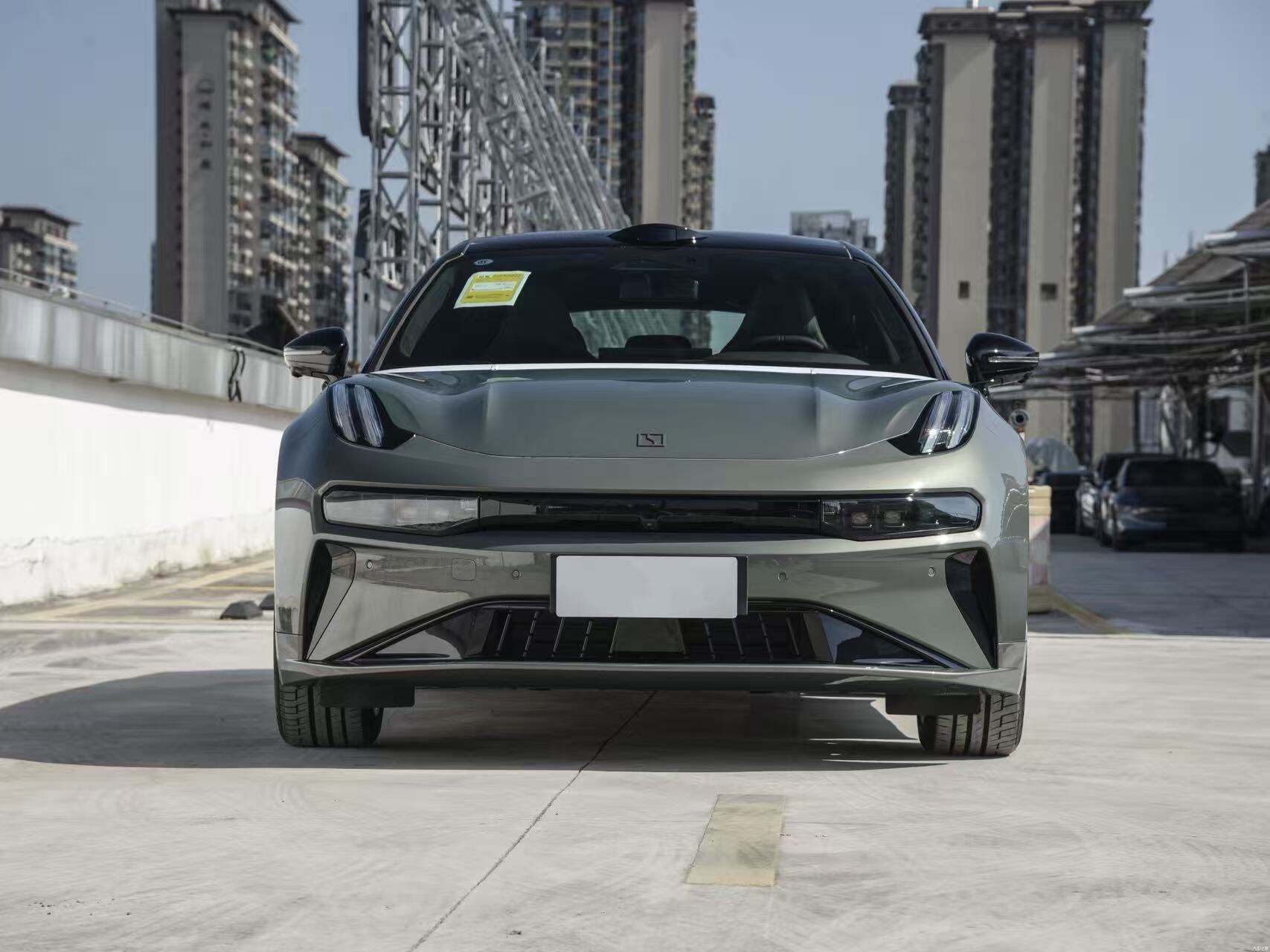
The rapid adoption of new energy vehicles across regional fleet operations has introduced a critical operational challenge: ensuring these electric and hybrid platforms can reliably navigate the diverse and often demanding road conditions that characterize modern logistics, municipal services, and commercial transportation networks. Unlike traditional internal combustion vehicles with decades of proven adaptability, new energy vehicles must demonstrate their capability to handle everything from mountain passes and unpaved rural routes to extreme weather conditions and high-altitude environments while maintaining operational efficiency and range reliability. Fleet managers across Asia, Europe, and emerging markets are increasingly recognizing that the successful integration of new energy vehicles into regional operations depends not merely on battery capacity or charging infrastructure, but on sophisticated engineering solutions that address terrain variability, climate extremes, and the unique mechanical stresses imposed by complex regional road systems.

Regional fleets operating across varied geographical zones face operational requirements that differ fundamentally from urban-only deployments, where road conditions remain relatively consistent and predictable. The adaptation mechanisms that enable new energy vehicles to function effectively in complex environments involve integrated systems spanning powertrain management, chassis engineering, thermal regulation, and intelligent software algorithms that continuously adjust vehicle behavior based on real-time road condition analysis. This comprehensive approach to environmental adaptability represents a significant evolution in electric vehicle technology, moving beyond simple range optimization to address the multifaceted challenges of terrain gradient management, traction control on unstable surfaces, battery performance in temperature extremes, and energy recovery systems that function reliably across diverse driving scenarios. Understanding these adaptation mechanisms is essential for fleet operators making strategic decisions about electrification timelines and vehicle selection criteria for regional deployment.
Advanced Powertrain Control Systems for Variable Terrain
Intelligent Torque Distribution Architecture
Gradient Management and Hill Descent Control
Chassis Engineering and Suspension Adaptability
Active Suspension Systems for Surface Irregularities
The physical interaction between new energy vehicles and complex road surfaces demands suspension systems that can accommodate dramatic variations in surface quality while protecting sensitive electrical components and maintaining passenger comfort. Advanced regional fleet platforms incorporate adaptive suspension systems with electronically controlled dampers that adjust compression and rebound characteristics based on real-time road condition analysis. These systems use accelerometers and road-scanning sensors to detect approaching surface irregularities and pre-adjust damper settings before impact, significantly reducing the shock loads transmitted to the vehicle chassis and battery pack mounting systems.
Battery pack protection represents a unique engineering consideration for new energy vehicles operating on rough terrain, as these heavy, rigid assemblies mounted low in the chassis require robust isolation from impact and vibration. Fleet-grade vehicles employ reinforced mounting systems with progressive damping characteristics that allow limited battery pack movement under extreme conditions while preventing resonant vibrations that could damage cell connections or structural components. The integration of suspension control with battery management systems enables new energy vehicles to automatically adjust ride height and damper stiffness when operating on particularly challenging surfaces, prioritizing component protection over ride comfort when necessary to prevent costly damage to high-value electrical systems.
Ground Clearance Optimization and Approach Angles
Regional fleet operations often require traversing unpaved access roads, construction sites, or rural routes where ground clearance becomes operationally critical. New energy vehicles designed for these applications incorporate adjustable ride height systems that can elevate the chassis when entering rough terrain, then lower it for highway efficiency and improved aerodynamic performance. This capability addresses one of the fundamental challenges facing new energy vehicles with underfloor battery packs, which naturally reduce ground clearance compared to conventional vehicles. Advanced systems can automatically detect terrain type based on vehicle speed, GPS location data, and route planning information, adjusting ground clearance preemptively as the vehicle approaches known challenging sections.
The implementation of variable ground clearance in new energy vehicles requires careful integration with battery thermal management, as increased chassis height affects airflow patterns around cooling systems and may reduce cooling efficiency during high-speed operation. Regional fleet platforms address this through active aerodynamic elements and intelligent cooling system controls that compensate for reduced airflow when operating in elevated ride modes. This holistic approach ensures that new energy vehicles can maintain optimal operating temperatures across the full range of chassis configurations, preventing thermal-related performance limitations regardless of terrain demands.
Thermal Management Across Climate Extremes
Battery Performance in Temperature Variability
Regional fleet operations spanning diverse climate zones expose new energy vehicles to temperature ranges that significantly impact battery chemistry, charging capability, and available range. Lithium-ion battery systems exhibit reduced capacity and power output in cold conditions, while excessive heat accelerates degradation and poses safety concerns. Advanced thermal management systems in regional fleet vehicles employ active heating and cooling circuits that maintain battery cells within optimal temperature windows regardless of ambient conditions. These systems begin thermal conditioning automatically when the vehicle is connected to charging infrastructure, ensuring the battery reaches ideal operating temperature before departure rather than consuming range energy for thermal management during initial driving.
The energy cost of thermal management represents a significant consideration for new energy vehicles operating in extreme climates, as heating or cooling the battery pack and cabin can consume substantial portions of available range. Fleet-optimized platforms incorporate predictive thermal management algorithms that use route planning data, weather forecasts, and historical usage patterns to minimize energy expenditure while maintaining necessary performance levels. For example, when operating in desert environments with extreme daytime heat, the system may pre-cool the battery pack during morning charging when temperatures are lower, reducing the cooling load during midday operations. Similarly, in cold climates, the system can schedule charging to complete just before departure, maximizing battery temperature retention and reducing range impact from cold-start conditions.
Motor and Inverter Cooling Under Sustained Load
Complex road conditions frequently impose sustained high-load scenarios on new energy vehicles, particularly during extended climbing, high-speed highway operation, or repeated acceleration cycles in stop-and-go traffic on mountainous routes. Electric motors and power inverters generate substantial heat under these conditions, requiring robust cooling systems that maintain component temperatures within safe operating ranges. Regional fleet vehicles employ liquid cooling systems with increased thermal capacity and enhanced heat exchanger designs that provide greater cooling performance than passenger-focused platforms. These systems integrate with overall vehicle thermal management, sharing cooling resources with battery systems while prioritizing motor cooling during high-demand situations to prevent power limiting or component damage.
The altitude variations encountered in regional operations affect cooling system performance, as reduced air density at high elevations decreases radiator efficiency and requires compensation through increased coolant flow rates or fan speeds. New energy vehicles designed for diverse geographical operations incorporate altitude-compensation algorithms that adjust cooling system parameters based on barometric pressure readings, ensuring adequate thermal management capability regardless of elevation. This attention to environmental variability enables consistent performance across regional fleets that may operate from sea-level coastal routes to mountain passes exceeding three thousand meters elevation within a single operational day.
Intelligent Software Integration and Real-Time Adaptation
Predictive Route Analysis and Energy Management
The software systems governing modern new energy vehicles represent perhaps the most significant advancement in enabling complex road condition adaptability. Sophisticated route analysis algorithms process elevation profiles, historical traffic patterns, weather forecasts, and real-time road condition reports to generate comprehensive energy consumption predictions and optimal driving strategy recommendations. These systems can identify potential range limitations before departure, suggesting charging stops, route modifications, or load adjustments to ensure successful trip completion. For regional fleet managers, this predictive capability transforms operational planning from reactive problem-solving to proactive optimization, reducing range anxiety and improving vehicle utilization rates.
Real-time adaptation systems in new energy vehicles continuously refine energy management strategies during operation, comparing actual energy consumption against predictions and adjusting driving parameters to maintain planned arrival battery state of charge. When encountering unexpected conditions such as detours, traffic congestion, or weather changes, the system recalculates range projections and can automatically implement energy conservation measures including reduced climate control intensity, optimized cruise speed recommendations, or modified regenerative braking aggressiveness. This dynamic adaptation capability proves particularly valuable in regional operations where route conditions may differ significantly from planning assumptions, providing drivers and fleet managers with current information needed for operational decision-making.
Machine Learning for Terrain Recognition
Emerging implementations in advanced new energy vehicles incorporate machine learning algorithms that analyze sensor data patterns to automatically recognize terrain types and surface conditions, enabling proactive adjustment of vehicle systems before drivers consciously perceive changing conditions. These systems can distinguish between paved highways, gravel roads, muddy surfaces, snow-covered routes, and other terrain categories based on vibration signatures, wheel slip characteristics, and visual data from forward-facing cameras. Once terrain type is identified, the vehicle automatically adjusts traction control sensitivity, regenerative braking intensity, suspension damping, and power delivery characteristics to optimize performance and safety for the specific surface conditions.
The learning capability of these systems improves over time as they accumulate operational data across the fleet, sharing anonymized performance information through cloud connectivity to refine recognition algorithms and adaptation strategies. Regional fleet operators benefit from this collective intelligence, as vehicles operating on similar routes can learn from each other's experiences, improving adaptation accuracy and effectiveness across the entire fleet. This networked approach to terrain adaptation represents a fundamental advantage of new energy vehicles over conventional platforms, leveraging connectivity and computational capability to deliver continuously improving performance that would be impossible with purely mechanical systems.
Practical Implementation Strategies for Fleet Operators
Vehicle Selection Criteria for Regional Conditions
Fleet managers planning new energy vehicles deployment in regional operations must carefully evaluate vehicle specifications against actual operational requirements rather than relying on standard range and capacity metrics alone. Critical selection factors include maximum gradient capability, ground clearance specifications, suspension travel and load capacity, thermal management system capacity ratings, and the sophistication of terrain adaptation software. Vehicles marketed primarily for urban delivery may lack the cooling capacity, chassis durability, or software capabilities required for sustained operation on challenging regional routes. Thorough evaluation should include test operations on representative route sections under typical load and environmental conditions to validate real-world capability before committing to large-scale fleet procurement.
The total cost of ownership for new energy vehicles in regional operations extends beyond purchase price and energy costs to include maintenance requirements, battery replacement projections, and potential range limitations that affect operational flexibility. Vehicles with robust adaptation capabilities may command higher initial costs but deliver superior longevity and lower operational disruption in demanding regional applications. Fleet operators should request detailed specifications regarding component durability ratings, warranty coverage for operation in extreme conditions, and manufacturer support for specialized regional applications. The most economically rational selection balances capability with cost, avoiding both under-specification that leads to premature failure and over-specification that wastes capital on unnecessary features.
Driver Training and Operational Protocols
Maximizing the adaptation capabilities of new energy vehicles requires driver understanding of how these systems function and how driving behavior influences their effectiveness. Comprehensive training programs should cover regenerative braking operation on varied terrain, interpretation of energy consumption displays and range projections, appropriate responses to system warnings or limitations, and manual override procedures for automated systems when necessary. Drivers accustomed to conventional vehicles need specific guidance on differences in braking feel, acceleration characteristics, and the importance of smooth driving inputs that allow automated systems to function optimally rather than fighting against sudden control changes.
Operational protocols for regional fleets using new energy vehicles should establish clear guidelines regarding route planning requirements, minimum acceptable arrival state of charge, procedures for encountering unexpected range limitations, and reporting processes for vehicle performance issues or route conditions that exceed vehicle capabilities. These protocols must balance operational flexibility with safety and vehicle protection, empowering drivers to make informed decisions while preventing situations that could strand vehicles or cause component damage. Regular feedback loops between drivers, maintenance personnel, and fleet managers enable continuous refinement of protocols based on accumulated operational experience, improving the effectiveness of new energy vehicles deployment over time.
FAQ
Can new energy vehicles maintain performance on steep mountain roads comparable to diesel trucks?
Modern new energy vehicles designed for regional fleet applications deliver excellent performance on steep grades due to the inherent torque characteristics of electric motors, which provide maximum pulling power from zero RPM without the need for transmission downshifting. However, sustained climbing does present thermal management challenges that require robust cooling systems, and range consumption increases significantly on extended ascents. Fleet-grade new energy vehicles with appropriate thermal capacity and battery sizing can match or exceed diesel truck performance on mountain routes, particularly on descents where regenerative braking recovers substantial energy. The key consideration is ensuring vehicles are properly specified for anticipated gradient profiles rather than assuming all electric platforms offer equivalent capability.
How do new energy vehicles handle unpaved or muddy road conditions that regional fleets frequently encounter?
New energy vehicles equipped with advanced traction control systems and multi-motor powertrains can navigate unpaved and low-traction surfaces effectively through precise torque distribution that prevents wheel spin while maintaining forward momentum. The instantaneous torque control possible with electric motors actually provides advantages over conventional drivetrains in managing traction on slippery surfaces. However, ground clearance and underbody protection become critical factors, as battery pack placement can limit capability on extremely rough terrain. Regional fleet operators should select vehicles with appropriate ground clearance, approach angles, and underbody shielding for their specific route conditions, and may need to avoid the most extreme off-road scenarios that could risk battery pack damage.
What range impact should fleet operators expect when new energy vehicles operate in extreme cold or hot climates?
Range reduction in extreme temperatures varies significantly based on vehicle thermal management sophistication and trip characteristics, but fleet operators should generally plan for fifteen to thirty percent range reduction in temperatures below freezing and ten to twenty percent reduction in extreme heat above thirty-five degrees Celsius. Short trips with frequent stops show greater percentage impact as thermal conditioning represents a larger proportion of total energy consumption. Vehicles with heat pump systems rather than resistive heating, predictive thermal management, and robust battery insulation minimize these impacts. Regional fleet operations can partially mitigate temperature effects through strategic charging timing that pre-conditions batteries while connected to infrastructure, route planning that accounts for seasonal variations, and driver training on energy-efficient climate control use.
How does altitude affect new energy vehicles performance in regional mountain operations?
Unlike internal combustion engines that lose significant power at high altitude due to reduced air density, electric motors in new energy vehicles maintain full torque capability regardless of elevation, providing consistent performance in mountain operations. However, altitude does affect thermal management system efficiency as thinner air reduces radiator and cooling fan effectiveness, requiring compensation through increased coolant flow or reduced sustained power output in extreme cases. Battery performance also shows minor variations with altitude due to pressure changes affecting cell chemistry, though these effects are generally minimal compared to temperature impacts. Regional fleets operating regularly at high altitude should verify that vehicle cooling systems are rated for reduced air density conditions and may benefit from vehicles with enhanced thermal capacity specifications.
Table of Contents
- Advanced Powertrain Control Systems for Variable Terrain
- Chassis Engineering and Suspension Adaptability
- Thermal Management Across Climate Extremes
- Intelligent Software Integration and Real-Time Adaptation
- Practical Implementation Strategies for Fleet Operators
-
FAQ
- Can new energy vehicles maintain performance on steep mountain roads comparable to diesel trucks?
- How do new energy vehicles handle unpaved or muddy road conditions that regional fleets frequently encounter?
- What range impact should fleet operators expect when new energy vehicles operate in extreme cold or hot climates?
- How does altitude affect new energy vehicles performance in regional mountain operations?