 EN
EN
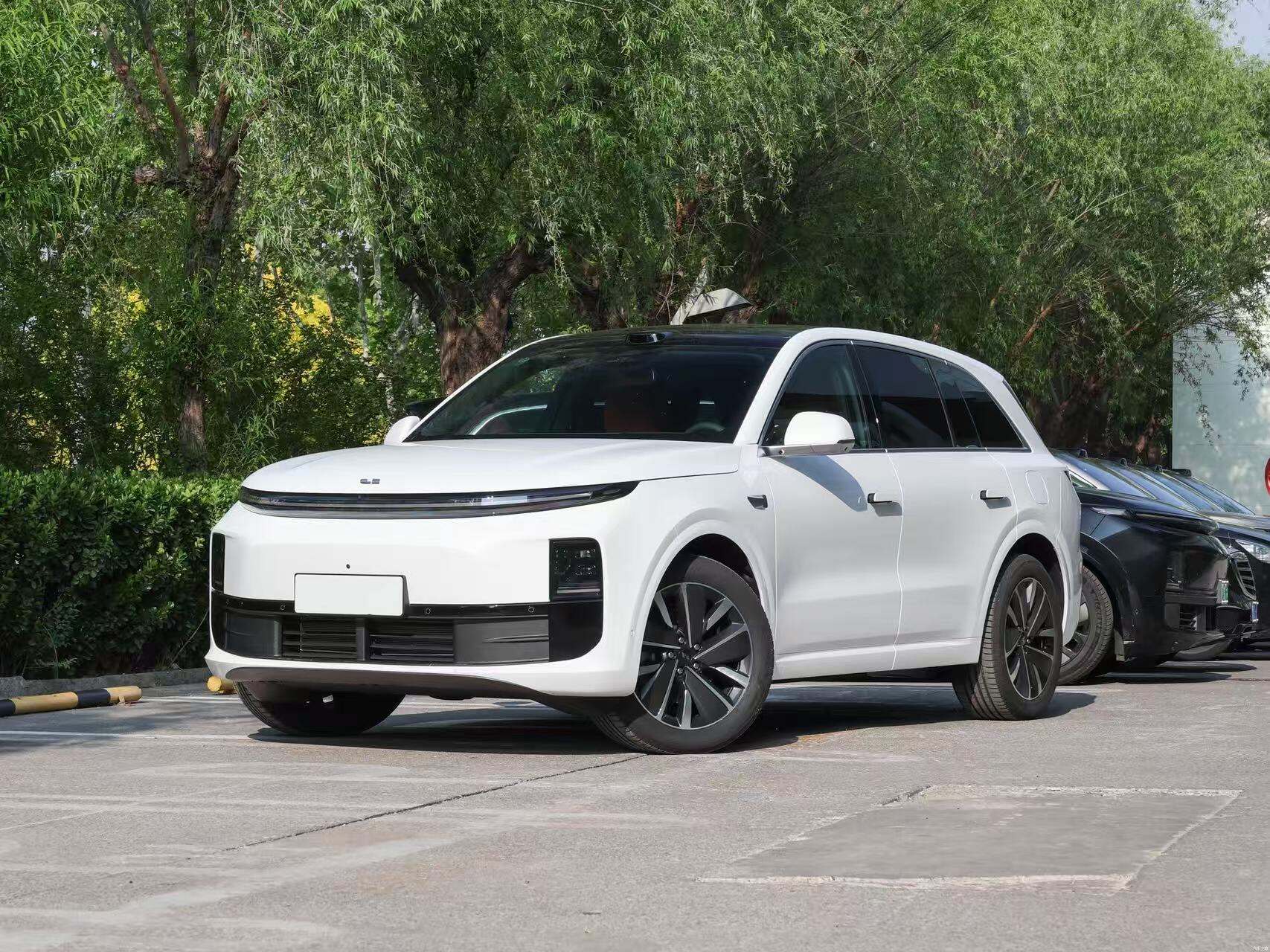
The automotive landscape has witnessed a remarkable transformation over the past decade, with Chinese manufacturers emerging as global leaders in electric vehicle technology and market penetration. This strategic shift from traditional combustion engines to electric powertrains has enabled Chinese automakers to establish themselves as formidable competitors on the international stage. The rise of Chinese electric vehicles represents more than just technological innovation; it embodies a comprehensive approach to sustainable mobility that has captured consumer attention worldwide. Through substantial government investment, cutting-edge research and development, and aggressive market expansion strategies, Chinese automotive companies have successfully positioned themselves at the forefront of the electric vehicle revolution.
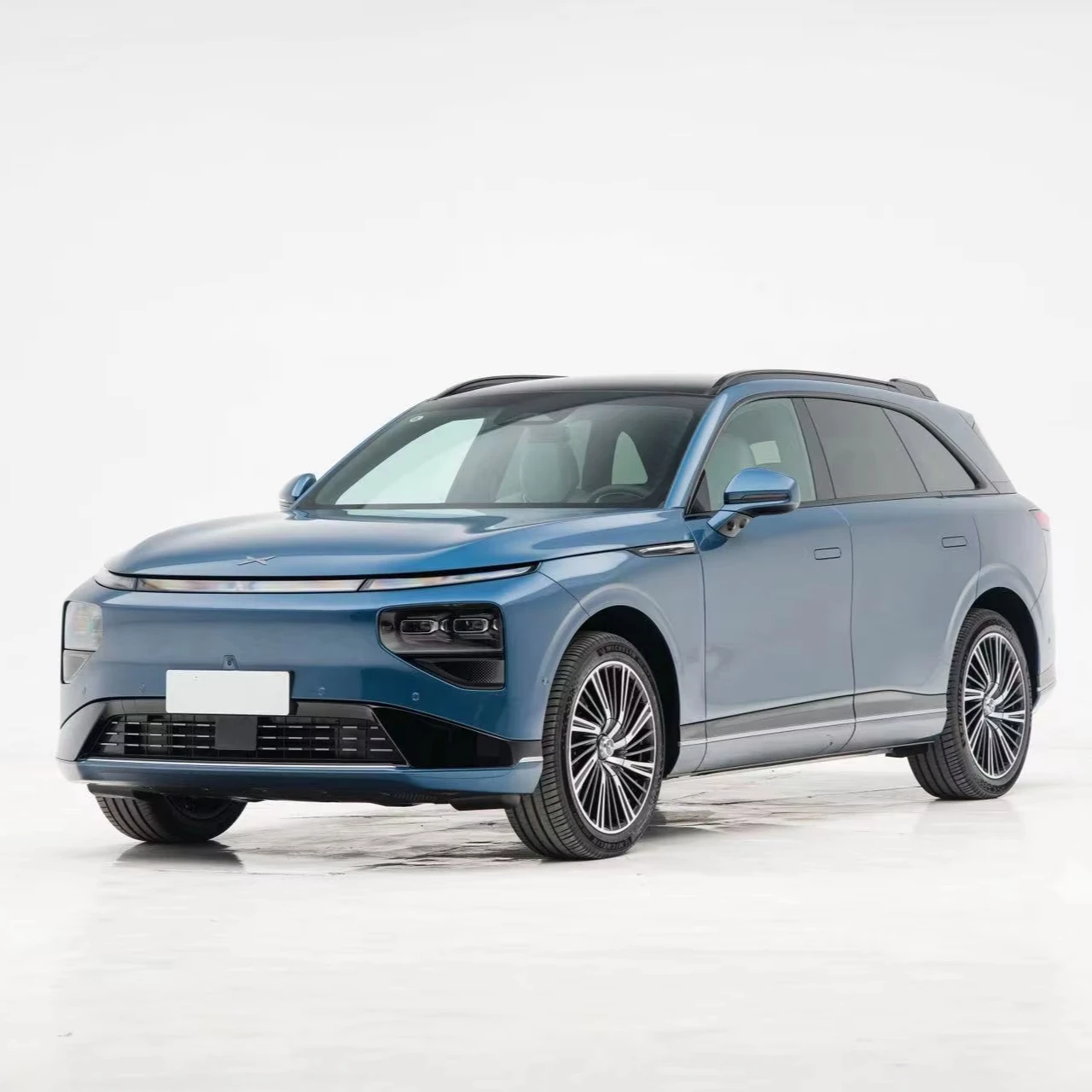
Strategic Government Support and Policy Framework
National Electric Vehicle Development Plans
The Chinese government has implemented comprehensive policies to accelerate electric vehicle adoption and manufacturing excellence. These initiatives include substantial subsidies for both manufacturers and consumers, creating an ecosystem that encourages innovation and market growth. The New Energy Vehicle mandate requires automakers to produce a specific percentage of electric or hybrid vehicles, ensuring sustained industry commitment to electrification. Strategic investment in charging infrastructure development has addressed one of the primary consumer concerns about electric vehicle ownership. This systematic approach has created favorable conditions for Chinese electric vehicles to flourish in domestic markets before expanding internationally.
Research and Development Investment
Massive government funding has supported advanced battery technology research, autonomous driving capabilities, and smart connectivity features. State-backed research institutes collaborate closely with private manufacturers to accelerate technological breakthroughs and reduce development costs. The focus on indigenous innovation has enabled Chinese companies to develop proprietary technologies that differentiate their products in global markets. Investment in talent acquisition and training programs has created a skilled workforce capable of supporting rapid industry expansion. These coordinated efforts have established China as a center of excellence for electric vehicle technology development and manufacturing.
Technological Innovation and Manufacturing Excellence
Advanced Battery Technology Development
Chinese manufacturers have made significant breakthroughs in lithium-ion battery technology, achieving higher energy density and faster charging capabilities. Companies like CATL and BYD have become global leaders in battery production, supplying components to international automotive manufacturers. Innovation in battery management systems has improved vehicle range and safety performance, addressing key consumer concerns about electric vehicle reliability. The development of solid-state batteries and alternative chemistry solutions positions Chinese companies at the cutting edge of energy storage technology. These technological advances have enabled Chinese electric vehicles to compete directly with established international brands on performance metrics.
Smart Manufacturing and Production Efficiency
Implementation of Industry 4.0 principles has revolutionized Chinese automotive manufacturing processes, enabling rapid scale-up and cost reduction. Automated production lines and artificial intelligence integration have improved quality control while maintaining competitive pricing structures. Flexible manufacturing systems allow rapid adaptation to changing market demands and customization requirements across different international markets. The emphasis on lean production methods has reduced waste and environmental impact while maintaining high production volumes. This manufacturing excellence has enabled Chinese electric vehicles to offer premium features at accessible price points, disrupting traditional automotive market dynamics.
Market Expansion Strategies and Global Presence
International Market Entry Approaches
Chinese automakers have adopted diverse strategies for international expansion, including joint ventures, strategic partnerships, and direct market entry. Companies have established manufacturing facilities in key markets to reduce transportation costs and navigate trade regulations effectively. Local partnerships provide valuable insights into regional consumer preferences and regulatory requirements, facilitating successful market adaptation. Investment in local research and development centers demonstrates long-term commitment to international markets and builds consumer trust. The Chinese electric vehicles strategy emphasizes building sustainable relationships rather than short-term market penetration.
Brand Building and Consumer Perception
Strategic marketing campaigns have focused on highlighting technological innovation, environmental benefits, and value proposition of Chinese electric vehicles. Participation in international automotive exhibitions and awards programs has elevated brand recognition and credibility among global consumers. Investment in customer service infrastructure and warranty programs addresses concerns about after-sales support in international markets. Collaboration with established dealers and service networks provides consumers with confidence in long-term vehicle ownership experience. These comprehensive brand-building efforts have gradually shifted consumer perception from skepticism to acceptance and enthusiasm.
Competitive Advantages and Market Differentiation
Cost-Performance Optimization
Chinese manufacturers have successfully balanced advanced features with affordable pricing, making electric vehicles accessible to broader consumer segments. Vertical integration of supply chains reduces production costs while maintaining quality standards comparable to premium international brands. Economies of scale achieved through high-volume production enable competitive pricing without sacrificing profit margins or research investment. The ability to offer premium features such as autonomous driving assistance and advanced connectivity at mid-market prices has disrupted traditional automotive value propositions. This cost-performance optimization has opened new market segments and accelerated global electric vehicle adoption rates.
Innovation in User Experience
Integration of smartphone connectivity and over-the-air software updates has created dynamic vehicle ownership experiences that evolve continuously. Advanced infotainment systems and artificial intelligence features differentiate Chinese electric vehicles from traditional automotive offerings. Focus on younger consumer demographics has influenced design philosophy and feature prioritization in ways that appeal to tech-savvy buyers. Customizable vehicle settings and personalization options provide consumers with unprecedented control over their transportation experience. These user experience innovations have established new expectations for what modern vehicles should offer beyond basic transportation functionality.
Challenges and Future Opportunities
Regulatory and Trade Considerations
Navigation of complex international trade regulations and safety standards requires ongoing investment in compliance and certification processes. Geopolitical tensions and trade disputes can impact market access and require strategic adaptation of expansion plans. Environmental regulations and emissions standards vary significantly across markets, necessitating flexible product development approaches. Intellectual property protection and technology transfer agreements must be carefully managed to preserve competitive advantages. Understanding and adapting to local regulatory environments remains crucial for sustained international success of Chinese electric vehicles.
Technology Evolution and Market Adaptation
Rapid technological advancement requires continuous investment in research and development to maintain competitive positioning in global markets. Consumer expectations continue to evolve, demanding enhanced performance, convenience, and sustainability features in electric vehicle offerings. Charging infrastructure development varies significantly across international markets, affecting product planning and consumer adoption strategies. Integration with smart city initiatives and autonomous transportation networks presents both opportunities and technical challenges for manufacturers. The ability to anticipate and respond to technological trends will determine long-term success in increasingly competitive international electric vehicle markets.
FAQ
What factors contributed to the rapid growth of Chinese electric vehicle manufacturers
The rapid growth stems from comprehensive government support including subsidies and policy mandates, massive investment in research and development, strategic focus on battery technology innovation, and efficient manufacturing processes that enable competitive pricing while maintaining quality standards.
How do Chinese electric vehicles compete with established international brands
Chinese manufacturers compete through superior cost-performance ratios, advanced technology integration including smart connectivity features, rapid innovation cycles that bring new capabilities to market quickly, and comprehensive customer service approaches tailored to local market needs.
What challenges do Chinese automakers face in international markets
Key challenges include navigating complex regulatory environments and safety certifications, overcoming initial consumer skepticism about brand quality and reliability, managing geopolitical tensions that may affect trade relationships, and establishing robust after-sales service networks in new markets.
What role does technology play in Chinese electric vehicle market expansion
Technology serves as the primary differentiator through advanced battery systems that offer extended range and fast charging, integration of artificial intelligence and connectivity features that enhance user experience, autonomous driving capabilities that appeal to tech-savvy consumers, and manufacturing innovations that reduce costs while improving quality.
Table of Contents
- Strategic Government Support and Policy Framework
- Technological Innovation and Manufacturing Excellence
- Market Expansion Strategies and Global Presence
- Competitive Advantages and Market Differentiation
- Challenges and Future Opportunities
-
FAQ
- What factors contributed to the rapid growth of Chinese electric vehicle manufacturers
- How do Chinese electric vehicles compete with established international brands
- What challenges do Chinese automakers face in international markets
- What role does technology play in Chinese electric vehicle market expansion