 EN
EN
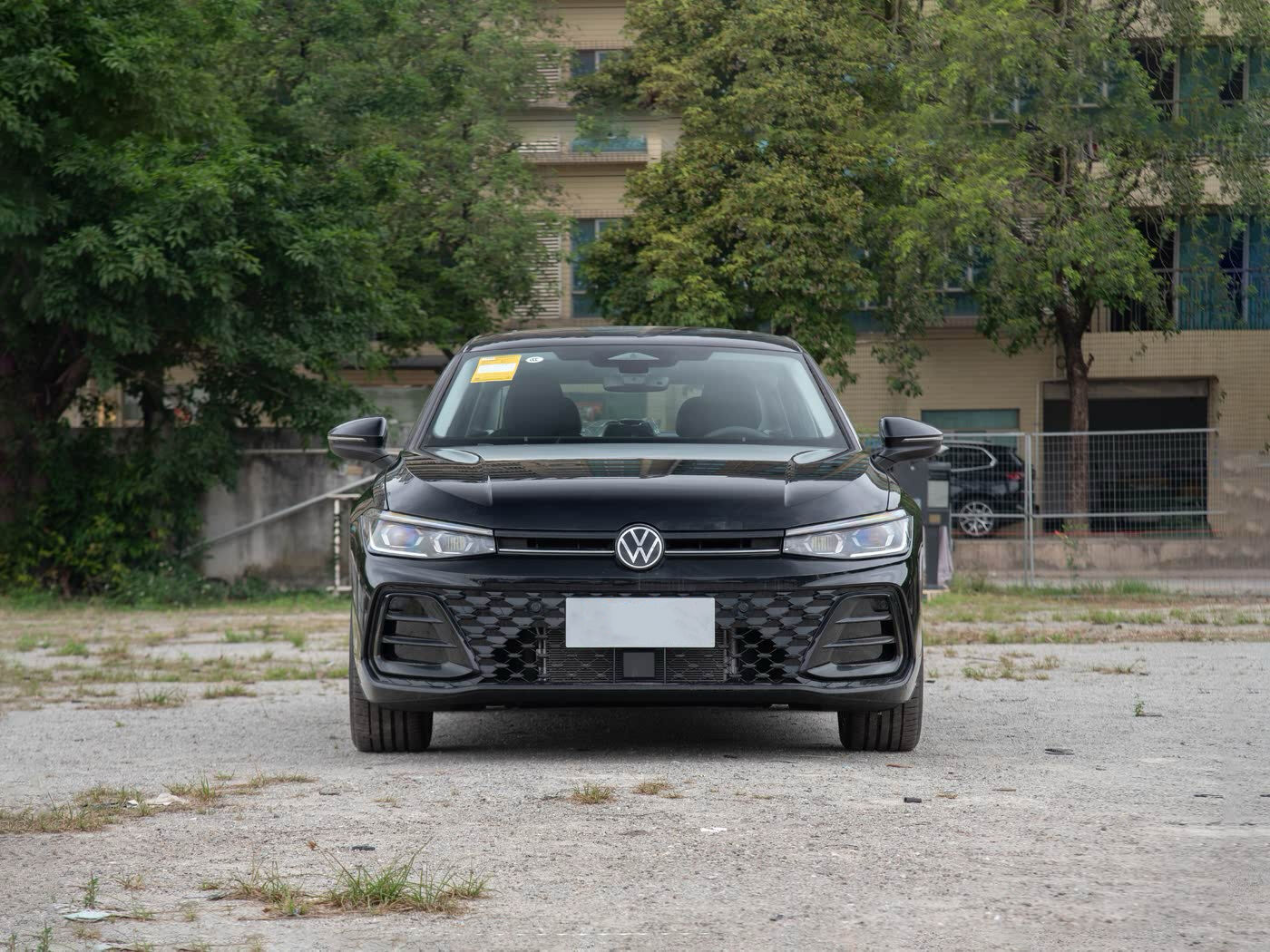
The automotive landscape has transformed dramatically over the past decade, with Chinese cars emerging as formidable competitors in the global market. Once dismissed as low-quality alternatives, Chinese automotive manufacturers have invested heavily in research, development, and advanced manufacturing technologies. Today's Chinese cars represent cutting-edge innovation, sophisticated design, and competitive pricing that challenges traditional automotive powerhouses. Understanding the key considerations when purchasing Chinese cars becomes essential for modern consumers seeking value, reliability, and advanced features in their next vehicle purchase.

Market Evolution and Brand Recognition
Leading Chinese Automotive Manufacturers
Several Chinese automotive brands have established themselves as industry leaders, demonstrating remarkable growth and technological advancement. BYD, Geely, Great Wall Motors, and NIO represent the forefront of Chinese automotive innovation, each bringing unique strengths to the global marketplace. These manufacturers have moved beyond simple cost competition, focusing instead on delivering sophisticated vehicles that incorporate advanced technologies, premium materials, and innovative design philosophies. The evolution of chinese cars reflects broader changes in China's manufacturing capabilities and commitment to automotive excellence.
Brand recognition plays a crucial role in consumer decision-making when considering Chinese cars. Established manufacturers like Geely have gained international credibility through strategic acquisitions, including Volvo and Lotus, while newer electric vehicle specialists like NIO and XPeng have captured attention through innovative battery technologies and autonomous driving capabilities. Understanding each manufacturer's strengths, market positioning, and reputation helps consumers make informed decisions about chinese cars that align with their specific needs and preferences.
Global Expansion and Market Presence
The international expansion of Chinese cars demonstrates their growing acceptance and competitiveness in diverse markets worldwide. European markets have embraced chinese cars, particularly electric vehicles that meet stringent environmental regulations and performance standards. Countries like Norway, the Netherlands, and Germany have seen significant increases in chinese cars sales, reflecting consumer confidence in quality, reliability, and value proposition offered by these manufacturers.
Market presence extends beyond simple vehicle sales to encompass comprehensive support networks, including dealerships, service centers, and parts availability. Successful chinese cars manufacturers have invested in establishing robust international infrastructure to support their global customer base. This commitment to after-sales service and customer support represents a fundamental shift from earlier approaches, demonstrating the maturity and professionalism of modern Chinese automotive companies.
Technology Integration and Innovation
Electric Vehicle Leadership
Chinese cars have become synonymous with electric vehicle innovation, leading global markets in battery technology, charging infrastructure, and electric powertrain development. Companies like BYD have revolutionized battery chemistry through their Blade Battery technology, offering enhanced safety, longevity, and performance compared to traditional lithium-ion solutions. The rapid advancement of electric chinese cars has positioned China as the world's largest electric vehicle market and manufacturing hub.
Battery technology represents a critical consideration when evaluating electric chinese cars. Advanced battery management systems, fast-charging capabilities, and extended range performance distinguish leading Chinese manufacturers from competitors. Many chinese cars now offer charging speeds exceeding 150kW, enabling rapid charging from 10% to 80% capacity in under 30 minutes. These technological advantages make chinese cars particularly attractive for consumers prioritizing environmental sustainability and advanced electric vehicle features.
Autonomous Driving and Smart Features
Smart technology integration sets modern chinese cars apart from traditional automotive offerings. Advanced driver assistance systems, including adaptive cruise control, lane-keeping assistance, and automated parking, come standard on many chinese cars models. These features, once exclusive to luxury vehicles, are now accessible across various price points, making advanced safety and convenience technologies more democratized and affordable for average consumers.
Connectivity features in chinese cars often exceed those found in established automotive brands. Large touchscreen interfaces, over-the-air software updates, and comprehensive smartphone integration create seamless user experiences. Many chinese cars incorporate artificial intelligence for personalized driving experiences, learning driver preferences and adapting vehicle settings accordingly. These technological innovations position chinese cars at the forefront of automotive digitalization and smart mobility solutions.
Quality Assessment and Reliability
Manufacturing Standards and Quality Control
Quality assessment represents a fundamental consideration when evaluating chinese cars for purchase. Modern Chinese automotive manufacturers have implemented rigorous quality control processes, adopting international standards and best practices from established automotive regions. Many facilities producing chinese cars have achieved ISO certifications and implement Six Sigma methodologies to ensure consistent product quality and manufacturing excellence.
Independent quality assessments and crash test ratings provide objective measures of chinese cars safety and reliability. Organizations like Euro NCAP and IIHS have awarded top safety ratings to several chinese cars models, demonstrating their compliance with international safety standards. These ratings reflect improvements in structural engineering, advanced safety systems, and overall vehicle design that characterize modern chinese cars production.
Long-term Reliability and Durability
Long-term reliability data for chinese cars continues to improve as manufacturers gain experience and refine their engineering processes. Early concerns about durability have been addressed through enhanced materials science, improved manufacturing techniques, and comprehensive testing protocols. Many chinese cars now offer extended warranties that demonstrate manufacturer confidence in product reliability and long-term performance.
Consumer reports and reliability studies indicate that chinese cars have made significant strides in addressing previous quality concerns. Improved supplier relationships, enhanced quality assurance processes, and investment in research and development have contributed to better long-term reliability outcomes. However, potential buyers should still research specific models and manufacturers to understand reliability histories and customer satisfaction ratings for particular chinese cars they are considering.
Cost Analysis and Value Proposition
Purchase Price Competitiveness
Price competitiveness remains one of the most compelling advantages of chinese cars in the global automotive market. Manufacturers can offer feature-rich vehicles at significantly lower prices than traditional automotive brands due to efficient manufacturing processes, economies of scale, and competitive supply chain management. This pricing advantage allows consumers to access advanced technologies and premium features typically associated with more expensive vehicle categories.
Value propositions of chinese cars extend beyond initial purchase prices to include comprehensive equipment levels and standard features. Many chinese cars include premium amenities as standard equipment that would be optional extras on competing vehicles. Advanced infotainment systems, premium audio equipment, and luxury interior materials are frequently standard on chinese cars, providing exceptional value for money compared to traditional automotive offerings.
Total Cost of Ownership
Total cost of ownership calculations for chinese cars must consider factors beyond initial purchase price, including maintenance costs, parts availability, depreciation rates, and resale values. While chinese cars typically offer lower upfront costs, potential buyers should evaluate long-term ownership expenses to make comprehensive financial decisions. Maintenance costs for chinese cars have generally decreased as service networks expand and parts become more readily available.
Insurance costs for chinese cars may vary depending on local market conditions and insurer familiarity with specific models. Some insurance companies offer competitive rates for chinese cars due to advanced safety features and lower replacement costs, while others may charge premiums due to unfamiliarity with brands or concerns about parts availability. Researching insurance costs specific to intended chinese cars purchases helps buyers understand complete ownership expenses.
Service and Support Infrastructure
Dealership Networks and Service Availability
Service infrastructure development represents a critical factor when considering chinese cars purchases. Leading manufacturers have invested significantly in establishing comprehensive dealership networks and authorized service centers to support their international customers. The quality and accessibility of local service support directly impacts ownership satisfaction and long-term vehicle maintenance for chinese cars owners.
Authorized service networks for chinese cars have expanded rapidly in major markets, providing professional maintenance and repair services. These networks typically offer factory-trained technicians, genuine parts availability, and warranty-compliant service procedures. The growth of service infrastructure demonstrates manufacturer commitment to supporting chinese cars customers throughout the ownership experience, addressing previous concerns about after-sales support availability.
Parts Availability and Supply Chain
Parts availability and supply chain reliability significantly influence the practicality of owning chinese cars in international markets. Manufacturers have developed sophisticated logistics networks to ensure timely parts delivery and minimize service downtime for chinese cars owners. Strategic partnerships with local distributors and investment in regional parts warehouses have improved parts availability compared to earlier market entries.
Supply chain resilience for chinese cars has been tested through various global challenges, including pandemic-related disruptions and geopolitical tensions. Manufacturers have responded by diversifying supplier networks, increasing inventory levels, and developing alternative sourcing strategies. These improvements enhance the reliability of parts availability and service support for chinese cars, making them more practical choices for international consumers.
Regulatory Compliance and Safety Standards
International Safety Certifications
Regulatory compliance represents a fundamental requirement for chinese cars entering international markets. Manufacturers must meet stringent safety standards, emissions regulations, and technical specifications established by target markets. The ability of chinese cars to achieve necessary certifications demonstrates their technical sophistication and compliance with international automotive standards.
Safety certifications from recognized testing organizations validate the protective capabilities of chinese cars. Crash test results, structural integrity assessments, and safety system evaluations provide consumers with objective measures of vehicle safety performance. Many chinese cars have achieved top safety ratings from international testing organizations, demonstrating their ability to meet or exceed established safety standards.
Environmental Compliance and Emissions
Environmental compliance requirements significantly influence the design and engineering of chinese cars intended for international markets. Stringent emissions standards in Europe and other regions have driven Chinese manufacturers to develop cleaner, more efficient powertrains and advanced emissions control systems. The emphasis on electric vehicles by chinese cars manufacturers aligns with global trends toward environmental sustainability and carbon reduction.
Emissions testing and environmental certifications for chinese cars demonstrate their compliance with international environmental standards. Many chinese cars exceed minimum requirements, incorporating advanced technologies that reduce environmental impact and improve fuel efficiency. This environmental focus positions chinese cars favorably in markets with strict emissions regulations and growing environmental consciousness among consumers.
FAQ
Are chinese cars reliable for long-term ownership?
Modern chinese cars have significantly improved in reliability compared to earlier generations. Leading manufacturers now implement rigorous quality control processes and offer extended warranties that demonstrate confidence in their products. While long-term data is still developing for newer models, recent chinese cars show promising reliability trends with improved materials, better manufacturing processes, and enhanced engineering standards. Consumers should research specific models and manufacturers to understand reliability histories and choose reputable brands with established track records.
How do chinese cars compare in terms of safety features?
Contemporary chinese cars often include advanced safety features as standard equipment, sometimes exceeding what traditional manufacturers offer at similar price points. Many chinese cars have earned top safety ratings from international testing organizations like Euro NCAP and IIHS. Standard safety equipment frequently includes multiple airbags, electronic stability control, automatic emergency braking, and advanced driver assistance systems. The focus on safety technology in chinese cars reflects manufacturer commitment to meeting international safety standards and consumer expectations.
What should I know about service and parts availability for chinese cars?
Service and parts availability for chinese cars has improved dramatically as manufacturers expand their international presence. Leading brands have established authorized dealer networks and service centers in major markets, providing professional maintenance and repair services. Parts availability has also improved through strategic partnerships and regional distribution centers. However, service infrastructure may be more limited in smaller markets, so potential buyers should verify local service availability and parts supply chains before purchasing chinese cars.
How do chinese cars perform in terms of resale value?
Resale values for chinese cars vary significantly by market, model, and brand recognition. While historically lower than established brands, resale values are improving as chinese cars gain market acceptance and demonstrate reliability. Electric chinese cars may experience different depreciation patterns due to rapid technological advancement and changing market conditions. Factors affecting resale value include brand reputation, model popularity, condition, and local market demand for chinese cars. Buyers should consider depreciation expectations when calculating total ownership costs.