
 EN
EN

The rise of hybrid and electric mobility has prompted a pressing question across the automotive industry: can fuel-powered vehicles remain a viable and competitive force in markets that are rapidly embracing electrification? Fuel-powered vehicles have served as the backbone of global transportation for over a century, and their engineering maturity, widespread infrastructure, and consumer familiarity continue to give them undeniable relevance. However, the landscape is shifting, and fuel-powered vehicles must now prove their worth in an era defined by hybrid drivetrains, stricter emissions regulations, and evolving buyer expectations.
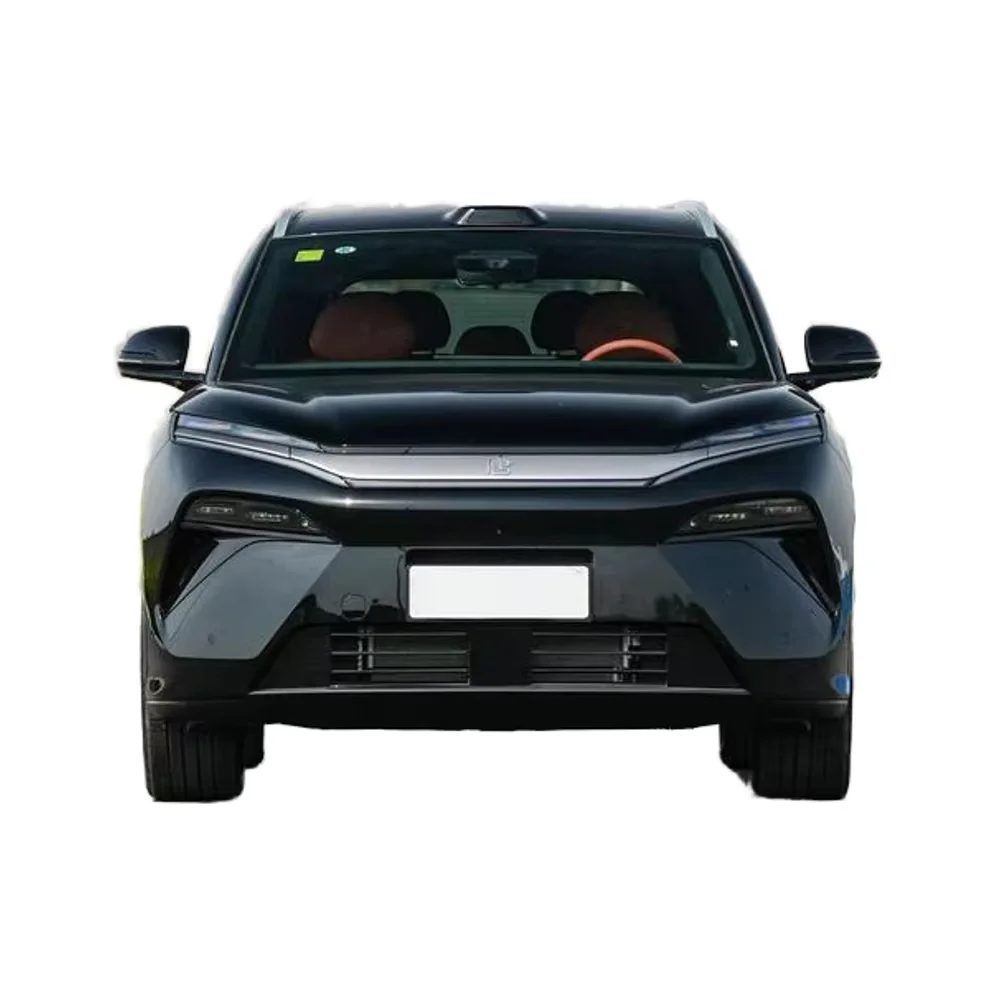
Understanding whether fuel-powered vehicles can hold their ground requires a balanced assessment of where they still deliver value, where hybrid technology creates competitive pressure, and how market conditions differ by region and segment. Fuel-powered vehicles are not disappearing overnight, but their competitive position depends on factors that are actively changing. This article examines the core dynamics that will determine whether fuel-powered vehicles can maintain relevance alongside the growing dominance of hybrid and electric alternatives.
The Current Standing of Fuel-Powered Vehicles
Infrastructure and Cost Advantages
One of the most significant advantages fuel-powered vehicles retain is the global density of refueling infrastructure. In markets across Southeast Asia, Africa, Latin America, and parts of Eastern Europe, fuel-powered vehicles benefit from mature, widely accessible fuel distribution networks. Consumers and fleet operators in these regions can rely on fuel-powered vehicles without worrying about charging access or grid stability. This infrastructure advantage keeps fuel-powered vehicles commercially attractive for long-haul freight, rural transport, and markets where energy transition investment is still limited.
From a purchase cost perspective, fuel-powered vehicles often carry lower upfront prices than equivalent hybrid or fully electric models. For price-sensitive buyers, fuel-powered vehicles remain the practical default. Businesses managing large commercial fleets also find that fuel-powered vehicles offer predictable total cost of ownership in environments where fuel pricing is regulated or subsidized. These economic realities ensure that fuel-powered vehicles remain deeply embedded in many market segments even as electrification accelerates elsewhere.
Engineering Maturity and Service Ecosystem
Fuel-powered vehicles benefit from decades of refined engineering, standardized parts, and a global network of trained technicians. The service ecosystem surrounding fuel-powered vehicles is unmatched in scale. Mechanics, spare parts suppliers, and diagnostic tools for fuel-powered vehicles are available in virtually every market on earth. This accessibility reduces downtime and repair costs, which matters enormously for commercial operators who depend on continuous vehicle availability. Hybrid and electric platforms are building their own service ecosystems, but fuel-powered vehicles still hold a structural advantage in after-sales support depth.
Where Hybrid Mobility Creates Competitive Pressure
Efficiency and Emissions in Urban Markets
Hybrid mobility platforms combine the energy recovery benefits of electric motors with the range flexibility of internal combustion. In dense urban environments, this combination directly challenges fuel-powered vehicles on fuel efficiency and emissions output. City governments in Europe, China, and North America are introducing low-emission zones, congestion pricing, and registration restrictions that specifically disadvantage fuel-powered vehicles. As these policies expand, fuel-powered vehicles face growing regulatory barriers that hybrid models are designed to navigate. The competitive gap in urban contexts is widening as hybrid technology matures and becomes more affordable.
Buyers in premium and mid-range segments increasingly factor total running costs into purchase decisions. Fuel-powered vehicles, despite lower upfront costs, can generate higher fuel expenses over time compared to plug-in hybrid alternatives. As hybrid battery costs decline and fuel prices remain volatile, fuel-powered vehicles face a structural disadvantage in operating cost calculations for high-mileage users. Fleet managers and individual buyers who drive frequently are finding that hybrid models offer a better economic equation over a multi-year ownership cycle, which creates sustained pressure on fuel-powered vehicles in volume market segments.
Consumer Expectations and Product Positioning
Modern buyers increasingly associate advanced vehicle technology with hybrid or electric platforms rather than fuel-powered vehicles. Features such as regenerative braking, electric torque delivery, integrated energy management, and over-the-air software updates are more naturally paired with hybrid and electric architectures. Fuel-powered vehicles are perceived by a growing share of consumers as legacy technology, which affects brand positioning and resale value over time. Automakers are responding by investing disproportionately in hybrid and electric platforms, which means fuel-powered vehicles are receiving less innovation investment relative to alternative powertrain technologies.
Scenarios Where Fuel-Powered Vehicles Stay Competitive
Long-Range, High-Load, and Remote Applications
Fuel-powered vehicles continue to excel in scenarios where range, payload capacity, and energy density requirements are extreme. Heavy trucks, construction equipment, agricultural machinery, and long-distance passenger coaches all represent domains where fuel-powered vehicles face no near-term replacement from hybrid alternatives. The energy density of liquid fuels gives fuel-powered vehicles a fundamental physical advantage for these applications. Until hydrogen fuel cell or battery technology achieves cost and weight parity for high-load use cases, fuel-powered vehicles will maintain strong competitiveness in working vehicle categories.
In remote or off-grid markets, fuel-powered vehicles operate where charging infrastructure simply does not exist. Mining operations, offshore logistics, agricultural zones, and disaster response deployments all require fuel-powered vehicles that can be refueled from portable sources. Hybrid platforms in these environments face practical limitations that fuel-powered vehicles do not. For buyers and operators in these sectors, fuel-powered vehicles are not a compromise but the optimal technical choice given real-world operating conditions.
Market-Specific Regulatory and Economic Conditions
Not all markets are transitioning at the same pace. In many emerging economies, fuel-powered vehicles will remain dominant for the next decade or longer due to energy infrastructure gaps, policy timelines, and import cost structures. Fuel-powered vehicles also benefit in markets where government policy actively supports domestic fuel industries or where electricity grids are insufficient for widespread EV adoption. Regional variation is significant, and fuel-powered vehicles will retain competitive strength in markets where the structural conditions favor them. Global automakers must therefore maintain fuel-powered vehicle investment strategies calibrated to these regional realities rather than applying a single global electrification timeline.
FAQ
Will fuel-powered vehicles be banned in all markets soon?
No. While some markets have announced phase-out timelines for fuel-powered vehicles, these policies vary widely by region and vehicle category. Many emerging and developing markets have no near-term bans planned. Fuel-powered vehicles will continue to be sold, used, and serviced in large volumes across global markets for years to come, particularly in segments and geographies where alternatives remain impractical or unaffordable.
Can fuel-powered vehicles compete on running costs against hybrids?
In specific contexts, fuel-powered vehicles can still be cost-competitive, especially where fuel is subsidized, driving distances are moderate, or upfront vehicle budgets are constrained. However, for high-mileage urban drivers, hybrid models increasingly offer lower total running costs. The cost competitiveness of fuel-powered vehicles depends heavily on local fuel prices, usage patterns, and the total cost of hybrid ownership in each specific market.
What role will fuel-powered vehicles play in hybrid mobility ecosystems?
Fuel-powered vehicles will coexist with hybrid and electric platforms in a segmented mobility ecosystem for the foreseeable future. They will serve applications and markets where hybrid or electric technology is not yet viable or economically justified. Rather than disappearing, fuel-powered vehicles will occupy a defined and durable segment within the broader mobility landscape, particularly in commercial, industrial, and infrastructure-constrained environments where their practical advantages remain decisive.