
 EN
EN
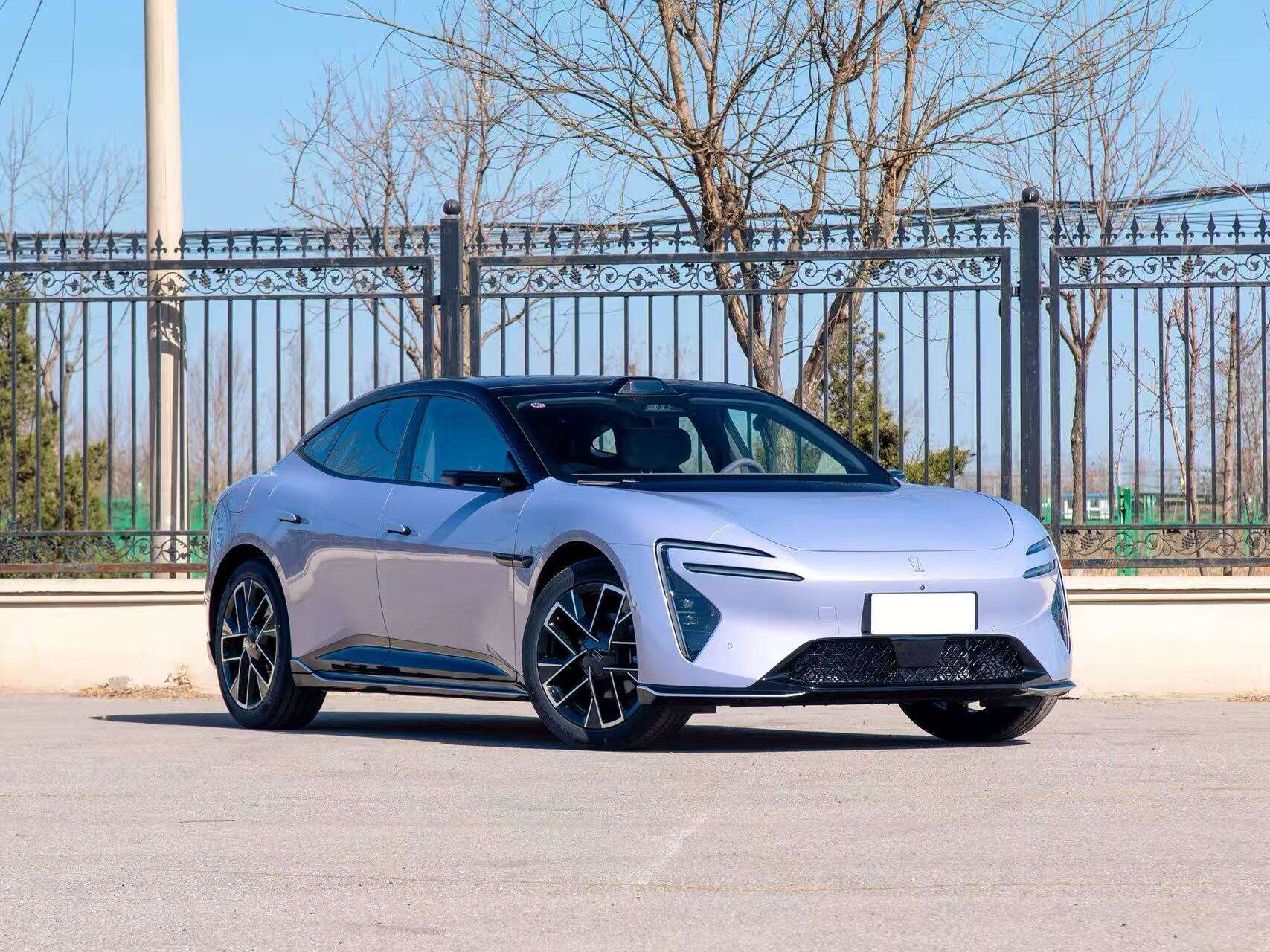
The global electric vehicle market is shifting faster than many analysts predicted, and chinese automobile exports are at the center of this transformation. Over the past several years, chinese automobile exports have grown from a niche segment to a major force in global automotive trade, bringing competitively priced EVs to markets across Europe, Southeast Asia, Latin America, and the Middle East. The question is no longer whether chinese automobile exports matter — it is how deeply they will reshape the trajectory of worldwide EV adoption.
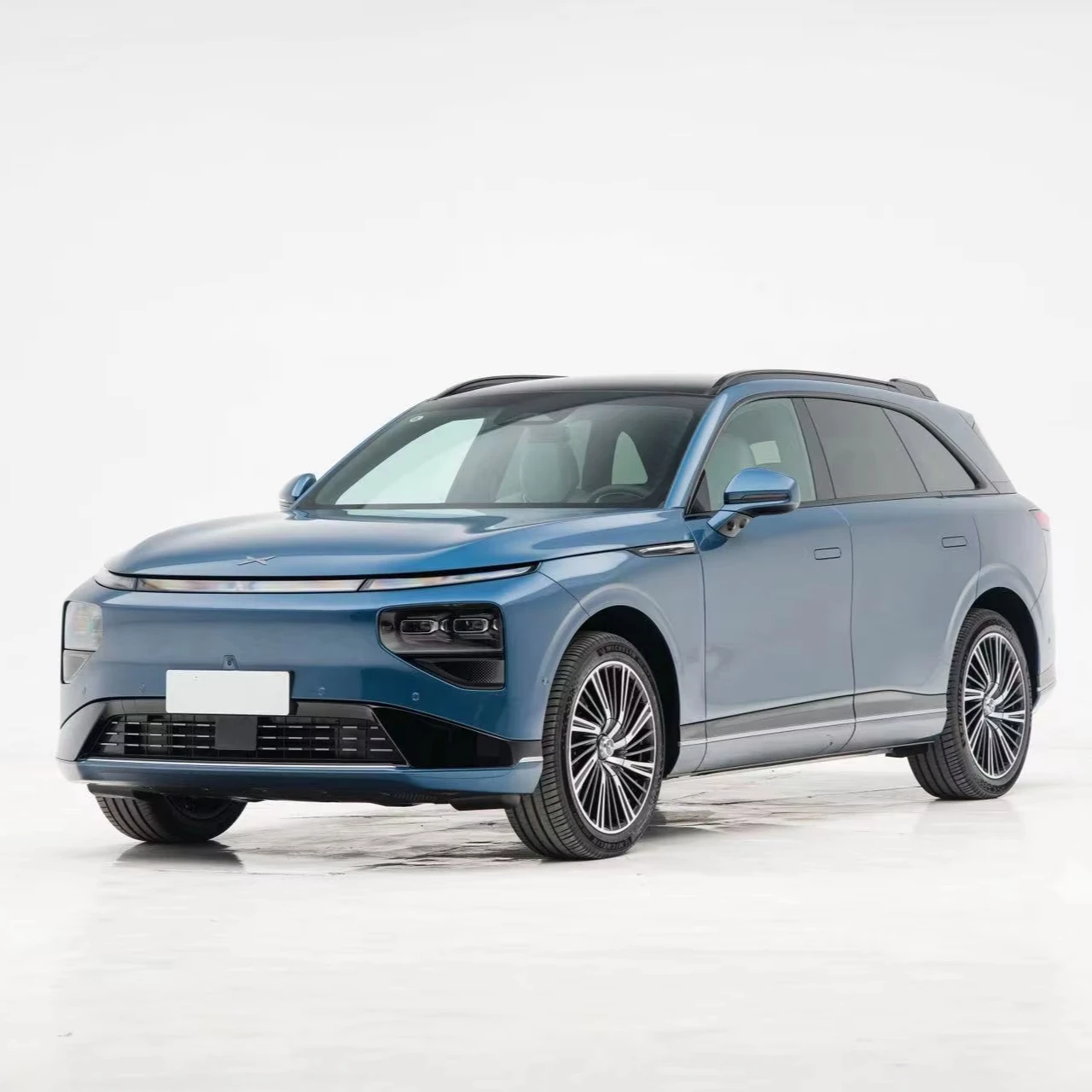
Chinese automobile exports surpassed four million units in recent counting periods, with a significant and growing share represented by new energy vehicles. This surge is not accidental. It reflects years of domestic investment in battery technology, manufacturing scale, and supply chain integration. As chinese automobile exports continue to reach new destinations, they are placing affordable EV options in front of consumers who previously had limited access to clean mobility solutions. Understanding this dynamic is essential for importers, fleet operators, and policy makers who want to position themselves ahead of the curve.
The Scale and Momentum of Chinese Automobile Exports
How Volume and Variety Are Driving Global Reach
The sheer volume of chinese automobile exports provides a foundation that few competing regions can match. China's domestic EV market, one of the largest in the world, has created enormous production capacity and intense competition among manufacturers. This competitive pressure forces constant improvement in range, technology, and cost efficiency. When chinese automobile exports enter international markets, they often arrive with features and price points that challenge established local players. Buyers in developing markets especially benefit from this dynamic, gaining access to vehicles that combine modern connectivity, long battery range, and relatively accessible pricing.
Destination Markets and Their Adoption Readiness
Chinese automobile exports are not flowing into a single region. Southeast Asian markets have embraced chinese automobile exports rapidly, driven by growing middle classes and increasing awareness of fuel costs. European markets have absorbed chinese automobile exports at a measured but rising pace, with buyers drawn to range performance and feature-rich interiors. Latin American and African markets, where legacy vehicle infrastructure is still developing, represent frontier opportunities for chinese automobile exports to leapfrog older combustion technology entirely. Each destination brings different regulatory conditions, charging infrastructure maturity, and consumer preferences, which means chinese automobile exports must adapt in specification and positioning to maximize adoption impact.
Technology and Price as Catalysts for EV Adoption
Battery Innovation Embedded in Chinese Automobile Exports
One of the strongest arguments for how chinese automobile exports can accelerate global EV adoption lies in battery technology. Chinese manufacturers have invested heavily in lithium iron phosphate and next-generation battery chemistries that deliver long endurance ranges at lower per-kilowatt-hour costs. Vehicles included in chinese automobile exports regularly demonstrate ranges exceeding 600 kilometers on a single charge, a figure that directly addresses consumer range anxiety. When chinese automobile exports bring this technology to markets that previously only had access to short-range EVs or expensive premium options, the psychological and practical barriers to EV ownership drop considerably.
Competitive Pricing as a Market Entry Strategy
Price competitiveness is a defining characteristic of chinese automobile exports. The combination of vertically integrated supply chains, economies of scale, and government-supported infrastructure in China allows manufacturers to offer EVs at price points that many international competitors struggle to match. For fleet buyers, logistics companies, and ride-hailing operators in import markets, chinese automobile exports present a strong total cost of ownership argument. Lower acquisition costs combined with reduced fuel and maintenance expenditure make the transition to electric fleets financially attractive. This economic logic is one of the most powerful ways chinese automobile exports are actively accelerating EV adoption beyond just awareness — they are making adoption economically rational.
Trade, Policy, and the Long-Term Impact on Global EV Growth
Regulatory Tailwinds and Trade Barriers
The impact of chinese automobile exports on global EV adoption does not occur in a vacuum. Trade policy plays a significant role. Several major economies have introduced tariffs or import restrictions specifically targeting chinese automobile exports, citing concerns about market competition and supply chain dependencies. While these measures can slow the immediate volume of chinese automobile exports in certain corridors, they also stimulate local EV investment by demonstrating the competitive threat. In this way, chinese automobile exports indirectly accelerate EV adoption even in markets that restrict them, by pushing domestic industries to accelerate their own electrification timelines. Countries that maintain more open trade environments tend to see faster adoption curves when chinese automobile exports arrive with minimal barriers.
Infrastructure Investment Triggered by Chinese Automobile Exports
When chinese automobile exports arrive in significant volume in a new market, they often trigger a parallel wave of charging infrastructure investment. Importers and distributors recognize that sales depend on charging availability, which motivates partnerships with energy companies and government bodies. Chinese automobile exports therefore function as a catalyst not only for vehicle adoption but also for the broader ecosystem required to sustain EV growth. Markets that proactively welcome chinese automobile exports and pair that openness with infrastructure development consistently outperform in EV penetration metrics. This compounding effect illustrates why the relationship between chinese automobile exports and global EV adoption is not simply linear — it is systemic.
FAQ
Why are chinese automobile exports growing so rapidly in global markets?
Chinese automobile exports have grown rapidly because China's domestic market created massive manufacturing scale, deep supply chain integration, and continuous technology refinement. This allows chinese automobile exports to offer competitive pricing and advanced features simultaneously, making them attractive across both developing and developed markets.
Do chinese automobile exports only include electric vehicles?
No, chinese automobile exports include internal combustion engine vehicles, hybrids, and battery electric vehicles. However, the fastest-growing segment within chinese automobile exports is new energy vehicles, particularly battery EVs, which now represent a substantial and increasing proportion of total export volume.
How do chinese automobile exports affect buyers and importers in emerging markets?
For buyers and importers in emerging markets, chinese automobile exports provide access to modern EV technology at price points previously unavailable. This lowers the financial threshold for fleet electrification and personal EV ownership, making chinese automobile exports a practical pathway toward accelerated clean transportation adoption in regions where premium EV brands have limited reach.