
 EN
EN
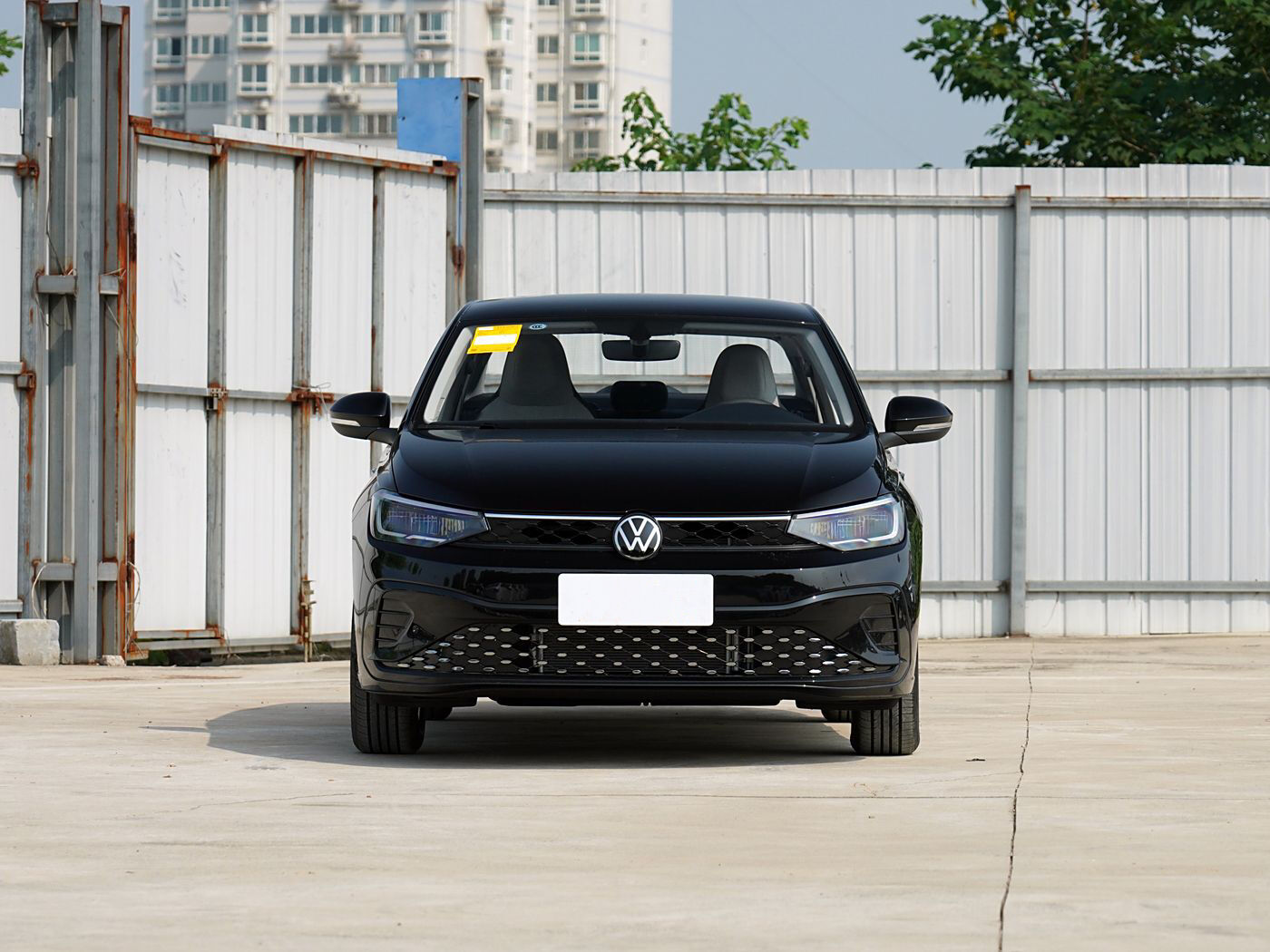
The global automotive landscape has witnessed a remarkable transformation as chinese cars emerge as formidable competitors through strategic investments in technology and design innovation. What began as a manufacturing-focused industry has evolved into a sophisticated ecosystem where chinese cars now challenge traditional automotive powerhouses with cutting-edge electric powertrains, intelligent connectivity systems, and design philosophies that resonate with modern consumers. This shift represents more than incremental improvement; it signals a fundamental repositioning of chinese cars from cost-focused alternatives to desirable products that compete on merit across global markets.
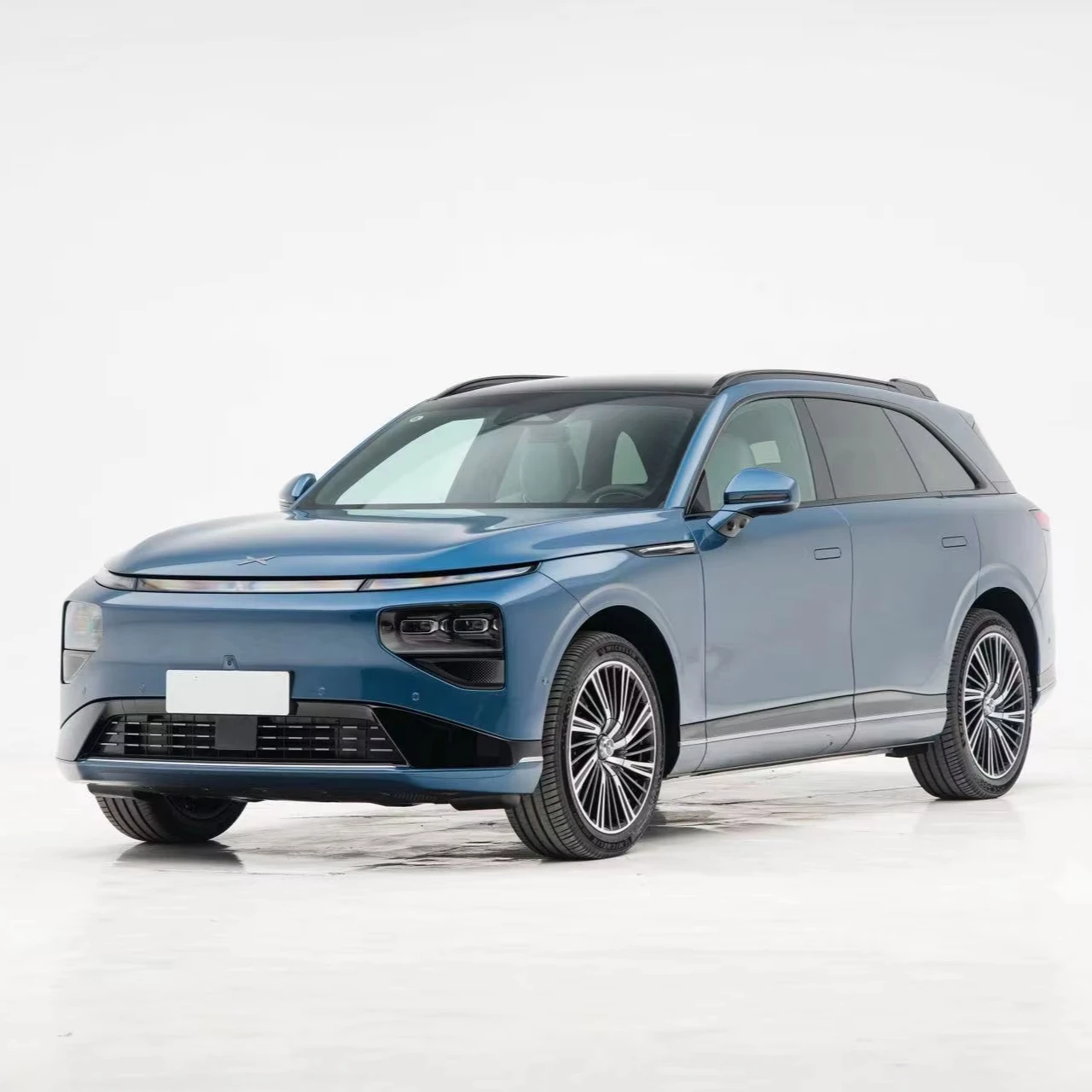
The competitive advantage of chinese cars stems from deliberate strategic choices made over the past decade. Chinese automotive manufacturers recognized early that competing solely on price would limit long-term viability, prompting substantial investments in research and development facilities, design studios, and technology partnerships. Today, chinese cars incorporate advanced battery technologies, autonomous driving capabilities, and user experience innovations that attract buyers seeking modern transportation solutions. Understanding how chinese cars leverage technology and design provides insight into broader industry trends and reveals why these vehicles increasingly capture market share in regions previously dominated by established manufacturers.
Technological Innovation Driving Chinese Cars Forward
Electric Powertrain Leadership
Chinese cars have established significant advantages in electric vehicle technology through vertical integration and scale economies. Manufacturers of chinese cars control substantial portions of the battery supply chain, enabling faster innovation cycles and cost optimization that translate into competitive pricing without sacrificing performance. The electric powertrains in chinese cars often deliver impressive range figures exceeding 600 kilometers on single charges, addressing consumer concerns about practicality while matching or surpassing international benchmarks. This technological foundation allows chinese cars to compete effectively in markets transitioning toward electrification, where legacy manufacturers face conversion challenges with existing internal combustion platforms.
Intelligent Connectivity Systems
The integration of advanced connectivity features distinguishes chinese cars in crowded marketplaces. Modern chinese cars function as mobile computing platforms with sophisticated infotainment systems, over-the-air update capabilities, and seamless smartphone integration that younger buyers particularly value. Chinese cars incorporate voice recognition technology, artificial intelligence assistants, and cloud-based services that create differentiated user experiences. These connectivity features in chinese cars often surpass offerings from traditional manufacturers, reflecting the technology-first culture of Chinese automotive companies and their partnerships with leading software developers. The result positions chinese cars as forward-thinking choices for digitally native consumers.
Autonomous Driving Development
Investment in autonomous driving technology represents another competitive dimension where chinese cars demonstrate ambition and capability. Chinese cars now feature advanced driver assistance systems with capabilities including adaptive cruise control, lane centering, automated parking, and highway pilot functions. The rapid development pace of autonomous features in chinese cars benefits from supportive regulatory environments, extensive real-world testing opportunities, and collaboration between automotive manufacturers and technology firms. While full autonomy remains distant, the progressive enhancement of driver assistance in chinese cars creates perception advantages and tangible safety benefits that influence purchase decisions. Chinese cars thus compete not just on current capabilities but on demonstrated trajectories toward future mobility paradigms.
Design Innovation Reshaping Chinese Cars
Contemporary Exterior Aesthetics
The visual transformation of chinese cars represents perhaps the most immediately noticeable competitive evolution. Contemporary chinese cars display confident design languages that balance bold character with refined execution, moving beyond derivative styling toward distinctive identities. The exterior design of chinese cars increasingly reflects collaboration with international design studios and the recruitment of experienced designers who bring global perspectives while respecting Chinese market preferences. Chinese cars now feature sculpted body surfaces, sophisticated lighting signatures, and proportions that communicate quality and modernity. This design maturity allows chinese cars to compete in premium segments where visual appeal directly influences brand perception and purchase consideration.
Interior Quality and User Experience
Interior environments in chinese cars have improved dramatically through material quality upgrades and human-centered design approaches. Modern chinese cars offer cabin experiences featuring soft-touch surfaces, ambient lighting, configurable digital displays, and ergonomic layouts that rival premium offerings from established brands. The focus on interior quality in chinese cars reflects understanding that tactile experiences strongly influence owner satisfaction and brand reputation. Chinese cars increasingly incorporate sustainable materials, modular storage solutions, and thoughtful details that demonstrate attention to daily usability rather than mere specification competitiveness. This interior evolution positions chinese cars as legitimate alternatives for buyers prioritizing comfort and craftsmanship alongside technological features.
Design Flexibility Through Platform Architecture
The strategic development of flexible platform architectures enables chinese cars to achieve design variety while maintaining development efficiency. Chinese cars built on dedicated electric vehicle platforms benefit from packaging advantages that create spacious interiors, flat floors, and design proportions impossible with adapted combustion architectures. This platform approach allows manufacturers of chinese cars to rapidly introduce diverse body styles targeting specific market segments without proportional increases in engineering investment. The design flexibility inherent in modern chinese cars supports faster response to market trends and consumer preferences, creating competitive advantages in dynamic markets where buyer expectations evolve quickly. Chinese cars thus compete through both individual model appeal and portfolio breadth enabled by intelligent platform strategies.
Market Positioning and Competitive Strategy
Value Proposition Redefinition
Chinese cars compete by redefining value propositions beyond traditional price-feature calculations. While chinese cars often maintain cost advantages relative to comparable international models, the competitive strategy increasingly emphasizes technology richness, design desirability, and ownership experience rather than positioning as budget alternatives. This strategic shift allows chinese cars to capture buyers willing to pay premium prices for distinctive products rather than limiting appeal to cost-conscious segments. The evolving value proposition of chinese cars reflects confidence in product quality and recognition that sustainable competitiveness requires brand strength alongside manufacturing efficiency. Chinese cars thus compete in multiple price tiers with differentiated positioning rather than clustering in entry-level categories.
Global Expansion Through Localization
The international competitiveness of chinese cars depends substantially on sophisticated localization strategies that adapt products and marketing to regional requirements. Chinese cars entering European markets emphasize safety certifications, environmental compliance, and design elements resonating with local aesthetic preferences. In Southeast Asian markets, chinese cars highlight practicality, service network accessibility, and features addressing tropical climate conditions. This localization approach demonstrates that chinese cars compete through market-specific adaptations rather than universal product strategies, recognizing that success requires understanding diverse buyer motivations and regulatory contexts. The ability of chinese cars to execute effective localization at scale represents organizational capability that supports sustained international expansion.
Brand Building Through Experience
Competitive positioning of chinese cars increasingly relies on experiential brand building that creates emotional connections beyond rational product attributes. Manufacturers of chinese cars invest in flagship retail locations, immersive test drive programs, and community engagement initiatives that allow potential buyers to experience products directly rather than relying solely on specifications. Chinese cars benefit from association with technological innovation, environmental responsibility, and modern lifestyle values that resonate particularly with younger urban buyers. This brand-building approach recognizes that chinese cars must overcome residual perception challenges in some markets while capitalizing on growing recognition of Chinese technological capabilities. The result positions chinese cars as aspirational choices for forward-thinking consumers rather than compromise purchases.
FAQ
What technological advantages do chinese cars offer compared to traditional automotive brands?
Chinese cars provide advantages in electric powertrain technology through vertical battery supply chain integration, advanced connectivity systems with seamless smartphone integration and over-the-air updates, and rapidly developing autonomous driving features. Chinese cars benefit from technology-first development cultures and partnerships with leading software firms, often delivering more sophisticated digital experiences than traditional manufacturers transitioning from mechanical engineering focus. The electric vehicle platforms underlying many chinese cars enable packaging efficiencies and design flexibility that combustion-based architectures cannot match, creating fundamental advantages in interior space and vehicle proportions.
How has design quality in chinese cars improved to compete internationally?
Design quality in chinese cars has transformed through strategic recruitment of international design talent, establishment of global design studios, and increased investment in material quality and manufacturing precision. Contemporary chinese cars feature distinctive exterior styling that balances cultural identity with global appeal, while interiors offer premium materials, sophisticated ambient lighting, and ergonomic layouts rivaling established luxury brands. Chinese cars now demonstrate design confidence through original aesthetic languages rather than derivative styling, supported by flexible electric vehicle platforms that enable optimal proportions and spacious cabin environments that enhance perceived quality and user experience.
In which global markets are chinese cars most competitive currently?
Chinese cars demonstrate strongest competitiveness in markets prioritizing electric vehicle adoption, including China domestically, several European countries with supportive EV policies, and growing Southeast Asian markets where chinese cars offer compelling value propositions. Chinese cars compete effectively in regions where buyers value technology features, connectivity capabilities, and modern design over traditional brand heritage. Markets with developing charging infrastructure and government incentives for electric vehicles particularly favor chinese cars, as do urban environments where compact electric models address parking constraints and emission regulations. The competitiveness of chinese cars continues expanding as international charging networks mature and consumer familiarity with Chinese automotive brands increases through direct product experience.