
 EN
EN
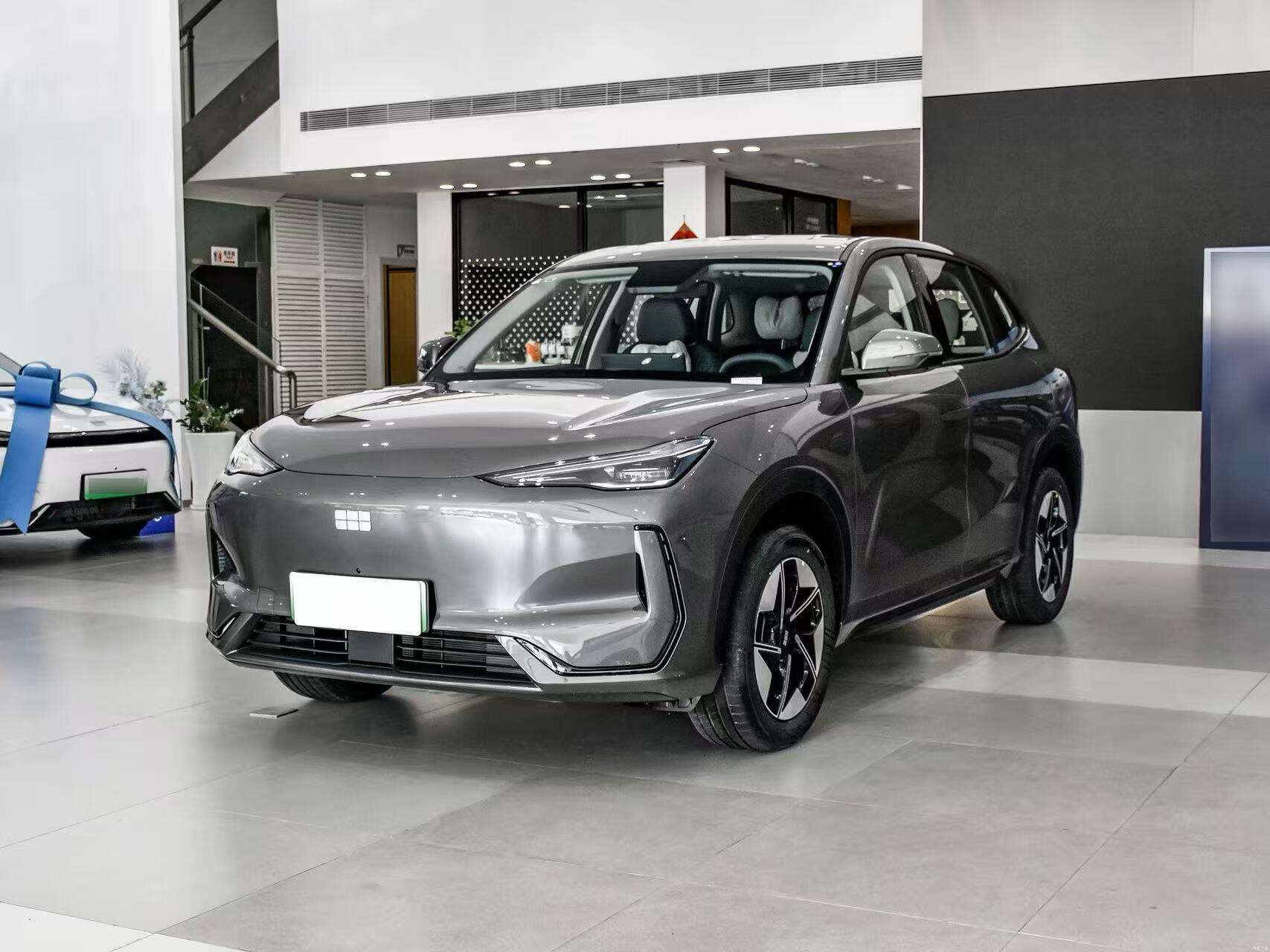
The Enduring Legacy of Internal Combustion Engines
Despite the rising popularity of electric vehicles and growing environmental concerns, petrol cars continue to dominate the global automotive landscape. This widespread prevalence isn't merely coincidental – it's the result of over a century of technological refinement, infrastructure development, and consumer familiarity. Understanding why these vehicles maintain their stronghold in the market reveals complex interplay between technology, economics, and human behavior.
Infrastructure and Accessibility Advantages
Global Fueling Network
One of the most significant advantages petrol cars hold is the vast, well-established network of fueling stations worldwide. This infrastructure has been built and refined over decades, making fuel accessibility nearly universal. From remote rural areas to busy urban centers, drivers can find petrol stations within convenient distances, ensuring worry-free travel across long distances.
The sheer scale of this infrastructure represents trillions in investments, with hundreds of thousands of fueling stations globally. This extensive network provides peace of mind to petrol car owners, knowing they can easily refuel their vehicles virtually anywhere they travel.
Maintenance and Service Availability
The widespread adoption of petrol cars has created a robust ecosystem of maintenance services. Auto mechanics worldwide are trained primarily in servicing internal combustion engines, making repairs and maintenance readily available and relatively affordable. This established service network provides car owners with multiple options for vehicle care, from authorized dealerships to independent workshops.
Additionally, spare parts for petrol cars are widely manufactured and distributed, ensuring quick availability and competitive pricing. This accessibility of maintenance services and parts contributes significantly to the continued dominance of petrol vehicles.

Economic Factors Driving Continued Dominance
Initial Purchase Cost
The manufacturing economies of scale achieved through decades of petrol car production have resulted in more affordable purchase prices compared to alternative powertrains. Mass production techniques, established supply chains, and optimized manufacturing processes all contribute to keeping the initial cost of petrol cars competitive.
Even as automotive technologies advance, manufacturers can maintain reasonable profit margins while offering petrol cars at price points accessible to a broad range of consumers. This cost advantage remains a crucial factor in consumer decision-making, particularly in emerging markets where price sensitivity is high.
Market Resale Value
Petrol cars typically maintain stronger resale values due to their established market presence and proven reliability. The well-understood depreciation curves and extensive used car market make these vehicles a safer investment for many buyers. This financial security aspect continues to influence purchasing decisions, especially for budget-conscious consumers.
The robust secondary market for petrol cars provides owners with confidence in their ability to recover part of their initial investment, making the overall ownership proposition more attractive.
Technical Advantages and Performance Benefits
Range and Refueling Speed
Modern petrol cars offer impressive driving ranges, typically exceeding 400 miles on a single tank, with refueling taking just minutes. This combination of range and quick refueling provides unmatched convenience for long-distance travel and daily use. The ability to quickly restore full range capability remains a significant advantage over alternative powertrains.
This practical benefit particularly appeals to users who require flexibility in their travel plans or those who frequently undertake long journeys. The minimal downtime for refueling helps maintain productivity for commercial users and convenience for private owners.
Performance Capabilities
Contemporary petrol engines deliver excellent performance characteristics, from responsive acceleration to high-speed capability. Years of engineering refinement have resulted in powertrains that effectively balance power delivery, fuel efficiency, and reliability. These engines can provide consistent performance across various operating conditions and environments.
Modern petrol cars also offer sophisticated features like variable valve timing, turbocharging, and advanced engine management systems, enabling impressive power output while maintaining reasonable fuel efficiency. This versatility in performance continues to attract enthusiasts and practical users alike.
Consumer Psychology and Market Inertia
Familiarity and Trust
Decades of experience with petrol cars have created a deep-seated trust in this technology among consumers. The familiar sound, feel, and operation of petrol engines provide a comfort level that many drivers are reluctant to abandon. This psychological attachment to conventional powertrains influences purchasing decisions more than many realize.
The proven reliability and understood maintenance requirements of petrol cars also contribute to this trust factor. Consumers often prefer staying with known technology rather than venturing into newer, less familiar alternatives.
Cultural Integration
Petrol cars have become deeply embedded in global culture, from popular media to personal aspirations. The sound of a powerful engine, the ritual of visiting the gas station, and the freedom of the open road are all closely associated with petrol vehicles. This cultural integration creates resistance to change, even as alternative technologies emerge.
The automotive industry's marketing and branding efforts over decades have also reinforced these cultural connections, making petrol cars synonymous with personal freedom and status symbols in many societies.
Frequently Asked Questions
How long will petrol cars continue to dominate the market?
While the transition to alternative powertrains is accelerating, petrol cars are likely to maintain significant market share for at least the next 10-15 years, particularly in developing markets. The pace of transition will depend on factors including technology advancement, infrastructure development, and government policies.
Are petrol cars becoming more efficient?
Yes, modern petrol cars continue to achieve efficiency improvements through advanced engineering, including hybrid technologies, improved aerodynamics, and sophisticated engine management systems. These developments help maintain their competitiveness against alternative powertrains.
What advantages do petrol cars have over electric vehicles?
Petrol cars currently offer advantages including longer range, faster refueling, lower initial purchase cost, and more extensive service infrastructure. They also benefit from greater model variety and established resale markets, though this gap is gradually narrowing as electric vehicle technology advances.