
 EN
EN

The Future of Transportation: Navigating a Dual-Powered World
The automotive landscape is undergoing a remarkable transformation as electric vehicles gain momentum worldwide. Yet amid this electric revolution, petrol cars continue to dominate our roads, leading many to wonder about their future role. This evolving dynamic between traditional combustion engines and electric powertrains presents both challenges and opportunities for consumers, manufacturers, and policymakers alike.
As we witness the steady rise in petrol cars EV adoption rates globally, the conversation has shifted from an either/or scenario to a more nuanced discussion about coexistence. This transition period is proving to be more complex and multifaceted than initially predicted, with various factors influencing how these two technologies will share the road ahead.
The Current State of Automotive Market Dynamics
Infrastructure and Market Penetration
Despite the growing enthusiasm for electric vehicles, petrol cars maintain a strong presence due to their well-established infrastructure. Fuel stations are ubiquitous, offering convenient refueling options for millions of drivers worldwide. While EV charging networks are expanding rapidly, they have yet to match the accessibility and convenience of traditional fuel stations.
The market statistics tell an interesting story of gradual change rather than immediate disruption. While petrol cars EV adoption continues to accelerate, particularly in urban areas and developed nations, conventional vehicles still account for the majority of new car sales in most markets. This reality reflects both consumer preferences and practical considerations that continue to influence purchasing decisions.
Consumer Behavior and Preferences
Consumer choices remain divided between the familiar reliability of petrol vehicles and the innovative appeal of EVs. Many buyers are taking a wait-and-see approach, carefully observing how the technology evolves before making the switch. This cautious stance has created a natural buffer that allows both technologies to develop and improve simultaneously.
The diversity in driving needs and lifestyle requirements continues to support the relevance of both vehicle types. Long-distance travelers and those in rural areas often find petrol cars more practical, while urban commuters increasingly gravitate toward electric options. This natural market segmentation suggests there's room for both technologies to serve different consumer segments effectively.
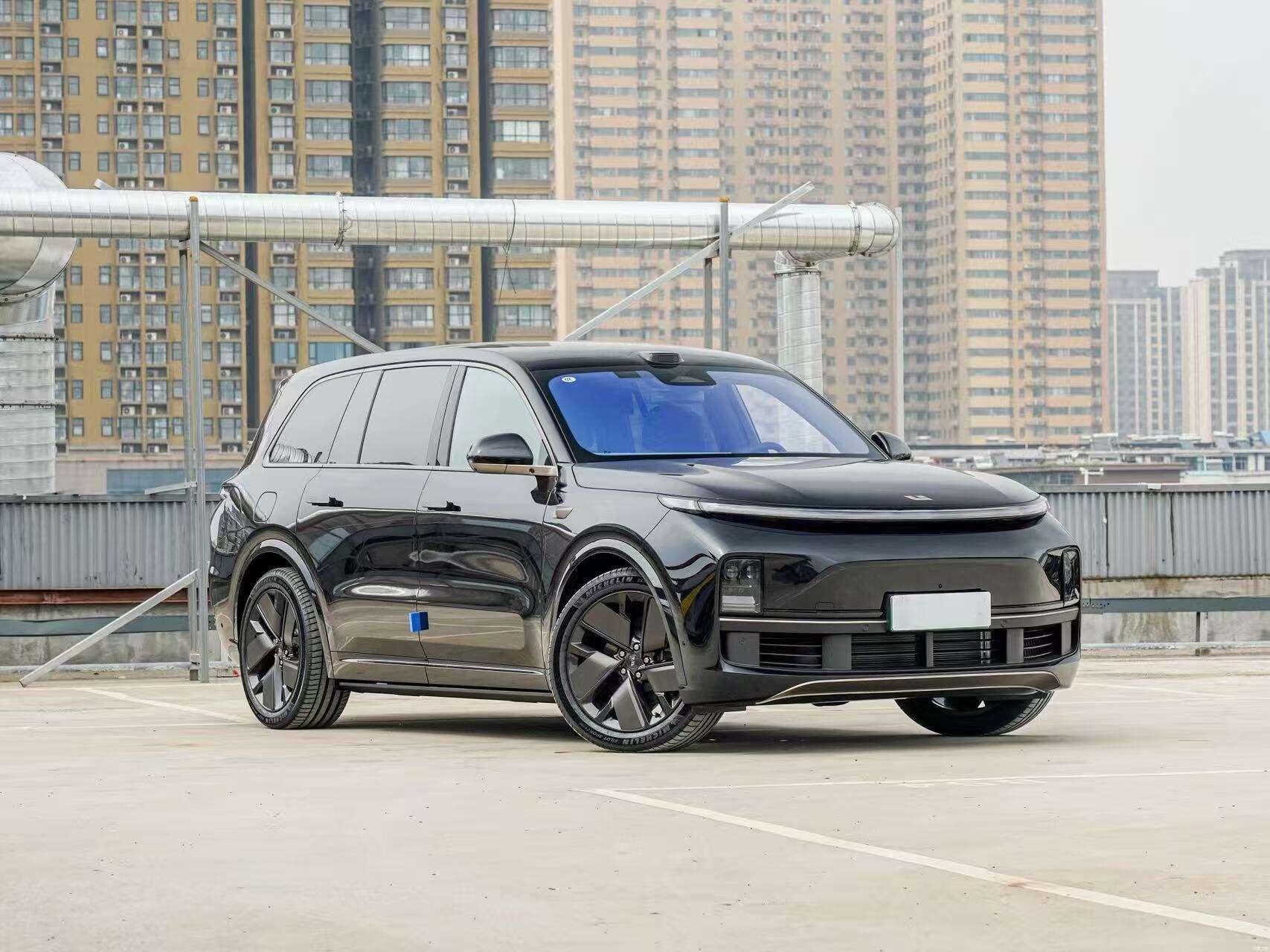
Technological Advancements and Adaptation
Hybrid Solutions and Transitional Technologies
The automotive industry has responded to the changing landscape by developing innovative hybrid technologies that bridge the gap between traditional and electric powertrains. These solutions represent a practical stepping stone in the journey toward increased petrol cars EV adoption, offering consumers the benefits of both technologies while minimizing their respective drawbacks.
Manufacturers continue to invest in improving internal combustion engine efficiency while simultaneously developing their electric vehicle capabilities. This dual-track approach ensures that both technologies can evolve and improve, meeting increasingly stringent environmental regulations while serving diverse market needs.
Environmental Impact and Sustainability
The environmental debate surrounding vehicle choices has become more nuanced as lifecycle analyses reveal the complexities of both options. While EVs offer zero direct emissions, the environmental impact of battery production and electricity generation must be considered. Meanwhile, advances in petrol engine technology and the development of cleaner fuels are reducing the environmental footprint of conventional vehicles.
The gradual nature of petrol cars EV adoption allows time for power grids and renewable energy infrastructure to develop, ensuring that the environmental benefits of electric vehicles can be fully realized. This measured transition helps avoid potential strains on electrical infrastructure while allowing for sustainable scaling of EV support systems.
Economic Implications and Market Adaptation
Manufacturing and Employment Considerations
The automotive industry's transformation has significant implications for manufacturing and employment. Rather than causing immediate disruption, the gradual shift allows time for workforce retraining and industrial adaptation. Many manufacturers are maintaining production lines for both technologies, supporting jobs while developing new skills in their workforce.
The supply chain continues to evolve, with companies investing in capabilities to serve both markets. This dual-focus approach helps maintain economic stability while facilitating the transition toward increased petrol cars EV adoption. It also provides opportunities for innovation and new business models in both sectors.
Market Economics and Pricing Dynamics
The coexistence of both technologies creates healthy market competition that benefits consumers through improved products and competitive pricing. As production scales increase for EVs, their costs are gradually decreasing, while petrol vehicles continue to offer value propositions that appeal to various market segments.
Government policies and incentives play a crucial role in shaping the market dynamics, often supporting both technologies through different mechanisms. This balanced approach helps maintain market stability while encouraging sustainable transportation solutions.
Future Outlook and Integration Strategies
Policy Framework and Regulatory Environment
Governments worldwide are adopting nuanced approaches to vehicle regulations, recognizing the need for a managed transition rather than an abrupt shift. This measured approach allows for the continued development of both technologies while setting clear long-term goals for emissions reduction and sustainability.
The regulatory framework increasingly focuses on performance standards rather than specific technologies, allowing manufacturers to innovate and adapt their offerings to meet environmental targets while serving diverse market needs. This flexibility supports the coexistence of different powertrain technologies during the transition period.
Infrastructure Development and Integration
The development of supporting infrastructure continues to evolve, with investments being made in both traditional fueling stations and EV charging networks. This parallel development ensures that both vehicle types can operate effectively, supporting consumer choice and practical mobility solutions.
Smart city planning increasingly incorporates provisions for both technologies, recognizing that the transition to electric mobility will be gradual and that maintaining support for existing vehicles is essential for social and economic stability.
Frequently Asked Questions
How long will petrol cars remain viable in the market?
Petrol cars are expected to remain viable for many years to come, particularly in regions with limited EV infrastructure or specific use cases where they offer advantages. While the transition to electric vehicles continues, the extensive existing infrastructure and ongoing technological improvements in internal combustion engines suggest a gradual rather than abrupt shift.
What factors influence the speed of EV adoption in different regions?
Several key factors affect the rate of petrol cars EV adoption, including local infrastructure development, government incentives, electricity grid capacity, consumer preferences, and economic conditions. Urban areas typically see faster adoption rates due to shorter travel distances and better charging infrastructure.
How are manufacturers adapting to serve both markets effectively?
Automotive manufacturers are pursuing dual-track strategies, maintaining and improving their traditional vehicle lines while investing in electric vehicle development. This approach allows them to serve current market demands while preparing for future transitions, often through the development of flexible manufacturing platforms that can produce both types of vehicles.