
 EN
EN
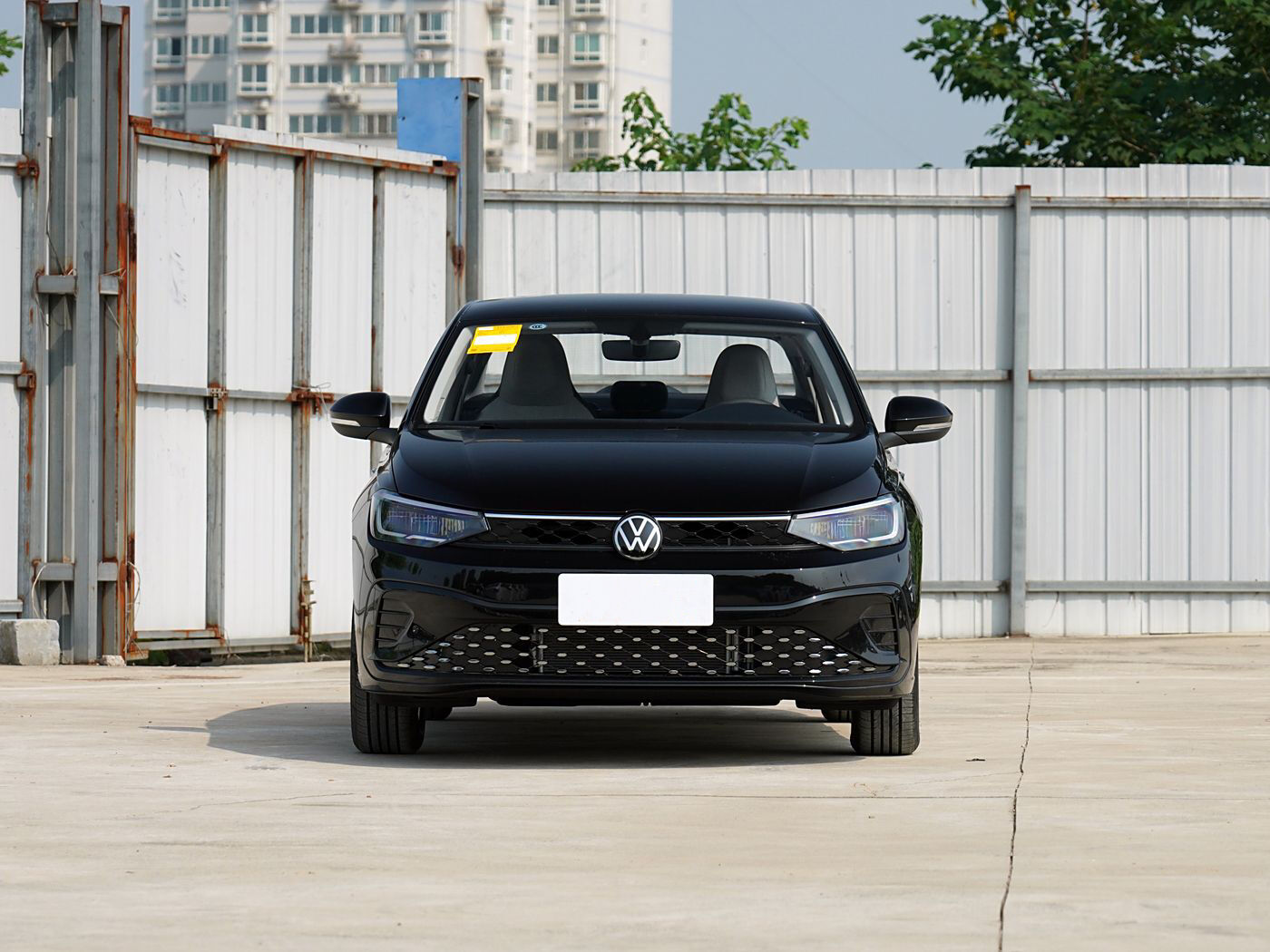
Across Africa, a quiet but powerful shift is reshaping how businesses approach mobility. From logistics firms in Lagos to ride-hailing operators in Nairobi, more companies are turning to chinese cars as their primary vehicle of choice. This trend is not accidental. It reflects a deliberate, data-driven decision by African business owners who need reliable, affordable, and practical transport at scale. Chinese cars have entered the African market with a value proposition that is difficult to ignore, and the numbers of adopters continue to grow year after year.

Understanding why African businesses are embracing chinese cars means looking beyond price alone. It requires examining the full ecosystem of affordability, vehicle variety, evolving quality standards, and the strategic alignment between what chinese cars offer and what African markets genuinely need. Chinese cars are not simply a budget option. They represent a comprehensive mobility solution tailored for emerging economies, and Africa is one of the fastest-growing markets where this alignment is most visible.
The Cost Advantage of Chinese Cars in African Markets
Upfront Affordability That Enables Business Growth
One of the most compelling reasons African businesses choose chinese cars is the entry price. Chinese cars consistently offer lower upfront costs compared to equivalent vehicles from other origins. For small and medium-sized enterprises operating on tight margins, this matters enormously. A fleet manager who can acquire two or three chinese cars for the price of one European or Japanese equivalent can expand capacity faster, serve more clients, and generate revenue sooner. Chinese cars effectively lower the financial barrier to fleet ownership, which is a significant advantage in capital-constrained environments.
Beyond the sticker price, chinese cars also tend to carry lower import duties in several African countries due to active trade agreements and diplomatic relationships between China and African nations. This further reduces the landed cost of chinese cars, making them even more competitive at the point of purchase. For businesses calculating total acquisition cost, chinese cars repeatedly emerge as the most financially sensible option available in the market.
Lower Running and Maintenance Costs
The cost story for chinese cars does not end at purchase. Spare parts for chinese cars are increasingly available through local distributors and informal markets across Africa. As the volume of chinese cars on African roads has grown, so has the supply chain supporting them. Mechanics familiar with servicing chinese cars are easier to find in major urban centers, which reduces downtime and keeps operating costs manageable. For businesses where vehicle availability is directly tied to daily revenue, the maintainability of chinese cars is a practical operational advantage that compounds over time.
Vehicle Variety and Fit-for-Purpose Design
Chinese Cars Cover Every Commercial Use Case
African businesses operate across a wide spectrum of needs, and chinese cars meet this diversity with an equally wide range of vehicle types. Whether a business requires compact city cars for urban delivery, minivans for passenger transport, SUVs for rural terrain, or electric vehicles for low-emission urban mobility, chinese cars now offer credible options in each category. This breadth means that a growing business does not need to switch brands or suppliers as its needs evolve. Chinese cars can scale alongside the business, providing continuity and logistical simplicity.
The Wuling Hongguang MiniEV is a strong example of how chinese cars are designed with specific use cases in mind. This compact electric vehicle from China's automotive sector addresses the urban mobility challenge directly, offering low running costs, easy parking, and zero tailpipe emissions. For African businesses operating in dense city environments, chinese cars like the MiniEV represent a forward-looking choice that also reduces fuel dependency. As fuel prices in Africa remain volatile, chinese cars with electric or hybrid options become strategically valuable beyond just their purchase price.
Adaptability to African Road and Climate Conditions
A common concern about chinese cars in earlier years was their ability to handle rough terrain and extreme heat. That concern has largely been addressed. Modern chinese cars are engineered with durability standards that reflect real-world operating conditions in emerging markets. Suspension systems on chinese cars designed for commercial use are reinforced. Cooling systems in chinese cars are built to manage high ambient temperatures. Manufacturers producing chinese cars for export have learned from feedback in markets similar to Africa and have adjusted designs accordingly. This means today's chinese cars perform reliably across the varied conditions found throughout the African continent.
Strategic Alignment Between China and Africa
Trade Relationships That Support Chinese Car Imports
The growing presence of chinese cars in Africa is also supported by strong bilateral trade ties. China has invested significantly in African infrastructure, logistics, and commercial partnerships. These relationships create favorable conditions for importing chinese cars, including streamlined customs processes and dedicated distribution networks. In many African countries, authorized dealers of chinese cars offer financing options, warranty support, and after-sales service that were not available in earlier years. The commercial ecosystem around chinese cars in Africa has matured considerably, giving buyers more confidence and fewer risks.
Chinese car manufacturers have also invested in localizing their offerings for African markets. Some producers of chinese cars have established assembly plants or partnerships within Africa, creating local employment and reducing import lead times. This localization makes chinese cars more responsive to market demand and reduces the logistics risk associated with long-distance shipping. For African businesses that need vehicles quickly and consistently, the improving supply reliability of chinese cars is a meaningful operational benefit.
The Rise of Electric Chinese Cars in African Urban Mobility
Electric chinese cars are gaining particular traction in Africa's urban centers. As cities across the continent face increasing pressure to reduce pollution and manage traffic, electric chinese cars offer a timely solution. The lower operating cost of electric chinese cars compared to petrol-powered alternatives makes them attractive for ride-hailing companies, delivery services, and corporate fleets. Chinese cars in the electric segment are becoming symbols of progress and sustainability for African businesses that want to position themselves as forward-thinking and socially responsible.
FAQ
Are chinese cars reliable enough for daily business use in Africa?
Yes. Modern chinese cars have significantly improved in build quality, durability, and engineering. Many chinese cars are now built to international safety and reliability standards, and they have proven their performance across diverse African road conditions. Growing spare parts availability and a wider network of trained mechanics further support the reliable operation of chinese cars in daily business environments.
What types of businesses benefit most from using chinese cars?
Chinese cars are particularly well suited for logistics companies, ride-hailing operators, corporate transport fleets, and small delivery businesses. The wide variety of chinese cars available means that businesses in agriculture, construction, urban delivery, and passenger services can all find models that fit their specific requirements. Chinese cars offer flexibility that benefits both small operators and growing enterprises.
How do chinese cars compare in total cost of ownership over time?
Over a typical ownership period, chinese cars often deliver strong value. Lower purchase prices, competitive insurance costs, increasingly accessible spare parts, and improving fuel efficiency all contribute to a favorable total cost picture. For African businesses managing tight budgets, chinese cars frequently outperform more expensive alternatives when evaluated on a true cost-per-kilometer basis rather than upfront price alone.