
 EN
EN
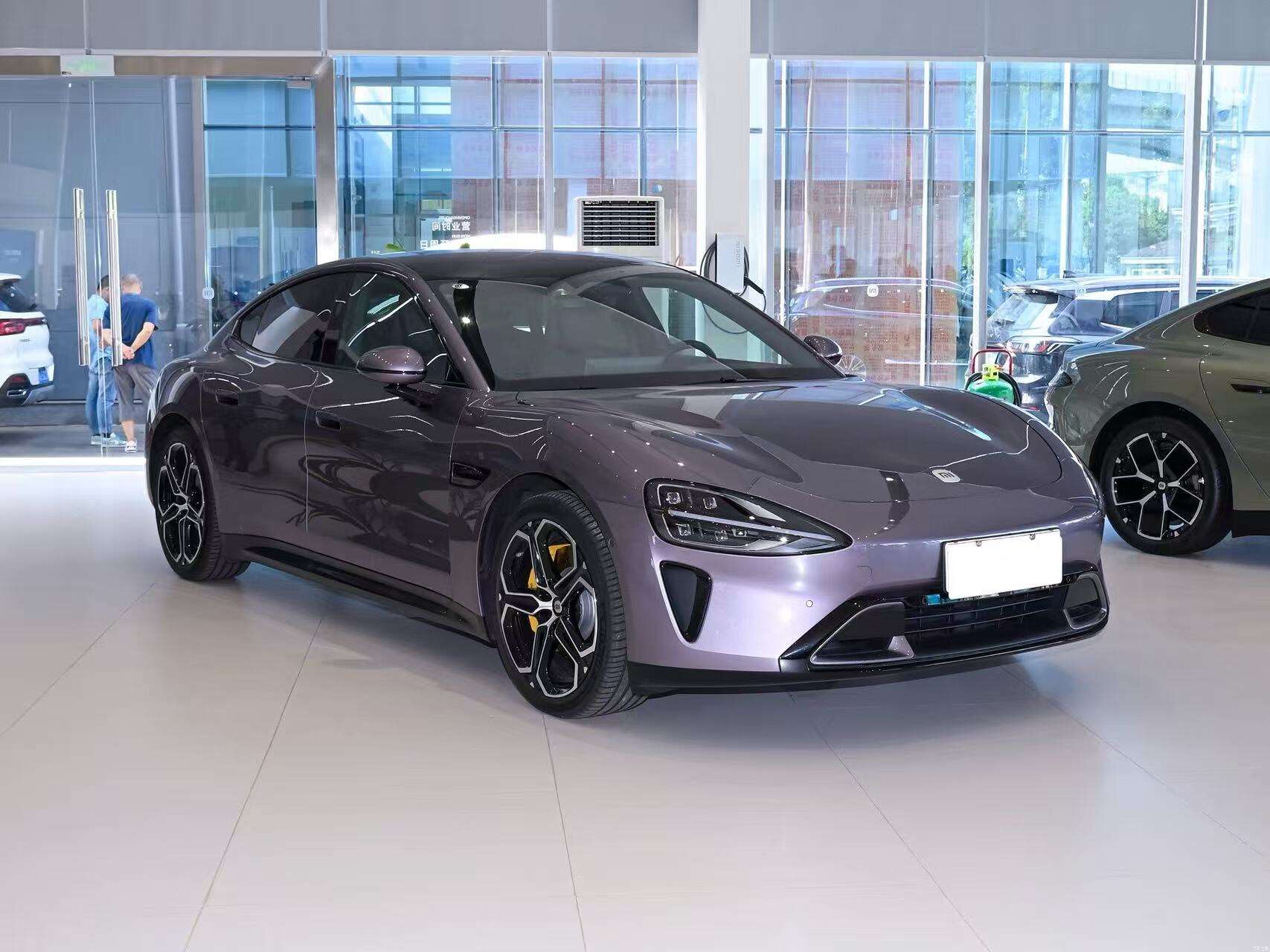
Across the African continent, a significant shift is taking place in the automotive landscape. chinese automobiles are no longer a niche offering but a dominant force reshaping how millions of people access personal and commercial mobility. From Lagos to Nairobi, from Johannesburg to Accra, chinese automobiles are appearing on roads at an accelerating rate, prompting analysts, policymakers, and business leaders to ask what is truly fueling this demand.

The rise of chinese automobiles in Africa is not accidental. It reflects a convergence of economic conditions, supply-side strategies, and evolving consumer expectations. Understanding these drivers offers valuable insight not just into the African automotive market but into the broader global competitiveness of chinese automobiles as a category. This article explores the core factors behind this growing demand and what they mean for the future of transportation across African economies.
Affordability and Value Positioning of Chinese Automobiles
Price Accessibility in Emerging Markets
One of the most powerful drivers behind the demand for chinese automobiles in Africa is their competitive pricing. Chinese manufacturers have refined production efficiencies that allow them to deliver vehicles at price points that are genuinely accessible to middle-income African consumers. When compared to equivalently specced European or Japanese alternatives, chinese automobiles often cost significantly less, making first-time vehicle ownership a realistic goal for many households.
This affordability does not come at the expense of basic quality. Modern chinese automobiles are equipped with contemporary safety features, fuel-efficient engines, and reliable drivetrains. For budget-conscious buyers in economies where disposable income remains constrained, chinese automobiles represent a rational purchasing decision that balances cost with functional performance.
Financing and Trade Partnerships Supporting Access
Beyond the sticker price, chinese automobiles benefit from favorable trade relationships between China and numerous African nations. Bilateral trade agreements, infrastructure financing arrangements, and Chinese investment in African markets have created commercial ecosystems that make chinese automobiles easier to import, distribute, and finance locally. Dealers working with chinese automobiles often have access to flexible payment terms and supply chain support that reduces the cost burden on end consumers.
Infrastructure Growth and Expanding Mobility Needs
Road Development Creating New Demand Corridors
Africa's ongoing infrastructure investment is a critical structural driver behind the demand for chinese automobiles. As new roads, highways, and urban ring routes are built across the continent — many of them financed in part by Chinese development institutions — the practical utility of vehicle ownership expands. Chinese automobiles are well-positioned to fill this demand because they enter markets at the exact moment when infrastructure is maturing enough to support private vehicle use at scale.
Regions that previously relied almost entirely on informal transport networks are now transitioning toward semi-formal and private mobility options. Chinese automobiles, including SUVs and pickup trucks designed for mixed terrain, match the practical requirements of these developing transport corridors. Their rugged build options and adaptable configurations make chinese automobiles a natural fit for conditions found across sub-Saharan Africa, East Africa, and North Africa alike.
Urbanization and Rising Consumer Aspirations
Africa's urban population is growing at one of the fastest rates globally. As cities expand, the demand for personal transportation rises sharply. Young, upwardly mobile African consumers are increasingly looking beyond basic transport solutions toward vehicles that reflect status, practicality, and modernity. Chinese automobiles have evolved in design and branding to meet these rising expectations. Contemporary chinese automobiles feature modern interiors, connected technology, and stylish exteriors that appeal to this aspirational urban demographic.
The availability of diverse vehicle types within the chinese automobiles segment — from compact city cars to large SUVs and commercial vans — means that consumers across different income brackets and use cases can find a suitable chinese automobile for their needs. This range reinforces the market penetration of chinese automobiles across multiple economic tiers simultaneously.
Strategic Market Positioning of Chinese Automobile Brands
Localized Distribution and After-Sales Networks
Chinese automobile manufacturers have made deliberate investments in building local presence across African markets. Unlike some foreign automotive brands that operate through distant importers with limited support infrastructure, producers of chinese automobiles have increasingly established dedicated dealership networks, spare parts warehouses, and technical training programs within African countries. This localized approach removes a key barrier to adoption: the concern about maintaining and repairing chinese automobiles after the sale.
When consumers feel confident that chinese automobiles can be serviced locally and that spare parts are readily available at reasonable costs, their willingness to purchase increases substantially. This after-sales investment has been a strategic differentiator helping chinese automobiles build sustainable market share rather than simply capturing one-time buyers.
Product Diversification Aligned With African Needs
Chinese automobile producers have shown a willingness to adapt their product lines to the specific demands of African markets. Whether that means prioritizing ground clearance for unpaved roads, optimizing fuel tanks for regions with sparse fueling infrastructure, or offering commercial vehicle configurations suited to small business logistics, chinese automobiles have evolved with the market in mind. This product-market alignment accelerates demand because buyers feel that chinese automobiles are designed with their real-world conditions in mind, not simply repurposed from models built for other regions.
As electric vehicle adoption becomes a growing conversation even in African markets, chinese automobiles are also emerging as early movers in affordable EV options. This positions the chinese automobiles segment not just as a current solution but as a long-term platform for Africa's evolving mobility ecosystem.
FAQ
Are chinese automobiles considered reliable for African road conditions?
Yes, many chinese automobiles are engineered with durability and versatility in mind. Models designed for markets with mixed terrain, limited service infrastructure, and high ambient temperatures are particularly well-suited for conditions common across much of Africa. Buyers should review specific model specifications and available after-sales support in their region before purchasing.
How do chinese automobiles compare in price to other imported vehicles in Africa?
Chinese automobiles are generally priced more competitively than equivalent vehicles from European or Japanese manufacturers. This price gap can be substantial, often making chinese automobiles the most accessible option for first-time buyers or small business owners looking to expand commercial fleets without significant capital outlay.
What types of chinese automobiles are most popular in African markets?
SUVs, pickup trucks, and compact sedans within the chinese automobiles category tend to perform strongly across African markets. SUVs and pickups are favored for their versatility on varied terrain, while compact models appeal to urban consumers seeking fuel-efficient daily transportation. The breadth of the chinese automobiles lineup means demand is distributed across multiple vehicle segments.