
 EN
EN
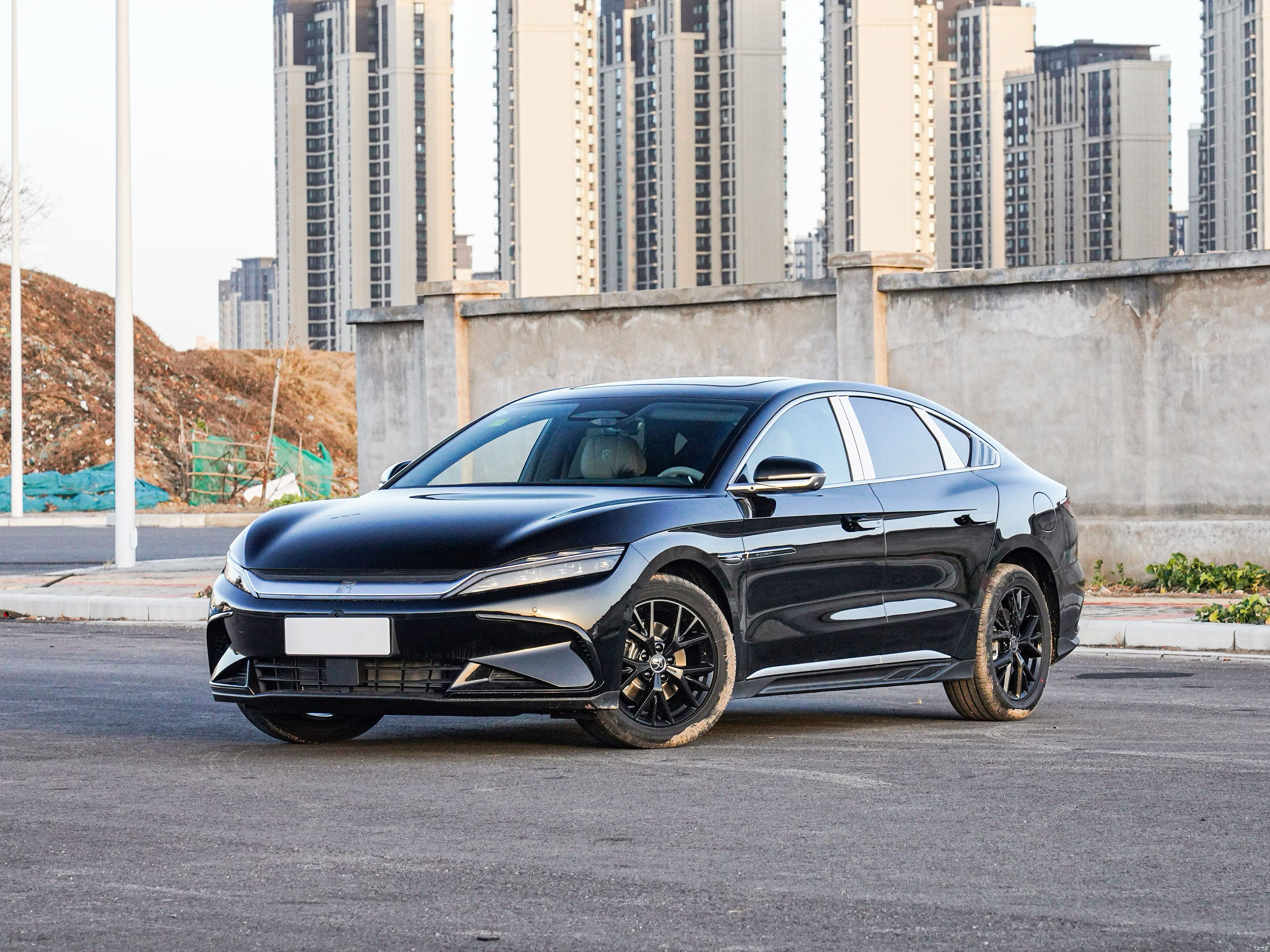
L-industrija tal-awtomobili ħadet seħħ it-trażformazzjoni straordinarja f’dawn il-bidu ta’ deċennji, bil-manifatturijiet ċiniżi li ġew bħala plejers importanti fis-suq globali għall-biljiet ċiniżi b’baxx prezz. Dawn il-manifatturijiet iżviluppaw sistemi sofistikati ta’ kontroll tal-qualità li jippermettu lilhom li jprodduku vetturi li jissodisfaw istandards internazzjonali fil-ħin li jżidu l-baxx ta’ prezz. L-approċċ għall-assuranzza tal-qualità fil-biljiet ċiniżi b’baxx prezz jinkludi proċessi ta’ manifattura komplet, protokoll ta’ test rigurożi, u metodoloġiji ta’ titjib kontinwu li jikpegħu l-affidabbiltà konstanti tal-prodott fuq il-linja kollha tal-produzzjoni.
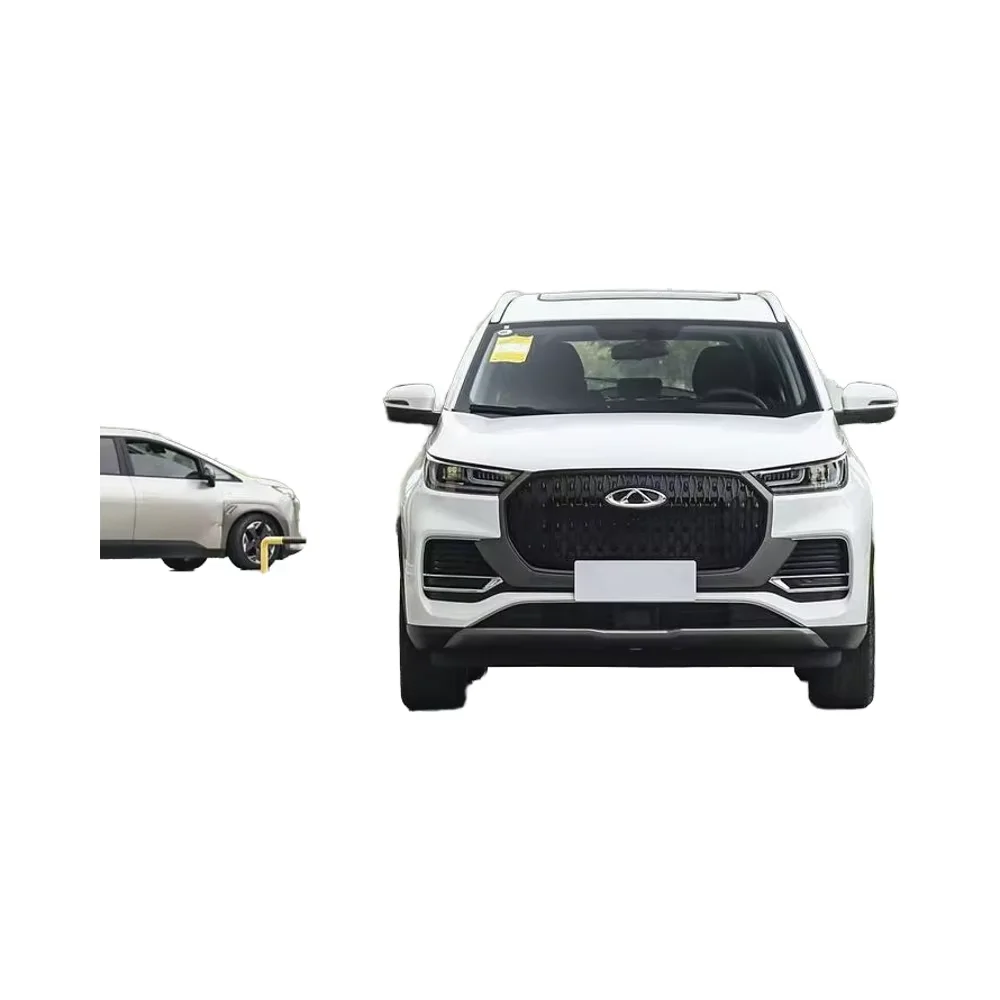
Fhim il-mekkaniżmi ta’ kontroll tal-kwalità wara l-biżut Ċiniżi jiftieku l-istudju tar-rapporti sistematiku li l-manifatturijiet jimplimentaw matul iċ-ċikli ta’ produzzjoni tagħmel. Dawn il-fraemwork ta’ ażzjoni tal-kwalità jinkludu kollox minn selezzjoni tas-suppliementi u verifika tal-materjali sal-ispezzjoni finali tal-assemblij, u t-testijiet wara l-produzzjoni. Il-manifatturijiet Ċiniżi tal-awtomobili investew b’mod sinifikanti f’taħdit teknoloġiji ta’ manifattura, sistemi ta’ awtomazzjoni, u attrezzaturi għall-monitoraġġ tal-kwalità biex jiżdammu li l-biżut Ċiniżi b’prezz baxx jippermettu l-prestazzjoni u d-durata li l-bniedem jistenni mis-sejħat moderni.
Kontrolli tal-Proċess ta’ Manifattura għall-Biżut Ċiniżi b’Prezz Baxx
Gestjoni tal-kwalità fil-katina tas-soltu
Il-manifatturi Ċiniżi ta’ karozzi Ċiniżi b’prezz ħażin jimplimentaw proċessi strikti ta’ kwalifikazzjoni tas-suppliementi li jibdew ma’ audit komprehensivi tas-suppliementi potenzjali ta’ komponenti. Dawn l-audit jievaluw il-kapaċitajiet tal-produzzjoni, is-sistemi tal-qualità, l-istabbiltà finanzjarja u l-kumpetenzji tekniki biex jiżdaġu li kull suppliement ikun jikseb il-standards ta’ qualita’ stabbiliti. Il-proċess ta’ għażla tas-suppliement ifih evalwazzjonijiet dettallati tal-installazzjonijiet tal-produzzjoni, tal-proċeduri tal-kontroll tal-qualità u tar-rekord ta’ prestazzjoni fid-distribuzzjoni ta’ komponenti li jikkonformaw mas-speċifikazzjonijiet tal-industrija tal-awtomobbili.
Il-protokolli ta' ispezzjoni tal-materjal għall-bilijiet Ċiniżi b’prezz baxx ittalbu li l-komponenti li jidħlu jiġu soġġetti għal test minn ħdejn qabel ma jintegraw fil-proċess ta' produzzjoni. Dan ifih il-verifika tad-dimensjonijiet, l-analisi tal-kompożizzjoni tal-materjal, it-test funzjonali u l-verifika tal-prestazzjoni skont is-spesifikazzjonijiet preddeterminati. Il-manifatturijiet iżda jżidu karta dettallata tas-suppliementi li ttrackja l-metriki tal-kwalità, il-prestazzjoni tad-deliverija u l-inizjattivi tat-tiżdida kontinwa biex jiżdguraw il-konsistenza tal-kwalità tal-komponenti fuq il-linja ta' produzzjoni kollha tal-bilijiet Ċiniżi b’prezz baxx.
Il-programpi tat-tiżdida it-tulija tal-suppliementi jgħinu lil manifatturijiet Ċiniżi li jibnu partenarjati qawwija mal-suppliementi tal-komponenti, bil-fokus fuq it-tiżdida kontinwa, il-proġress teknoloġiku u l-inizjattivi biex iżdaw il-kwalità. Dawn ir-relazzjonijiet kooperattivi jippermettu lis-suppliementi li jinvestitu f’equipaġġ ta’ produzzjoni aħjar, sistemi ta’ kwalità improvduti u kapacitajiet tekniki meħudin li jbenefikaw direttament il-kwalità totali tal-bilijiet Ċiniżi b’prezz baxx.
Assigurazzjoni tal-Kwalità f’Linja ta’ Produzzjoni
Il-faċilitajiet moderni ta’ produzzjoni għall-bilijiet Ċiniżi b’prezz aċċessibbli jinkorporaw sistemi avvanzati ta’ awtomazzjoni li jmonitoraw il-parametri kritiċi tal-manifattura matul il-proċess ta’ assemblijja. Dawn is-sistemi awtomatiċi ta’ kontroll tal-kwalità jittiekku b’mod kontinwu l-accuratezza dimensjonali, is-speċifikazzjonijiet tat-torq, iż-żewġa parametri u varjabbli oħra kritiċi tal-manifattura biex jiżdammu standards konsistenti ta’ kwalità fuq il-bilijiet kollha prodotti. Il-metodi tal-kontroll statistiku tal-proċess jgħinu li jidentifikaw il-problemi potenzjali bil-kwalità qabel ma jaffettwaw il-kwalità tal-bilijiet finali.
Iż-żoni ta' ispezzjoni ġewwa l-proċess madwar il-linja ta' produzzjoni jippermettu lil persunal tal-kontroll tal-kwalità li jivverifikawu li kull passaġġ ta' azzonjament jilqa' bil-istandards stabbiliti għall-bilijiet ċiniżi b’prezz baxx. Dawn iż-żoni ta' ispezzjoni jinkludu l-verifika tal-installazzjoni korretta tal-komponenti, tal-applikazzjoni korretta tat-torq, tal-applikazzjoni adegwata tas-silikon u tal-kwalità totali tal-azzonjament. Kull devjazzjoni mis-standards stabbiliti tikkawża azzjonijiet korrettivi immedjati biex tiżda ħażi l-problemi tal-kwalità li jibbraw minn staġjun ta' produzzjoni għall-ieħor.
Is-sistemi ta' dokumentazzjoni tal-kontroll tal-kwalità jasebuk kull ażzjon tal-proċess ta' manifattura għall-bilijiet Ċiniżi b’prezz raġonevoli, u jikkreaw rekord komprehensivi li jippermettu t-trakkjar flimkien mal-ħajja tal-prodott. Din id-dokumentazzjoni tinkludi n-numri tal-lotti tal-kumpunenti, iż-żmien u l-parametri tal-assembblaġġ, ir-riżultati tal-ispezzjonijiet, u kwalunkwe azzjoni korrettiva li ġiet meqjula matul il-produttur. Dawn ir-rekord dettaljati issewwdu d-dikjarazzjonijiet tal-garanzija, l-investiġazzjonijiet dwar il-kwalità, u l-inizjattivi għall-improvement kontinwu li jibbilanċjaw il-kwalità totali tal-prodott.
Pruvi u Proċeduri ta\u0217-\u0027Verifika
Protokollijiet tat-Tessjir Qabel il-Produzzjoni
Il-proġrammi tat-testijiet tal-prototipi għall-biljiet ċiniżi b’prezz biss li jista’ jinkludi l-valdazzjoni estensiva tal-kunċetti tad-disinn, il-prestazzjoni tal-kumpunenti u l-integrazzjoni tas-sistemi qabel ma tibda l-produzzjoni massiva. Dawn il-proġrammi tat-testijiet jinklużu t-testijiet tad-durabbiltà, l-evaluazzjoni tal-prestazzjoni, il-valdazzjoni tas-sigurtà u t-testijiet ambjentali f’differenter kondizzjonijiet ta’ operazzjoni. Il-biljiet prototipi jgħmelu milja ta’ mijles ta’ testijiet fuq ir-rotta f’differenter klimi, kondizzjonijiet ta’ terren u skenarji ta’ użu biex jiżżewwu l-karatteristiċi tal-prestazzjoni tagħhom.
It-testijiet bil-livell tal-kumpunent jassiguraw li l-partijiet u s-sistemi individwali jilqu bil-mekkaniżmi speċifikati tal-prestazzjoni għall-biljiet ċiniżi b’prezz biss li jista’. Dan jinkludi t-testijiet tal-ħajja aċċelerata, it-taħżin bil-bidla tat-temperatura, it-testijiet bil-vibrazzjoni u l-valdazzjoni tar-resistenza għall-korrużjoni. Il-kumpunenti elettroniċi jgħamlu t-testijiet tal-kompatibilità elettromagnetika, filwaqt li l-kumpunenti mekkaniċi jgħamlu t-testijiet tal-fatiga u l-analisi tal-isforzi biex jiżżewwu r-riljabilità u l-prestazzjoni fit-tul.
It-test tal-integrazzjoni tas-sistema jivvalida l-interazzjoni bejn is-sistemi differenti tal-bil ħajjin, b’hekk jiżda li l-biċċiet kollha jaġmlu ħidma b’mod harmoniku. Dan jinkludi t-test tal-integrazzjoni tal-powetrain, il-kompatibbiltà tas-sistema elettrika, il-funzjonalità tas-sistema tal-kumfort u l-prestazzjoni tas-sistema tas-sigurtà. It-test tal-integrazzjoni jgħin li jidentifikaw il-konflitti potenzjali bejn is-sistemi u jiżda l-prestazzjoni ottimali ġenerali tal-bil.
Verifika tal-Kwalità tal-Produzzjoni
Il-proċeduri tat-test fit-tmiem tal-linja għall-bil ħajjin ifihom it-test funzjonali komprehensiv ta' sistemi kollha tal-bil qabel ma’ jilqu mis-faċilità tal-produzzjoni. Dawn it-testijiet jiverifikaw il-prestazzjoni tal-mutur, l-opratazzjoni tat-trasmissjoni, il-funzjonalità tas-sistema tal-fren, l-opratazzjoni tas-sistema elettrika u d-dinamika ġenerali tal-bil. L-attrezzatura kompjuterizzata tat-test twettaq sekwenzi standardizzati tat-test li jiżdu l-evaluazzjoni konssistenti ta’ kull bil prodott.
Il-programpi tat-testijiet fir-rotta jinkludu d-driwwa ta’ karozzi Ċiniżi ġodda u b’prezz baxx taħt kondizzjonijiet kontrollati biex jiġu verifikati l-prestazzjoni, il-karatteristiċi tal-manwalità u l-kwalità totali. Dawn it-testijiet fir-rotta jinkludu t-testijiet tal-aċċelerazzjoni, l-evaluazzjoni tal-prestazzjoni tat-tbassir, il-verifika tar-risposta tat-tajra u l-valutazzjoni tan-nojs, iż-żibżib u l-ħoqol (NVH). Il-karozzi li jiffrakku bil-ma’ kriterji ta’ prestazzjoni stabbiliti jgħmelu inspezzjoni addizzjonali u azzjoni korrettiva qabel id-deliverija lil il-bniedem.
I-proċessi tal-audit tal-kwalità jinkludu l-istħar tal-każ ċkejken ta’ karozzi Ċiniżi b’prezz baxx li ġew ifiniti għall-inspezzjoni dettallata u t-testijiet li jidheru ħalas minn proċeduri standard ta’ tmiem tal-linja. Dawn l-audits jinkludu l-analisi tat-tqassim, l-inspezzjoni dettallata tal-komponenti u t-testijiet estiżi tal-prestazzjoni biex jiġu verifikati li l-kwalità tal-produzzjoni tibqa’ konstanti bil-ħin. Ir-riżultati tal-audit jippermettu l-inizjattivi tal-improvement kontinwu u jgħinu li jidentifikaw il-biżnissa għall-improvement tal-kwalità.
Integrazzjoni tat-Teknoloġija fil-Kontroll tal-Kwalità
Teknoloġiji Avvanzati tal-Manifattura
Is-sistemi tar-robotika għall-biżżelljar fil-lokalitajiet li jproddu karozzi Ċiniżi b’prezz b’saħħa jippermettu kwalità konstanti tal-biżżelljar permezz tal-kontroll preċiż tal-parametri tal-biżżelljar, tal-preċiżjoni tal-pożizzjoni u tar-ripetibbiltà tal-proċess. Dawn is-sistemi awtomatiċi juru l-erruri bbażati fuq il-bniedem, jimmexxu l-konstanzja tal-biżżelljar u jippermettu l-monitoraġġ fir-reał-ħin tal-kwalità tal-biżżelljar. Ir-robot avanzati għall-biżżelljar jistgħu jibdelu l-parametri awtomatikament abbażi tal-bidliet fil-materjal u tal-kundizzjonijiet ambjentali biex iżdaħħu l-kwalità ottimali tal-biżżelljar.
Iċ-ċentri tal-maħnut kontrollati bil-kompjuter jiżdummu l-preċiżjoni dimensjonali eżatta f’komponenti tal-mutur, partijiet tat-trasmissjoni u oħrajn elementi mekkaniki kritiċi ta' karozzi ċiniżi bil-prezz aċċessibbli . Dawn is-sistemi tal-maħnut iżdaħħu t-tolleranzi stretti, il-finituri tas-superfiċi konstanti u r-rilazzjonijiet ġeometriċi ħażiżi bejn il-partijiet li jinħallqu ma' xulxin. Is-sistemi awtomatiċi tal-kejl jimmexxu b’mod kontinwu l-kwalità tal-maħnut u jiwettqu azzjonijiet korrettivi meta jseħħu devjazzjonijiet.
Is-sistemi ta’ applikazzjoni tal-pintura għall-bilijiet Ċiniżi b’prezz biss jibżgħu teknoloġija avvanzata tas-spruzz, kontrolli ambjentali u proċessi awtomatiċi biex jiżdamm il-qualità konsistenti tal-pintura, il-kopertura ħażina u l-apparenza eċċellenti. Dawn is-sistemi jikkontrollaw it-thickness tal-pintura, il-maċċa tal-kulur u l-preparazzjoni tas-saħħa biex jippermettu finiżi ta’ alta qualita li jilqu l-espektattivi tal-bniedem għall-bidla u l-apparenza.
Sistemi Ċelebri ta’ Monitoraġġ tal-Kwalità
Is-sistemi ta’ b’ġbir ta’ data fir-reali f’installazzjonijiet ta’ manifattura għall-bilijiet Ċiniżi b’prezz biss jibżgħu kontinwament informazzjoni dwar iż-żmien tal-produzzjoni, metriki tal-kwalità u l-prestazzjoni tal-attrezzaturi. Dawn is-sistemi jippermettu l-identifikazzjoni immedjata tat-trendijiet tal-kwalità, il-varjazzjonijiet fil-proċess u l-problemi potenzjali qabel ma jaffettwaw il-kwalità tal-prodott. L-analisi tad-data tgħin li tidentifikaj il-każijiet ewlenin ta’ problemi tal-kwalità u tappoġġja l-inizjattivi ta’ titjib ibbażati fuq evidenza.
Applikazzjonijiet ta' intelligenza artifiċjali u ta' apprendiment bil-maquina jażżlu d-data tal-kwalità mis-sewwieqa ċiniżi b’bassa kost, biex ipprovvdu problemi potenzjali tal-kwalità, jottimizzaw iż-żmien tal-proċess, u jirrikummandaw azzjonijiet prevenenti. Dawn is-sistemi inteḷliġenti jistgħu jidentifikaw mudelli fid-data tal-kwalità li jista' ma jkunux evidenti permezz ta' metodi ta' analiżi tradizzjonali, li jippermettu mgħallma proattiva tal-kwalità u t-tiżdida kontinwa.
Is-sistemi diġitali tat-trakkjar jittrakkjaw il-kumpunenti, l-assimblijaġġi, u s-sewwieqa ċiniżi b’bassa kost imsemmija bħala prodotti finali matul il-proċess ta' manifattura, u jikkreaw rekordi diġitali kompleti li jappoġġjaw l-investiġazzjonijiet tal-kwalità, it-talba għall-garanzija, u l-biża' tal-irrikall. Dawn is-sistemi jippermettu l-identifikazzjoni ħafifa tal-bilijiet affettwati meta jiġu skuverti problemi tal-kwalità, u jappoġġjaw azzjonijiet korrettivi mirati.
It-Tiżdida Kontinwa u l-Iżżid tal-Kwalità
Integrazzjoni ta' Feedback tal-Klijent
L-istħarriġ dwar is-sodisfazzjon tal-klijenti u s-sistemi ta' ġbir ta' feedback jipprovdu għarfien siewi dwar il-prestazzjoni reali tal-karozzi Ċiniżi bi prezzijiet raġonevoli, u jenfasizzaw oqsma fejn it-titjib fil-kwalità jista' jtejjeb l-esperjenza tal-klijent. Il-manifatturi janalizzaw il-klejms tal-garanzija, ir-rekords tas-servizz, u l-ilmenti tal-klijenti biex jidentifikaw kwistjonijiet komuni u jiżviluppaw inizjattivi ta' titjib immirati. Dan l-approċċ iċċentrat fuq il-klijent jiżgura li t-titjib fil-kwalità jindirizza l-ħtiġijiet u l-preferenzi attwali tal-utent.
Il-ġbir tad-dejta taċ-ċentru tas-servizz minn attivitajiet ta' manutenzjoni u tiswija fuq karozzi Ċiniżi bi prezzijiet raġonevoli jipprovdi informazzjoni dettaljata dwar il-prestazzjoni tal-komponenti, il-modi ta' falliment, u r-rekwiżiti tas-servizz. Din l-informazzjoni tgħin lill-manifatturi jidentifikaw opportunitajiet għal titjib fid-disinn, titjib fil-materjal, u ottimizzazzjoni tal-proċess tal-manifattura. Analiżi regolari tad-dejta tas-servizz tippermetti titjib proattiv fil-kwalità qabel ma l-kwistjonijiet isiru mifruxa.
Il-panelli konsultattivi tal-bniedem u l-gruppi ta' fokus jipprovdu input dirett mis-sħab ta' karozzi ċiniżi b'bassis, dwar l-esperjenzi tagħmelhom, il-preferenzi u s-suggerimenti għall-improvement. Dawn l-interazzjonijiet jgħinu lil manifatturiji li jifhmu l-prioritajiet tal-bniedem, li jidentifikaw il-bżonnijiet li qed jinżlu u li jivvaldaw l-inizjattivi tal-improvement qabel l-implimentazzjoni. L-input tal-bniedem jiwżżdu kemm l-isforzi għall-improvement tal-kwalità fil-biża' u l-istrateġiji tal-iżvilupp tat-tul it-tul.
Il-Benchmarking u l-Aħjar Prattiċi
Studji ta' benchmarking industrijali jgħinu lil manifatturiji ta' karozzi ċiniżi b'bassis li jifhmu kif il-performancja tagħmelhom fir-rigward tal-kwalità tinqabbel ma' l-istandards globali tal-industrija tal-awtomobbili u li jidentifikaw l-opportunitajiet għall-improvement. Dawn istudji jisħqu l-metriki tal-kwalità, il-prattiċi tal-manifattura u livelli ta' sodisfazzjoni tal-bniedem biex jistabbilixxu l-bażi għall-improvement u strateġiji għall-aduzzjoni tal-aħjar prattiċi. Il-benchmarking jipprovdi miżuri obbiettivi tal-performancja tal-kwalità u jwassal l-inizjattivi strateġiċi għall-improvement tal-kwalità.
Certifikazzjoni ta’ standard internazzjonali ta’ kwalità, bħal ISO/TS 16949 għall-isistemi tal-biżness tal-kwalità tal-awtomobili, teggħmel li l-manifatturi ta’ karozzi Ċiniżi b’prezz b’saħħu jimplimentaw prattiki ta’ kwalità ta’ livell dinji madwar il-biżness tagħmel. Dawn il-certifikazzjonijiet jitlobu sistemi ċompluti tal-biżness tal-kwalità, proċessi ta’ titjib kontinwu u audit regolari minn korpi indipendenti ta’ certifikazzjoni. Il-ħarsien ta’ dawn il-certifikazzjonijiet juri l-impegg għall-eċċellenza fil-kwalità u jipprovdil il-fraemwork għat-titjib kontinwu.
Il-programi tat-trasferiment tat-teknoloġija u tal-kollaborazzjoni ma’ partners internazzjonali tal-industrija tal-awtomobili jġibbu prattiki avvanzati ta’ kwalità u teknoloġiji tal-manifattura lill-faċilitajiet tal-produzzjoni tal-biżut Ċiniżi. Din il-partnership tħeġġeġ is-seħħa tal-għarfien, l-aduzzjoni tat-teknoloġija, u l-implimentazzjoni ta’ prattiki provati tal-biżut tal-kwalità minn lideri globali tal-industrija tal-awtomobili. Ir-relazzjonijiet kollaborattivi jissuċċejju l-inizjattivi tat-tiżdida tal-kwalità u jgħinu lil manifatturji Ċiniżi li jilħqu standards ta’ kwalità ta’ livell mondjali.
GĦILQA TAL-DOMANDI
Liema miżuri speċifiċi ta’ kontroll tal-kwalità jintużaw mill-manifatturji Ċiniżi matul l-assemblijiet tal-biżut ħfifa?
Il-manifatturijiet Ċiniżi jimplimentaw sistemi ta’ inspezzjoni f’bosta punti matul il-proċess ta’ azzembla, inklużi l-monitoraġġ awtomatiku tat-torq, iż-żewġa ta’ verifika tad-dimensjonijiet, u l-metodi tal-kontroll statistiku tal-proċess. Jistgħu jużaw roboti avvanzati għal operazzjonijiet kritiċi ta’ azzembla bħall-welding u t-tiżwir, li jikpegħu l-konsistenza u jnaqqsu l-erriji umani. Kull stazzjon ta’ azzembla jinkludi passi ta’ verifika tal-kwalità bil-kriterji ta’ ħaġa li tista’ toqgħod jew le, u kwalunkwe devjazzjoni tikkawża azzjonijiet korrettivi immedjati biex tiżda l-istandards tal-kwalità fil-bilijiet Ċiniżi b’prezz baxx.
Kif iżda l-manifatturijiet il-kwalità tal-kumpunenti mis-suppliementi għall-bilijiet Ċiniżi b’prezz baxx?
Il-manifatturijiet jistabbilixxu programmi ċompliżi ta’ kwalifikazzjoni tas-suppliementi li jinklużdu audit tal-bini, evalwazzjonijiet tal-kapaċitajiet u ċertifikati tas-sistemi tal-qualità qabel ma japprovaw is-suppliementi għal komponenti ta’ karozzi Ċiniżi b’prezz baxx. Jimplimentaw protokollijiet ta’ iż-żewġa li jittestjaw il-komponenti għall-accuratezza dimensjonali, proprjetajiet tal-materjal u prestazzjoni funzjonali. Il-programmi ġdida ta’ iż-żvilupp tas-suppliementi jinklużu reviżjonijiet reġulari tal-prestazzjoni, inizjattivi għall-improvement kontinwu u proġetti kooperattivi biex jinteffettwa l-improvement tal-qualità biex jiżda ħadu ħsieb il-qualità konstanti tal-komponenti matul il-katina tas-suppliement.
Liema proċeduri tat-testing jintużaw il-manifatturijiet Ċiniżi ta’ karozzi b’prezz baxx qabel ma l-karozzi jilħqu l-bniedem?
Il-manifatturijiet jissegwu testijiet estensivi ta' pre-konsegna li jinklużdu t-testijiet funzjonali tal-linja tal-biża' ta' is-sistemi kollha tal-bil, it-testijiet fuq ir-rotta taħt kondizzjonijiet varji, u audit tal-qualità b'mod każwali b'ispezzjonijiet dettaljati. Kull bil isegwu testijiet b'kompjuter tal-prestazzjoni tal-mutur, tal-oġġu tal-biża', tas-sistemi tat-ta' u tal-funzjonijiet elettriċi. It-testijiet fuq ir-rotta jivvalidaw il-karatteristiċi tal-impiegi, il-livelli tan-nojs u d-dinamika ġenerali tal-bil. Il-proċeduri tal-audit tal-qualità jinklużu l-kampjunar statistiku għall-analisi dettaljata tal-iskluzjoni u l-valutazzjoni estesa tal-prestazzjoni biex jiżda ċ-ċertezza tal-qualità fir-produzzjoni ta' bil Ċiniżi b'bassa kost.
Kif il-manifatturijiet jużaw it-teknoloġija biex iżda l-qualità konstanti fil-bil Ċiniżi b'bassa kost?
Il-manifatturijiet jidħlu teknoloġiji avvanzati li jinkludu sistemi ta’ monitoraġġ tal-proċess fir-reał-ħin, intelligenza artifiċjali għall-analisi predittiva tal-kwalità, u sistemi diġitali ta’ trakkjar li jseħħu kull komponent matul il-produzzjoni. L-attreżzaturi awtomatizzati tal-manifattura jżommu kontroll preċiż fuq parametri kritiċi bħal is-spesifikazzjonijiet tat-taħżin, l-applikazzjoni tat-taħżin, u l-valuri tat-torq tal-assimblija. Algoritmi tal-machine learning jażżlu d-data tal-kwalità biex ipprovdunu problemi potenzjali u jirrikummandaw azzjonijiet preventivi, filwaqt li s-sistemi diġitali jippermettu risposta ħeġġa għall-devjazzjonijiet tal-kwalità u dokumentazzjoni kompletta tal-kwalità għall-bilijiet ċiniżi bil-prezz baxx.
Tabella tal- Kontenut
- Kontrolli tal-Proċess ta’ Manifattura għall-Biżut Ċiniżi b’Prezz Baxx
- Pruvi u Proċeduri ta\u0217-\u0027Verifika
- Integrazzjoni tat-Teknoloġija fil-Kontroll tal-Kwalità
- It-Tiżdida Kontinwa u l-Iżżid tal-Kwalità
-
GĦILQA TAL-DOMANDI
- Liema miżuri speċifiċi ta’ kontroll tal-kwalità jintużaw mill-manifatturji Ċiniżi matul l-assemblijiet tal-biżut ħfifa?
- Kif iżda l-manifatturijiet il-kwalità tal-kumpunenti mis-suppliementi għall-bilijiet Ċiniżi b’prezz baxx?
- Liema proċeduri tat-testing jintużaw il-manifatturijiet Ċiniżi ta’ karozzi b’prezz baxx qabel ma l-karozzi jilħqu l-bniedem?
- Kif il-manifatturijiet jużaw it-teknoloġija biex iżda l-qualità konstanti fil-bil Ċiniżi b'bassa kost?