 EN
EN
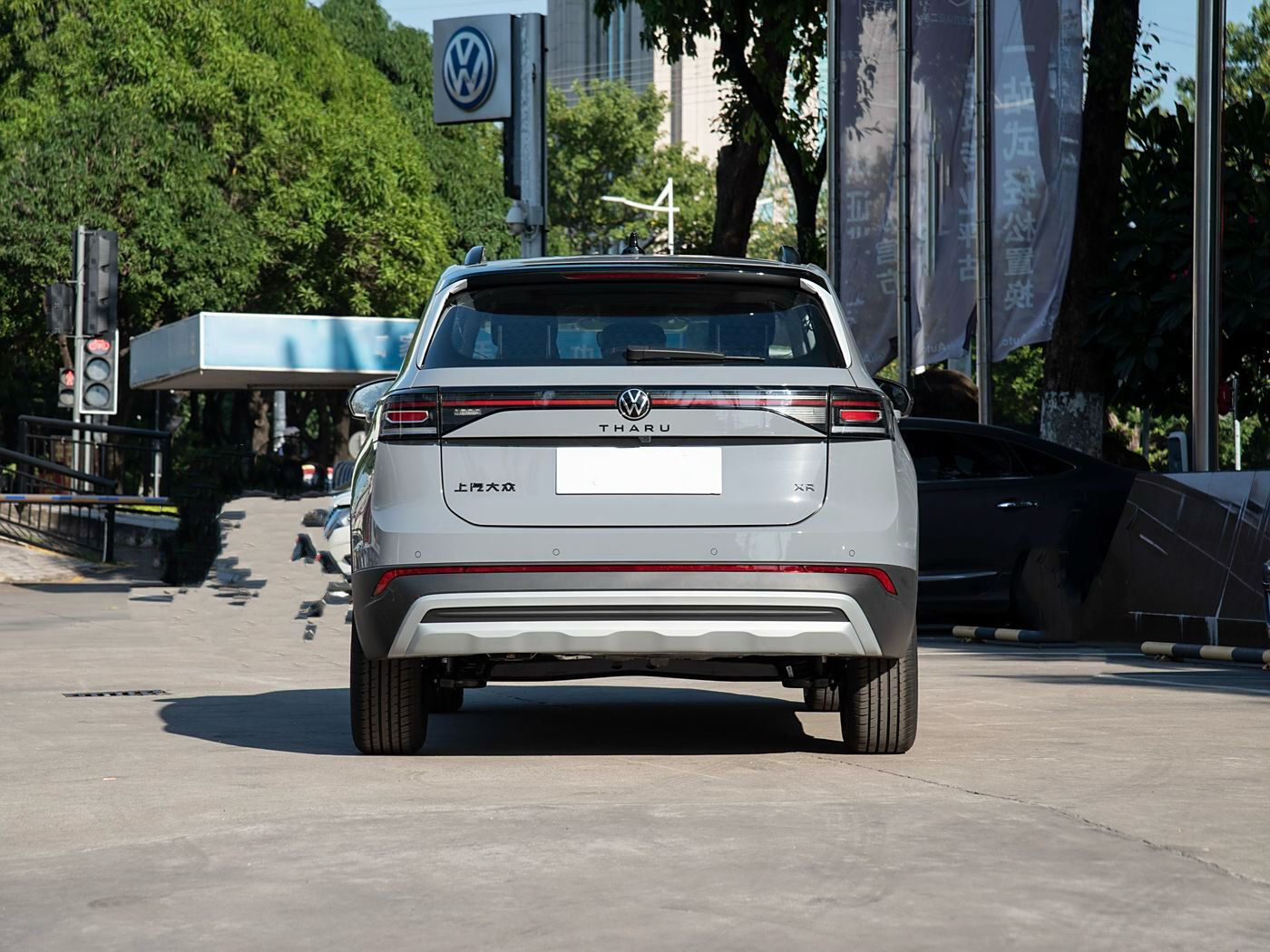
הנוף האוטומטיבי עבר התמרה דרמטית בעשורים האחרונים, כאשר כלי רכב סיניים עלו ככוח משמעותי בשוק הגלובלי. בעבר נחשבו לכלי רכב פחות איכותיים, אך כלי רכב סיניים התפתחו באופן מרשיע במונחים של איכות בנייה, חדשנות טכנולוגית ותקנים ייצוריים. התפתחות זו מעלה שאלות קריטיות לגבי האופן שבו כלי רכב אלו עומדים במדדים הבינלאומיים המוכרים, וכן האם הם מסוגלים להתחרות בכוחות האוטומטיביים המסורתיים מגרמניה, יפן והאיחוד האירופי.
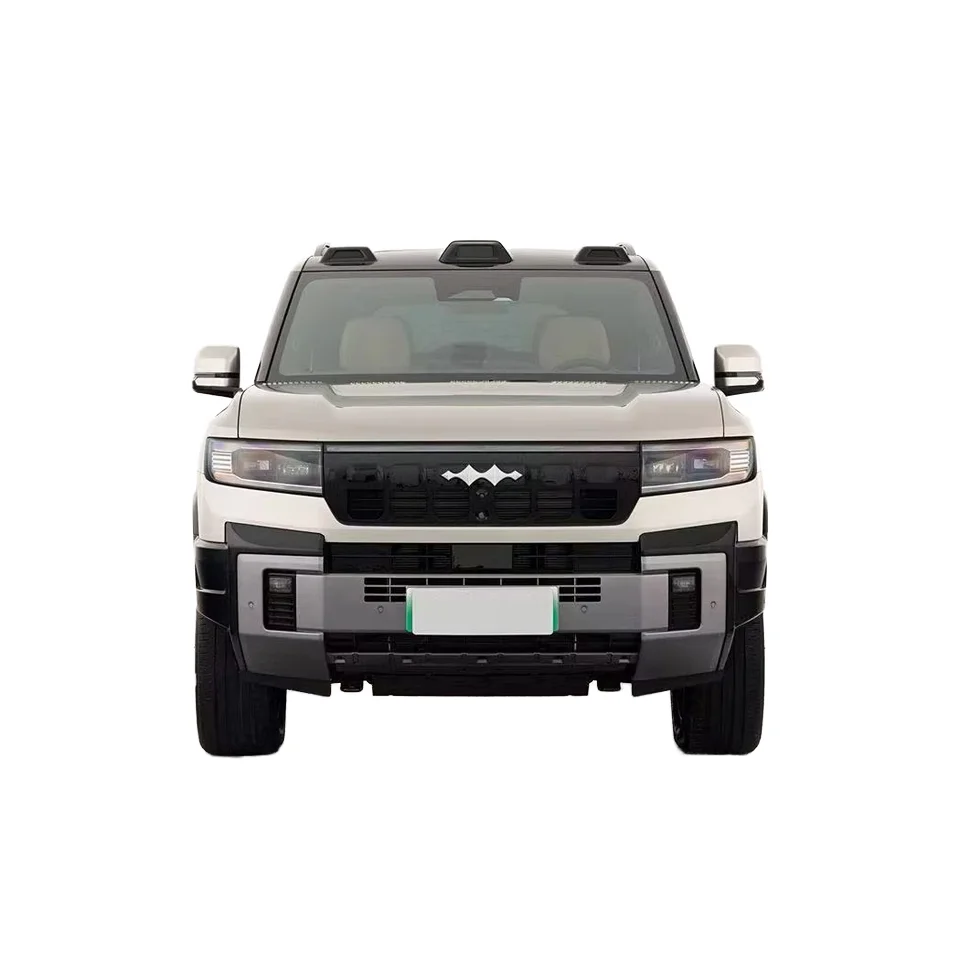
הבנת ההשוואה באיכות בין מכוניות סיניות לסטנדרטים האוטומטיים הגלובליים דורשת בחינה של ממדים מרובים, כולל דירוגי בטיחות, תהליכי ייצור, אינטגרציה טכנולוגית ומדדי אמינות לטווח ארוך. מכוניות סיניות מודרניות עשו צעדים גדולים בהגעה לקצה הפער באיכות, ומספר יצרנים השיגו אישורים בינלאומיים והכרה. עם זאת, ההשוואה נותרת מורכבת, וכוללת הן מדידות אובייקטיביות והן תפיסות סובייקטיביות שנוצרו לאורך עשורים של מיקום שוק וחווית הצרכן.
סטנדרטי ייצור ומערכות בקרת איכות
טכנולוגיות קו ייצור ואוטומציה
התשתית היצרנית שמתמיכה במכוניות סיניות עברה מודרניזציה נרחבת, הכוללת רובוטיקה מתקדמת ומערכות הנדסת דיוק השוות לאלו שנמצאות בשווקים האוטומobiliים המוכרים. יצרנים סיניים מובילים השקיעו מיליארדים במרחבי ייצור מתקדמים ביותר שמשתמשים באותם ספקים ובטכנולוגיות כמו אלו של עמיתיהם הבינלאומיים. למרכבים אלו לעתים קרובות רמות אוטומציה גבוהות יותר מאשר במפעלים ישנים באירופה או באמריקה, מה שתרם להשגת עקביות משופרת ופחת שגיאות אנושיות בתהליך היצור.
מערכות בקרת האיכות במפעלי הרכב הסיניים אימצו תקנים בינלאומיים כגון ISO 9001 ו- TS 16949, מה שמבטיח גישות שיטתיות למניעת פגמים ושיפור מתמיד. מתקנים רבים משתמשים בשיטות בקרת תהליכים סטטיסטית ובמערכות ניטור בזמן אמת שמעקבות על אלפי פרמטרי איכות לאורך מחזור הייצור. יישום עקרונות ייצור רזה (Lean Manufacturing) ושיטות Six Sigma עודד את האמינות והעקביות של כלי הרכב הסיניים שיוצאים מהקווי ייצור.
אינטגרציה של שרשרת האספקה ואיכות הרכיבים
אקווסיסטם שרשרת האספקה שמתמוך במכוניות סיניות התפתח כדי לכלול גם ספקים פנימיים וגם יצרני רכיבים בינלאומיים מדרגה ראשונה. גישה היברידית זו מאפשרת לייצרני הרכב הסיניים לנצל את היתרונות בהוצאות, תוך שמירה על גישה לטכנולוגיות מוכחות ולרכיבים באיכות גבוהה. ספקי רכיבים בינלאומיים גדולים כמו בוש, קונטיננטל ודנסו הקימו פעילויות משמעותיות בסין, ומביאים ישירות לרשת הייצור של המכוניות הסיניות את סטנדרדי האיכות והמומחיות שלהם.
מערכת מעקב אחר רכיבים ותוכניות ביקורת ספקים הפכו לנהלים סטנדרטיים בקרב יצרנים סיניים מובילים, מה שמבטיח כי הרכיבים והחומרים עומדים בדרישות האיכות המוגדרות לפני שיכללו ברכבים. אימוץ תוכניות פיתוח ספקים גם תרם להגבהת היכולות של יצרני הרכיבים המקומיים, וייצר בסיס אספקה חזק ואמין יותר למכוניות סיניות. הגישה השיטתית זו לניהול שרשרת האספקה תרמה באופן משמעותי לשיפור האיכות הכולל שנצפה בשנים האחרונות.
ביצועי בטיחות ותקנים בינלאומיים לבדיקות
תוצאות בדיקות התנגשות ודירוגי בטיחות
ארגונים עצמאיים לבדיקות בטיחות סיפקו מדדים אובייקטיביים של ביצועי כלי הרכב הסיניים לעומת סטנדרטי הבטיחות הגלובליים. תוכנית הערכת כלי רכב חדשים בסין (C-NCAP) יישמה את פרוטוקולי הבדיקה שלה בהתאם לסטנדרטים הבינלאומיים, ומספר דגמים סיניים עברו גם בדיקות על ידי Euro NCAP, IIHS וארגונים מוסמכים אחרים בתחום הבטיחות. התוצאות של בדיקות אלו מראות שדגם совремי של כלי רכב סיניים מצליחים יותר ויותר להשיג דירוגי בטיחות של ארבעה וחמישה כוכבים, מה שממחיש שיפור משמעותי באינטגרITY המבנית ובהגנה על הנוסעים.
תכונות בטיחות מתקדמות כגון בלימה חירומית אוטומטית, אזהרת סטיה מהנתיב והבקרה האלקטרונית על יציבות הרכבת הפכו לציוד סטנדרטי ברוב רכבים סיניים, ומשווים או עולים על טכנולוגיות הבטיחות המוצעות ברכבים משווקים בשווקים האוטומobiliים המסורתיים. שילוב מערכות אלו משקף לא רק את היכולת הטכנולוגית אלא גם את ההתחייבות לקיים את ציפיות הצרכנים הגלובליות לבטיחות רכב. נתוני בדיקות התנגשות מצביעים על כך שרכבים סיניים פתרו במידה רבה את פערים בבטיחות שהיו קיימים בדורות הראשונים של רכבים.
התאמה לתקנות ואישורי תהליך ההסמכה
יצרני רכב סיניים הראו את יכולתם לעמוד בדרישות התקנות הבינלאומיות החמורות באמצעות תהליכי הסמכה מוצלחים בשווקים מרובים. רכבים סיניים המכוניות המיוצרות בסין ומיועדות ליצוא לשוק האירופאי חייבות לעמוד בדרישות ההומולוגציה המורכבות שמתמקדות בהפלטות, בטיחות ותאימות אלקטרומגנטית. הצלחת יצרני הרכב הסיניים בניהול תהליכי האישור הללו מעידה על כך שתקנים של איכות הייצור וההנדסה שלהם הגיעו לרמה המספיקה כדי לקיים את מסגרות התקנות המאתגרות.
ההתאמות לסביבה מייצגות ממד נוסף שבו צברו מכוניות סיניות התקדמות משמעותית: דגמים רבים עומדים בתקנים האירופיים להפלטות (Euro 6) או חורגים מהם, ומקבלים דירוגי חיסכון בדלק חיוביים. הפיתוח של תוכניות נרחבות לבדיקות ואישורים אפשר ליצרני רכב סיניים להוכיח התאמה לסטנדרטים בינלאומיים מגוונים תוך שמירה על מבנה מחירים תחרותי. הצלחה רגולטורית זו מהווה עדות מוחשית לשיפור באיכות ולמימוש הבוגר של יכולות הייצור.
חדשנות טכנולוגית ואינטגרציה של תכונות
טכנולוגיית רכב חשמלי וביצועי סוללות
קטע הרכבים החשמליים מייצג תחום שבו רכבים סיניים השיגו עמדה תחרותית חזקה במיוחד ביחס לסטנדרטים העולמיים. יצרנים סיניים פיתחו מערכות מתקדמות لإدارة הסוללות, טכנולוגיות טעינה ומערכות הנעה חשמליות שמתוכן לעיתים קרובות עולה ביצועים טובים יותר מאשר ברכבים מהשווקים האוטומobiliים המסורתיים. האינטגרציה של טכנולוגיות סוללות ליתיום-יון מתקדמות ומערכות קירור חדשניות אפשרה לרכב הסיני להשיג יכולות מרשים במונחי טווח ומהירות טעינה.
מדדי האיכות למכוניות סיניות חשמליות כוללים את עמידות הסוללה, יעילות הטעינה והאמינות הכוללת של המערכת – תחומים שבהם יצרני סין השקיעו כבדות במחקר ופיתוח. נתוני ביצועים מהעולם האמיתי משווקים שבהם פועלות רכבים אלו מראים ביצועים תחרותיים או מעולים בתחומים מרכזיים כגון צפיפות אנרגיה, מהירות טעינה וניהול חום. ההתקדמות המהירה בטכנולוגיית הרכבים החשמליים העניקה לייצרנים הסיניים הזדמנות לקבוע את מובילי האיכות בקטע אוטומוטיבי קריטי זה.
מערכות בידור ותאימות
מכוניות סיניות מודרניות נוטות לתאר את מערכות הבידור והקישוריות המתקדמות שמתחרות או עולמות את אלו שנמצאות ברכב יוקרה של יצרנים מוכרים. האינטגרציה של בינה מלאכותית, זיהוי דיבור ויכולת לעדכון דרך האינטרנט (OTA) משקפת את המורכבות הטכנולוגית שהפכה לאופיינית לעיצוב רכב סיני עכשווי. מערכות אלו מציעות בדרך כלל פונקציונליות מקיפה יותר ומהירות עיבוד גבוהה יותר בהשוואה למערכות דומות ברכבים משווקים מסין מסורתיים.
עיצוב ממשק המשתמש והתגובה של המערכת במכוניות סיניות נהנו מהניסיון הרב של חברות טכנולוגיה סיניות בתחום האלקטרוניקה הצרכנית ויישומי הסמרטפון. האינטגרציה הרציפה של חיבור לסמרטפון, מערכות ניווט ותכונות בידור יוצרת חוויית משתמש שברוב המקרים עולה על ציפיות הצרכן בהתאם לנקודת המחירים של הרכבת. מדדי האיכות למערכות אלו כוללים אמינות, תדירות עדכונים ומלאי התכונות – תחומים שבהם מכוניות סיניות הקימו יתרונות תחרותיים.
מדדי אמינות וביצועים לאורך זמן
בדיקות עמידות ותוכניות אימות
תוכניות ניסויי עמידות מקיפות הפכו לנהלים סטנדרטיים בין יצרני רכב סיניים, עם הליכי אימות שברוב המקרים חורגים מהדרישות הניתנות לרכב בשווקים מוכרים. תוכניות אלו כוללות ניסויי התיישנות מאיצים, חשיפה לאקלים קיצוני ומחזורי אימות של מרחק רב, אשר נועדו להבטיח שרכבים סיניים ישמורו על ביצועיהם ועל אמינותם לאורך תקופות שירות ממושכות. יישום פרוטוקולי הניסויים הללו משקף מחויבות להשגת סטנדרטים איכותיים ארוכי טווח השווים למדדים הבינלאומיים.
נתוני ביצועים בשטח משווקים שבהם רכבים סיניים פעלו במשך תקופות ממושכות מספקים תובנות לתכונות האמינות במציאות. ניתוח של טענות על אחריות, תדירות השירות ודרגות כשל רכיבים מצביע על כך שרכבים סיניים מודרניים השיגו רמות אמינות שמתקרבות או שוות לאלו של רכבים מייצרנים מסורתיים. השיפור הרציף במדדים אלו מדגים את היעילות של תוכניות שיפור האיכות ושיפורי תהליכי הייצור שהטילו יצרני הרכב הסיניים.
הבטחת כיסוי ותמיכה בשירות
תוכניות האחריות שהוציעו יצרני רכב סיניים לרוב מספקות כיסוי מקיף יותר מאשר התוכניות הזמינות ממותגים אוטומobiliים מוכרים, מה שמשקף את הביטחון באיכות ובאימוניות של המוצרים. תקופות אחריות מורחבות, כיסוי מקיף של רכיבים ורשתות שירות מהירות מדגימות את התחייבותם של יצרני רכב סיניים לתמיכה שביעות הרצון האורכת של הלקוחות. תוכניות האחריות הללו משרתות הן כאינדיקטורים לאיכות והן כגורמים להבחנה תחרותית בשווקים הגלובליים.
תוכניות פיתוח רשת השירות ותוכניות הכשרה לטכנאים התפתחו כדי לתמוך בהתרחבות הגלובלית של כלי הרכב הסיניים, ומבטיחות שתקנים איכותיים יחולו לא רק בתהליך הייצור אלא גם לתמיכה לאחר המכירה. הקמת יכולות שירות בינלאומיות ורשתות הפצת חלפים מהווה עדות לגישה השיטתית שאמצה התעשייה הסינית בבניית אקוסיסטמים איכותיים מקיפים. מבנים תומכים אלו מהווים רכיבים חיוניים ביחס האיכותי הכולל שמציעים כלי הרכב הסיניים בשווקים גלובליים תחרותיים.
השעיה בשוק והקבלת הצרכן
הצבת המותג והשעיה באיכות
הה Percיפציה של הצרכנים באיכות הרכבים הסיניים התפתחה באופן משמעותי, כשמétrיקות הביצועים האובייקטיביות השתפרו והניסיון במציאות סיפק ראיות לאמינות ולמורכבות משופרות. מחקרי שוק מצביעים על כך שהה Percיפציה באיכות מבוססת יותר ויותר על ניסיון ישיר ולא על דעות קדומות, וצרכנים מזהים את ערך ההצעה שמספקים הרכבים הסיניים המודרניים. הפער בין האיכות הנרגשת לאיכות הממשית ממשיך להężר ככל שיותר צרכנים מקבלים חשיפה לרכב מהדור הנוכחי.
מבקרים מקצועיים בתחום הרכב ומנתחי תעשייה ציינו שיפורים משמעותיים באיכות היצור, בתכולת התכונות ובהשדרוג הכללי של כלי רכב סיניים מודרניים. הערכות עצמאיות מדגישות לעיתים קרובות את ערכי המכר המתחרים או העליונים שמציעים כלי רכב אלו, במיוחד בהשוואה לתכולת התכונות ולשילוב הטכנולוגיה בנקודות מחיר שקולות. הכרה מקצועית זו תרמה לשינוי דעות הצרכנים ולקבלתם בשווקים הבינלאומיים.
ביצועי השווקים החיצוניים והקבלה בהם
הצלחתן של מכוניות סיניות בשווקי יצוא תובעניים מספקת ראיות קונקרטיות לשיפורים באיכות ולמיצוב תחרותי ביחס לסטנדרטים עולמיים. שווקים עם צרכנים מתוחכמים ודרישות רגולטוריות מחמירות קיבלו יותר ויותר מכוניות סיניות, כאשר נפחי המכירות ועלייה בנתח השוק מצביעים על אמון גובר באיכות המוצר. היכולת להתחרות בהצלחה בשווקים אלה מדגימה שתקני האיכות הגיעו לרמות מספקות כדי לספק לקוחות בעלי ערך רב.
ניתוח תחרותי בשווקי היצוא מראה שמכוניות סיניות מציעות לעתים קרובות תוכן תכונות ושילוב טכנולוגיה עילית בהשוואה לחלופות במחירים דומים של יצרנים מסורתיים. עמדת התחרות הזו משקפת לא רק יתרונות עלות ייצור, אלא גם שיפור אמיתי באיכות והיכולת לחדש שהושגו על ידי חברות הרכב הסיניות. הגידול המתמשך בנפחי היצוא מצביע על כך ששיפור האיכות הראשוני נשמר והשתפר עם הזמן.
שאלות נפוצות
האם מכוניות סיניות אמינות באותה מידה כמו מכוניות יפניות או גרמניות?
המכוניות הסיניות המודרניות השיגו רמות אמינות שמתקרבות לאלו של יצרני רכב מוכרים, ונתוני תביעות בתקופת האחריות והמדדים לביצועים לטווח ארוך מראים שיפור משמעותי על הדורות הקודמים. אם כי כלי הרכב היפניים והגרמנים ממשיכים לשמור על מוניטין חזק באיכות ובאמינות, הפער הצטמצם במידה רבה, וחלק מהדמויות הסיניות משיגות כיום ציונים באימונות שווים או עדיפים בבדיקות עצמאיות. הגורם המרכזי הוא בחירת דגמים מייצרנים מוכרים עם רשומות הוכחה ומערכות בקרת איכות מקיפות.
איך מכוניות החשמל הסיניות עולמות לעומת טסלה ומותגים אחרים של מכוניות חשמל פרמיום?
רכבים חשמליים סיניים לרוב מתאימים או עולים על מאפייני הביצועים של מותגים יוקרתיים של רכבים חשמליים בתחומים כגון טווח נסיעה, מהירות הטעינה והשלבון של תכונות. רבים מהרכבים הסיניים מציעים טכנולוגיית סוללות תחרותית, מערכות מתקדמות לעזרת הנהג ויכולות בידור-ترفيות מורכבות במחירי כניסה נמוכים יותר. בדיקות עצמאיות הראו שדגמים מובילים של רכבים חשמליים סיניים משיגים מדדי ביצועים השווים לאלו של טסלה ומותגים יוקרתיים אחרים, תוך שהם מספקים לעיתים קרובות הצעות ערך עליונות.
באילו תקני בטיחות עומדים הרכבים הסיניים בשווקים הבינלאומיים?
רכבים סיניים שמיוצאים לשוק הבינלאומי חייבים לעמוד בתקנים החמורים של בטיחות שחלים גם על רכבים מכל יצרן אחר, כולל Euro NCAP, IIHS ודרישות בטיחות אזוריות אחרות. רבים מהרכבים הסיניים קיבלו דירוגי בטיחות של ארבעה וחמישה כוכבים בבדיקות עצמאיות, מה שמוכיח את התאמה לתקנים הבינלאומיים לבטיחות. תהליך האישור הרגולטורי מבטיח שרכבים מיוצאים עומדים בדרישות הבטיחות של שווקי היעד שלהם או עולים עליהן.
באיזו דרך השתפרה איכות הרכבים הסיניים בעשורים האחרונים?
איכות הרכבים הסיניים השתפרה באופן דרמטי באמצעות השקעות בטכנולוגיות מתקדמות לייצור, שותפויות עם ספקים בינלאומיים ומערכות מקיפות לבקרת איכות. רכבים סיניים מודרניים מאפיינים הנדסת מתקדמת, חומרים פרימיום ואינטגרציה של טכנולוגיות מתקדמות שמתחרות באיכותן. מוצרים מהיצרנים המוכרים. הערכות איכות עצמאיות מראות שיפורים מדידים באיכות היצור, במדדי הנאמנות ובשיקום הכולל בהשוואה לדורות הראשונים של רכבים סיניים.