
 EN
EN
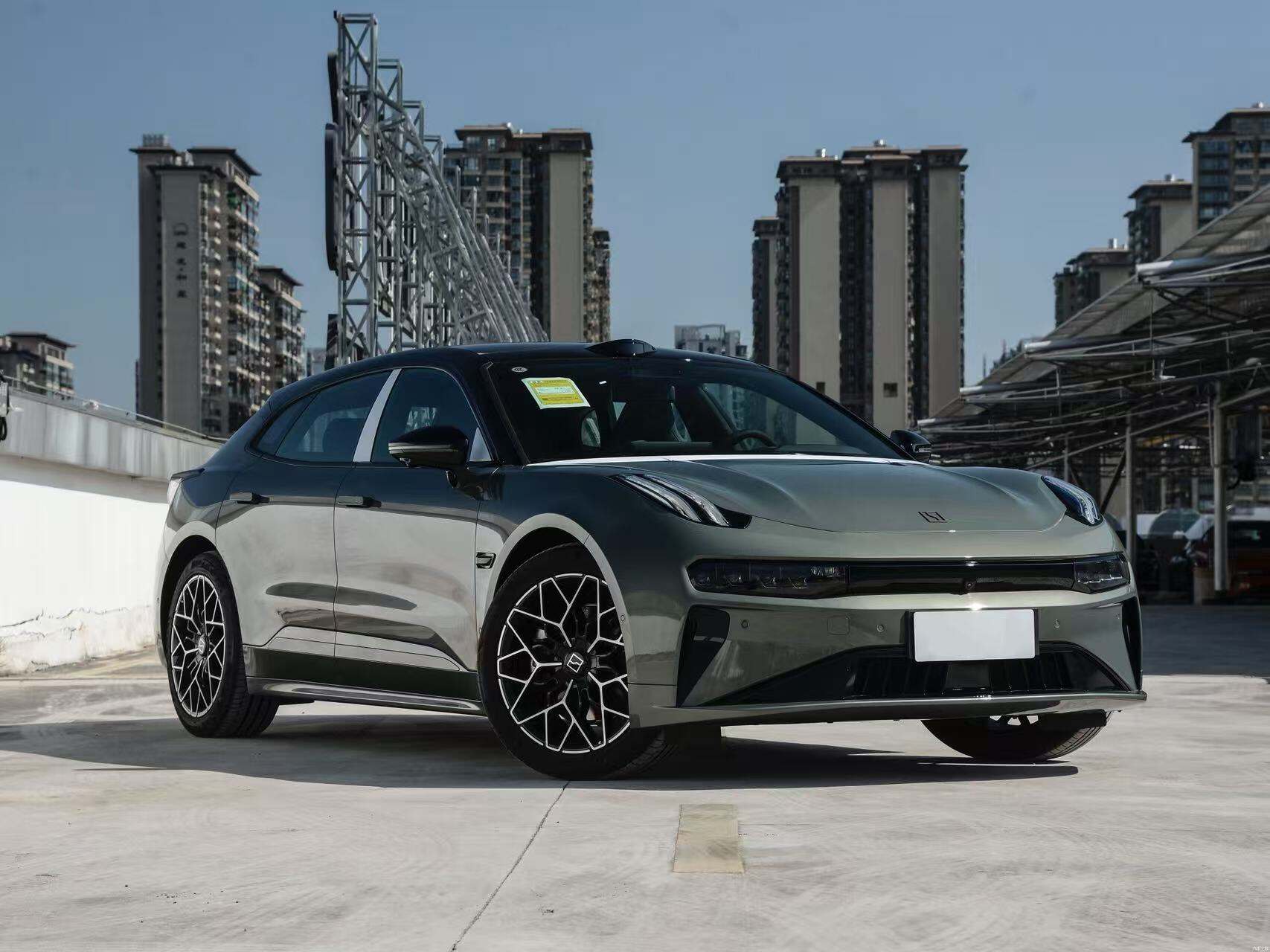
Urban transportation systems worldwide face mounting pressure from congestion, air pollution, and climate commitments. Cities are turning to new energy vehicles as a strategic solution to these interconnected challenges. New energy vehicles represent more than a technological shift; they embody a fundamental rethinking of how people and goods move through dense metropolitan areas. The rise of new energy vehicles is reshaping urban transit by addressing environmental imperatives while delivering economic advantages that traditional combustion engines cannot match.

The transformation driven by new energy vehicles extends beyond individual vehicle choices to influence urban planning, energy infrastructure, and public policy frameworks. Municipal governments recognize that new energy vehicles offer pathways to meet carbon reduction targets while improving quality of life for residents. This article examines why new energy vehicles are becoming central to urban transportation futures, exploring the environmental, economic, and infrastructural factors that make them indispensable to modern city mobility strategies.
Environmental Imperatives Driving New Energy Vehicle Adoption
Air Quality Improvements in Dense Urban Centers
Urban air pollution remains a critical public health concern, with transportation accounting for significant portions of particulate matter and nitrogen oxide emissions in cities. New energy vehicles eliminate tailpipe emissions entirely, directly improving local air quality in neighborhoods with heavy traffic concentration. Cities implementing new energy vehicles in public transit fleets report measurable reductions in respiratory illness rates and emergency room visits related to air quality. The immediate health benefits of new energy vehicles make them compelling for municipal decision-makers facing public pressure to address pollution hotspots.
The shift to new energy vehicles produces quantifiable improvements in urban air quality metrics within relatively short timeframes. Unlike gradual efficiency improvements in combustion engines, new energy vehicles deliver step-change reductions in harmful emissions. This makes new energy vehicles particularly valuable in cities struggling to meet national or international air quality standards. The concentrated benefits of new energy vehicles in high-density areas create positive feedback loops, encouraging further adoption as residents experience tangible quality-of-life improvements.
Carbon Reduction and Climate Commitments
Cities globally have established ambitious carbon neutrality targets, with transportation sectors representing major emission sources requiring transformation. New energy vehicles provide municipalities with practical tools to achieve these commitments while maintaining mobility levels. As electrical grids incorporate increasing renewable energy shares, new energy vehicles become progressively cleaner throughout their operational lifespans. This contrasts sharply with combustion vehicles, which remain tied to fossil fuel emissions regardless of grid improvements.
The climate case for new energy vehicles strengthens as urban energy systems evolve toward renewable sources. Cities investing in solar, wind, and other clean generation amplify the environmental benefits of new energy vehicles through synergistic effects. Municipal fleet conversions to new energy vehicles demonstrate leadership on climate action while creating demand signals that accelerate market development. The alignment between new energy vehicles and broader decarbonization strategies makes them central to long-term urban sustainability planning.
Economic Advantages Reshaping Urban Mobility Economics
Total Cost of Ownership Benefits
The economic case for new energy vehicles has shifted dramatically as battery costs decline and fuel price volatility persists. Fleet operators in urban environments increasingly recognize that new energy vehicles deliver lower total cost of ownership despite higher initial purchase prices. Maintenance requirements for new energy vehicles are substantially reduced compared to combustion engines, with fewer moving parts and no need for oil changes, transmission servicing, or exhaust system repairs. These savings accumulate significantly over vehicle lifespans, particularly for high-utilization urban fleets.
Urban delivery services, ride-sharing operators, and municipal vehicle fleets benefit especially from the operational economics of new energy vehicles. The cost per kilometer for new energy vehicles continues declining as electricity remains cheaper than gasoline or diesel in most markets. Businesses operating in urban centers find that new energy vehicles reduce unpredictable fuel cost exposure while simplifying fleet management. The economic advantages of new energy vehicles become more pronounced in cities with high fuel taxes or congestion charges that favor zero-emission vehicles.
Infrastructure Investment and Job Creation
The transition to new energy vehicles catalyzes substantial infrastructure development within urban areas, creating employment opportunities while modernizing city systems. Charging network deployment requires electrical contractors, civil engineers, and ongoing maintenance personnel. Cities investing in new energy vehicles simultaneously invest in workforce development and local economic activity. The infrastructure supporting new energy vehicles integrates with smart city initiatives, creating additional value through data connectivity and grid management capabilities.
Urban governments view new energy vehicles as economic development tools beyond their transportation function. Manufacturing facilities, service centers, and technology development related to new energy vehicles concentrate in metropolitan regions with supportive policies. Cities positioning themselves as early adopters of new energy vehicles attract investment from automotive and technology sectors seeking demonstration environments. The economic ecosystem surrounding new energy vehicles generates multiplier effects that extend beyond direct vehicle sales or charging infrastructure installation.
Infrastructure Integration and Smart City Development
Charging Networks as Urban Energy Assets
The infrastructure supporting new energy vehicles represents more than simple refueling replacement; it functions as distributed energy assets capable of grid interaction. Urban charging networks for new energy vehicles can provide demand response capabilities, load balancing, and even emergency power during outages. This bidirectional potential transforms new energy vehicles from passive consumers into active participants in urban energy systems. Cities planning for new energy vehicles increasingly consider charging infrastructure as integral to resilient, flexible electrical grids.
The geographic distribution of charging infrastructure for new energy vehicles influences urban development patterns and land use decisions. Residential charging for new energy vehicles requires different infrastructure approaches than commercial or public charging, prompting cities to update building codes and zoning regulations. Workplace charging for new energy vehicles creates incentives for employers while reducing peak-hour grid stress. The spatial planning required for new energy vehicles encourages comprehensive thinking about transportation, energy, and urban form.
Data Integration and Mobility Management
New energy vehicles generate operational data that cities can leverage for transportation planning and system optimization. Connected new energy vehicles provide real-time information about traffic patterns, charging demand, and route preferences. This data enables dynamic management of urban mobility systems in ways impossible with conventional vehicles. Cities utilizing new energy vehicles in public fleets gain insights that inform broader transportation policy decisions and infrastructure investments.
The integration of new energy vehicles with smart city platforms creates opportunities for coordinated mobility services. Shared new energy vehicles can be optimally positioned based on predicted demand patterns, reducing empty vehicle movements and parking requirements. Transit agencies operating new energy vehicles benefit from predictive maintenance capabilities that minimize service disruptions. The information ecosystems enabled by new energy vehicles support more efficient, responsive urban transportation networks.
FAQ
What makes new energy vehicles more suitable for urban environments than rural areas?
New energy vehicles excel in urban settings due to shorter average trip distances, readily available charging infrastructure, and greater environmental impact from reduced emissions in densely populated areas. Urban driving patterns with frequent stops and starts favor the regenerative braking systems in new energy vehicles, improving efficiency. Cities also typically offer incentives, dedicated lanes, and parking benefits that enhance the practical advantages of new energy vehicles for urban residents and fleet operators.
How do new energy vehicles address urban noise pollution concerns?
New energy vehicles operate nearly silently compared to combustion engines, significantly reducing urban noise pollution levels. This acoustic benefit improves quality of life in residential neighborhoods and commercial districts while reducing noise-related health impacts. Cities with high penetrations of new energy vehicles report measurably quieter street environments, particularly noticeable during low-speed operation and idling situations where combustion engines are loudest.
What infrastructure challenges must cities overcome to support widespread new energy vehicle adoption?
Cities must expand electrical grid capacity in areas with concentrated charging demand, install charging infrastructure in both public and private spaces, and update building codes to require charging readiness in new construction. Equitable access to charging for residents without private parking requires creative solutions like curbside charging or neighborhood charging hubs. Successful new energy vehicle integration demands coordination between utilities, urban planners, and transportation agencies to ensure infrastructure development keeps pace with vehicle adoption rates.