
 EN
EN
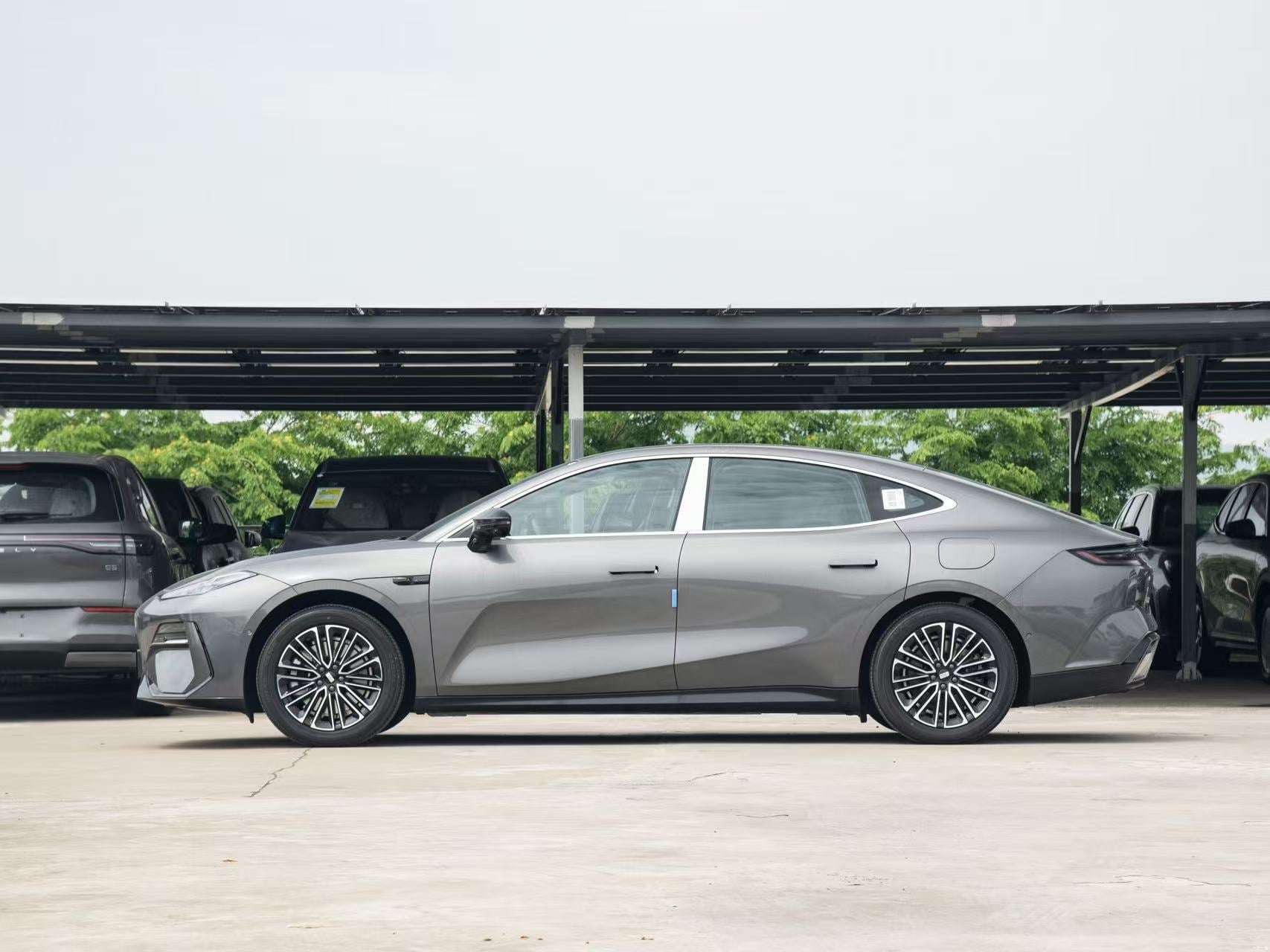
Making a smart car purchase decision is one of the most impactful steps an African business can take. Whether you are equipping a small enterprise with a single delivery vehicle or expanding a corporate fleet, every car purchase carries financial, operational, and strategic weight. Understanding what to evaluate before committing to a car purchase can mean the difference between a wise investment and a costly mistake that drains business resources for years.
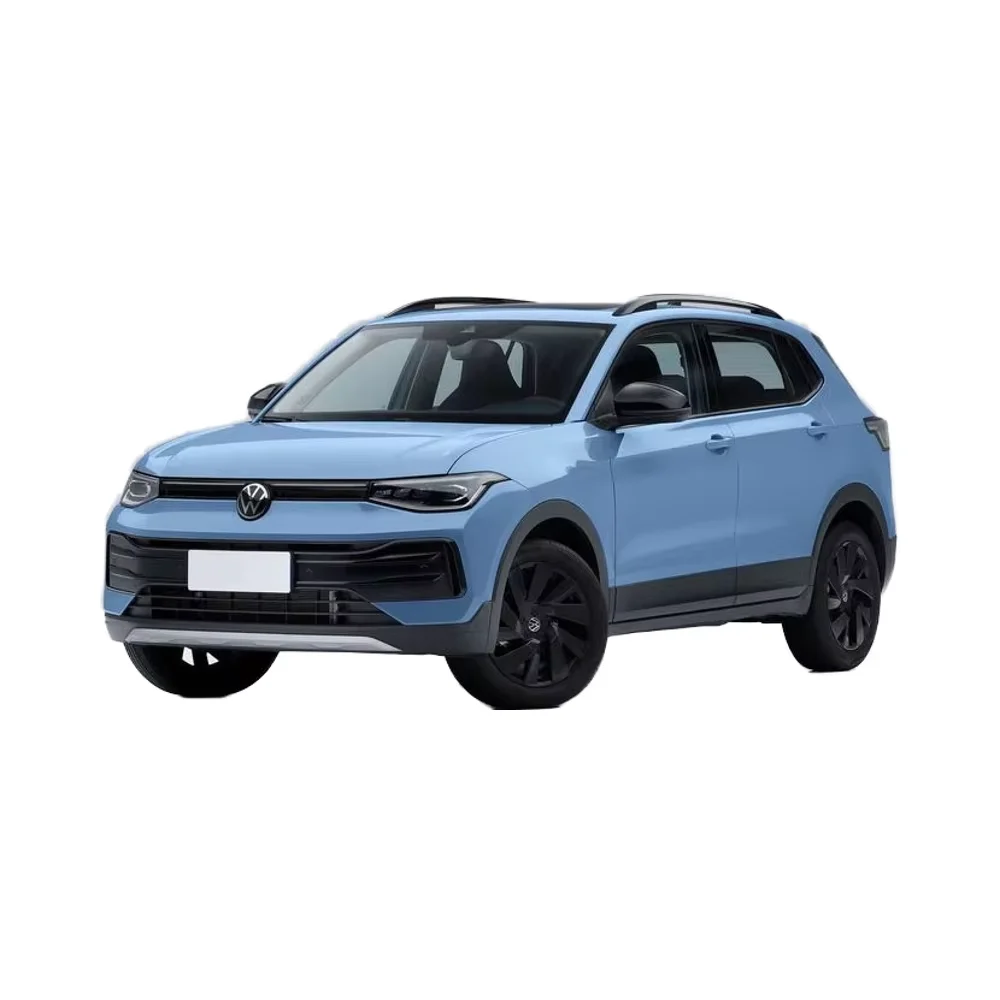
Across Africa, business conditions vary dramatically — from urban commercial centres with paved roads to rural areas with challenging terrain. This diversity means that a car purchase decision cannot be made using a one-size-fits-all approach. Instead, businesses must carefully assess their operational context, financial capacity, and long-term goals before finalising any car purchase. This article outlines the most important factors every African business should consider to make a confident and well-informed car purchase.
Financial Planning for a Business Car Purchase
Setting a Realistic Car Purchase Budget
The foundation of any successful car purchase is a clearly defined budget. Before approaching a dealership or supplier, African businesses should calculate not just the upfront car purchase cost but also the total cost of ownership. A car purchase involves expenses beyond the purchase price, including insurance, fuel, maintenance, registration fees, and potential financing interest. Understanding the full financial picture ensures that a car purchase does not strain business cash flow or limit investment in other critical areas.
Many businesses make the mistake of focusing solely on the initial car purchase price without accounting for ongoing operational costs. A cheaper car purchase may appear attractive upfront but could result in higher fuel consumption and more frequent repairs. Businesses should compare multiple car purchase options using a total-cost-of-ownership framework, not just the sticker price. This disciplined approach makes every car purchase a strategic financial decision rather than an impulsive one.
Financing Options for a Car Purchase in Africa
In many African markets, outright payment for a car purchase is not always practical. Businesses should explore financing options such as hire purchase agreements, lease arrangements, and business vehicle loans before committing to a car purchase. The terms of financing directly affect how profitable a car purchase decision becomes over time. Always compare interest rates, repayment periods, and residual value clauses when evaluating a financed car purchase.
Operational Fit and Vehicle Suitability
Matching the Car Purchase to Business Use
Not every car purchase suits every business purpose. A company that operates in a remote mining region will have very different car purchase requirements compared to an urban courier service. Before making a car purchase, businesses must map out their primary use cases — does the vehicle need to carry heavy loads, navigate unpaved roads, transport clients in comfort, or cover long daily distances? Aligning the car purchase with actual operational demands prevents underperformance and premature wear.
Terrain is a critical factor in any car purchase decision across Africa. Roads in sub-Saharan regions, West Africa, and East Africa can range from smooth highways to rough bush tracks. A car purchase that prioritises off-road capability may be essential for businesses working in agriculture, mining, or remote logistics. On the other hand, an urban-focused car purchase might prioritise fuel economy and passenger comfort. Understanding the operating environment is non-negotiable before finalising a car purchase.
Fleet Size and Scalability of the Car Purchase
For businesses that anticipate growth, the car purchase strategy should account for future scalability. Starting with a standardised car purchase model makes fleet maintenance simpler and more cost-effective, since spare parts and service expertise apply uniformly across vehicles. Businesses planning multiple units should negotiate bulk car purchase pricing with suppliers. A scalable car purchase approach also simplifies driver training, insurance pooling, and vehicle replacement cycles over time.
After-Sales Support and Long-Term Value
Spare Parts Availability After a Car Purchase
One of the most overlooked factors in a car purchase decision for African businesses is the availability of spare parts and qualified service centres. A car purchase that offers excellent performance but relies on rare imported components can become a liability when breakdowns occur. Before completing a car purchase, businesses should verify that the vehicle brand or model has a reliable parts supply chain within their region. A car purchase with strong after-sales infrastructure protects operational continuity and reduces downtime.
Local service network depth is directly tied to the long-term value of any car purchase. Businesses should ask suppliers about authorised service centres, average parts lead times, and warranty coverage before finalising a car purchase. Some car purchase agreements include bundled service packages that reduce the burden of maintenance planning. Investing time in evaluating after-sales support before a car purchase saves significant time and money throughout the vehicle lifecycle.
Resale Value and Depreciation of the Car Purchase
Resale value is an often underestimated element of a car purchase decision. A car purchase with strong resale value allows businesses to recover a meaningful portion of their investment when the vehicle is replaced. Some vehicle segments hold their value significantly better than others, particularly in African markets where demand for durable, reliable models remains high. Evaluating depreciation rates before a car purchase helps businesses plan vehicle replacement cycles and optimise total asset value.
Businesses should also consider the impact of mileage, maintenance history, and model popularity on resale value. A car purchase that is well-maintained and widely recognised in the local market tends to depreciate more slowly. Keeping detailed service records from the moment of the car purchase adds measurable value when the time comes to sell or trade in the vehicle. Smart car purchase planning includes thinking about the end-of-life value from day one.
FAQ
What is the most important factor in a business car purchase in Africa?
The most important factor in a business car purchase is aligning the vehicle to your specific operational environment. Terrain, load requirements, and distance all determine what type of car purchase is most appropriate. Financial planning and after-sales support are equally critical to ensure the car purchase delivers long-term value.
Should African businesses buy or lease for a car purchase?
The choice between buying and leasing depends on cash flow, business size, and growth plans. A lease can reduce upfront car purchase cost and include maintenance packages, while an outright car purchase builds asset ownership. Businesses should evaluate both options against their financial strategy before making a car purchase decision.
How can African businesses assess the reliability of a car purchase option?
Reliability assessment for a car purchase should include checking spare parts availability, local service network coverage, and the vehicle model's track record in similar African operating conditions. Speaking with other businesses that have made the same car purchase in your region can provide valuable real-world insight before you commit to a car purchase.