 EN
EN

The Rise of Chinese Automotive Excellence in Global Markets
The automotive industry has witnessed a remarkable transformation over the past decade, with Chinese automobiles emerging as formidable contenders in the international market. What was once considered a fledgling industry has now evolved into a powerhouse of innovation, quality, and technological advancement. The global automotive landscape is experiencing a paradigm shift as Chinese manufacturers redefine industry standards and challenge established players.
Chinese automobiles have undergone a dramatic evolution, moving far beyond their initial reputation for producing basic, economical vehicles. Today, they represent a perfect blend of cutting-edge technology, sophisticated design, and competitive pricing that has captured the attention of consumers worldwide. This transformation hasn't happened by chance – it's the result of strategic investment, relentless innovation, and a deep understanding of global market demands.
Technological Innovation Driving Market Growth
Advanced Electric Vehicle Technology
At the forefront of Chinese automobiles' success is their leadership in electric vehicle (EV) technology. Chinese manufacturers have invested heavily in research and development, creating advanced battery systems, improved charging infrastructure, and innovative powertrain solutions. These developments have resulted in EVs with longer ranges, faster charging capabilities, and more efficient energy management systems.
The integration of cutting-edge battery technology has been particularly noteworthy. Chinese automobile manufacturers have pioneered new battery chemistries and manufacturing processes that have significantly reduced costs while improving performance. This has made electric vehicles more accessible to a broader market segment, accelerating the global transition to sustainable transportation.
Smart Connectivity Features
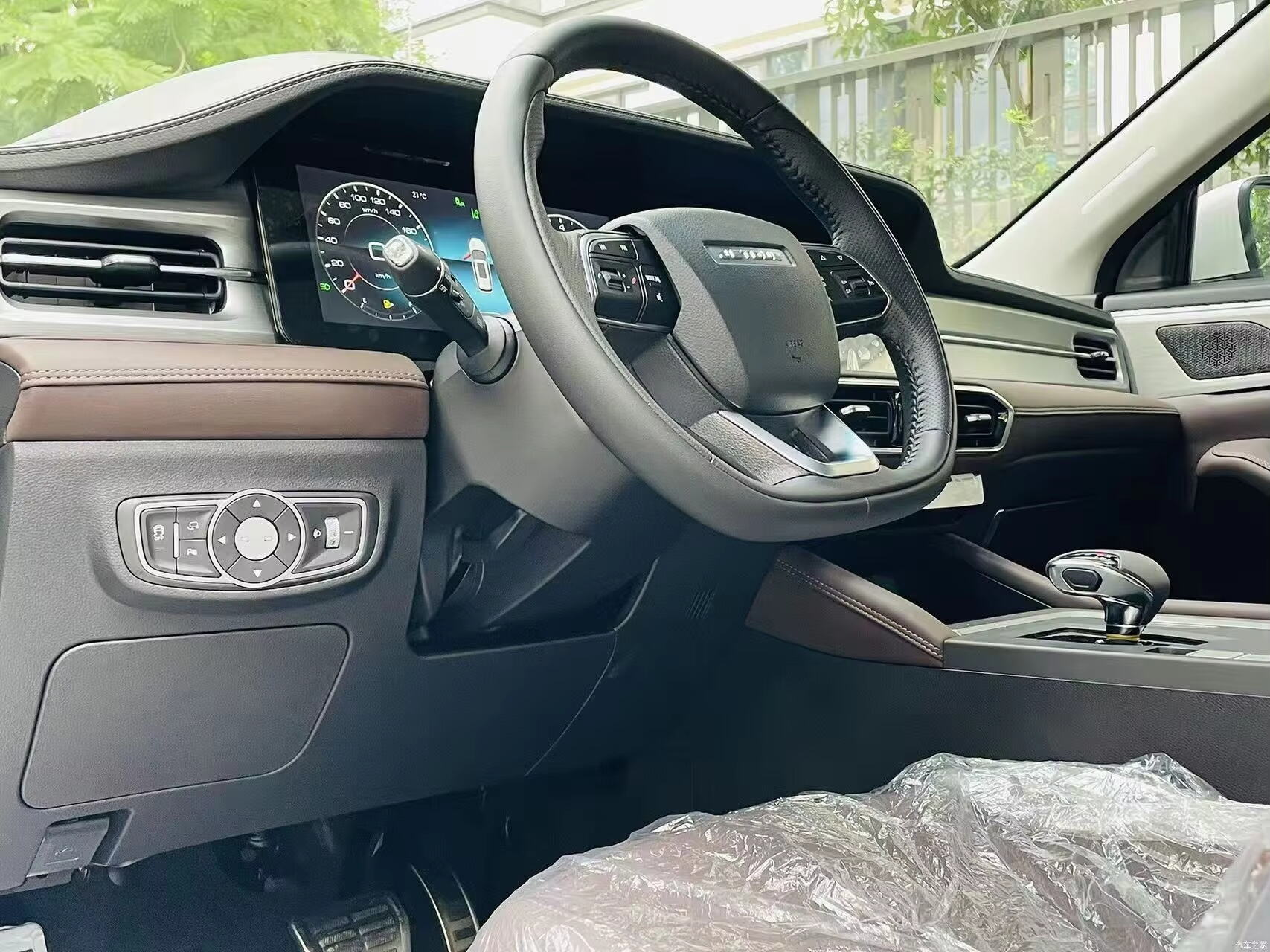
Chinese automobiles have set new standards in vehicle connectivity and intelligent features. Modern Chinese cars come equipped with sophisticated infotainment systems, advanced driver assistance systems (ADAS), and artificial intelligence-powered features that enhance both safety and user experience. The integration of 5G technology and Internet of Things (IoT) capabilities has transformed vehicles into smart, connected platforms.
These smart features extend beyond basic connectivity to include voice recognition, gesture control, and autonomous driving capabilities. Chinese manufacturers have successfully developed and implemented these technologies at scale, making them available across different price points and vehicle segments.
Design Excellence and Manufacturing Quality
Contemporary Aesthetic Appeal
The design language of Chinese automobiles has evolved significantly, incorporating elements that appeal to both domestic and international tastes. Modern Chinese vehicles feature sophisticated exterior styling, premium interior materials, and attention to detail that rivals luxury European brands. This transformation in design philosophy has helped overcome historical perceptions and establish Chinese automobiles as style leaders in their own right.
Chinese manufacturers have invested in world-class design centers and recruited top talent from around the globe, resulting in vehicles that combine international design elements with distinctive Chinese characteristics. The emphasis on design excellence has particularly resonated with younger consumers who value both aesthetics and functionality.
Manufacturing Precision and Quality Control
Quality control in Chinese automobile manufacturing has reached new heights through the implementation of advanced production technologies and stringent quality assurance processes. State-of-the-art manufacturing facilities equipped with robotics and AI-driven quality control systems ensure consistent production standards that meet or exceed international requirements.
The focus on manufacturing excellence extends to the entire supply chain, with Chinese manufacturers maintaining strict oversight of component quality and assembly processes. This commitment to quality has resulted in improved reliability ratings and increased consumer confidence in Chinese automotive products.
Market Strategy and Global Expansion
Competitive Pricing Models
Chinese automobiles have successfully maintained a competitive edge through strategic pricing without compromising on quality or features. This has been achieved through efficient supply chain management, economies of scale, and innovative manufacturing processes. The ability to offer advanced features at competitive price points has made Chinese vehicles particularly attractive in both emerging and developed markets.
The pricing strategy extends beyond the initial purchase price to include considerations for total cost of ownership, including maintenance, fuel efficiency, and residual value. This comprehensive approach to value proposition has helped Chinese brands establish strong market positions globally.
International Market Adaptation
Chinese automobile manufacturers have shown remarkable adaptability in meeting diverse international market requirements. This includes developing market-specific models, establishing local manufacturing facilities, and building strong dealer networks across different regions. The ability to customize vehicles for local preferences while maintaining core brand values has been crucial to their global success.
Furthermore, Chinese manufacturers have invested in building strong after-sales service networks and parts availability, addressing one of the key concerns in international markets. This commitment to customer service has helped build trust and loyalty among global consumers.
Sustainability and Future Direction
Environmental Commitment
Chinese automobiles are leading the charge in sustainable transportation solutions. Manufacturers have made significant investments in clean energy technologies, recyclable materials, and environmentally friendly manufacturing processes. This commitment to sustainability extends from vehicle design to end-of-life recycling programs.
The focus on environmental responsibility has positioned Chinese manufacturers at the forefront of the global transition to sustainable mobility, with their electric and hybrid vehicles playing a crucial role in reducing carbon emissions worldwide.
Future Innovation Pipeline
The future of Chinese automobiles looks promising with continued investment in research and development. Manufacturers are exploring advanced technologies such as solid-state batteries, hydrogen fuel cells, and enhanced autonomous driving capabilities. These innovations will likely further strengthen the position of Chinese automobiles in the global market.
The industry's commitment to innovation is evident in the growing number of patents filed by Chinese automotive companies and their collaborations with international technology partners. This positions Chinese manufacturers to continue leading technological advancement in the automotive sector.
Frequently Asked Questions
How do Chinese automobiles compare to established international brands in terms of quality?
Modern Chinese automobiles meet rigorous international quality standards, with many manufacturers implementing advanced quality control systems and obtaining global certifications. Independent assessments and customer satisfaction surveys increasingly show Chinese vehicles matching or exceeding the quality of established international brands, particularly in areas of technology integration and electric vehicle performance.
What advantages do Chinese electric vehicles offer over competitors?
Chinese electric vehicles typically offer superior value through advanced battery technology, longer ranges, and competitive pricing. They also feature cutting-edge connectivity options and smart features while maintaining high safety standards. The extensive charging infrastructure development in China has contributed to practical innovations in charging technology and efficiency.
Are Chinese automobiles available worldwide?
Chinese automobile manufacturers have established extensive global distribution networks, with presence in major markets across Asia, Europe, Africa, and the Americas. Many brands have local assembly plants and dedicated service centers in key markets, ensuring product availability and after-sales support worldwide.