 EN
EN
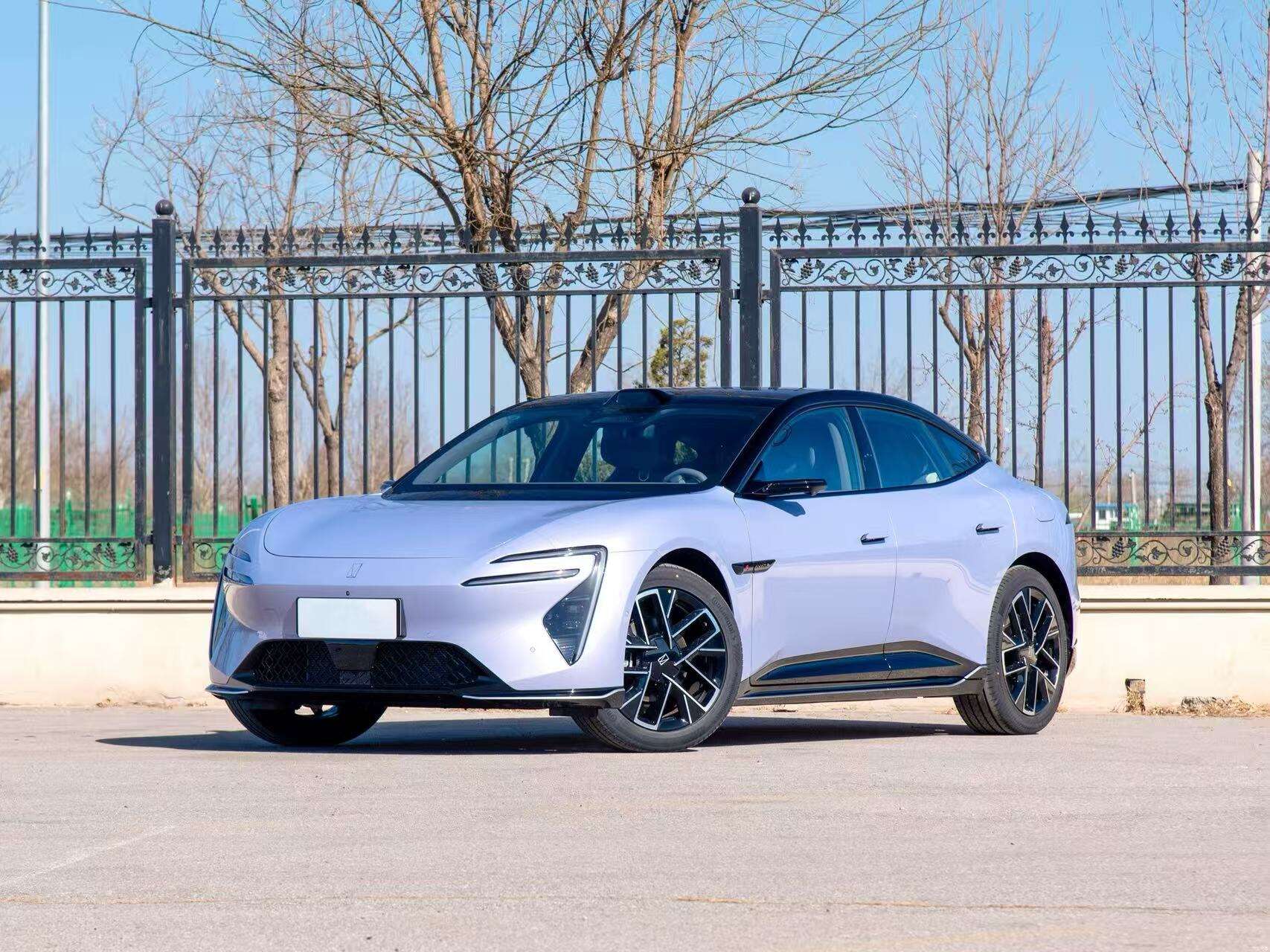
The global automotive landscape has undergone a dramatic transformation over the past two decades, with China emerging as a dominant force that challenges traditional powerhouses. China's automobiles have evolved from basic transportation solutions to sophisticated vehicles that compete directly with established international brands. This remarkable journey reflects not only technological advancement but also strategic positioning that has reshaped consumer expectations worldwide. The competitiveness of Chinese automotive manufacturers stems from a unique combination of government support, technological innovation, cost efficiency, and market adaptability that has enabled them to capture significant market share both domestically and internationally.
Technological Innovation and Electric Vehicle Leadership
Battery Technology and Electric Powertrains
Chinese automotive companies have invested heavily in battery technology research and development, positioning themselves at the forefront of the electric vehicle revolution. Companies like BYD, CATL, and Ganfeng Lithium have developed cutting-edge lithium-ion battery technologies that offer improved energy density, faster charging capabilities, and enhanced safety features. These technological advances have enabled China's automobiles to achieve competitive driving ranges while maintaining affordable pricing structures. The integration of advanced battery management systems and thermal control technologies has further enhanced the reliability and performance of Chinese electric vehicles in various climate conditions.
The development of proprietary electric powertrains has allowed Chinese manufacturers to reduce dependency on foreign suppliers while improving overall vehicle efficiency. Advanced motor control systems, regenerative braking technologies, and intelligent energy management systems have become standard features in many Chinese electric vehicles. This technological sophistication has enabled manufacturers to offer compelling alternatives to traditional internal combustion engines while maintaining competitive performance metrics. The continuous innovation in electric drivetrain technologies has positioned Chinese companies as leaders in the global transition toward sustainable transportation solutions.
Autonomous Driving and Smart Features
Chinese automotive manufacturers have embraced artificial intelligence and autonomous driving technologies with remarkable speed and precision. Companies like Baidu, Alibaba, and Tencent have collaborated with traditional automakers to develop advanced driver assistance systems that rival those offered by established international brands. The integration of machine learning algorithms, computer vision systems, and sophisticated sensor arrays has enabled China's automobiles to offer semi-autonomous driving capabilities at competitive price points. These technological implementations have enhanced both safety and convenience features while differentiating Chinese vehicles in crowded international markets.
The incorporation of smart connectivity features has transformed Chinese vehicles into mobile technology platforms that seamlessly integrate with digital ecosystems. Advanced infotainment systems, over-the-air software updates, and comprehensive vehicle-to-everything communication capabilities have become distinguishing characteristics of Chinese automotive offerings. Voice recognition systems powered by natural language processing, augmented reality navigation displays, and personalized user interfaces have elevated the overall ownership experience. This focus on technological integration has appealed particularly to younger consumers who prioritize digital connectivity and smart functionality in their vehicle choices.
Cost Efficiency and Manufacturing Excellence
Supply Chain Integration and Economies of Scale
The competitive advantage of Chinese automotive manufacturers extends beyond technological innovation to encompass sophisticated supply chain management and manufacturing optimization strategies. Chinese companies have developed vertically integrated production systems that control multiple stages of the manufacturing process, from raw material procurement to final assembly. This integration allows for better quality control, reduced production costs, and faster time-to-market cycles compared to traditional automotive manufacturers who rely heavily on external suppliers. The ability to maintain tight control over the entire value chain has enabled Chinese companies to respond quickly to market demands while maintaining competitive pricing structures.
Economies of scale achieved through massive domestic market demand have provided Chinese manufacturers with significant cost advantages that translate into competitive international pricing. The sheer volume of vehicles produced for the domestic Chinese market allows manufacturers to spread research and development costs across larger production runs, resulting in lower per-unit costs. Advanced manufacturing technologies, including extensive automation and lean production methodologies, have further enhanced efficiency and quality consistency. These operational advantages enable Chinese automotive companies to offer feature-rich vehicles at price points that challenge established international competitors.
Labor Efficiency and Skilled Workforce
China's automotive industry benefits from a highly skilled and cost-effective workforce that combines technical expertise with operational efficiency. The country's emphasis on engineering education and technical training has produced a large pool of qualified professionals capable of supporting advanced automotive manufacturing operations. Chinese workers demonstrate strong adaptability to new technologies and manufacturing processes, enabling rapid implementation of innovative production techniques. The combination of skilled labor and competitive wage structures provides Chinese manufacturers with significant cost advantages while maintaining high quality standards throughout the production process.
Continuous investment in workforce development and training programs has enhanced the capabilities of Chinese automotive workers, enabling them to handle increasingly sophisticated manufacturing processes. Advanced robotics integration, precision assembly techniques, and quality control methodologies have been successfully implemented across Chinese manufacturing facilities. The collaborative relationship between management and workforce has facilitated rapid adoption of best practices and continuous improvement initiatives. This human capital advantage contributes significantly to the overall competitiveness of Chinese automotive products in international markets.
Strategic Market Positioning and Brand Development
Emerging Market Focus and Localization
Chinese automotive manufacturers have demonstrated exceptional strategic insight by targeting emerging markets where traditional automotive brands have limited presence or high pricing barriers. Countries in Southeast Asia, Africa, Latin America, and Eastern Europe have become key markets for Chinese automotive expansion, where local consumers appreciate the combination of modern features and affordable pricing. This strategic focus allows Chinese companies to establish strong market positions before international competitors can adapt their offerings to these specific market requirements. The ability to understand and cater to local preferences, regulatory requirements, and economic conditions has become a significant competitive advantage.
Localization strategies employed by Chinese manufacturers go beyond simple market entry to encompass comprehensive adaptation of products and services to meet regional needs. Local assembly facilities, regional supply chains, and customized product offerings demonstrate commitment to long-term market development rather than short-term sales objectives. Chinese companies often establish partnerships with local distributors, service networks, and financing institutions to create comprehensive support ecosystems for their products. This holistic approach to market development has enabled Chinese automotive brands to build sustainable competitive positions in diverse international markets.
Brand Building and Consumer Perception
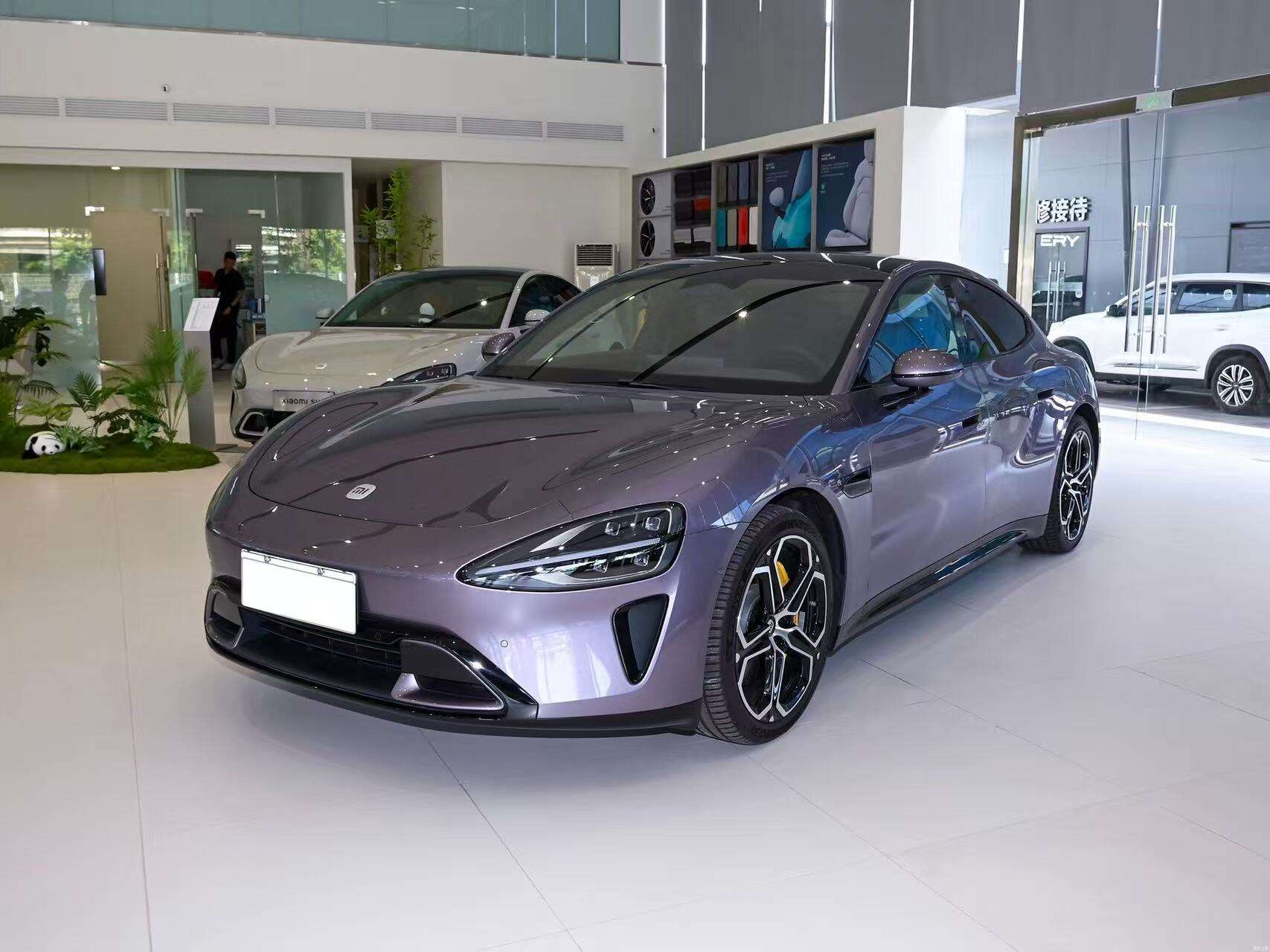
The evolution of Chinese automotive brands from budget alternatives to premium contenders represents a remarkable transformation in consumer perception and brand positioning. Companies like Geely, BYD, and NIO have invested significantly in design excellence, quality improvement, and brand marketing to reshape international consumer attitudes toward Chinese automotive products. Sophisticated design languages, premium interior materials, and advanced feature sets have elevated the perceived value of Chinese vehicles. Strategic partnerships with established international design houses and technology companies have further enhanced brand credibility and consumer confidence.
Marketing strategies employed by Chinese automotive companies emphasize technological innovation, environmental responsibility, and value proposition rather than traditional automotive heritage or racing pedigree. Digital marketing campaigns, social media engagement, and influencer partnerships have proven particularly effective in reaching younger consumer demographics who prioritize functionality and innovation over brand tradition. The emphasis on electric vehicle technology and sustainable transportation solutions has resonated strongly with environmentally conscious consumers in developed markets. This modern brand positioning approach has enabled Chinese automotive companies to differentiate themselves from established competitors while appealing to evolving consumer values and preferences.
Government Support and Policy Framework
Industrial Policy and Investment Incentives
The Chinese government's comprehensive industrial policy framework has provided crucial support for the development and international competitiveness of the domestic automotive industry. Strategic initiatives including the Made in China 2025 plan have prioritized automotive manufacturing as a key sector for technological advancement and economic growth. Substantial government investments in research and development, infrastructure development, and manufacturing capacity have accelerated the evolution of Chinese automotive capabilities. Tax incentives, subsidies for electric vehicle development, and preferential financing arrangements have enabled Chinese companies to invest aggressively in innovation and market expansion.
Coordinated policy initiatives have created favorable conditions for Chinese automotive companies to develop competitive advantages across multiple dimensions simultaneously. Support for battery technology development, charging infrastructure deployment, and autonomous driving research has positioned Chinese companies at the forefront of emerging automotive technologies. Government procurement programs and fleet electrification mandates have provided stable domestic demand that supports industry growth and technological refinement. This comprehensive policy support framework has enabled Chinese automotive manufacturers to achieve rapid scale-up and international competitiveness within relatively short timeframes.
Infrastructure Development and Market Preparation
Massive infrastructure investments in charging networks, smart transportation systems, and digital connectivity have created an ecosystem that supports the adoption and optimization of advanced automotive technologies. The development of comprehensive charging infrastructure across China has provided a testing ground for electric vehicle technologies and operational strategies that can be applied in international markets. Smart city initiatives and vehicle-to-infrastructure communication systems have enabled Chinese automotive companies to develop and refine connected vehicle technologies under real-world conditions. This infrastructure foundation provides Chinese manufacturers with practical experience and proven solutions that enhance their competitiveness in international markets.
The integration of automotive development with broader infrastructure planning has created synergies that benefit both industry growth and technological advancement. High-speed rail networks, smart highway systems, and integrated transportation hubs provide contexts for testing and optimizing automotive technologies under diverse operating conditions. This comprehensive approach to infrastructure development has enabled Chinese automotive companies to develop robust and adaptable solutions that perform well across different markets and regulatory environments. The experience gained through operating in China's complex and rapidly evolving transportation ecosystem has prepared Chinese manufacturers for the challenges of international market expansion.
FAQ
What are the main factors driving the competitiveness of Chinese automotive manufacturers?
The competitiveness of Chinese automotive manufacturers stems from several key factors including advanced electric vehicle technology, cost-efficient manufacturing processes, strategic government support, and effective market positioning strategies. Chinese companies have invested heavily in battery technology, autonomous driving systems, and smart connectivity features while maintaining competitive pricing through economies of scale and supply chain integration. Government policies supporting electric vehicle development and infrastructure investment have created favorable conditions for industry growth and technological advancement.
How do Chinese electric vehicles compare with established international brands?
Chinese electric vehicles have achieved competitive performance metrics while offering superior value propositions compared to many established international brands. Advanced battery technologies developed by Chinese companies provide comparable driving ranges and charging speeds at lower price points. Many Chinese electric vehicles incorporate cutting-edge connectivity features, autonomous driving capabilities, and over-the-air update functionality that match or exceed offerings from traditional automotive manufacturers. The rapid pace of innovation and continuous improvement has enabled Chinese brands to close quality gaps while maintaining cost advantages.
Which international markets are most receptive to Chinese automotive products?
Emerging markets in Southeast Asia, Latin America, Africa, and Eastern Europe have shown the strongest receptivity to Chinese automotive products due to favorable price-to-feature ratios and local market adaptation strategies. These markets appreciate the combination of modern technology and affordable pricing that Chinese manufacturers provide. Additionally, European markets have shown increasing interest in Chinese electric vehicles as consumers prioritize environmental sustainability and technological innovation. The growing acceptance in developed markets reflects the improved quality and sophisticated features of modern Chinese automotive products.
What challenges do Chinese automotive companies face in international expansion?
Chinese automotive companies face several challenges in international expansion including brand recognition barriers, regulatory compliance requirements, and established competitor relationships with local dealers and service networks. Trade tensions and protectionist policies in some markets create additional obstacles for Chinese automotive exports. Quality perception issues, despite significant improvements, still influence consumer decisions in some developed markets. However, Chinese companies are addressing these challenges through strategic partnerships, local manufacturing investments, and continuous quality improvements that demonstrate long-term commitment to international market development.
Table of Contents
- Technological Innovation and Electric Vehicle Leadership
- Cost Efficiency and Manufacturing Excellence
- Strategic Market Positioning and Brand Development
- Government Support and Policy Framework
-
FAQ
- What are the main factors driving the competitiveness of Chinese automotive manufacturers?
- How do Chinese electric vehicles compare with established international brands?
- Which international markets are most receptive to Chinese automotive products?
- What challenges do Chinese automotive companies face in international expansion?