
 EN
EN
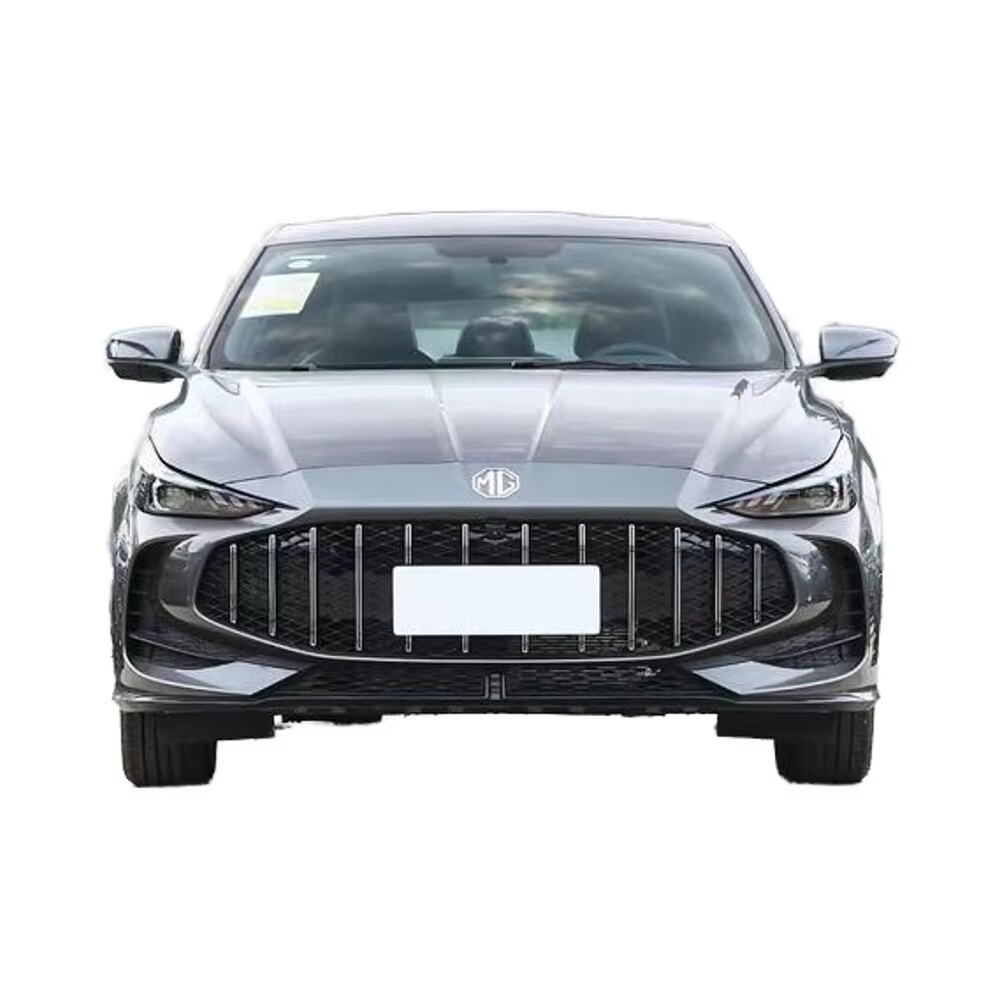
Understanding the Rising Appeal of Chinese Automotive Value
The global automotive landscape has witnessed a remarkable transformation over the past decade, with Chinese automobiles emerging as a compelling choice for value-conscious consumers worldwide. The competitive pricing and improving quality of vehicles from China's automotive sector have created a significant shift in consumer perspectives and market dynamics. This comprehensive analysis explores the various cost benefits that make Chinese automobiles an increasingly attractive option for buyers seeking quality transportation solutions without breaking the bank.

Economic Benefits of Chinese Vehicle Manufacturing
Advanced Manufacturing Infrastructure
Chinese automobiles benefit from the country's sophisticated manufacturing ecosystem, which combines state-of-the-art technology with cost-effective production methods. The nation's massive investment in automated production lines and efficient supply chains has resulted in significantly lower production costs compared to traditional automotive manufacturing centers. These savings are ultimately passed on to consumers, making Chinese automobiles more affordable without compromising on quality.
The manufacturing advantage extends beyond mere assembly lines. China's strategic investments in research and development have led to innovations in production processes, reducing waste and optimizing resource utilization. This efficiency translates to lower manufacturing costs per unit, enabling Chinese automotive brands to maintain competitive pricing in global markets.
Scale Economics and Market Size
The sheer size of China's domestic market provides unique advantages in terms of production scale. With millions of vehicles produced annually, Chinese manufacturers achieve remarkable economies of scale that few other countries can match. This volume-based cost reduction affects everything from raw material procurement to final assembly, contributing to the overall affordability of Chinese automobiles.
The large-scale production capability also enables manufacturers to invest in advanced technologies and quality improvements while maintaining competitive pricing. This balance of quality and affordability has become a defining characteristic of modern Chinese automobiles.
Purchase and Ownership Value Proposition
Competitive Initial Purchase Price
One of the most immediate and obvious cost advantages of Chinese automobiles is their attractive purchase price. Compared to equivalent models from established Western or Japanese manufacturers, Chinese vehicles typically offer savings of 20-30% on the initial purchase price. This substantial difference makes vehicle ownership accessible to a broader range of consumers, particularly in emerging markets and price-sensitive segments.
The competitive pricing extends across all vehicle categories, from compact cars to SUVs and luxury vehicles. Chinese manufacturers have successfully demonstrated that lower prices don't necessarily mean inferior quality, as many models now come equipped with features and technologies comparable to their more expensive counterparts.
Comprehensive Standard Features
Chinese automobiles often include features as standard that would be costly options in vehicles from other manufacturers. This approach to packaging and specification provides excellent value for money, as buyers receive well-equipped vehicles without having to invest in expensive option packages. Features such as advanced safety systems, modern infotainment setups, and comfort amenities are frequently included in the base price.
The inclusion of comprehensive features not only enhances the immediate value proposition but also contributes to better resale value and owner satisfaction. As Chinese automobiles continue to gain market acceptance, their reputation for offering good standard equipment levels strengthens their position in the value-for-money segment.
Long-term Cost Benefits
Maintenance and Spare Parts Economy
The cost advantages of Chinese automobiles extend well beyond the initial purchase. Maintenance costs and spare parts prices are generally lower compared to premium brands, making long-term ownership more economical. Chinese manufacturers have established efficient parts distribution networks and are increasingly focusing on after-sales service quality to ensure positive ownership experiences.
The standardization of components across different models and brands also contributes to more affordable maintenance costs. Many Chinese automotive companies share platforms and parts, creating economies of scale in the aftermarket sector and ensuring widespread availability of replacement components.
Fuel Efficiency and Running Costs
Modern Chinese automobiles are designed with fuel efficiency in mind, incorporating the latest engine technologies and lightweight materials to reduce operating costs. Many manufacturers are also at the forefront of electric vehicle development, offering affordable electric options that provide significant savings in running costs compared to traditional internal combustion engines.
The focus on efficiency extends to hybrid powertrains and other alternative fuel options, giving consumers choices that can lead to substantial savings over the vehicle's lifetime. These technological advancements demonstrate how Chinese automobiles combine initial affordability with long-term cost benefits.
Frequently Asked Questions
How do Chinese automobiles compare in quality to established brands?
Modern Chinese automobiles have made significant strides in quality, with many manufacturers now implementing rigorous quality control standards and using advanced manufacturing techniques. While historically there may have been concerns, today's Chinese vehicles often match or exceed the quality expectations of their price segment, backed by comprehensive warranty coverage and improving reliability ratings.
Are spare parts readily available for Chinese automobiles?
Yes, the availability of spare parts for Chinese automobiles has improved substantially in recent years. Most manufacturers maintain extensive dealer networks and parts distribution systems, ensuring timely access to replacement components. Additionally, many parts are standardized across multiple models, making them more readily available and cost-effective.
What about resale value of Chinese automobiles?
While historically Chinese automobiles may have experienced faster depreciation, the trend is changing as brand reputation and quality perception improve. Many newer models are showing stronger residual values, especially in markets where the brands have established a solid presence and demonstrated reliability. The comprehensive feature sets and improving build quality are contributing factors to better resale values.