
 EN
EN
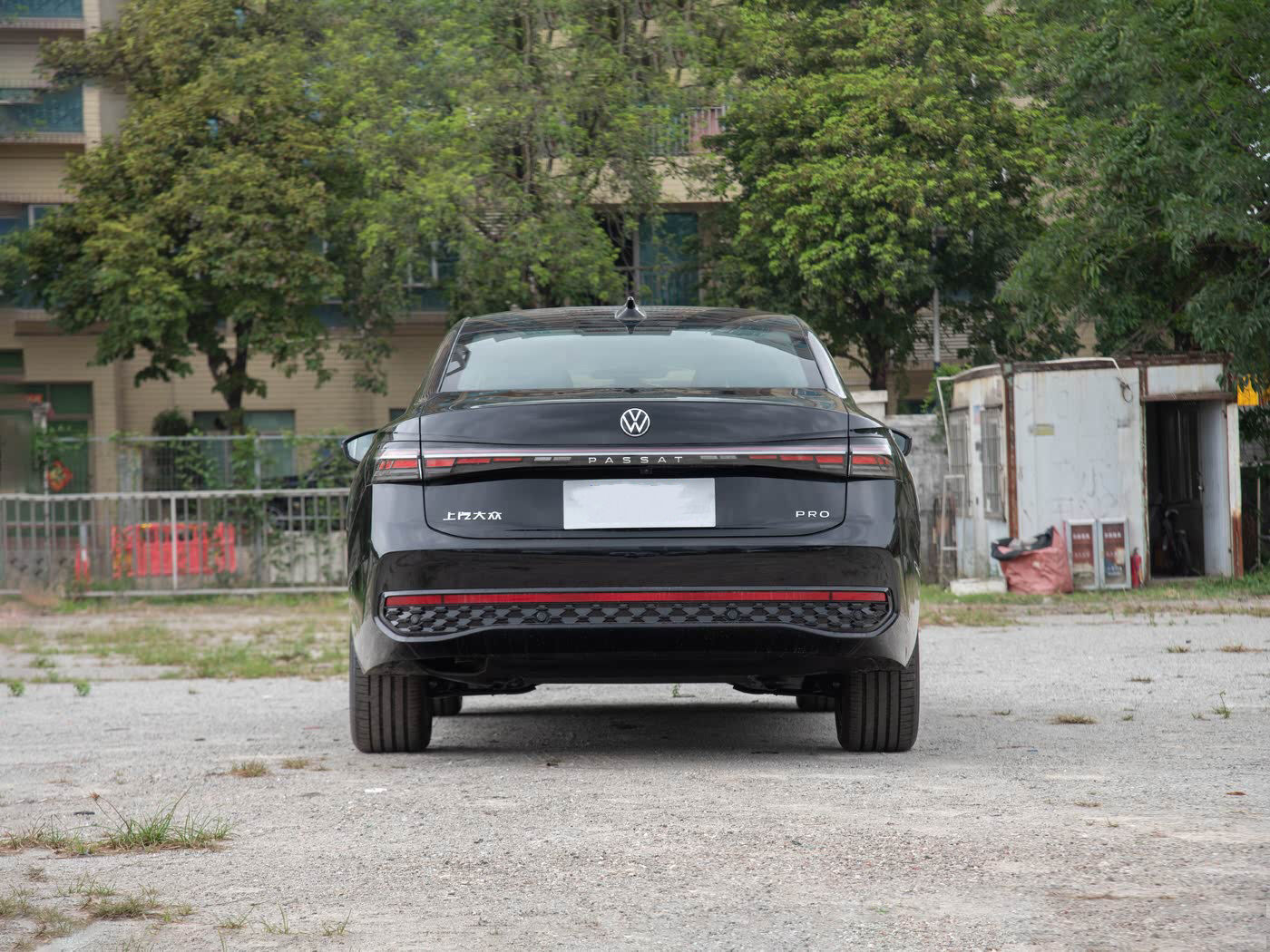
Evaluating maintenance costs for Chinese cars requires a systematic approach that considers both immediate and long-term financial implications. Unlike traditional automotive markets, chinese cars present unique cost structures influenced by factors such as parts availability, service network accessibility, and evolving manufacturing standards. Smart owners must develop a comprehensive framework that accounts for these distinctive characteristics while projecting realistic maintenance expenses over the vehicle's lifespan.

The evaluation process for chinese cars maintenance costs extends beyond simple warranty calculations and requires understanding market dynamics, technological maturation, and regional service infrastructure. Owners who master this evaluation methodology can make informed decisions about total cost of ownership while avoiding common financial pitfalls associated with emerging automotive brands entering competitive markets.
Understanding the Unique Cost Structure of Chinese Cars
Manufacturing Quality Evolution and Cost Implications
Chinese cars have undergone significant manufacturing improvements over the past decade, directly impacting long-term maintenance cost projections. Modern chinese cars utilize advanced production techniques and quality control systems that reduce the frequency of common mechanical failures. This evolution means that older cost assumptions may not accurately reflect current maintenance realities for newer vehicle models.
The cost structure differs from established automotive markets because chinese cars often incorporate newer technologies at competitive price points. This approach can result in lower initial purchase costs but may introduce complexity in maintenance scheduling and parts replacement strategies. Owners must evaluate whether the integration of advanced features translates into higher diagnostic and repair costs over time.
Quality improvements in chinese cars manufacturing also mean that traditional maintenance intervals and cost models may not apply directly. Many newer chinese cars feature extended warranty periods and improved component durability, which can significantly alter the total cost equation when properly factored into long-term ownership planning.
Parts Availability and Pricing Dynamics
Parts availability represents a critical factor in chinese cars maintenance cost evaluation, as supply chain maturity directly affects both pricing and service timing. Owners should assess the manufacturer's commitment to maintaining parts inventory for their specific model and understand how parts pricing may fluctuate based on import duties, currency exchange rates, and local distribution agreements.
The pricing structure for chinese cars components often benefits from economies of scale in domestic production, potentially offering cost advantages for routine maintenance items. However, specialized components or electronic systems may require longer lead times and higher costs if sourcing becomes necessary from international suppliers or through limited distribution networks.
Evaluating parts availability also involves understanding the manufacturer's policy on aftermarket compatibility and third-party components. Some chinese cars manufacturers maintain strict original equipment requirements, while others allow broader compatibility options that can significantly impact long-term maintenance cost flexibility and service provider choices.
Developing a Systematic Cost Evaluation Framework
Creating Realistic Cost Projections
Effective maintenance cost evaluation for chinese cars begins with establishing realistic baseline projections based on manufacturer specifications, warranty coverage, and regional service costs. Owners should compile comprehensive data including scheduled maintenance intervals, typical component replacement cycles, and average labor rates for authorized service providers in their geographic area.
The projection framework must account for the learning curve associated with chinese cars service requirements, as local mechanics and service centers may require additional time and resources to develop expertise with specific models and systems. This learning curve can initially increase labor costs but typically stabilizes as market familiarity improves.
Cost projections should also incorporate potential savings from manufacturer incentives, extended warranty programs, and service package options that many chinese cars brands offer to build market confidence. These programs can substantially reduce out-of-pocket maintenance expenses during the critical early ownership period when reliability patterns become established.
Comparing Total Cost of Ownership Models
Chinese cars maintenance evaluation requires comparing multiple total cost of ownership models that reflect different usage scenarios and ownership periods. Owners should analyze costs across various mileage assumptions, driving conditions, and maintenance service options to identify the most economical approach for their specific situation.
The comparison process should include both direct maintenance costs and indirect expenses such as potential downtime, alternative transportation needs, and resale value implications. Chinese cars may offer different value propositions depending on whether owners prioritize low immediate costs or long-term reliability and resale protection.
Effective comparison models also consider the evolving nature of chinese cars market positioning and service infrastructure development. Costs that seem high initially may decrease over time as market maturity improves service efficiency and parts availability, making dynamic cost modeling essential for accurate long-term planning.
Assessing Service Infrastructure and Support Systems
Evaluating Local Service Network Capabilities
The availability and quality of local service infrastructure significantly impacts maintenance costs for chinese cars owners, making thorough evaluation of regional service networks essential for accurate cost planning. Owners should assess the density of authorized service centers, their technical capabilities, and their commitment to maintaining chinese cars expertise over the long term.
Service network evaluation involves understanding the training programs and technical support systems that manufacturers provide to authorized dealers and independent service providers. Strong manufacturer support typically translates to more efficient diagnostic procedures, reduced labor times, and better access to technical documentation that can control maintenance costs effectively.
Geographic considerations play a crucial role in service infrastructure assessment, as chinese cars owners in remote or underserved areas may face higher costs due to limited service options, longer travel distances, or increased reliance on mobile service programs that command premium pricing structures.
Understanding Warranty and Service Program Benefits
Chinese cars manufacturers often provide comprehensive warranty and service programs designed to reduce owner concerns about maintenance costs and long-term reliability. Evaluating these programs requires understanding coverage limitations, service requirements, and the financial implications of program compliance versus independent maintenance choices.
Many chinese cars warranty programs include extended coverage periods, complimentary maintenance services, and roadside assistance that can substantially reduce total ownership costs during the initial years. Owners must evaluate whether program requirements, such as exclusive use of authorized service providers, align with their preferences and budget constraints.
Service program evaluation should also consider the manufacturer's financial stability and long-term market commitment, as program benefits depend on the company's ability to honor obligations throughout the warranty period and beyond. This assessment helps owners understand the reliability of cost protection measures and plan accordingly for potential changes in program availability.
Implementing Long-Term Cost Monitoring and Optimization
Establishing Cost Tracking Systems
Successful maintenance cost evaluation for chinese cars requires implementing systematic tracking systems that capture both direct expenses and indirect costs associated with vehicle ownership. Owners should maintain detailed records of all maintenance activities, parts costs, labor charges, and service-related travel expenses to identify cost patterns and optimization opportunities.
Effective tracking systems also monitor non-financial factors that influence maintenance costs, such as service quality, completion times, and problem resolution effectiveness. This comprehensive approach helps chinese cars owners identify the most cost-effective service providers and maintenance strategies while building a database for future decision-making.
Digital tracking tools and maintenance management applications can streamline the monitoring process while providing analytical capabilities that reveal cost trends and predict future maintenance needs. These systems become particularly valuable for chinese cars owners as they accumulate data that may not be readily available through traditional automotive cost databases.
Optimizing Maintenance Strategies Over Time
Long-term cost optimization for chinese cars involves continuously refining maintenance strategies based on actual experience, evolving service options, and changing market conditions. Owners should regularly evaluate their maintenance approach against actual costs and adjust strategies to maximize value while maintaining vehicle reliability and safety standards.
Optimization strategies may include timing major maintenance activities to coincide with warranty coverage, bundling services to reduce labor costs, or developing relationships with specialized service providers who offer competitive pricing for chinese cars maintenance. The key lies in maintaining flexibility while ensuring that cost-cutting measures do not compromise vehicle safety or reliability.
As the chinese cars market matures, owners should stay informed about emerging service options, aftermarket parts availability, and independent service providers who develop expertise with specific models. This market awareness enables proactive cost management and helps owners capitalize on improving service infrastructure and competitive pricing dynamics.
FAQ
How do maintenance costs for Chinese cars compare to established automotive brands?
Chinese cars typically offer competitive maintenance costs due to lower parts pricing and efficient manufacturing processes, though initial service network limitations may create temporary cost premiums in some regions. As market infrastructure matures, many chinese cars demonstrate maintenance cost advantages over comparable vehicles from established brands, particularly for routine services and common replacement parts.
What factors most significantly impact long-term maintenance costs for Chinese cars?
Parts availability, service network density, and warranty program comprehensiveness represent the most significant factors affecting chinese cars maintenance costs over time. Owners who evaluate these factors thoroughly and choose models with strong manufacturer support typically experience lower total ownership costs and fewer unexpected maintenance expenses.
How should owners prepare for potential changes in Chinese cars service infrastructure?
Owners should maintain relationships with multiple service providers, stay informed about manufacturer support programs, and budget conservatively for potential service cost fluctuations during market development phases. Building a maintenance fund and understanding alternative service options helps protect against temporary infrastructure challenges while benefiting from long-term market improvements.
What documentation should Chinese cars owners maintain for effective cost evaluation?
Comprehensive maintenance records should include all service receipts, warranty documentation, parts replacement histories, and service provider performance evaluations. This documentation enables accurate cost tracking, supports warranty claims, and provides valuable data for optimizing future maintenance decisions and budgeting processes.
Table of Contents
- Understanding the Unique Cost Structure of Chinese Cars
- Developing a Systematic Cost Evaluation Framework
- Assessing Service Infrastructure and Support Systems
- Implementing Long-Term Cost Monitoring and Optimization
-
FAQ
- How do maintenance costs for Chinese cars compare to established automotive brands?
- What factors most significantly impact long-term maintenance costs for Chinese cars?
- How should owners prepare for potential changes in Chinese cars service infrastructure?
- What documentation should Chinese cars owners maintain for effective cost evaluation?