
 EN
EN

New energy vehicles have revolutionized the automotive industry, offering sustainable transportation solutions that reduce carbon emissions and dependence on fossil fuels. However, one critical factor that significantly impacts the long-term performance and practicality of these vehicles is battery degradation. Understanding how battery degradation affects the daily driving range is essential for both current and prospective electric vehicle owners who want to make informed decisions about their transportation needs.
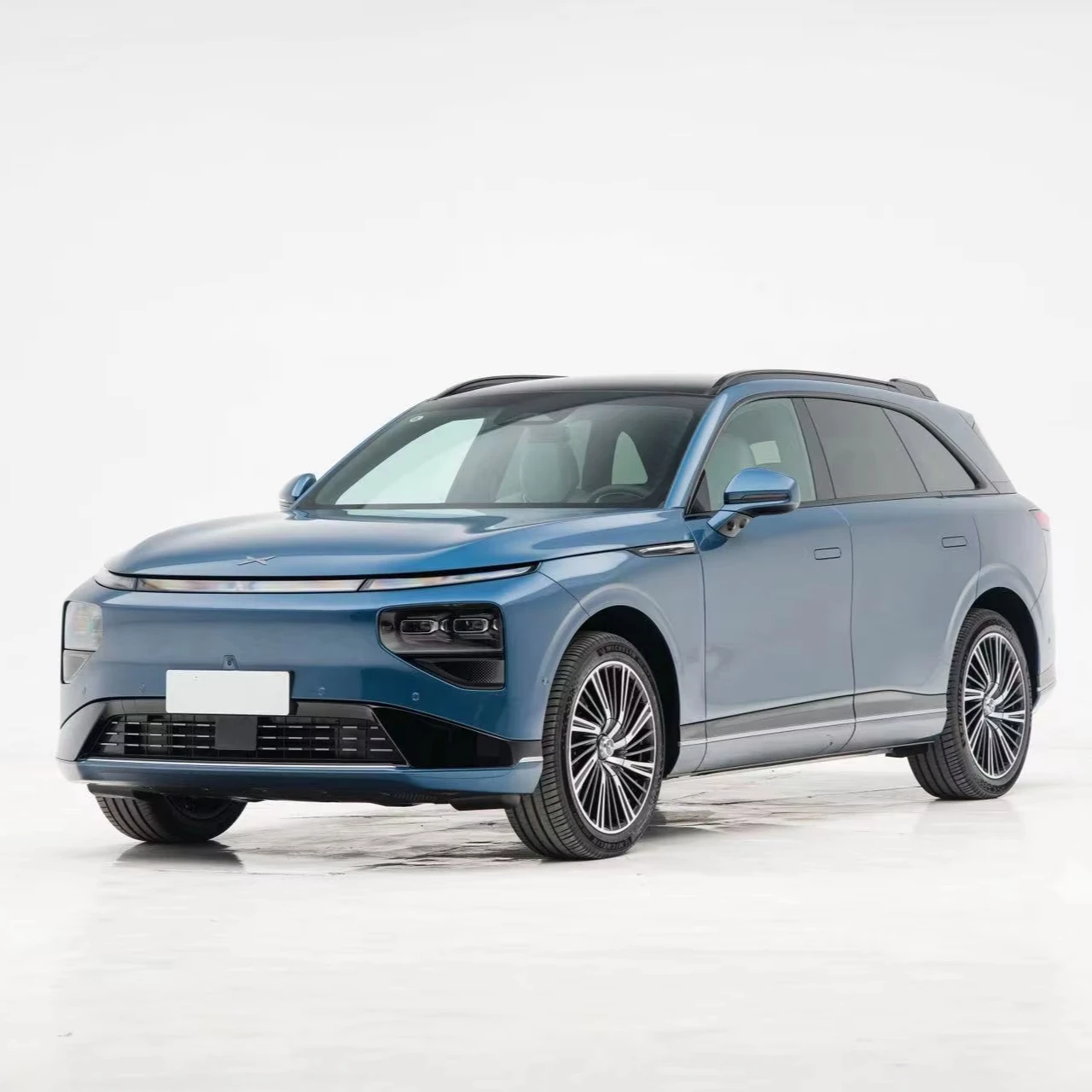
Battery degradation is a natural process that occurs in all rechargeable batteries, including those powering electric vehicles. Over time, the chemical reactions within lithium-ion batteries cause structural changes that reduce their capacity to store and deliver energy. This degradation directly translates to decreased driving range, which can significantly impact the daily usability of new energy vehicles. Modern electric vehicles typically experience a gradual decline in battery performance, with most manufacturers designing their systems to maintain acceptable performance levels for several years.
The rate and extent of battery degradation depend on various factors, including charging patterns, environmental conditions, driving habits, and the specific battery chemistry used in the vehicle. Advanced battery management systems help mitigate some degradation effects, but the fundamental chemical processes cannot be completely prevented. Vehicle owners must understand these limitations to plan their daily transportation needs effectively and make appropriate charging decisions.
Understanding Battery Chemistry and Degradation Mechanisms
Lithium-Ion Battery Structure and Function
The majority of new energy vehicles utilize lithium-ion batteries due to their high energy density and relatively long lifespan. These batteries consist of cathodes, anodes, electrolytes, and separators that work together to store and release electrical energy. During charging and discharging cycles, lithium ions move between the cathode and anode, creating the electrical current that powers the vehicle. However, each charge cycle causes microscopic changes in the battery structure that accumulate over time.
Battery degradation occurs through several mechanisms, including capacity fade and power fade. Capacity fade refers to the gradual reduction in the amount of energy the battery can store, while power fade involves decreased ability to deliver high current levels. Both types of degradation contribute to reduced vehicle performance and driving range. The formation of solid electrolyte interface layers, electrode material decomposition, and lithium plating are primary causes of these degradation processes.
Temperature Impact on Battery Performance
Temperature plays a crucial role in battery degradation rates, with both extreme heat and cold accelerating the deterioration process. High temperatures increase the rate of chemical reactions within the battery, leading to faster degradation of active materials and electrolyte breakdown. Conversely, cold temperatures reduce battery efficiency and can cause temporary capacity loss, though the effects are often reversible once the battery warms up.
Modern electric vehicles incorporate thermal management systems to maintain optimal battery temperatures, but these systems cannot completely eliminate temperature-related degradation. Vehicle owners in extreme climates may experience more rapid battery degradation and should adjust their expectations accordingly. Parking in shaded areas, using preconditioning features, and avoiding exposure to extreme temperatures can help minimize these effects.
Charging Patterns and Their Impact on Battery Life
Fast Charging Considerations
Fast charging technology has made electric vehicles more convenient for daily use, but frequent use of high-power charging can accelerate battery degradation. The rapid flow of electrical current during fast charging generates heat and stress within the battery cells, potentially causing structural damage over time. While occasional fast charging is generally acceptable, relying exclusively on high-power charging stations may reduce the overall lifespan of the battery pack.
Battery degradation from fast charging is more pronounced when the battery is already warm or when charging to very high state-of-charge levels. Many electric vehicles incorporate charging curves that automatically reduce charging speed as the battery approaches full capacity to minimize degradation. Understanding these limitations helps vehicle owners balance convenience with long-term battery health when planning their charging strategies.
Optimal Charging Practices
Implementing proper charging habits can significantly slow battery degradation and preserve daily driving range over the vehicle's lifetime. Maintaining the battery charge level between 20% and 80% for daily use reduces stress on the battery cells and extends their operational life. Complete discharge and full charging cycles should be reserved for occasional use when maximum range is required.
Regular charging at moderate power levels, such as Level 2 home charging stations, typically produces less battery degradation compared to frequent fast charging. The slower charging process generates less heat and allows the battery management system to balance individual cell voltages more effectively. Consistent charging routines also help the battery management system optimize performance and provide more accurate range estimates.
Real-World Range Impact and Measurement
Quantifying Range Loss Over Time
The practical impact of battery degradation on daily driving range varies significantly between different vehicle models and usage patterns. Most new energy vehicles experience approximately 2-5% capacity loss per year during normal operation, though this rate can be higher or lower depending on specific circumstances. A vehicle with an initial range of 400 kilometers might see its practical range reduced to 380-390 kilometers after one year of typical use.
Battery degradation affects not only the total energy storage capacity but also the vehicle's ability to deliver power efficiently. As the battery ages, internal resistance increases, leading to greater energy losses during acceleration and high-demand driving situations. This means that aggressive driving styles may see more pronounced range reduction as battery degradation progresses compared to conservative driving approaches.
Seasonal Variations and Range Adaptation
Battery degradation compounds with seasonal temperature effects to create varying daily range capabilities throughout the year. Cold weather can temporarily reduce range by 20-40% even in new vehicles, and this effect becomes more pronounced as battery degradation progresses. Vehicle owners must account for both permanent degradation and temporary seasonal effects when planning daily trips and charging schedules.
Modern electric vehicles provide increasingly sophisticated range estimation systems that account for current battery condition, temperature, driving history, and route characteristics. However, these systems may not always accurately reflect the combined impact of battery degradation and environmental conditions. Experienced electric vehicle owners often develop personal strategies for estimating realistic range under various conditions based on their specific vehicle's performance history.
Mitigation Strategies and Battery Management
Advanced Battery Management Systems
Contemporary new energy vehicles incorporate sophisticated battery management systems designed to minimize degradation and maintain optimal performance throughout the vehicle's lifetime. These systems monitor individual cell voltages, temperatures, and charge states to ensure balanced operation and prevent conditions that accelerate battery degradation. Active thermal management, charge balancing, and protective algorithms work continuously to preserve battery health.
Battery management systems also provide valuable diagnostic information that helps vehicle owners understand their battery's current condition and expected performance. Regular software updates often include improvements to battery management algorithms, potentially slowing degradation rates and improving range estimation accuracy. Some manufacturers offer battery health monitoring through mobile applications, allowing owners to track degradation trends over time.
Preventive Maintenance and Care
While battery degradation cannot be completely prevented, proper vehicle maintenance and care can significantly slow the process and preserve daily driving range. Regular software updates ensure that the battery management system operates with the latest optimization algorithms. Keeping the vehicle clean and ensuring proper tire pressure reduces energy consumption, which indirectly helps preserve battery life by reducing the number of charge cycles required.
Environmental considerations such as parking location and charging timing also play important roles in battery preservation. Parking in climate-controlled garages when possible, avoiding prolonged exposure to extreme temperatures, and timing charging sessions to avoid peak heat periods can all contribute to slower battery degradation. These simple practices, when consistently applied, can extend the effective life of the battery pack and maintain acceptable daily range for years longer than vehicles that receive less careful treatment.
Future Developments and Battery Technology
Next-Generation Battery Technologies
Ongoing research and development in battery technology promise significant improvements in degradation resistance and overall longevity. Solid-state batteries, advanced lithium chemistries, and novel electrode materials are showing promising results in laboratory testing and early commercial applications. These technologies could potentially reduce battery degradation rates by 50% or more compared to current lithium-ion systems.
Manufacturing improvements and quality control advances are also contributing to better battery durability in current production vehicles. Enhanced cell design, improved electrolyte formulations, and better thermal management integration help reduce the initial rate of battery degradation. As these technologies mature and become more widespread, future electric vehicle owners may experience much slower range loss over their vehicle's operational lifetime.
Industry Standards and Warranty Developments
The automotive industry is developing more comprehensive standards for battery performance and degradation measurement, providing consumers with better information for making purchasing decisions. Extended warranty programs specifically addressing battery degradation are becoming more common, offering protection against excessive capacity loss during the early years of vehicle ownership.
Battery degradation monitoring and prediction systems are becoming more sophisticated, potentially enabling proactive maintenance and optimization strategies. These developments may allow vehicle owners to adjust their usage patterns based on real-time battery health information, further extending the useful life of their battery packs and maintaining acceptable daily driving range for longer periods.
FAQ
How much range loss should I expect in the first year of ownership
Most new energy vehicles experience 2-5% range loss during the first year of normal operation. This translates to approximately 10-25 kilometers of reduced range for a vehicle with 500 kilometers of initial capability. Factors such as charging habits, climate, and driving patterns significantly influence the actual degradation rate experienced by individual vehicles.
Can battery degradation be reversed or stopped completely
Battery degradation is a fundamental chemical process that cannot be completely stopped or reversed with current technology. However, proper charging practices, temperature management, and moderate usage patterns can significantly slow the degradation rate. Some advanced battery management systems can redistribute capacity among cells to partially compensate for localized degradation, but overall capacity loss is irreversible.
How does fast charging affect long-term battery health
Regular use of fast charging can accelerate battery degradation due to increased heat generation and electrical stress on the battery cells. However, occasional fast charging for long trips typically has minimal impact on overall battery health. Modern charging systems automatically adjust charging rates based on battery temperature and state of charge to minimize degradation while maintaining charging speed.
When should I consider battery replacement for my electric vehicle
Battery replacement consideration typically becomes relevant when capacity has degraded to 70-80% of original specifications, usually occurring after 8-12 years of normal use. However, many electric vehicle owners find that even degraded batteries provide acceptable daily range for their needs. The decision depends on individual range requirements, vehicle value, and replacement costs compared to purchasing a new vehicle.