Electric Vehicles: Types, Technologies, and Benefits - Complete Guide 2024

All Categories

Get a Free Quote

Expert Solutions. Start with an Inquiry.
Email
Name
Company Name
Message
0/1000

electric vehicles types

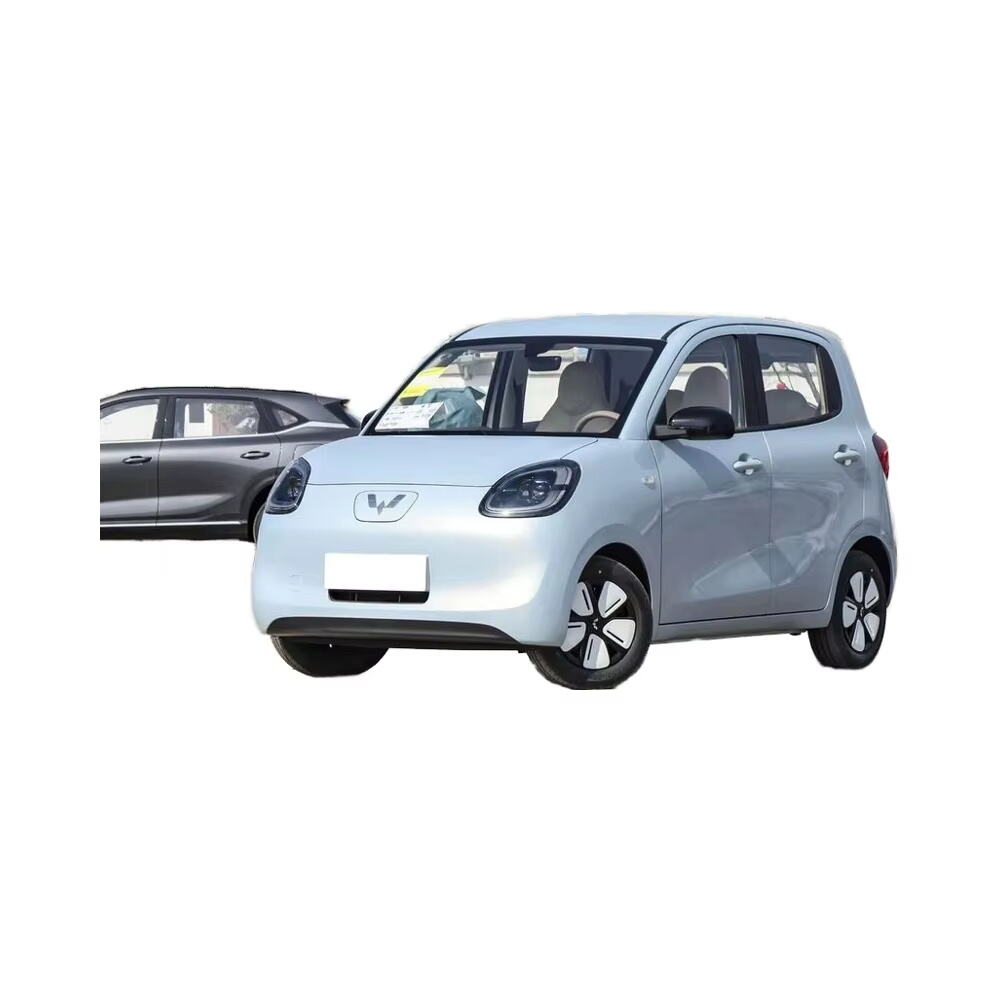
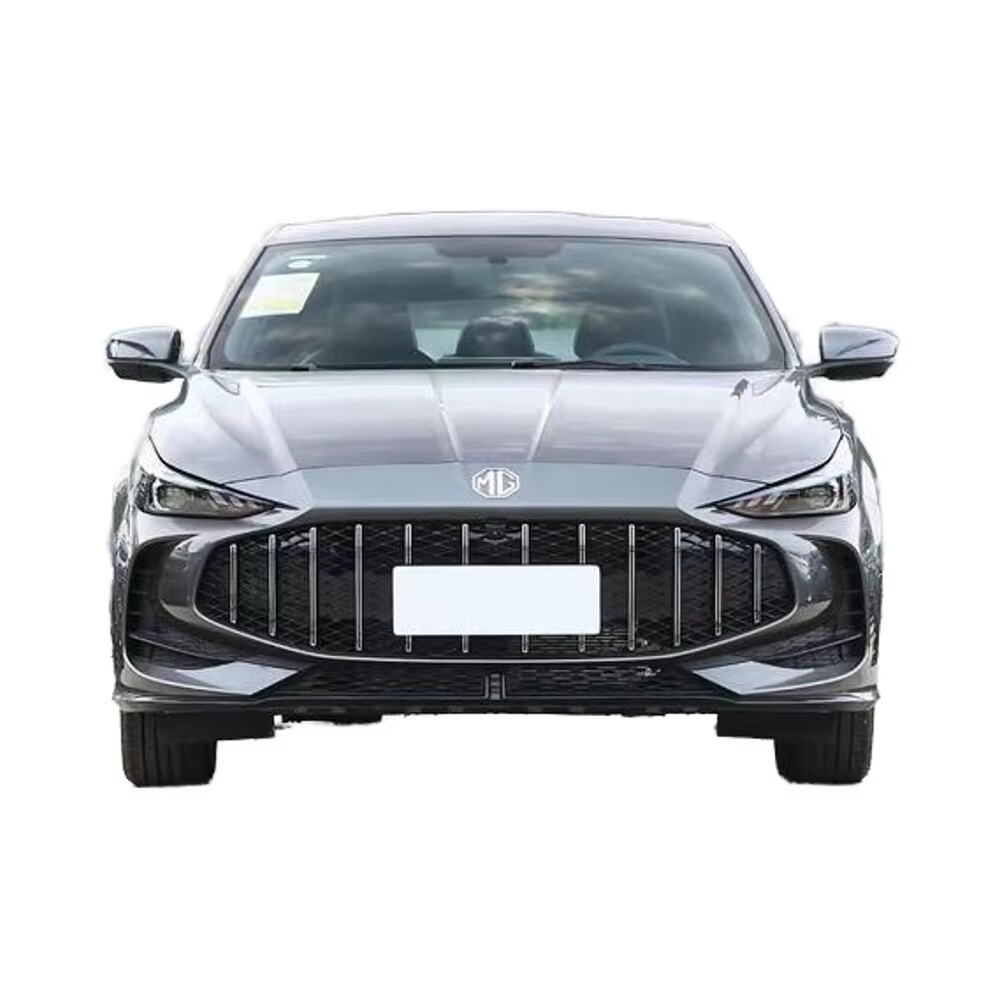
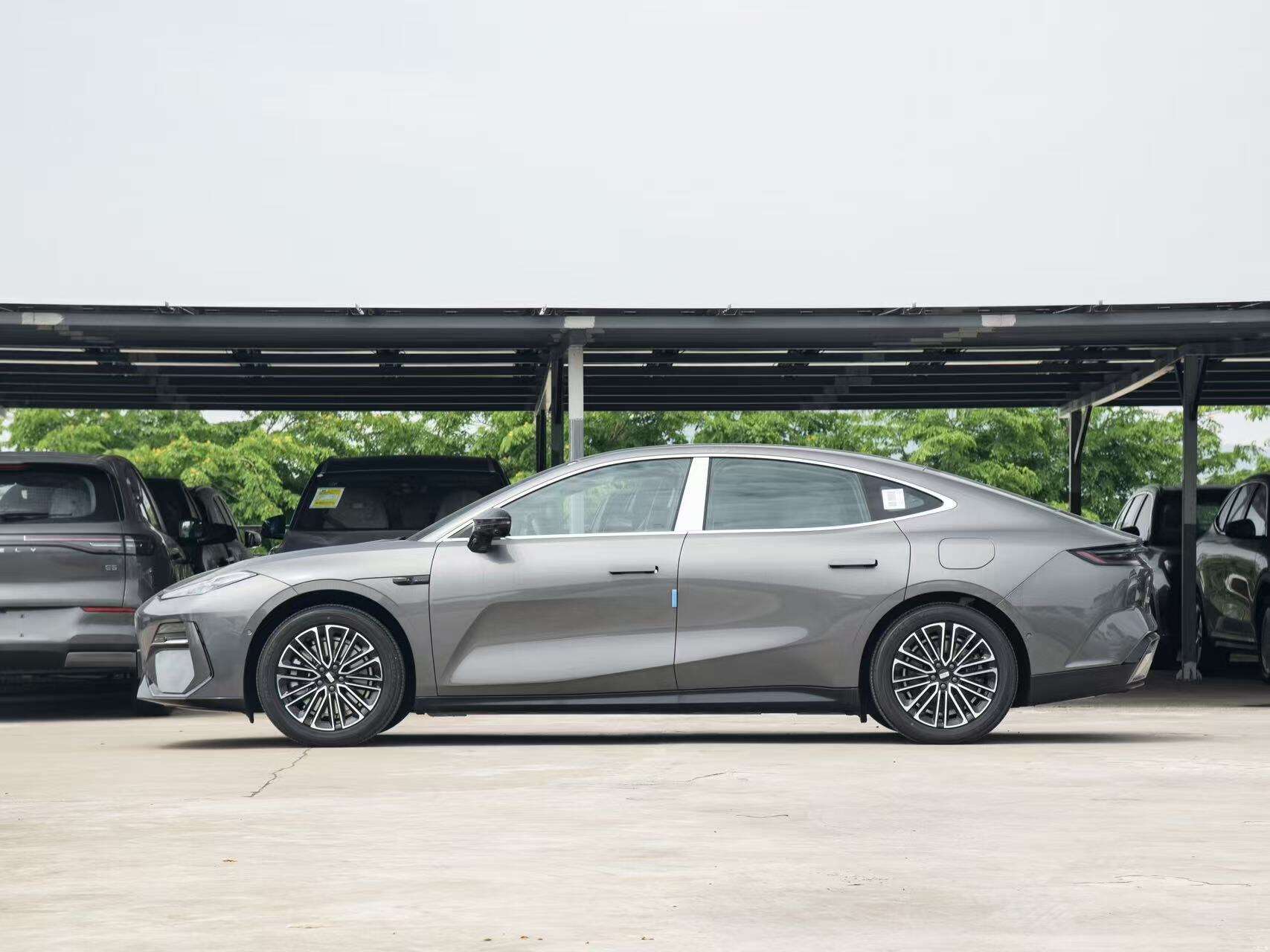
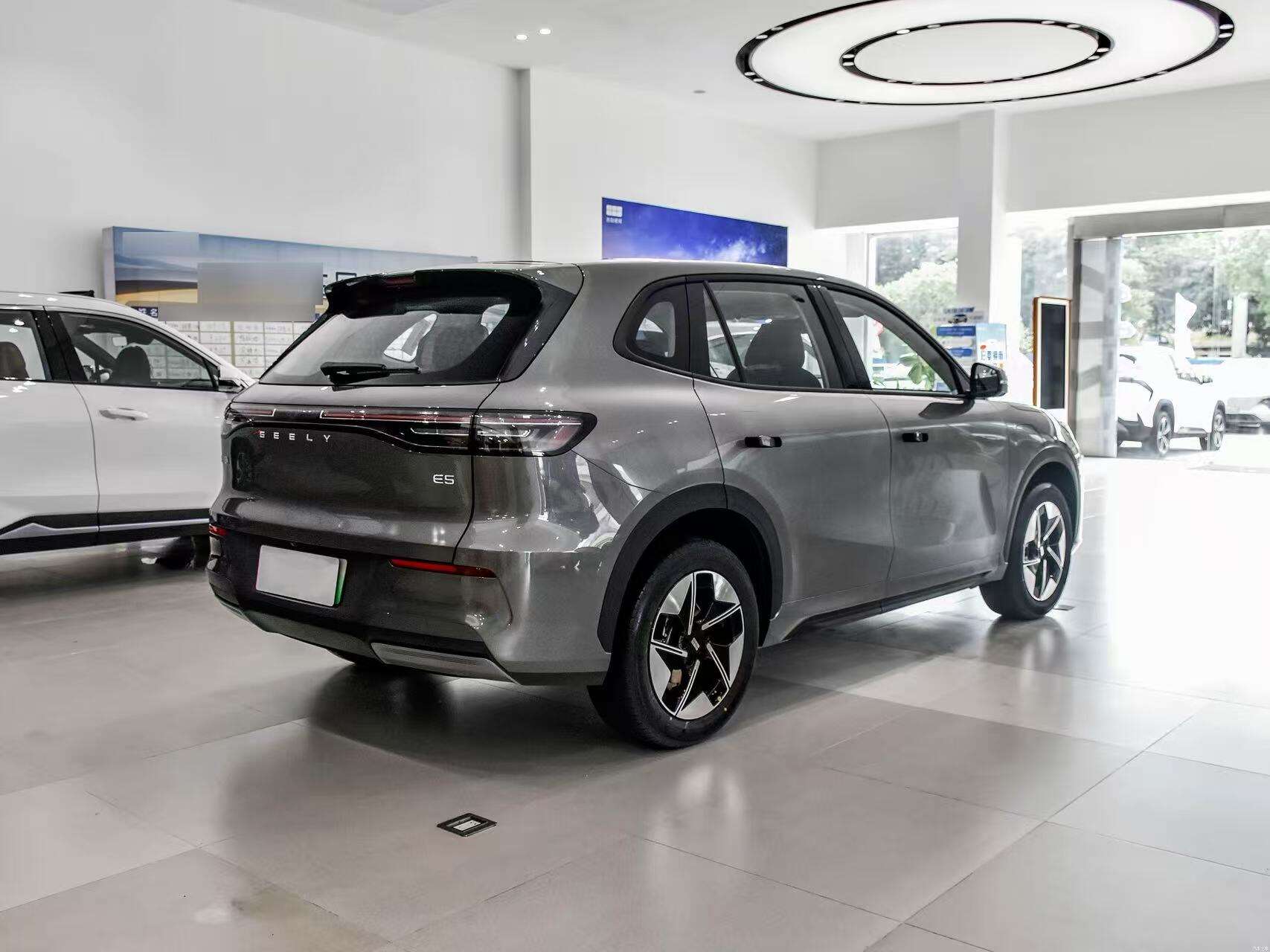
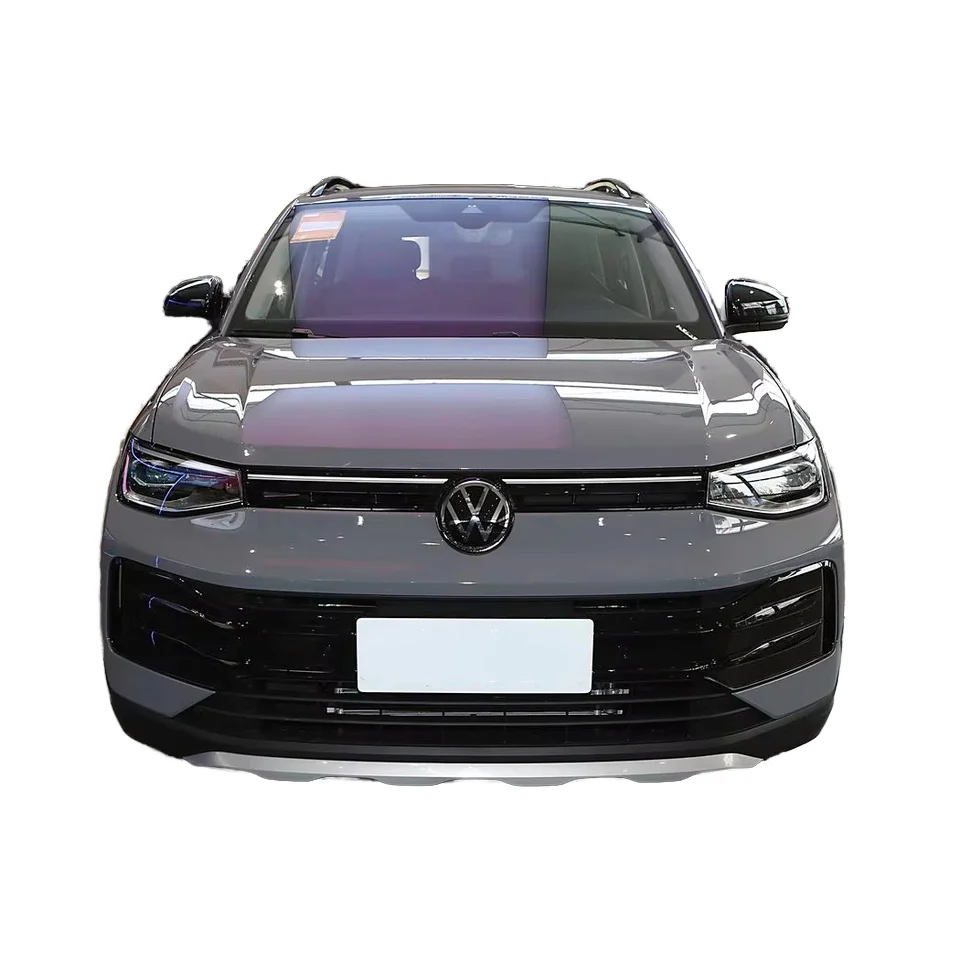
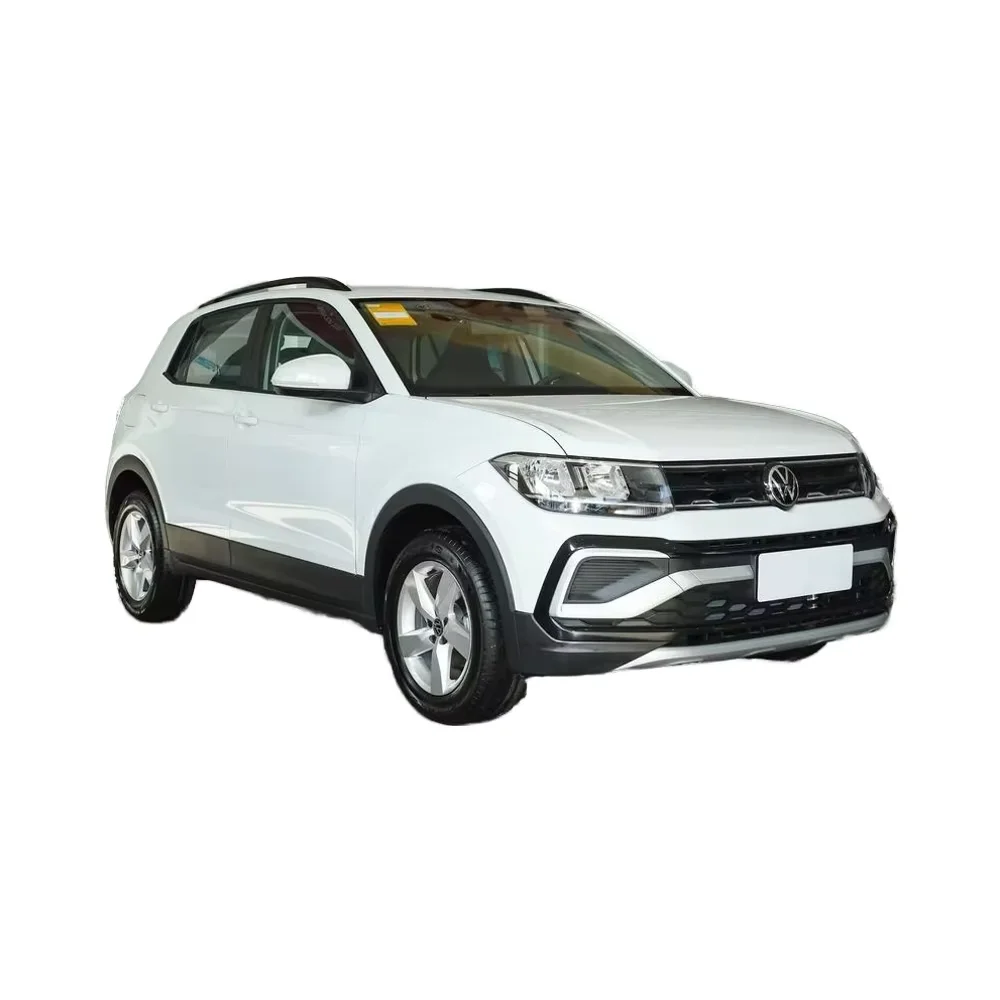
Electric vehicles (EVs) have revolutionized modern transportation, offering diverse options to suit different needs. Battery Electric Vehicles (BEVs) run purely on electricity stored in rechargeable batteries, providing zero direct emissions and smooth operation. Plug-in Hybrid Electric Vehicles (PHEVs) combine both electric and gasoline powertrains, offering flexibility and extended range. Hybrid Electric Vehicles (HEVs) use a combination of electric motors and conventional engines, automatically switching between power sources for optimal efficiency. Each type features advanced technology, including regenerative braking systems that capture and store energy from braking, smart charging capabilities, and sophisticated battery management systems. Modern EVs incorporate touchscreen interfaces, smartphone connectivity, and over-the-air updates. Many models offer fast-charging capabilities, with some achieving 80% charge in under 30 minutes. The driving range varies significantly, from 150 miles in basic models to over 400 miles in premium vehicles. These vehicles utilize advanced materials and aerodynamic designs to maximize efficiency and performance. They're equipped with various driver assistance features, including adaptive cruise control, lane-keeping assistance, and automated parking systems.


Popular Products

Electric vehicles offer numerous compelling advantages that make them increasingly attractive to modern consumers. First, they provide significant cost savings through reduced fuel and maintenance expenses, as electricity is generally cheaper than gasoline and electric powertrains have fewer moving parts requiring maintenance. Environmental benefits are substantial, with zero direct emissions from BEVs contributing to cleaner air quality and reduced carbon footprint. The driving experience is notably superior, featuring instant torque delivery for quick acceleration and whisper-quiet operation. Modern EVs offer exceptional safety features, often receiving top ratings in crash tests due to their low center of gravity and rigid battery structure. The convenience of home charging eliminates frequent gas station visits, while an expanding public charging infrastructure supports long-distance travel. Government incentives, including tax credits and rebates, make EVs more affordable. These vehicles typically offer spacious interiors due to their efficient powertrain packaging, providing more passenger and cargo space than similarly sized conventional vehicles. Advanced connectivity features enable remote monitoring and control through smartphone apps, allowing users to check charging status, precondition the cabin temperature, and locate charging stations. The latest models incorporate bidirectional charging capabilities, potentially allowing the vehicle to power homes during outages or sell energy back to the grid.

Latest News

How to Find the Most Reliable Affordable Chinese Car for Your Needs?

25

Jul

How to Find the Most Reliable Affordable Chinese Car for Your Needs?

View More
What Makes Chinese Cars a Smart Investment for First-Time Buyers?

25

Jul

What Makes Chinese Cars a Smart Investment for First-Time Buyers?

View More
How Do Chinese Cars Offer Premium Features at Lower Prices?

25

Jul

How Do Chinese Cars Offer Premium Features at Lower Prices?

View More
What Should You Look for When Buying a Used Chinese Car?

25

Jul

What Should You Look for When Buying a Used Chinese Car?

View More

Get a Free Quote

Expert Solutions. Start with an Inquiry.
Email
Name
Company Name
Message
0/1000

electric vehicles types

Advanced Battery Technology and Range Capabilities

Advanced Battery Technology and Range Capabilities

Modern electric vehicles feature state-of-the-art battery technology that represents a significant leap forward in energy storage and management. The latest lithium-ion batteries offer improved energy density, faster charging capabilities, and enhanced durability. These advanced battery systems incorporate sophisticated thermal management to maintain optimal operating temperatures, extending battery life and maintaining consistent performance across various weather conditions. Many current EVs feature intelligent battery management systems that optimize charging patterns and power distribution, maximizing range and battery longevity. The ability to accept high-power DC fast charging enables rapid recharging during long journeys, with some models capable of adding hundreds of miles of range in just 20 minutes.
Smart Connectivity and User Experience

Smart Connectivity and User Experience

Electric vehicles lead the automotive industry in connected technology integration. Advanced infotainment systems feature large touchscreen displays with intuitive interfaces, providing real-time information about vehicle status, energy consumption, and charging options. Smartphone integration allows remote monitoring and control of various vehicle functions, including charging schedules, climate control, and security features. Over-the-air software updates continuously improve vehicle functionality and performance without requiring dealer visits. Navigation systems specifically optimized for EVs can plan routes incorporating charging stops and predict energy consumption based on factors like terrain, weather, and driving style.
Sustainability and Economic Benefits

Sustainability and Economic Benefits

Electric vehicles represent a fundamental shift toward sustainable transportation, offering both environmental and economic advantages. The absence of tailpipe emissions significantly reduces local air pollution and greenhouse gas emissions, particularly when powered by renewable energy sources. The simplicity of electric powertrains results in lower maintenance costs, with fewer moving parts and no need for oil changes or traditional transmission service. Many regions offer additional benefits such as access to HOV lanes, preferential parking, and reduced toll fees. The total cost of ownership often proves lower than comparable conventional vehicles when considering fuel savings, maintenance reduction, and available incentives. As battery technology continues to improve and production scales up, the initial purchase price of EVs is becoming increasingly competitive.

Get a Free Quote

Expert Solutions. Start with an Inquiry.
Email
Name
Company Name
Message
0/1000